
Contents
- 🔍 Introduction to Neural Networks
- 💻 History of Neural Networks
- 📊 Types of Neural Networks
- 🤖 Applications of Neural Networks
- 📈 Training Neural Networks
- 📊 Challenges in Neural Networks
- 🌐 Real-World Examples of Neural Networks
- 🔮 Future of Neural Networks
- 📚 Neural Network Architectures
- 👥 Neural Network Research and Development
- 📊 Neural Network Evaluation Metrics
- 🚀 Neural Network Deployment and Maintenance
- Frequently Asked Questions
- Related Topics
Overview
From image recognition to natural language processing, neural networks have revolutionized numerous fields. The human brain, with its intricate neural connections, has inspired the development of artificial neural networks (ANNs). Key examples include Google's AlphaGo, which defeated a world champion in Go, and Facebook's facial recognition system, which can identify individuals with high accuracy. Additionally, neural networks are used in medical diagnosis, such as detecting cancer from MRI scans, with a reported accuracy of 97% in some studies. The influence of neural networks can also be seen in the work of researchers like Yann LeCun, who has made significant contributions to the development of convolutional neural networks (CNNs). As neural networks continue to evolve, we can expect to see even more innovative applications in the future, such as autonomous vehicles and personalized medicine, which could potentially disrupt the $3.5 trillion healthcare industry.
🔍 Introduction to Neural Networks
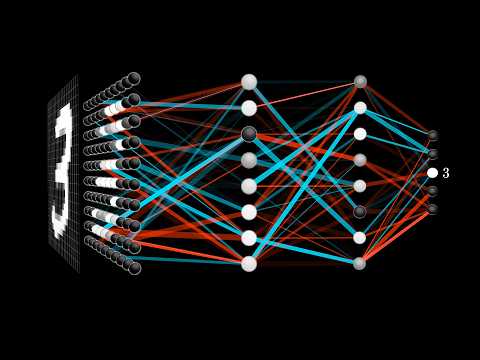
Neural networks are a fundamental component of Artificial Intelligence and have been widely adopted in various industries. The concept of neural networks is inspired by the structure and function of the human brain, where Neurons are connected to each other through Synapses. Neural networks are composed of layers of interconnected nodes or Neurons, which process and transmit information. The development of neural networks has been influenced by the work of Alan Turing and Marvin Minsky. Neural networks have been applied in areas such as Computer Vision, Natural Language Processing, and Speech Recognition.
💻 History of Neural Networks
The history of neural networks dates back to the 1940s, when Warren McCulloch and Walter Pitts proposed the first artificial neural network model. In the 1950s and 1960s, Frank Rosenblatt developed the perceptron, a type of neural network that can learn to classify patterns. The development of neural networks was further advanced by the work of David Rumelhart and James McClelland in the 1980s. Today, neural networks are a key component of Deep Learning and have been applied in various areas, including Image Classification and Language Translation. The Backpropagation algorithm is a widely used method for training neural networks.
📊 Types of Neural Networks
There are several types of neural networks, including Feedforward Neural Networks, Recurrent Neural Networks, and Convolutional Neural Networks. Feedforward neural networks are the simplest type of neural network, where the data flows only in one direction. Recurrent neural networks, on the other hand, have feedback connections, which allow the data to flow in a loop. Convolutional neural networks are a type of neural network that is particularly well-suited for Image Processing tasks. The choice of neural network architecture depends on the specific application and the type of data being processed. For example, LSTM networks are often used for Sequence Prediction tasks.
🤖 Applications of Neural Networks
Neural networks have a wide range of applications, including Image Classification, Object Detection, and Speech Recognition. They are also used in Natural Language Processing tasks, such as Language Translation and Text Summarization. Neural networks have been applied in various industries, including healthcare, finance, and transportation. For example, Self-Driving Cars use neural networks to detect and respond to their environment. The use of neural networks in Healthcare has also shown promising results, particularly in Medical Image Analysis.
📈 Training Neural Networks
Training neural networks is a complex task that requires large amounts of data and computational resources. The Backpropagation algorithm is a widely used method for training neural networks. The algorithm works by propagating the error backwards through the network, adjusting the weights and biases of the nodes to minimize the error. The choice of Optimization Algorithm and Loss Function depends on the specific application and the type of data being processed. For example, the Adam optimizer is often used for Deep Learning tasks. The use of Batch Normalization and Dropout can also improve the performance of neural networks.
📊 Challenges in Neural Networks
Despite their many advantages, neural networks also have several challenges, including the Vanishing Gradient Problem and the Exploding Gradient Problem. These problems can be addressed by using techniques such as Gradient Clipping and Weight Regularization. Another challenge is the lack of interpretability of neural networks, which can make it difficult to understand why a particular decision was made. The use of Attention Mechanisms can help to improve the interpretability of neural networks. The Explainability of neural networks is an active area of research, with techniques such as Saliency Maps and Feature Importance being developed.
🌐 Real-World Examples of Neural Networks
There are many real-world examples of neural networks in action, including Self-Driving Cars, Virtual Assistants, and Recommendation Systems. Neural networks are also used in Medical Image Analysis and Financial Prediction. The use of neural networks in Healthcare has shown promising results, particularly in the diagnosis of diseases such as Cancer. The use of neural networks in Finance has also shown promising results, particularly in the prediction of Stock Prices.
🔮 Future of Neural Networks
The future of neural networks is exciting and rapidly evolving. One of the most promising areas of research is the development of Explainable AI, which aims to make neural networks more transparent and interpretable. Another area of research is the development of Edge AI, which aims to deploy neural networks on edge devices such as smartphones and smart home devices. The use of neural networks in IoT devices is also an area of active research, with applications in areas such as Smart Cities and Industrial Automation.
📚 Neural Network Architectures
Neural network architectures are a critical component of Deep Learning. The choice of architecture depends on the specific application and the type of data being processed. Some popular neural network architectures include Convolutional Neural Networks, Recurrent Neural Networks, and Transformers. The use of Pre-Trained Models can also improve the performance of neural networks, particularly in areas such as Natural Language Processing.
👥 Neural Network Research and Development
Neural network research and development is a rapidly evolving field, with new techniques and architectures being developed all the time. Some of the most promising areas of research include the development of Explainable AI and Edge AI. The use of neural networks in Healthcare and Finance is also an area of active research, with applications in areas such as Medical Image Analysis and Financial Prediction. The Neural Network Community is active and vibrant, with many researchers and practitioners contributing to the development of new techniques and architectures.
📊 Neural Network Evaluation Metrics
Neural network evaluation metrics are a critical component of Deep Learning. The choice of metric depends on the specific application and the type of data being processed. Some popular evaluation metrics include Accuracy, Precision, and Recall. The use of Cross-Validation can also improve the performance of neural networks, particularly in areas such as Natural Language Processing.
🚀 Neural Network Deployment and Maintenance
Neural network deployment and maintenance is a critical component of Deep Learning. The choice of deployment strategy depends on the specific application and the type of data being processed. Some popular deployment strategies include Cloud Deployment and Edge Deployment. The use of Model Serving can also improve the performance of neural networks, particularly in areas such as Real-Time Prediction.
Key Facts
- Year
- 2022
- Origin
- Inspired by the human brain's neural structure, with key milestones including the development of the first ANN in 1943 by Warren McCulloch and Walter Pitts
- Category
- Artificial Intelligence
- Type
- Concept
Frequently Asked Questions
What is a neural network?
A neural network is a type of machine learning model that is inspired by the structure and function of the human brain. It is composed of layers of interconnected nodes or neurons, which process and transmit information. Neural networks are widely used in areas such as computer vision, natural language processing, and speech recognition.
What are the different types of neural networks?
There are several types of neural networks, including feedforward neural networks, recurrent neural networks, and convolutional neural networks. Feedforward neural networks are the simplest type of neural network, where the data flows only in one direction. Recurrent neural networks, on the other hand, have feedback connections, which allow the data to flow in a loop. Convolutional neural networks are a type of neural network that is particularly well-suited for image processing tasks.
What are the applications of neural networks?
Neural networks have a wide range of applications, including image classification, object detection, and speech recognition. They are also used in natural language processing tasks, such as language translation and text summarization. Neural networks have been applied in various industries, including healthcare, finance, and transportation.
How are neural networks trained?
Neural networks are trained using a variety of algorithms, including backpropagation and stochastic gradient descent. The choice of algorithm depends on the specific application and the type of data being processed. The use of optimization algorithms and loss functions can also improve the performance of neural networks.
What are the challenges of neural networks?
Neural networks have several challenges, including the vanishing gradient problem and the exploding gradient problem. These problems can be addressed by using techniques such as gradient clipping and weight regularization. Another challenge is the lack of interpretability of neural networks, which can make it difficult to understand why a particular decision was made.
What is the future of neural networks?
The future of neural networks is exciting and rapidly evolving. One of the most promising areas of research is the development of explainable AI, which aims to make neural networks more transparent and interpretable. Another area of research is the development of edge AI, which aims to deploy neural networks on edge devices such as smartphones and smart home devices.
What are the evaluation metrics for neural networks?
Neural network evaluation metrics are a critical component of deep learning. The choice of metric depends on the specific application and the type of data being processed. Some popular evaluation metrics include accuracy, precision, and recall. The use of cross-validation can also improve the performance of neural networks.