
Contents
- 🚗 Introduction to Self-Driving Cars
- 🤖 History of Autonomous Vehicles
- 🚫 Safety Concerns and Regulations
- 📈 Market Trends and Adoption
- 🤝 Collaboration and Competition
- 🚗 Technical Overview of Self-Driving Cars
- 📊 Economic Impact and Job Displacement
- 🌎 Environmental Benefits and Sustainability
- 🚨 Cybersecurity Risks and Challenges
- 👥 Public Perception and Acceptance
- 🚗 Future Developments and Innovations
- Frequently Asked Questions
- Related Topics
Overview
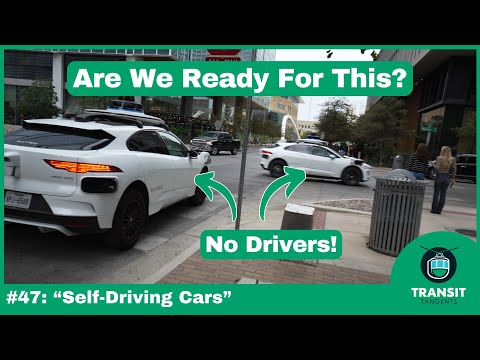
Self-driving cars, also known as autonomous vehicles, have been in development since the 1980s, but it wasn't until 2009 that Google launched its Self-Driving Car project, now known as Waymo. Since then, companies like Tesla, Uber, and Lyft have joined the race, with many others following suit. The technology has advanced significantly, with some vehicles already on public roads, such as Waymo's fleet in Phoenix, Arizona. However, concerns about safety, regulation, and job displacement have sparked intense debate. As of 2022, there were over 1,400 self-driving car-related patents filed in the United States alone, with companies like NVIDIA and Intel investing heavily in the technology. With a projected market size of $7 trillion by 2050, the stakes are high, and the impact on society will be significant, but the question remains: are we ready for a world where cars drive themselves?
🚗 Introduction to Self-Driving Cars
The concept of self-driving cars, also known as autonomous vehicles, has been around for decades, but it's only in recent years that we've seen significant advancements in this technology. Companies like Tesla and Waymo are at the forefront of this revolution, with their self-driving cars being tested on public roads. The potential benefits of autonomous vehicles are numerous, including reduced traffic congestion and increased road safety. However, there are also concerns about job displacement and cybersecurity risks. As the technology continues to evolve, we can expect to see more electric vehicles and connected cars on the road.
🤖 History of Autonomous Vehicles
The history of autonomous vehicles dates back to the 1980s, when the first autonomous vehicle was developed by a team of engineers at Carnegie Mellon University. Since then, we've seen significant advancements in this technology, with companies like Google and Uber investing heavily in self-driving car research. The development of machine learning algorithms and computer vision has been crucial in enabling autonomous vehicles to navigate complex roads and traffic scenarios. As we look to the future, it's clear that artificial intelligence will play a major role in shaping the transportation industry.
🚫 Safety Concerns and Regulations
One of the major concerns surrounding self-driving cars is safety. While autonomous vehicles have the potential to significantly reduce traffic accidents, there are still many unknowns when it comes to their safety record. Regulatory bodies like the National Highway Traffic Safety Administration (NHTSA) are working to establish guidelines and standards for the development and deployment of self-driving cars. Companies like Volkswagen and Toyota are also investing in safety features and crash testing to ensure that their autonomous vehicles meet the highest safety standards. As the technology continues to evolve, we can expect to see more safety innovations and regulatory frameworks emerge.
📈 Market Trends and Adoption
The market for self-driving cars is expected to grow significantly in the coming years, with many analysts predicting that autonomous vehicles will become a major player in the transportation industry. Companies like Lyft and Uber are already investing in self-driving car technology, and we can expect to see more ride-hailing services and car-sharing services emerge in the future. The development of electric vehicles and connected cars will also play a major role in shaping the transportation industry. As we look to the future, it's clear that sustainable energy and environmental sustainability will be major factors in the adoption of self-driving cars.
🤝 Collaboration and Competition
The development of self-driving cars is a complex process that requires collaboration between many different companies and organizations. Companies like Intel and NVIDIA are working together to develop artificial intelligence and machine learning algorithms that can enable autonomous vehicles to navigate complex roads and traffic scenarios. The 5G network will also play a major role in enabling the widespread adoption of self-driving cars. As we look to the future, it's clear that partnerships and collaborations will be crucial in shaping the transportation industry.
🚗 Technical Overview of Self-Driving Cars
From a technical perspective, self-driving cars are incredibly complex systems that require a wide range of sensors and cameras to navigate the road. Companies like Tesla and Waymo are using lidar technology and radar sensors to enable their autonomous vehicles to detect and respond to their surroundings. The development of machine learning algorithms and computer vision has also been crucial in enabling autonomous vehicles to navigate complex roads and traffic scenarios. As we look to the future, it's clear that artificial intelligence will play a major role in shaping the transportation industry.
📊 Economic Impact and Job Displacement
The economic impact of self-driving cars is expected to be significant, with many analysts predicting that autonomous vehicles will disrupt the transportation industry and lead to significant job displacement. However, the development of self-driving cars is also expected to create new job opportunities in fields like software development and data analysis. Companies like Uber and Lyft are already investing in self-driving car technology, and we can expect to see more ride-hailing services and car-sharing services emerge in the future. As we look to the future, it's clear that economic sustainability will be a major factor in the adoption of self-driving cars.
🌎 Environmental Benefits and Sustainability
The environmental benefits of self-driving cars are expected to be significant, with many analysts predicting that autonomous vehicles will reduce greenhouse gas emissions and improve air quality. The development of electric vehicles and connected cars will also play a major role in shaping the transportation industry. Companies like Tesla and Volkswagen are already investing in sustainable energy and environmental sustainability, and we can expect to see more eco-friendly cars emerge in the future. As we look to the future, it's clear that environmental sustainability will be a major factor in the adoption of self-driving cars.
🚨 Cybersecurity Risks and Challenges
The cybersecurity risks associated with self-driving cars are significant, with many analysts predicting that autonomous vehicles will be vulnerable to cyber attacks and data breaches. Companies like Intel and NVIDIA are working to develop cybersecurity solutions that can protect autonomous vehicles from these threats. The development of secure communication protocols and encryption technologies will also be crucial in enabling the widespread adoption of self-driving cars. As we look to the future, it's clear that cybersecurity will be a major factor in the adoption of self-driving cars.
👥 Public Perception and Acceptance
Public perception of self-driving cars is mixed, with some people expressing concerns about safety risks and job displacement. However, many analysts predict that autonomous vehicles will become a major player in the transportation industry and will improve road safety and reduce traffic congestion. Companies like Uber and Lyft are already investing in self-driving car technology, and we can expect to see more ride-hailing services and car-sharing services emerge in the future. As we look to the future, it's clear that public acceptance will be a major factor in the adoption of self-driving cars.
🚗 Future Developments and Innovations
As we look to the future, it's clear that self-driving cars will continue to play a major role in shaping the transportation industry. Companies like Tesla and Waymo are already investing in autonomous vehicle technology, and we can expect to see more electric vehicles and connected cars emerge in the future. The development of artificial intelligence and machine learning algorithms will also be crucial in enabling the widespread adoption of self-driving cars. As we look to the future, it's clear that innovation and disruption will be major factors in the adoption of self-driving cars.
Key Facts
- Year
- 2022
- Origin
- United States
- Category
- Technology
- Type
- Technology
Frequently Asked Questions
What is a self-driving car?
A self-driving car, also known as an autonomous car, driverless car, or robotic car, is a car that is capable of operating with reduced or no human input. They are sometimes called robotaxis, though this term refers specifically to self-driving cars operated for a ridesharing company. Self-driving cars use a combination of sensors and cameras and machine learning algorithms to navigate the road. Companies like Tesla and Waymo are at the forefront of this technology, with their self-driving cars being tested on public roads.
How do self-driving cars work?
Self-driving cars use a combination of sensors and cameras and machine learning algorithms to navigate the road. They are equipped with lidar technology and radar sensors that enable them to detect and respond to their surroundings. The development of artificial intelligence and computer vision has been crucial in enabling autonomous vehicles to navigate complex roads and traffic scenarios. Companies like Intel and NVIDIA are working to develop cybersecurity solutions that can protect autonomous vehicles from cyber attacks and data breaches.
What are the benefits of self-driving cars?
The benefits of self-driving cars are numerous, including reduced traffic congestion and increased road safety. They also have the potential to improve air quality and reduce greenhouse gas emissions. Companies like Uber and Lyft are already investing in self-driving car technology, and we can expect to see more ride-hailing services and car-sharing services emerge in the future. As we look to the future, it's clear that environmental sustainability will be a major factor in the adoption of self-driving cars.
What are the challenges facing self-driving cars?
The challenges facing self-driving cars are significant, including cybersecurity risks and safety concerns. There are also concerns about job displacement and public acceptance. Companies like Tesla and Waymo are working to address these challenges, and we can expect to see more innovations and disruptions in the transportation industry. As we look to the future, it's clear that partnerships and collaborations will be crucial in shaping the transportation industry.
When will self-driving cars be available to the public?
Self-driving cars are already being tested on public roads, and we can expect to see more autonomous vehicles emerge in the future. Companies like Uber and Lyft are already investing in self-driving car technology, and we can expect to see more ride-hailing services and car-sharing services emerge in the future. As we look to the future, it's clear that innovation and disruption will be major factors in the adoption of self-driving cars.