
Contents
- 🚨 Introduction to Event Crisis Planning
- 📝 Understanding Event Crisis Management
- 🌪️ Identifying Potential Event Risks
- 📊 Assessing Event Crisis Impact
- 📈 Developing an Event Crisis Plan
- 👥 Communicating the Event Crisis Plan
- 🚨 Implementing the Event Crisis Plan
- 📊 Reviewing and Updating the Event Crisis Plan
- 🤝 Collaboration and Training in Event Crisis Planning
- 📊 Measuring Event Crisis Plan Effectiveness
- 📈 Future of Event Crisis Planning
- Frequently Asked Questions
- Related Topics
Overview
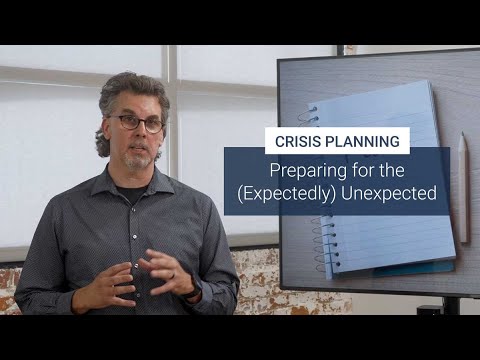
An event crisis plan is a tailored strategy designed to mitigate risks and ensure business continuity in the face of unforeseen events. According to a study by the National Center for Biotechnology Information, 75% of event planners reported having to deal with a crisis situation at some point in their careers. The plan typically includes a risk assessment, crisis communication protocols, and a recovery strategy. For instance, the 2010 Winter Olympics in Vancouver had a comprehensive crisis plan in place, which included a 24/7 emergency operations center and a robust communication system. Effective event crisis planning can minimize the impact of disruptions, protect the reputation of the event and its organizers, and ensure the safety of attendees. The key to a successful event crisis plan is to identify potential risks, develop a comprehensive response strategy, and conduct regular training exercises to ensure that all stakeholders are prepared. With the rise of global events, the importance of having a well-structured event crisis plan has never been more critical, as seen in the 2020 Tokyo Olympics, which had to be postponed due to the COVID-19 pandemic.
🚨 Introduction to Event Crisis Planning
The importance of having an event crisis plan in place cannot be overstated, as it helps to mitigate the impact of unexpected events on attendees, staff, and the overall success of the event. According to risk management experts, a well-structured plan can make all the difference in navigating the unexpected. For instance, the 2010 volcanic ash cloud crisis in Europe highlighted the need for event organizers to have a contingency plan in place. By understanding the principles of crisis management, event planners can develop a comprehensive plan to address potential risks and minimize their impact. The event planning industry has seen a significant shift towards prioritizing crisis planning in recent years, with many organizations investing in emergency response planning and business continuity planning.
📝 Understanding Event Crisis Management
Effective event crisis management involves a thorough understanding of the potential risks associated with an event, as well as the development of strategies to mitigate these risks. This includes identifying potential security threats, natural disasters, and health emergencies, and having a plan in place to respond to these situations. The National Incident Management System (NIMS) provides a framework for event planners to follow in developing their crisis management plan. By understanding the principles of incident command system and emergency operations planning, event planners can ensure a coordinated response to any crisis situation. The Federal Emergency Management Agency (FEMA) offers resources and guidance on developing a comprehensive crisis management plan, including the Incident Command System (ICS).
🌪️ Identifying Potential Event Risks
Identifying potential event risks is a critical step in developing an effective event crisis plan. This includes assessing the likelihood and potential impact of various risks, such as terrorism, cyber attacks, and pandemics. Event planners must also consider the potential risks associated with the event venue, including structural integrity and environmental hazards. By conducting a thorough risk assessment, event planners can identify potential vulnerabilities and develop strategies to mitigate these risks. The Event Safety Alliance provides guidance on conducting a comprehensive risk assessment, including the use of risk assessment tools and safety checklists.
📊 Assessing Event Crisis Impact
Assessing the potential impact of an event crisis is critical in developing an effective event crisis plan. This includes considering the potential financial, reputational, and human impact of a crisis situation. Event planners must also assess the potential impact on attendees, staff, and the overall success of the event. By using crisis impact assessment tools and techniques, event planners can develop a comprehensive plan to mitigate the impact of a crisis situation. The Business Continuity Institute (BCI) provides guidance on assessing the potential impact of a crisis situation, including the use of business impact analysis (BIA) and risk assessment methodologies.
📈 Developing an Event Crisis Plan
Developing an event crisis plan involves a thorough understanding of the potential risks associated with an event, as well as the development of strategies to mitigate these risks. This includes identifying potential communication channels, emergency response teams, and crisis management teams. Event planners must also consider the potential risks associated with the event venue, including structural integrity and environmental hazards. By using crisis planning tools and techniques, event planners can develop a comprehensive plan to mitigate the impact of a crisis situation. The Disaster Recovery Institute (DRI) provides guidance on developing a comprehensive crisis plan, including the use of business continuity planning and disaster recovery planning.
👥 Communicating the Event Crisis Plan
Communicating the event crisis plan to all stakeholders is critical in ensuring a coordinated response to a crisis situation. This includes communicating the plan to attendees, staff, and emergency response teams. Event planners must also consider the potential risks associated with communication breakdowns and develop strategies to mitigate these risks. By using communication planning tools and techniques, event planners can ensure that all stakeholders are informed and prepared to respond to a crisis situation. The National Emergency Management Association (NEMA) provides guidance on communicating the crisis plan, including the use of emergency alert systems and social media.
🚨 Implementing the Event Crisis Plan
Implementing the event crisis plan involves a thorough understanding of the potential risks associated with an event, as well as the development of strategies to mitigate these risks. This includes identifying potential incident command structures, emergency response teams, and crisis management teams. Event planners must also consider the potential risks associated with the event venue, including structural integrity and environmental hazards. By using crisis management tools and techniques, event planners can ensure a coordinated response to a crisis situation. The International Association of Venue Managers (IAVM) provides guidance on implementing the crisis plan, including the use of venue emergency response plans and event operations plans.
📊 Reviewing and Updating the Event Crisis Plan
Reviewing and updating the event crisis plan is critical in ensuring that the plan remains effective and relevant. This includes conducting regular risk assessments and updating the plan to reflect any changes in the event or venue. Event planners must also consider the potential risks associated with plan obsolescence and develop strategies to mitigate these risks. By using plan review tools and techniques, event planners can ensure that the plan remains effective and relevant. The Event Planning Institute (EPI) provides guidance on reviewing and updating the crisis plan, including the use of plan review checklists and risk assessment methodologies.
🤝 Collaboration and Training in Event Crisis Planning
Collaboration and training are critical components of an effective event crisis plan. This includes collaborating with emergency response teams, crisis management teams, and other stakeholders to ensure a coordinated response to a crisis situation. Event planners must also consider the potential risks associated with training gaps and develop strategies to mitigate these risks. By using training planning tools and techniques, event planners can ensure that all stakeholders are informed and prepared to respond to a crisis situation. The National Fire Protection Association (NFPA) provides guidance on collaboration and training, including the use of emergency response training and crisis management training.
📊 Measuring Event Crisis Plan Effectiveness
Measuring the effectiveness of an event crisis plan is critical in ensuring that the plan remains effective and relevant. This includes conducting regular plan reviews and updating the plan to reflect any changes in the event or venue. Event planners must also consider the potential risks associated with plan evaluation and develop strategies to mitigate these risks. By using plan evaluation tools and techniques, event planners can ensure that the plan remains effective and relevant. The Event Industry Council (EIC) provides guidance on measuring plan effectiveness, including the use of plan evaluation checklists and risk assessment methodologies.
📈 Future of Event Crisis Planning
The future of event crisis planning will be shaped by emerging trends and technologies, including the use of artificial intelligence and data analytics. Event planners must also consider the potential risks associated with technological disruptions and develop strategies to mitigate these risks. By using future planning tools and techniques, event planners can ensure that they remain ahead of the curve and prepared to respond to any crisis situation. The Meeting Professionals International (MPI) provides guidance on the future of event crisis planning, including the use of future planning checklists and risk assessment methodologies.
Key Facts
- Year
- 2020
- Origin
- National Center for Biotechnology Information
- Category
- Risk Management
- Type
- Strategy
Frequently Asked Questions
What is an event crisis plan?
An event crisis plan is a comprehensive plan that outlines the procedures and protocols to be followed in the event of a crisis or emergency situation. The plan should include strategies for mitigating the impact of the crisis, as well as procedures for communicating with attendees, staff, and emergency response teams. According to event crisis plan experts, a well-structured plan can make all the difference in navigating the unexpected. For instance, the 2010 volcanic ash cloud crisis in Europe highlighted the need for event organizers to have a contingency plan in place. By understanding the principles of crisis management, event planners can develop a comprehensive plan to address potential risks and minimize their impact.
Why is it important to have an event crisis plan?
Having an event crisis plan is important because it helps to mitigate the impact of unexpected events on attendees, staff, and the overall success of the event. A well-structured plan can also help to reduce the risk of injuries, fatalities, and property damage. According to risk management experts, a comprehensive crisis plan can also help to protect the reputation of the event and its organizers. The event planning industry has seen a significant shift towards prioritizing crisis planning in recent years, with many organizations investing in emergency response planning and business continuity planning. By understanding the principles of crisis management, event planners can develop a comprehensive plan to address potential risks and minimize their impact.
What should be included in an event crisis plan?
An event crisis plan should include strategies for mitigating the impact of potential risks, as well as procedures for communicating with attendees, staff, and emergency response teams. The plan should also include information on the event venue, including structural integrity and environmental hazards. According to event crisis plan experts, the plan should also include procedures for responding to security threats, natural disasters, and health emergencies. By using crisis planning tools and techniques, event planners can develop a comprehensive plan to mitigate the impact of a crisis situation. The Disaster Recovery Institute (DRI) provides guidance on developing a comprehensive crisis plan, including the use of business continuity planning and disaster recovery planning.
How often should an event crisis plan be reviewed and updated?
An event crisis plan should be reviewed and updated regularly to ensure that it remains effective and relevant. This includes conducting regular risk assessments and updating the plan to reflect any changes in the event or venue. According to event crisis plan experts, the plan should be reviewed and updated at least annually, or more frequently if the event or venue changes. By using plan review tools and techniques, event planners can ensure that the plan remains effective and relevant. The Event Planning Institute (EPI) provides guidance on reviewing and updating the crisis plan, including the use of plan review checklists and risk assessment methodologies.
What is the role of communication in an event crisis plan?
Communication plays a critical role in an event crisis plan, as it helps to ensure that all stakeholders are informed and prepared to respond to a crisis situation. This includes communicating the plan to attendees, staff, and emergency response teams, as well as providing regular updates and information during the crisis. According to event crisis plan experts, effective communication can help to reduce the risk of injuries, fatalities, and property damage. By using communication planning tools and techniques, event planners can ensure that all stakeholders are informed and prepared to respond to a crisis situation. The National Emergency Management Association (NEMA) provides guidance on communicating the crisis plan, including the use of emergency alert systems and social media.
What is the future of event crisis planning?
The future of event crisis planning will be shaped by emerging trends and technologies, including the use of artificial intelligence and data analytics. Event planners must also consider the potential risks associated with technological disruptions and develop strategies to mitigate these risks. According to event crisis plan experts, the future of event crisis planning will also involve a greater emphasis on collaboration and training among stakeholders. By using future planning tools and techniques, event planners can ensure that they remain ahead of the curve and prepared to respond to any crisis situation. The Meeting Professionals International (MPI) provides guidance on the future of event crisis planning, including the use of future planning checklists and risk assessment methodologies.
What are some common mistakes to avoid in event crisis planning?
Some common mistakes to avoid in event crisis planning include failing to conduct regular risk assessments, not having a comprehensive plan in place, and not communicating the plan to all stakeholders. According to event crisis plan experts, event planners should also avoid underestimating the potential risks associated with an event, and should develop strategies to mitigate these risks. By using crisis planning tools and techniques, event planners can develop a comprehensive plan to mitigate the impact of a crisis situation. The Disaster Recovery Institute (DRI) provides guidance on developing a comprehensive crisis plan, including the use of business continuity planning and disaster recovery planning.