
Contents
- 🏥 Introduction to Endocrine System Diseases
- 🧬 The Endocrine System: A Complex Network
- 🚨 Common Endocrine System Diseases
- 👨⚕️ The Role of Endocrinology in Disease Diagnosis
- 💊 Treatment Options for Endocrine System Diseases
- 📊 The Impact of Endocrine System Diseases on Public Health
- 🔬 Current Research and Future Directions
- 🤝 The Importance of Patient Advocacy and Support
- 📈 Emerging Trends in Endocrine System Disease Management
- 🌎 Global Efforts to Combat Endocrine System Diseases
- Frequently Asked Questions
- Related Topics
Overview
The endocrine system, comprising glands that produce and regulate hormones, is a delicate balance of chemical messengers. Diseases affecting this system, such as diabetes, thyroid disorders, and adrenal insufficiency, can have far-reaching consequences on overall health. According to the World Health Organization (WHO), approximately 350 million people worldwide suffer from diabetes, with the global prevalence expected to rise to 578 million by 2030. The economic burden of endocrine system diseases is substantial, with the International Diabetes Federation estimating that diabetes alone costs the global economy over $1.3 trillion annually. Researchers like Dr. Frederick Banting, who discovered insulin, and Dr. Rosalyn Yalow, who developed the radioimmunoassay, have made significant contributions to our understanding of endocrine system diseases. As medical advancements continue to unfold, it is crucial to address the controversies surrounding disease management, such as the debate over the role of diet and exercise in preventing and treating endocrine system diseases, to ensure that patients receive optimal care and support.
🏥 Introduction to Endocrine System Diseases
The endocrine system is a complex network of glands that produce and regulate hormones in the body. Endocrine system diseases, also known as endocrine disorders, occur when this system is disrupted, leading to a range of health problems. According to the Endocrinology branch of medicine, endocrine diseases can be caused by a variety of factors, including genetic mutations, environmental factors, and lifestyle choices. The Hormone imbalance caused by these diseases can have a significant impact on overall health and wellbeing. For example, Diabetes is a common endocrine system disease that affects millions of people worldwide. The World Health Organization recognizes the importance of addressing endocrine system diseases and has implemented various initiatives to combat these conditions.
🧬 The Endocrine System: A Complex Network
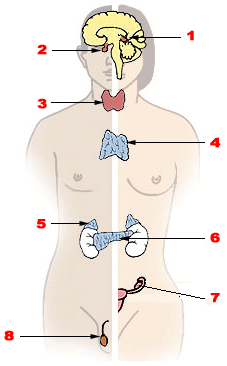
The endocrine system is made up of several glands, including the Pituitary Gland, Thyroid Gland, and Adrenal Gland. Each of these glands plays a crucial role in regulating various bodily functions, such as growth and development, metabolism, and stress response. When one or more of these glands is not functioning properly, it can lead to a range of health problems, including Growth Hormone Deficiency and Thyroid Disease. The Endocrine Society is a professional organization that aims to advance our understanding of the endocrine system and develop effective treatments for endocrine system diseases. Researchers are also exploring the role of Epigenetics in the development of endocrine system diseases.
🚨 Common Endocrine System Diseases
There are several common endocrine system diseases that affect people worldwide. Hypothyroidism is a condition in which the thyroid gland does not produce enough thyroid hormone, leading to symptoms such as fatigue, weight gain, and dry skin. Hyperthyroidism is a condition in which the thyroid gland produces too much thyroid hormone, leading to symptoms such as weight loss, anxiety, and rapid heartbeat. Cushing Syndrome is a rare endocrine disorder caused by excess levels of the hormone cortisol. The National Institutes of Health provides funding for research into the causes and treatments of these diseases. Additionally, Hormone Replacement Therapy is a treatment option for some endocrine system diseases.
👨⚕️ The Role of Endocrinology in Disease Diagnosis
Endocrinology is the branch of medicine that deals with the diagnosis and treatment of endocrine system diseases. Endocrinologists use a range of tests and procedures to diagnose endocrine disorders, including blood tests, imaging studies, and Biopsy. They also develop treatment plans that may include medication, surgery, or lifestyle changes. The American Diabetes Association is a professional organization that provides guidance on the diagnosis and treatment of Diabetes. Endocrinologists often work with other healthcare professionals, such as Primary Care Physicians and Registered Dietitians, to provide comprehensive care for patients with endocrine system diseases.
💊 Treatment Options for Endocrine System Diseases
Treatment options for endocrine system diseases vary depending on the specific condition and its severity. Medications such as Levothyroxine and Metformin are commonly used to treat conditions such as hypothyroidism and type 2 diabetes. In some cases, surgery may be necessary to remove a tumor or damaged gland. Lifestyle changes, such as Diet and Exercise, can also play an important role in managing endocrine system diseases. The Academy of Nutrition and Dietetics provides guidance on healthy eating for people with endocrine system diseases. Additionally, Stress Management techniques can help alleviate symptoms of endocrine system diseases.
📊 The Impact of Endocrine System Diseases on Public Health
Endocrine system diseases have a significant impact on public health, both in terms of the number of people affected and the economic burden they impose. According to the Centers for Disease Control and Prevention, diabetes is one of the most common and costly health conditions in the United States. The World Health Organization estimates that diabetes affects over 400 million people worldwide. The economic burden of endocrine system diseases is significant, with costs including medical expenses, lost productivity, and reduced quality of life. The National Institutes of Health provides funding for research into the prevention and treatment of endocrine system diseases.
🔬 Current Research and Future Directions
Current research is focused on developing new treatments and improving our understanding of the causes of endocrine system diseases. For example, researchers are exploring the role of Stem Cells in the development of new treatments for conditions such as Diabetes. The National Institutes of Health provides funding for research into the use of Gene Therapy to treat endocrine system diseases. Additionally, Artificial Intelligence is being used to develop new diagnostic tools and treatment plans for endocrine system diseases. The Endocrine Society is a professional organization that aims to advance our understanding of the endocrine system and develop effective treatments for endocrine system diseases.
🤝 The Importance of Patient Advocacy and Support
Patient advocacy and support are essential for people living with endocrine system diseases. Organizations such as the American Diabetes Association and the Thyroid Foundation of Canada provide education, support, and resources for patients and their families. The Patient Advocacy movement is also working to raise awareness and promote research into endocrine system diseases. Additionally, Online Communities can provide a sense of connection and support for people living with endocrine system diseases. The National Institutes of Health provides funding for research into the development of new treatments and therapies for endocrine system diseases.
📈 Emerging Trends in Endocrine System Disease Management
Emerging trends in endocrine system disease management include the use of Personalized Medicine and Precision Medicine. These approaches involve tailoring treatment plans to an individual's unique genetic and environmental profile. The National Institutes of Health provides funding for research into the development of new treatments and therapies for endocrine system diseases. Additionally, Telemedicine is being used to improve access to care for people living with endocrine system diseases. The Endocrine Society is a professional organization that aims to advance our understanding of the endocrine system and develop effective treatments for endocrine system diseases.
🌎 Global Efforts to Combat Endocrine System Diseases
Global efforts to combat endocrine system diseases are underway, with organizations such as the World Health Organization and the International Diabetes Federation working to raise awareness and promote research into these conditions. The United Nations has also recognized the importance of addressing endocrine system diseases, with the Sustainable Development Goals including targets related to the prevention and treatment of non-communicable diseases, including endocrine system diseases. The Global Health Initiative is a program that aims to improve health outcomes for people living with endocrine system diseases in low- and middle-income countries.
Key Facts
- Year
- 2022
- Origin
- Ancient Greece, with descriptions of endocrine system diseases dating back to the works of Galen and Hippocrates
- Category
- Health and Medicine
- Type
- Medical Condition
Frequently Asked Questions
What is the most common endocrine system disease?
The most common endocrine system disease is Diabetes, which affects millions of people worldwide. According to the World Health Organization, diabetes is a major public health problem that requires urgent attention. The American Diabetes Association provides guidance on the diagnosis and treatment of diabetes. Additionally, Lifestyle Changes such as Diet and Exercise can help manage diabetes.
What are the symptoms of hypothyroidism?
The symptoms of Hypothyroidism include fatigue, weight gain, dry skin, and cold intolerance. According to the Endocrine Society, hypothyroidism is a common endocrine system disease that can be treated with medication. The Thyroid Foundation of Canada provides education and support for people living with hypothyroidism. Additionally, Hormone Replacement Therapy is a treatment option for hypothyroidism.
How is endocrinology used to diagnose and treat endocrine system diseases?
Endocrinology is the branch of medicine that deals with the diagnosis and treatment of endocrine system diseases. Endocrinologists use a range of tests and procedures, including blood tests, imaging studies, and Biopsy, to diagnose endocrine disorders. They also develop treatment plans that may include medication, surgery, or lifestyle changes. The National Institutes of Health provides funding for research into the diagnosis and treatment of endocrine system diseases. Additionally, Patient Advocacy is important for people living with endocrine system diseases.
What is the economic burden of endocrine system diseases?
The economic burden of endocrine system diseases is significant, with costs including medical expenses, lost productivity, and reduced quality of life. According to the Centers for Disease Control and Prevention, diabetes is one of the most costly health conditions in the United States. The World Health Organization estimates that diabetes affects over 400 million people worldwide, resulting in significant economic and social burdens. The National Institutes of Health provides funding for research into the prevention and treatment of endocrine system diseases.
What are some emerging trends in endocrine system disease management?
Emerging trends in endocrine system disease management include the use of Personalized Medicine and Precision Medicine. These approaches involve tailoring treatment plans to an individual's unique genetic and environmental profile. The National Institutes of Health provides funding for research into the development of new treatments and therapies for endocrine system diseases. Additionally, Telemedicine is being used to improve access to care for people living with endocrine system diseases. The Endocrine Society is a professional organization that aims to advance our understanding of the endocrine system and develop effective treatments for endocrine system diseases.
How can I get involved in global efforts to combat endocrine system diseases?
There are several ways to get involved in global efforts to combat endocrine system diseases, including volunteering with organizations such as the World Health Organization and the International Diabetes Federation. You can also participate in awareness campaigns and fundraising events to support research and education initiatives. The United Nations has recognized the importance of addressing endocrine system diseases, with the Sustainable Development Goals including targets related to the prevention and treatment of non-communicable diseases, including endocrine system diseases. The Global Health Initiative is a program that aims to improve health outcomes for people living with endocrine system diseases in low- and middle-income countries.
What is the role of patient advocacy in endocrine system disease management?
Patient advocacy plays a crucial role in endocrine system disease management, as it helps to raise awareness and promote research into these conditions. Organizations such as the American Diabetes Association and the Thyroid Foundation of Canada provide education, support, and resources for patients and their families. The Patient Advocacy movement is also working to raise awareness and promote research into endocrine system diseases. Additionally, Online Communities can provide a sense of connection and support for people living with endocrine system diseases.