
Contents
- 🏥 Introduction to Endocrine Disorders
- 🧬 The Endocrine System: A Complex Network
- 🚨 Symptoms and Diagnosis of Endocrine Disorders
- 👥 The Branch of Endocrinology: A Medical Specialty
- 📊 Prevalence and Statistics of Endocrine Disorders
- 🔬 Causes and Risk Factors of Endocrine Diseases
- 💊 Treatment and Management of Endocrine Disorders
- 🔍 Current Research and Future Directions in Endocrinology
- 🤝 Living with Endocrine Disorders: Patient Support and Resources
- 🌎 Global Impact of Endocrine Disorders: A Public Health Perspective
- 📝 Conclusion: The Hidden Epidemic of Endocrine Disorders
- Frequently Asked Questions
- Related Topics
Overview
Endocrine disorders, such as diabetes, thyroid disease, and adrenal insufficiency, affect millions of people worldwide, with the global prevalence of diabetes alone expected to reach 643 million by 2030, according to the International Diabetes Federation. The endocrine system, comprising glands that produce hormones regulating various bodily functions, is a delicate balance that can be disrupted by genetic, environmental, and lifestyle factors. Research by Dr. Frances Ashcroft, a leading expert in the field, has shed light on the molecular mechanisms underlying endocrine disorders, paving the way for novel therapeutic approaches. However, despite advances in medical science, diagnosis and treatment of endocrine disorders remain challenging, with many patients experiencing delayed or incorrect diagnoses, highlighting the need for increased awareness and education. The economic burden of endocrine disorders is substantial, with the global cost of diabetes estimated to be over $1.3 trillion annually, as reported by the World Health Organization. As our understanding of the endocrine system and its disorders continues to evolve, what will be the next breakthrough in the diagnosis and treatment of these complex conditions, and how will it impact the lives of millions of people worldwide?
🏥 Introduction to Endocrine Disorders
Endocrine disorders are a group of diseases that affect the endocrine system, a complex network of glands and organs that produce and regulate hormones in the body. The branch of medicine associated with endocrine disorders is known as endocrinology, which deals with the diagnosis, treatment, and management of these diseases. According to the Hormone Health Network, endocrine disorders can have a significant impact on a person's quality of life, making it essential to understand the causes, symptoms, and treatment options available. For instance, diabetes is a common endocrine disorder that affects millions of people worldwide, and thyroid disease is another example of an endocrine disorder that can have a significant impact on a person's health. The Endocrine Society estimates that over 200 million people worldwide suffer from endocrine disorders, making it a significant public health concern.
🧬 The Endocrine System: A Complex Network
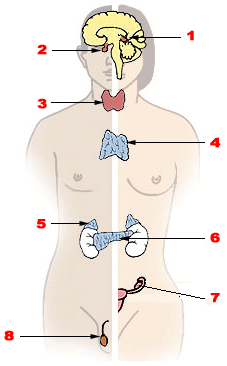
The endocrine system is a complex network of glands and organs that produce and regulate hormones in the body. The pituitary gland, thyroid gland, adrenal glands, and pancreas are some of the key glands that make up the endocrine system. Each gland plays a unique role in regulating various bodily functions, such as growth and development, metabolism, and reproductive processes. For example, the thyroid gland produces hormones that regulate metabolism, while the adrenal glands produce hormones that help the body respond to stress. Understanding how the endocrine system works is crucial in diagnosing and treating endocrine disorders, such as hypothyroidism and hyperthyroidism. The National Institutes of Health provides valuable resources and information on the endocrine system and its functions.
🚨 Symptoms and Diagnosis of Endocrine Disorders
The symptoms of endocrine disorders can vary widely depending on the specific disease and the gland or organ affected. Some common symptoms include fatigue, weight gain, hair loss, and mood changes. Diagnosis of endocrine disorders typically involves a combination of physical examination, medical history, and laboratory tests, such as blood tests and imaging studies. For instance, blood tests can help diagnose diabetes and thyroid disease, while imaging studies can help diagnose adrenal gland disorders. The American Association of Clinical Endocrinologists provides guidelines and resources for healthcare professionals to diagnose and treat endocrine disorders. Early diagnosis and treatment are essential to prevent long-term complications and improve quality of life for individuals with endocrine disorders, such as osteoporosis and heart disease.
👥 The Branch of Endocrinology: A Medical Specialty
The branch of medicine associated with endocrine disorders is known as endocrinology. Endocrinologists are medical specialists who diagnose, treat, and manage endocrine disorders. They use a range of treatments, including medications, hormone replacement therapy, and surgery, to help patients manage their condition. For example, hormone replacement therapy can help treat hypothyroidism and adrenal insufficiency. The Endocrine Society is a professional organization that provides education, research, and advocacy for endocrinologists and patients with endocrine disorders. Endocrinologists work closely with other healthcare professionals, such as primary care physicians and specialists, to provide comprehensive care for patients with endocrine disorders, such as diabetes and thyroid disease.
📊 Prevalence and Statistics of Endocrine Disorders
Endocrine disorders are a significant public health concern, with millions of people worldwide affected by these diseases. According to the World Health Organization, the prevalence of endocrine disorders is increasing due to factors such as an aging population, lifestyle changes, and environmental factors. For instance, the prevalence of diabetes has increased significantly over the past few decades, and thyroid disease is also becoming more common. The Centers for Disease Control and Prevention provides statistics and resources on the prevalence of endocrine disorders in the United States. Understanding the prevalence and statistics of endocrine disorders is essential to develop effective prevention and treatment strategies, such as lifestyle changes and early detection.
🔬 Causes and Risk Factors of Endocrine Diseases
The causes and risk factors of endocrine disorders are complex and multifactorial. Genetic factors, lifestyle changes, and environmental factors can all contribute to the development of endocrine diseases. For example, family history can increase the risk of developing diabetes and thyroid disease. The National Institutes of Health provides information on the causes and risk factors of endocrine disorders. Other risk factors include obesity, physical inactivity, and stress. Understanding the causes and risk factors of endocrine disorders is essential to develop effective prevention and treatment strategies, such as lifestyle changes and early detection. The American Diabetes Association provides resources and guidelines for preventing and managing diabetes.
💊 Treatment and Management of Endocrine Disorders
Treatment and management of endocrine disorders depend on the specific disease and the gland or organ affected. Medications, hormone replacement therapy, and surgery are some of the common treatment options available. For instance, medications can help manage diabetes and thyroid disease, while hormone replacement therapy can help treat hypothyroidism and adrenal insufficiency. The Endocrine Society provides guidelines and resources for healthcare professionals to diagnose and treat endocrine disorders. Lifestyle changes, such as a healthy diet and regular exercise, can also help manage endocrine disorders and prevent long-term complications. The Academy of Nutrition and Dietetics provides resources and guidelines for healthy eating and nutrition. Early diagnosis and treatment are essential to prevent long-term complications and improve quality of life for individuals with endocrine disorders.
🔍 Current Research and Future Directions in Endocrinology
Current research and future directions in endocrinology are focused on developing new treatments and therapies for endocrine disorders. For example, stem cell research holds promise for the treatment of diabetes and other endocrine disorders. The National Institutes of Health provides funding and resources for research on endocrine disorders. Other areas of research include the development of new medications and therapies, such as gene therapy and immunotherapy. The Endocrine Society provides updates and resources on the latest research and developments in endocrinology. Understanding the latest research and developments in endocrinology is essential to improve diagnosis, treatment, and management of endocrine disorders, such as thyroid disease and adrenal gland disorders.
🤝 Living with Endocrine Disorders: Patient Support and Resources
Living with endocrine disorders can be challenging, but there are many resources available to support patients and their families. The Endocrine Society provides patient education and resources, including online support groups and educational materials. The American Diabetes Association and the Thyroid Foundation of Canada are other organizations that provide patient support and resources. For instance, support groups can help patients connect with others who have similar experiences and challenges. Additionally, patient education can help patients understand their condition and manage their symptoms effectively. Healthcare professionals, such as endocrinologists and primary care physicians, can also provide guidance and support to patients with endocrine disorders, such as diabetes and thyroid disease.
🌎 Global Impact of Endocrine Disorders: A Public Health Perspective
The global impact of endocrine disorders is significant, with millions of people worldwide affected by these diseases. The World Health Organization recognizes endocrine disorders as a major public health concern, and efforts are being made to develop global strategies for prevention and treatment. For example, the Global Diabetes Program aims to reduce the burden of diabetes worldwide. The Endocrine Society and other professional organizations are working to raise awareness and promote education about endocrine disorders, such as thyroid disease and adrenal gland disorders. Understanding the global impact of endocrine disorders is essential to develop effective prevention and treatment strategies, such as lifestyle changes and early detection.
Key Facts
- Year
- 2022
- Origin
- Ancient Greece, with the first recorded description of an endocrine disorder by Galen in 129-216 AD
- Category
- Health and Medicine
- Type
- Medical Condition
Frequently Asked Questions
What is the most common endocrine disorder?
The most common endocrine disorder is diabetes, which affects millions of people worldwide. Thyroid disease is another common endocrine disorder that affects the thyroid gland. The Endocrine Society provides information and resources on the diagnosis, treatment, and management of endocrine disorders, including diabetes and thyroid disease.
What are the symptoms of endocrine disorders?
The symptoms of endocrine disorders can vary widely depending on the specific disease and the gland or organ affected. Common symptoms include fatigue, weight gain, hair loss, and mood changes. The National Institutes of Health provides information on the symptoms and diagnosis of endocrine disorders, including diabetes and thyroid disease.
How are endocrine disorders diagnosed?
Diagnosis of endocrine disorders typically involves a combination of physical examination, medical history, and laboratory tests, such as blood tests and imaging studies. The Endocrine Society provides guidelines and resources for healthcare professionals to diagnose and treat endocrine disorders, including diabetes and thyroid disease.
What are the treatment options for endocrine disorders?
Treatment and management of endocrine disorders depend on the specific disease and the gland or organ affected. Medications, hormone replacement therapy, and surgery are some of the common treatment options available. The Endocrine Society provides guidelines and resources for healthcare professionals to diagnose and treat endocrine disorders, including diabetes and thyroid disease.
Can endocrine disorders be prevented?
While some endocrine disorders cannot be prevented, lifestyle changes, such as a healthy diet and regular exercise, can help reduce the risk of developing certain endocrine disorders, such as diabetes and thyroid disease. The American Diabetes Association provides resources and guidelines for preventing and managing diabetes.
What is the prognosis for endocrine disorders?
The prognosis for endocrine disorders varies depending on the specific disease and the effectiveness of treatment. With proper diagnosis, treatment, and management, many people with endocrine disorders can lead active and healthy lives. The Endocrine Society provides information and resources on the prognosis and management of endocrine disorders, including diabetes and thyroid disease.
Are endocrine disorders genetic?
Some endocrine disorders, such as diabetes and thyroid disease, can have a genetic component. However, lifestyle and environmental factors can also play a role in the development of endocrine disorders. The National Institutes of Health provides information on the genetic and environmental factors that contribute to endocrine disorders.