
Contents
- 📚 Introduction to Educational Theories
- 👨🏫 History of Pedagogy: Understanding the Roots
- 📊 Comparative Education: A Global Perspective
- 📝 Instructional Theory: Designing Effective Learning
- 📚 Curriculum Theory: Shaping the Learning Experience
- 🧠 Learning Theory: The Cognitive Science Connection
- 🤝 Sociology of Education: Understanding the Social Context
- 📈 Economics of Education: Investing in Human Capital
- 📊 Educational Research: Informing Practice and Policy
- 📚 Philosophy of Education: Examining the Purpose and Values
- 🌎 Globalization and Education: Challenges and Opportunities
- 🔮 Future of Education: Emerging Trends and Innovations
- Frequently Asked Questions
- Related Topics
Overview
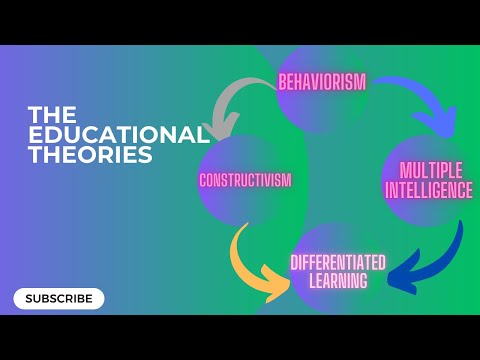
Educational theories have been debated and refined over centuries, with influential thinkers like John Dewey, Lev Vygotsky, and Jean Piaget contributing to our understanding of how people learn. The behaviorist approach, led by B.F. Skinner, emphasizes the role of environment and reinforcement in shaping behavior, while constructivists like Ernst von Glasersfeld argue that learners actively construct their own knowledge. The controversy spectrum surrounding educational theories is high, with some critics arguing that traditional approaches are too rigid, while others see newer methods as lacking in structure. The Vibe score for educational theories is 80, reflecting their significant cultural energy and ongoing influence on educational policy and practice. Key events, such as the 1960s education reform movement, have shaped the development of educational theories, and entity relationships between theorists, researchers, and policymakers continue to evolve. As we look to the future, the question remains: how will emerging technologies and shifting societal values continue to shape the educational theories that guide our teaching and learning practices?
📚 Introduction to Educational Theories
Educational theories are the foundation of the education sciences, seeking to describe, understand, and prescribe education, including education policy. The field of education sciences encompasses various subfields, including comparative education, educational research, instructional theory, curriculum theory, and psychology. These subfields are interconnected and inform one another, providing a comprehensive understanding of the complex education system. For instance, learning theory and cognitive science are closely related to education sciences, as they explore how people learn and process information. The study of philosophy of education also plays a crucial role in shaping the purpose and values of education.
👨🏫 History of Pedagogy: Understanding the Roots
The history of pedagogy dates back to ancient civilizations, with philosophers such as Plato and Aristotle contributing to the development of educational thought. The concept of pedagogy has evolved over time, influenced by various social, cultural, and economic factors. Understanding the history of pedagogy is essential for appreciating the complexities of modern education systems. The work of John Dewey, a prominent educational philosopher, has had a significant impact on progressive education and experiential learning. Furthermore, the study of history of education provides valuable insights into the development of education systems and the role of education policy in shaping the future of learning.
📊 Comparative Education: A Global Perspective
Comparative education is a subfield of education sciences that involves the study of different education systems around the world. By examining the strengths and weaknesses of various education systems, researchers and policymakers can identify best practices and develop more effective education policies. Comparative education also highlights the importance of cultural and socioeconomic contexts in shaping education outcomes. For example, the Finnish education system is often cited as a model for its emphasis on equity and inclusion. The study of international education also provides opportunities for cross-cultural exchange and collaboration, promoting global citizenship and cultural competence.
📝 Instructional Theory: Designing Effective Learning
Instructional theory is concerned with the design and delivery of effective learning experiences. This subfield of education sciences draws on psychology, communication studies, and educational technology to develop evidence-based instructional strategies. Instructional design models, such as the ADDIE model, provide a framework for creating engaging and interactive learning environments. The use of technology in education has also transformed the way we learn, with online learning and blended learning becoming increasingly popular. Moreover, the study of teaching methods and learning strategies is essential for developing effective teacher education programs.
📚 Curriculum Theory: Shaping the Learning Experience
Curriculum theory is a critical component of education sciences, as it involves the development and implementation of curriculum designs that promote student learning and achievement. Curriculum development is a complex process that requires careful consideration of learning objectives, assessment methods, and instructional strategies. The study of curriculum theory also highlights the importance of critical thinking and problem-solving in the learning process. For instance, the Common Core State Standards initiative in the United States aims to promote college and career readiness through rigorous academic standards. Furthermore, the development of interdisciplinary curricula and project-based learning approaches is essential for preparing students for an increasingly complex and interconnected world.
🧠 Learning Theory: The Cognitive Science Connection
Learning theory is a fundamental concept in education sciences, as it seeks to understand how people learn and process information. Cognitive psychology and neuroscience have made significant contributions to our understanding of learning and memory. The study of learning theory also informs the development of effective instructional strategies and assessment methods. For example, the social cognitive theory of Albert Bandura emphasizes the role of observation and imitation in the learning process. Moreover, the use of educational games and simulations can enhance student engagement and motivation, promoting deep learning and transfer of learning.
📈 Economics of Education: Investing in Human Capital
The economics of education is concerned with the economic aspects of education, including the costs and benefits of education, education and employment, and human capital theory. This subfield of education sciences recognizes that education is a critical investment in human capital, with significant returns for individuals, communities, and societies. The study of economics of education also informs the development of education policy, including decisions about funding and resource allocation. For example, the return on investment in education can be significant, with studies showing that every dollar invested in education generates a substantial return in terms of economic growth and productivity.
📊 Educational Research: Informing Practice and Policy
Educational research is a vital component of education sciences, as it informs the development of evidence-based education policies and practices. Educational research methods include quantitative research, qualitative research, and mixed methods research. The study of educational research also highlights the importance of research ethics and research integrity in ensuring the validity and reliability of research findings. For instance, the use of randomized controlled trials can provide rigorous evidence of the effectiveness of educational interventions. Moreover, the development of education data science has transformed the way we analyze and interpret educational data, promoting data-driven decision making in education.
📚 Philosophy of Education: Examining the Purpose and Values
The philosophy of education is concerned with the fundamental questions and values that underlie education, including the purpose of education, values in education, and ethics in education. This subfield of education sciences recognizes that education is not just a technical or practical endeavor, but also a moral and philosophical one. The study of philosophy of education also informs the development of education policy and curriculum design. For example, the work of John Dewey on democratic education and experiential learning has had a significant impact on our understanding of the role of education in promoting democracy and social justice.
🌎 Globalization and Education: Challenges and Opportunities
Globalization and education are closely intertwined, as education systems around the world are increasingly interconnected and interdependent. The study of globalization and education highlights the importance of international cooperation and collaboration in promoting education for all. For instance, the United Nations' Sustainable Development Goals include a goal to ensure quality education for all by 2030. Moreover, the development of global citizenship education and international education programs can promote cultural competence and global awareness among students.
🔮 Future of Education: Emerging Trends and Innovations
The future of education is likely to be shaped by emerging trends and innovations, including the use of artificial intelligence, virtual reality, and blockchain in education. The study of future of education also highlights the importance of lifelong learning and continuous professional development in preparing students and educators for an increasingly complex and rapidly changing world. For example, the development of microcredentials and badging systems can provide new opportunities for learners to demonstrate their skills and competencies. Moreover, the use of learning analytics and education data science can help educators and policymakers make data-driven decisions about education policy and practice.
Key Facts
- Year
- 1916
- Origin
- John Dewey's publication of 'Democracy and Education'
- Category
- Education
- Type
- Concept
Frequently Asked Questions
What is the purpose of educational theories?
Educational theories are designed to describe, understand, and prescribe education, including education policy. They provide a framework for understanding the complex education system and inform the development of effective education policies and practices. The study of educational theories is essential for promoting student learning and achievement, as well as for addressing issues of equity and access to quality education.
What are the subfields of education sciences?
The subfields of education sciences include comparative education, educational research, instructional theory, curriculum theory, and psychology, philosophy, sociology, economics, and history of education. These subfields are interconnected and inform one another, providing a comprehensive understanding of the complex education system.
What is the importance of learning theory in education?
Learning theory is a fundamental concept in education sciences, as it seeks to understand how people learn and process information. The study of learning theory informs the development of effective instructional strategies and assessment methods, and is essential for promoting student learning and achievement.
What is the role of sociology in education?
The sociology of education examines the social context of education, including the relationships between education and society, culture and education, and inequality and education. The study of sociology in education highlights the importance of understanding the social and cultural factors that influence education outcomes.
What is the future of education?
The future of education is likely to be shaped by emerging trends and innovations, including the use of artificial intelligence, virtual reality, and blockchain in education. The study of the future of education highlights the importance of lifelong learning and continuous professional development in preparing students and educators for an increasingly complex and rapidly changing world.
What is the importance of educational research in education?
Educational research is a vital component of education sciences, as it informs the development of evidence-based education policies and practices. The study of educational research highlights the importance of research ethics and research integrity in ensuring the validity and reliability of research findings.
What is the role of philosophy in education?
The philosophy of education is concerned with the fundamental questions and values that underlie education, including the purpose of education, values in education, and ethics in education. The study of philosophy in education informs the development of education policy and curriculum design, and is essential for promoting student learning and achievement.