
Contents
- 📚 Introduction to Education and Literacy
- 📖 The History of Education: From Ancient Civilizations to Modern Times
- 📊 The Impact of Industrialization on Education
- 📈 The Rise of Literacy Rates: A Global Perspective
- 📚 The Role of Technology in Education: Opportunities and Challenges
- 📝 The Importance of Literacy in the Digital Age
- 📚 Education and Socio-Economic Development: The Interconnectedness of [[socio-economic_development|Socio-Economic Development]] and [[education_policy|Education Policy]]
- 📊 Contemporary Issues in Education: [[inequality_in_education|Inequality in Education]] and [[access_to_education|Access to Education]]
- 📈 The Future of Education: Trends, Challenges, and Opportunities
- 📚 Conclusion: The Evolution of Education and Literacy in the 21st Century
- Frequently Asked Questions
- Related Topics
Overview
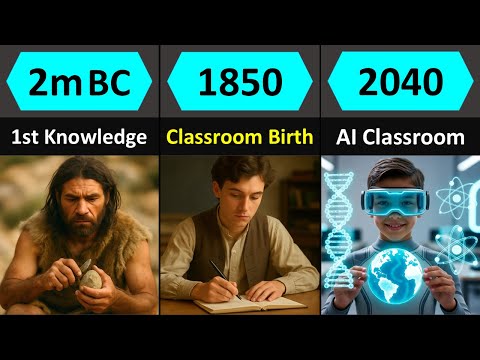
Education and literacy have undergone significant transformations throughout history, from the development of written languages in ancient Mesopotamia around 3500 BCE to the modern-day digital learning platforms. The introduction of compulsory education in countries like the United States in 1918 and the Soviet Union in 1930 marked a major turning point, increasing literacy rates worldwide. However, despite these advancements, approximately 773 million adults worldwide still lack basic literacy skills, according to UNESCO's 2020 data. The impact of technology on education has been profound, with online learning platforms like Coursera, founded in 2012, and edX, founded in 2012, making high-quality educational content accessible to millions. Nevertheless, concerns about the digital divide, equity, and the role of artificial intelligence in education continue to spark debates. As we move forward, it's essential to address these challenges and ensure that education and literacy are accessible to all, regardless of geographical location or socioeconomic background, to create a more informed and equitable society.
📚 Introduction to Education and Literacy
The evolution of education and literacy has been a long and winding road, marked by significant milestones and challenges. From the early days of Ancient Civilizations to the present, education has played a crucial role in shaping Human Civilization. The concept of literacy, in particular, has undergone significant transformations, with the advent of Writing Systems and the spread of Mass Education. Today, education and literacy are recognized as fundamental Human Rights, essential for the development of individuals, communities, and societies. As we explore the history and development of education and literacy, we must also consider the impact of Globalization and Technological Advancements on these critical aspects of human society.
📖 The History of Education: From Ancient Civilizations to Modern Times
The history of education dates back to ancient times, with evidence of formal learning institutions in Ancient Mesopotamia, Ancient Egypt, and Ancient Greece. These early civilizations recognized the importance of education in perpetuating their cultures, traditions, and values. The development of Writing Systems and the spread of Literacy enabled the recording of knowledge, stories, and histories, which in turn facilitated the transmission of cultural heritage from one generation to the next. As civilizations rose and fell, education continued to evolve, with the Medieval University system emerging in Europe during the Middle Ages. This period saw the establishment of institutions like the University of Oxford and the University of Cambridge, which would go on to shape the course of Higher Education for centuries to come.
📊 The Impact of Industrialization on Education
The Industrial Revolution marked a significant turning point in the history of education, as Mass Production and Urbanization created new demands for skilled workers. In response, governments and industries invested in the development of Vocational Training programs, which focused on preparing students for the workforce. This shift towards Practical Education was accompanied by an increase in Literacy Rates, as workers needed to be able to read and write to perform their jobs effectively. The introduction of Compulsory Education laws in many countries further expanded access to education, particularly for Disadvantaged Groups. However, this period also saw the emergence of Education Inequality, as those with access to quality education and resources were better equipped to succeed in the changing economy.
📈 The Rise of Literacy Rates: A Global Perspective
The 20th century saw a significant increase in Literacy Rates worldwide, with the United Nations playing a crucial role in promoting Education for All. The introduction of Universal Primary Education and the expansion of Secondary Education helped to reduce Illiteracy Rates and increase access to education for Marginalized Communities. However, despite these gains, significant challenges persist, including Inequality in Education and Limited Access to Education in many parts of the world. The Sustainable Development Goals (SDGs) have set ambitious targets for improving education and literacy, including the achievement of Quality Education for all by 2030.
📚 The Role of Technology in Education: Opportunities and Challenges
The role of Technology in Education has been a subject of much debate in recent years, with some arguing that it has the potential to Transform Education and others warning of its potential to Widen Education Inequality. The rise of Online Learning and Distance Education has expanded access to education for many, particularly in Rural Areas and Developing Countries. However, the Digital Divide remains a significant challenge, with many communities lacking access to the Internet and other digital technologies. As we move forward, it is essential to consider the potential of Artificial Intelligence and other Emerging Technologies to enhance education and literacy, while also addressing the risks and challenges associated with their adoption.
📝 The Importance of Literacy in the Digital Age
The importance of Literacy in the Digital Age cannot be overstated, as individuals need to be able to navigate the Digital Landscape to fully participate in modern society. This requires not only Basic Literacy skills but also the ability to critically evaluate Online Information and use Digital Tools effectively. The concept of Digital Literacy has emerged as a key aspect of 21st Century Skills, with many educators and policymakers recognizing the need to integrate Digital Education into school curricula. As we consider the future of education and literacy, it is essential to prioritize the development of Digital Literacy Programs that can help individuals of all ages acquire the skills they need to succeed in the digital economy.
📚 Education and Socio-Economic Development: The Interconnectedness of [[socio-economic_development|Socio-Economic Development]] and [[education_policy|Education Policy]]
The relationship between Education and Socio-Economic Development is complex and multifaceted, with education playing a critical role in shaping Economic Outcomes and Social Mobility. The Human Capital Theory suggests that investment in education can lead to significant returns in terms of Economic Growth and Productivity. However, the impact of education on socio-economic development is also influenced by a range of other factors, including Poverty, Inequality, and Access to Resources. As we consider the role of education in promoting socio-economic development, it is essential to recognize the importance of Contextualizing Education and addressing the specific needs and challenges of different communities.
📊 Contemporary Issues in Education: [[inequality_in_education|Inequality in Education]] and [[access_to_education|Access to Education]]
Contemporary issues in education include Inequality in Education and Access to Education, which remain significant challenges in many parts of the world. The Education Inequality gap is particularly pronounced in Developing Countries, where Limited Access to Education and Poor Quality Education can perpetuate cycles of Poverty and Inequality. The Sustainable Development Goals (SDGs) have set ambitious targets for reducing Education Inequality and improving Access to Education, but achieving these goals will require sustained efforts and investments from governments, international organizations, and civil society.
📈 The Future of Education: Trends, Challenges, and Opportunities
As we look to the future of education, it is essential to consider the trends, challenges, and opportunities that will shape the sector in the years to come. The rise of Emerging Technologies such as Artificial Intelligence and Blockchain is likely to have a significant impact on education, with the potential to Transform Education and improve Learning Outcomes. However, the adoption of these technologies also raises important questions about Education Inequality and Access to Education, as well as the need for Digital Literacy and Critical Thinking skills. As we move forward, it is essential to prioritize the development of Future-Ready Education systems that can equip individuals with the skills and knowledge they need to succeed in an increasingly complex and interconnected world.
📚 Conclusion: The Evolution of Education and Literacy in the 21st Century
In conclusion, the evolution of education and literacy has been a long and complex process, marked by significant milestones and challenges. As we look to the future, it is essential to recognize the importance of Education and Literacy in shaping Human Civilization and promoting Socio-Economic Development. The Sustainable Development Goals (SDGs) provide a framework for achieving Quality Education for all, but realizing this vision will require sustained efforts and investments from governments, international organizations, and civil society. As we move forward, it is essential to prioritize the development of Future-Ready Education systems that can equip individuals with the skills and knowledge they need to succeed in an increasingly complex and interconnected world.
Key Facts
- Year
- 2020
- Origin
- Ancient Mesopotamia, circa 3500 BCE
- Category
- Social Sciences
- Type
- Concept
Frequently Asked Questions
What is the history of education?
The history of education dates back to ancient times, with evidence of formal learning institutions in Ancient Mesopotamia, Ancient Egypt, and Ancient Greece. The development of Writing Systems and the spread of Literacy enabled the recording of knowledge, stories, and histories, which in turn facilitated the transmission of cultural heritage from one generation to the next. As civilizations rose and fell, education continued to evolve, with the Medieval University system emerging in Europe during the Middle Ages.
What is the impact of technology on education?
The role of Technology in Education has been a subject of much debate in recent years, with some arguing that it has the potential to Transform Education and others warning of its potential to Widen Education Inequality. The rise of Online Learning and Distance Education has expanded access to education for many, particularly in Rural Areas and Developing Countries. However, the Digital Divide remains a significant challenge, with many communities lacking access to the Internet and other digital technologies.
What is the importance of literacy in the digital age?
The importance of Literacy in the Digital Age cannot be overstated, as individuals need to be able to navigate the Digital Landscape to fully participate in modern society. This requires not only Basic Literacy skills but also the ability to critically evaluate Online Information and use Digital Tools effectively. The concept of Digital Literacy has emerged as a key aspect of 21st Century Skills, with many educators and policymakers recognizing the need to integrate Digital Education into school curricula.
What is the relationship between education and socio-economic development?
The relationship between Education and Socio-Economic Development is complex and multifaceted, with education playing a critical role in shaping Economic Outcomes and Social Mobility. The Human Capital Theory suggests that investment in education can lead to significant returns in terms of Economic Growth and Productivity. However, the impact of education on socio-economic development is also influenced by a range of other factors, including Poverty, Inequality, and Access to Resources.
What are the contemporary issues in education?
Contemporary issues in education include Inequality in Education and Access to Education, which remain significant challenges in many parts of the world. The Education Inequality gap is particularly pronounced in Developing Countries, where Limited Access to Education and Poor Quality Education can perpetuate cycles of Poverty and Inequality. The Sustainable Development Goals (SDGs) have set ambitious targets for reducing Education Inequality and improving Access to Education, but achieving these goals will require sustained efforts and investments from governments, international organizations, and civil society.