
Contents
- 🌎 Introduction to Energy Production
- ⚡️ Types of Energy Sources
- 📊 Energy Production Statistics
- 👥 Key Players in Energy Production
- 🌍 Environmental and Health Impacts
- ⚡️ Current Trends and Future Outlook
- 🤔 Controversies and Debates
- 🔮 Innovative Solutions and Technologies
- 💡 Energy Efficiency and Conservation
- 📚 Related Topics and Further Reading
- Frequently Asked Questions
- References
- Related Topics
Overview
Energy production is the process of extracting, converting, and distributing energy from various natural resources, including fossil fuels, nuclear, and renewable sources. The field of energy development encompasses a wide range of activities, from exploration and extraction to processing and distribution. As the world's population continues to grow, the demand for energy is increasing, driving the need for more efficient, sustainable, and environmentally friendly energy production methods. According to the International Energy Agency (IEA), the global energy demand is projected to increase by 30% by 2040, with renewable energy sources accounting for 60% of the growth. The energy production sector is a critical component of modern society, powering everything from homes and industries to transportation and communication systems. However, the extraction, production, and consumption of energy also have significant environmental and health impacts, including air and water pollution, greenhouse gas emissions, and climate change. As such, energy production is a highly debated and contested topic, with many advocating for a transition to cleaner, more sustainable energy sources, such as solar and wind power, to mitigate these negative impacts.
🌎 Introduction to Energy Production
The history of energy production dates back to the early 19th century, when the first commercial oil wells were drilled in the United States. Since then, the energy landscape has evolved significantly, with the discovery of new energy sources, the development of new technologies, and the growth of global energy demand. Today, energy production is a complex and multifaceted industry, involving a wide range of stakeholders, from governments and corporations to non-profit organizations and individual consumers. As noted by the World Energy Council, the energy sector is a critical component of modern society, powering everything from homes and industries to transportation and communication systems.
⚡️ Types of Energy Sources
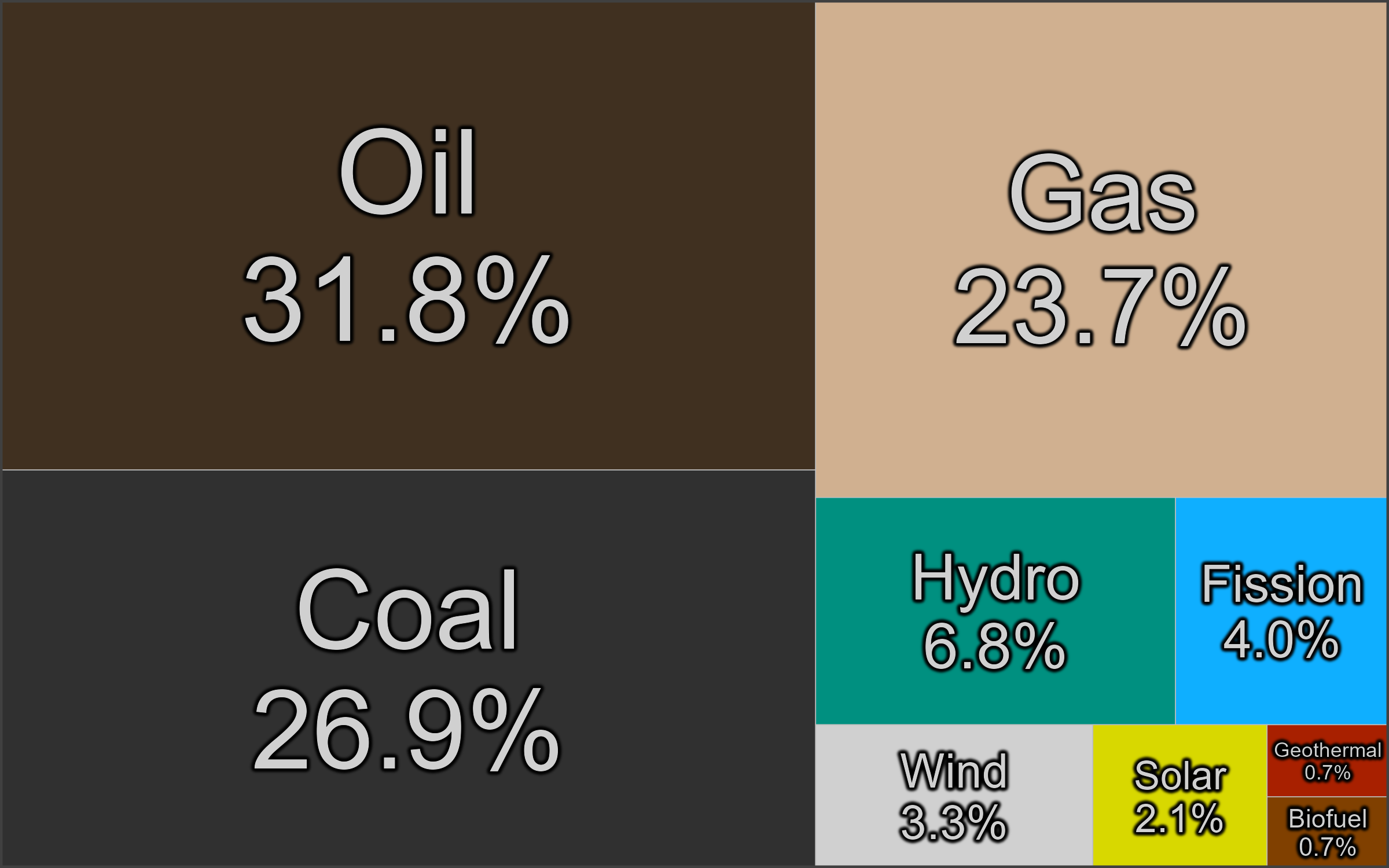
There are several types of energy sources, including fossil fuels, nuclear, and renewable energy sources. Fossil fuels, such as coal, oil, and natural gas, are non-renewable resources that are finite and contribute to greenhouse gas emissions and climate change. Nuclear energy, on the other hand, is a low-carbon energy source that can provide baseload power, but it also poses significant safety and waste management risks. Renewable energy sources, such as solar, wind, and hydroelectric power, are becoming increasingly cost-competitive with fossil fuels and offer a cleaner, more sustainable alternative. According to the National Renewable Energy Laboratory, the cost of solar energy has fallen by over 70% in the last decade, making it more competitive with fossil fuels.
📊 Energy Production Statistics
The energy production sector is a significant contributor to greenhouse gas emissions and climate change. According to the International Energy Agency, the energy sector accounts for approximately 65% of global greenhouse gas emissions. The extraction, production, and consumption of energy also have significant environmental and health impacts, including air and water pollution, land degradation, and human rights abuses. As such, there is a growing need for more sustainable and environmentally friendly energy production methods, such as renewable energy sources and energy efficiency measures. The United Nations has set a goal of reducing greenhouse gas emissions by 45% by 2030, and achieving net-zero emissions by 2050.
👥 Key Players in Energy Production
The energy production sector is dominated by a few large players, including ExxonMobil, Royal Dutch Shell, and Chevron. However, there are also many smaller, independent energy producers, as well as non-profit organizations and community-based initiatives, that are working to promote sustainable energy production and reduce greenhouse gas emissions. The Sierra Club and the World Wildlife Fund are two examples of organizations that are working to promote sustainable energy production and reduce the environmental impacts of energy development.
🌍 Environmental and Health Impacts
The environmental and health impacts of energy production are significant and far-reaching. The extraction, production, and consumption of energy can result in air and water pollution, land degradation, and human rights abuses. Climate change, which is driven in part by greenhouse gas emissions from energy production, is also having significant impacts on ecosystems and human health. According to the World Health Organization, climate change is responsible for approximately 150,000 deaths per year, and is projected to increase to 250,000 deaths per year by 2030.
⚡️ Current Trends and Future Outlook
The energy production sector is undergoing a significant transformation, driven by advances in technology, changes in government policies, and shifting consumer preferences. Renewable energy sources, such as solar and wind power, are becoming increasingly cost-competitive with fossil fuels, and are expected to play a major role in the energy mix of the future. Energy storage technologies, such as batteries, are also becoming more efficient and cost-effective, enabling greater use of intermittent renewable energy sources. The Tesla company is a leader in the development of energy storage technologies, and has played a significant role in promoting the adoption of renewable energy sources.
🤔 Controversies and Debates
There are many controversies and debates surrounding energy production, including the role of fossil fuels, the safety of nuclear energy, and the impact of renewable energy sources on the environment. Some argue that fossil fuels are necessary to meet global energy demand, while others argue that they are a major contributor to greenhouse gas emissions and climate change. The fossil fuel industry has been criticized for its role in promoting climate change, and for its efforts to undermine the development of renewable energy sources.
🔮 Innovative Solutions and Technologies
Innovative solutions and technologies are being developed to address the challenges of energy production, including advanced renewable energy technologies, energy storage systems, and smart grid technologies. These solutions have the potential to reduce greenhouse gas emissions, improve energy efficiency, and promote sustainable energy production. The Google company has invested heavily in the development of renewable energy technologies, and has set a goal of powering 100% of its operations with renewable energy.
💡 Energy Efficiency and Conservation
Energy efficiency and conservation are critical components of a sustainable energy system. By reducing energy consumption and improving energy efficiency, we can reduce the demand for energy production, lower greenhouse gas emissions, and promote sustainable development. The Energy Star program is a voluntary labeling program that helps consumers identify energy-efficient products, and has been shown to be effective in reducing energy consumption and promoting sustainable development.
Key Facts
- Year
- 2020
- Origin
- Global
- Category
- public-health
- Type
- concept
Frequently Asked Questions
What is energy production?
Energy production is the process of extracting, converting, and distributing energy from various natural resources, including fossil fuels, nuclear, and renewable sources.
What are the different types of energy sources?
There are several types of energy sources, including fossil fuels, nuclear, and renewable energy sources. Fossil fuels include coal, oil, and natural gas, while renewable energy sources include solar, wind, and hydroelectric power.
What are the environmental and health impacts of energy production?
The extraction, production, and consumption of energy can result in air and water pollution, land degradation, and human rights abuses. Climate change, which is driven in part by greenhouse gas emissions from energy production, is also having significant impacts on ecosystems and human health.
What is the current trend in energy production?
The energy production sector is undergoing a significant transformation, driven by advances in technology, changes in government policies, and shifting consumer preferences. Renewable energy sources, such as solar and wind power, are becoming increasingly cost-competitive with fossil fuels, and are expected to play a major role in the energy mix of the future.
What are some innovative solutions and technologies being developed to address the challenges of energy production?
Innovative solutions and technologies are being developed to address the challenges of energy production, including advanced renewable energy technologies, energy storage systems, and smart grid technologies. These solutions have the potential to reduce greenhouse gas emissions, improve energy efficiency, and promote sustainable energy production.
What is the role of energy efficiency and conservation in a sustainable energy system?
Energy efficiency and conservation are critical components of a sustainable energy system. By reducing energy consumption and improving energy efficiency, we can reduce the demand for energy production, lower greenhouse gas emissions, and promote sustainable development.
What are some related topics and further reading materials available on energy production?
There are many related topics and further reading materials available on energy production, including books, articles, and online courses. Some recommended resources include the Energy Information Administration, the National Renewable Energy Laboratory, and the World Energy Council.