
Contents
- 🌾 Introduction to Crop Production
- 🌻 History of Agriculture: A Story of Domestication
- 🚀 Innovations in Crop Production: Technology and Beyond
- 🌪️ Challenges in Modern Crop Production: Climate Change and Sustainability
- 🌱 The Rise of Precision Agriculture: Data-Driven Farming
- 🌿 Vertical Farming and Urban Agriculture: The Future of Crop Production
- 🌻 Genetic Engineering and Crop Improvement: A Controversial Topic
- 🌟 The Role of Artificial Intelligence in Crop Production: Automation and Optimization
- 🌎 Global Food Security and the Future of Crop Production: A Growing Concern
- 🌟 The Impact of Biotechnology on Crop Production: A New Era for Farmers
- 🌱 Organic Farming and Sustainable Agriculture: A Growing Trend
- 🌈 Conclusion: The Future of Crop Production is Complex and Multifaceted
- Frequently Asked Questions
- Related Topics
Overview
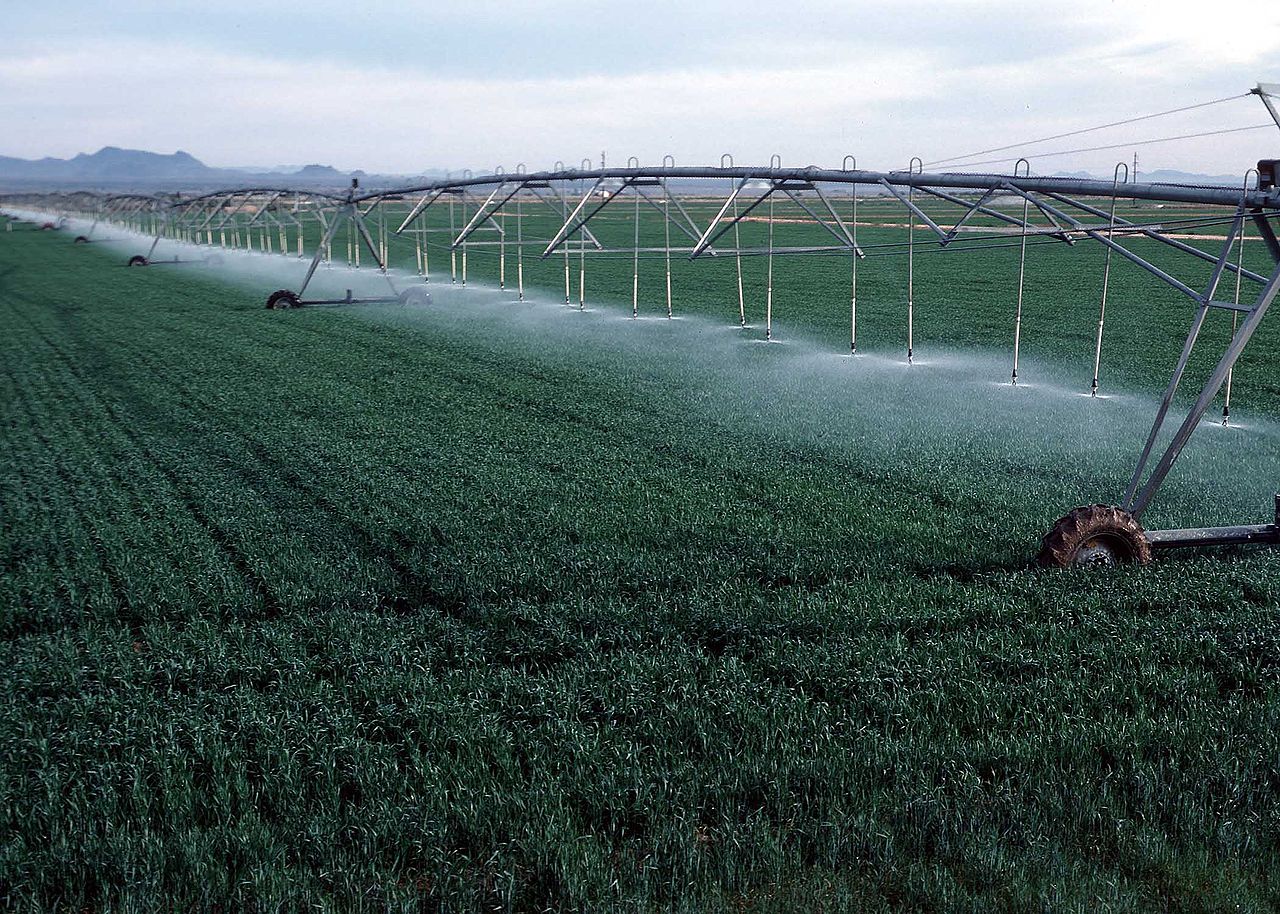
Crop production is a critical component of global food systems, with the world's population projected to reach 9.7 billion by 2050. The industry is undergoing a significant transformation, driven by advances in precision agriculture, vertical farming, and genetically modified crops. However, challenges such as climate change, water scarcity, and soil degradation threaten the long-term sustainability of crop production. According to the Food and Agriculture Organization (FAO), the global crop production value reached $2.4 trillion in 2020, with the top five crop-producing countries being China, the United States, India, Brazil, and Russia. As the global demand for food continues to rise, innovators like John Deere, Monsanto, and Indigo Agriculture are developing new technologies to increase crop yields, reduce waste, and promote sustainable farming practices. With a vibe score of 8, the future of crop production is poised to be shaped by technological advancements, shifting consumer preferences, and evolving environmental concerns.
🌾 Introduction to Crop Production
The practice of cultivating the soil, planting, raising, and harvesting crops has been a cornerstone of human civilization for thousands of years. Agriculture is a broad term that encompasses not only crop production but also livestock production, forestry, and aquaculture. The history of agriculture is a long and complex one, with evidence of grain gathering dating back at least 105,000 years. However, it wasn't until around 11,500 years ago that nascent farmers began planting grains, marking the beginning of a new era in human history. Crop domestication and animal domestication were key factors in the rise of sedentary human civilization, enabling people to live in cities and develop more complex societies.
🌻 History of Agriculture: A Story of Domestication
The history of agriculture is a rich and varied one, with multiple regions around the world developing their own unique agricultural practices. Plant domestication occurred independently in at least 11 regions, including the Fertile Crescent, the Indus Valley, and Mesoamerica. The domestication of sheep, goats, pigs, and cattle around 10,000 years ago marked a significant turning point in human history, enabling the development of more complex societies and the rise of cities. Agricultural history is a fascinating topic that continues to be studied by scholars and researchers around the world.
🚀 Innovations in Crop Production: Technology and Beyond
In recent years, innovations in crop production have been driven by advances in technology and changes in consumer demand. Precision agriculture uses advanced technology such as drones, satellite imaging, and artificial intelligence to optimize crop yields and reduce waste. Vertical farming and urban agriculture are also becoming increasingly popular, offering a sustainable and efficient way to produce fresh produce in urban areas. Biotechnology is another area that is being explored, with scientists using genetic engineering to develop crops that are more resistant to disease and pests.
🌪️ Challenges in Modern Crop Production: Climate Change and Sustainability
Despite these innovations, modern crop production is facing a number of significant challenges. Climate change is having a major impact on agricultural productivity, with rising temperatures and changing weather patterns affecting crop yields and quality. Sustainability is also a major concern, with the environmental impact of agricultural practices becoming increasingly important. Organic farming and sustainable agriculture are becoming increasingly popular, offering a more environmentally friendly alternative to traditional farming practices. Food security is also a major concern, with the global population projected to reach 9 billion by 2050.
🌱 The Rise of Precision Agriculture: Data-Driven Farming
The rise of precision agriculture is one of the most significant trends in modern crop production. This approach uses advanced technology such as drones, satellite imaging, and artificial intelligence to optimize crop yields and reduce waste. Data-driven farming is also becoming increasingly popular, with farmers using data analytics to make more informed decisions about planting, harvesting, and crop management. Farm-to-table movement is also gaining traction, with consumers increasingly interested in knowing where their food comes from and how it was produced.
🌿 Vertical Farming and Urban Agriculture: The Future of Crop Production
Vertical farming and urban agriculture are two of the most exciting innovations in modern crop production. These approaches offer a sustainable and efficient way to produce fresh produce in urban areas, using advanced technology such as hydroponics and aeroponics. Urban farming is also becoming increasingly popular, with cities around the world investing in initiatives to promote local food production and reduce their environmental impact. Community-supported agriculture is another approach that is gaining traction, with consumers paying a subscription fee to receive regular deliveries of fresh produce from local farms.
🌻 Genetic Engineering and Crop Improvement: A Controversial Topic
Genetic engineering is a highly controversial topic in the world of crop production. While some scientists argue that genetic engineering offers a powerful tool for improving crop yields and reducing the environmental impact of agriculture, others are concerned about the potential risks and unintended consequences. GM crops are already being grown in many parts of the world, but the debate about their safety and efficacy continues to rage. Biotechnology is a complex and multifaceted field that requires careful consideration and regulation.
🌟 The Role of Artificial Intelligence in Crop Production: Automation and Optimization
The role of artificial intelligence in crop production is becoming increasingly important. AI in agriculture is being used to optimize crop yields, reduce waste, and improve the efficiency of farming practices. Machine learning algorithms are being used to analyze data from sensors and drones, enabling farmers to make more informed decisions about planting, harvesting, and crop management. Automation is also becoming increasingly popular, with farmers using robots and other machines to automate tasks such as planting and harvesting.
🌎 Global Food Security and the Future of Crop Production: A Growing Concern
Global food security is a major concern, with the global population projected to reach 9 billion by 2050. Sustainable agriculture is critical to ensuring that we can feed the world's growing population while minimizing the environmental impact of agriculture. Climate change is also having a major impact on agricultural productivity, with rising temperatures and changing weather patterns affecting crop yields and quality. Agricultural productivity is critical to ensuring that we can meet the world's growing demand for food.
🌟 The Impact of Biotechnology on Crop Production: A New Era for Farmers
The impact of biotechnology on crop production is significant. Genetic engineering is being used to develop crops that are more resistant to disease and pests, reducing the need for pesticides and other chemicals. Biotech crops are already being grown in many parts of the world, but the debate about their safety and efficacy continues to rage. Regulatory frameworks are critical to ensuring that biotechnology is used safely and responsibly.
🌱 Organic Farming and Sustainable Agriculture: A Growing Trend
Organic farming and sustainable agriculture are becoming increasingly popular, offering a more environmentally friendly alternative to traditional farming practices. Organic certification is a rigorous process that ensures that farms meet strict standards for environmental sustainability and animal welfare. Regenerative agriculture is also gaining traction, with farmers using practices such as no-till farming and cover cropping to improve soil health and reduce erosion.
🌈 Conclusion: The Future of Crop Production is Complex and Multifaceted
In conclusion, the future of crop production is complex and multifaceted. Innovation and technology are driving changes in the way we produce food, but sustainability and environmental impact are critical considerations. Food security is a major concern, with the global population projected to reach 9 billion by 2050. Agricultural productivity is critical to ensuring that we can meet the world's growing demand for food.
Key Facts
- Year
- 2020
- Origin
- Vibepedia
- Category
- Agriculture
- Type
- Industry
Frequently Asked Questions
What is the history of agriculture?
The history of agriculture is a long and complex one, with evidence of grain gathering dating back at least 105,000 years. However, it wasn't until around 11,500 years ago that nascent farmers began planting grains, marking the beginning of a new era in human history. Crop domestication and animal domestication were key factors in the rise of sedentary human civilization, enabling people to live in cities and develop more complex societies.
What are the challenges facing modern crop production?
Modern crop production is facing a number of significant challenges, including climate change, sustainability, and food security. Agricultural productivity is critical to ensuring that we can meet the world's growing demand for food, but the environmental impact of agriculture is a major concern. Regulatory frameworks are critical to ensuring that agriculture is practiced in a safe and responsible manner.
What is precision agriculture?
Precision agriculture is an approach to farming that uses advanced technology such as drones, satellite imaging, and artificial intelligence to optimize crop yields and reduce waste. Data-driven farming is also becoming increasingly popular, with farmers using data analytics to make more informed decisions about planting, harvesting, and crop management.
What is vertical farming?
Vertical farming is a method of growing crops in vertically stacked layers, often in urban areas. This approach offers a sustainable and efficient way to produce fresh produce, using advanced technology such as hydroponics and aeroponics. Urban agriculture is also becoming increasingly popular, with cities around the world investing in initiatives to promote local food production and reduce their environmental impact.
What is the role of artificial intelligence in crop production?
The role of artificial intelligence in crop production is becoming increasingly important. AI in agriculture is being used to optimize crop yields, reduce waste, and improve the efficiency of farming practices. Machine learning algorithms are being used to analyze data from sensors and drones, enabling farmers to make more informed decisions about planting, harvesting, and crop management.