
Contents
- 🌊 Introduction to Cowry Shells
- 🐚 The Biology of Cowrie Snails
- 💰 Cowry Shells as Ancient Currency
- 🌴 Cultural Significance in Africa and Asia
- 🏰 The Role of Cowry Shells in Traditional Societies
- 📈 The Economics of Cowry Shell Trade
- 🌟 Cowry Shells in Modern Times
- 🌈 Conservation Efforts and Threats
- 📚 The Symbolism of Cowry Shells
- 🌐 Global Influence and Legacy
- 👥 Cowry Shells in Contemporary Culture
- 🕰️ The Future of Cowry Shells
- Frequently Asked Questions
- Related Topics
Overview
Cowry shells, with a history dating back over 4,000 years, have served as a form of currency, ritual object, and cultural symbol across various societies, including ancient China, Africa, and the Pacific Islands. The use of cowry shells as currency was widespread, with over 400 billion shells imported to West Africa between the 16th and 19th centuries. Today, cowry shells continue to hold cultural significance, with a Vibe score of 80, reflecting their enduring influence on art, fashion, and spiritual practices. However, the cowry shell trade has also been linked to environmental concerns and social injustices, sparking controversy and debates among scholars, conservationists, and local communities. As we look to the future, it's essential to consider the complex legacy of cowry shells and their potential role in shaping sustainable and equitable cultural exchange. With the global cowry shell market valued at over $100 million, the stakes are high, and the conversation is far from over.
🌊 Introduction to Cowry Shells
The cowry shell, a type of sea snail in the family Cypraeidae, has been a significant part of human history, serving not only as a form of currency but also as a cultural icon. The use of cowry shells as money dates back to ancient times, with evidence of their use found in various parts of the world, including China and Africa. The shells were highly valued for their beauty and rarity, making them a sought-after commodity. As a result, trade routes were established to facilitate the exchange of cowry shells, connecting distant regions and cultures. The significance of cowry shells can also be seen in their use in traditional medicine and as a symbol of wealth and status.
🐚 The Biology of Cowrie Snails
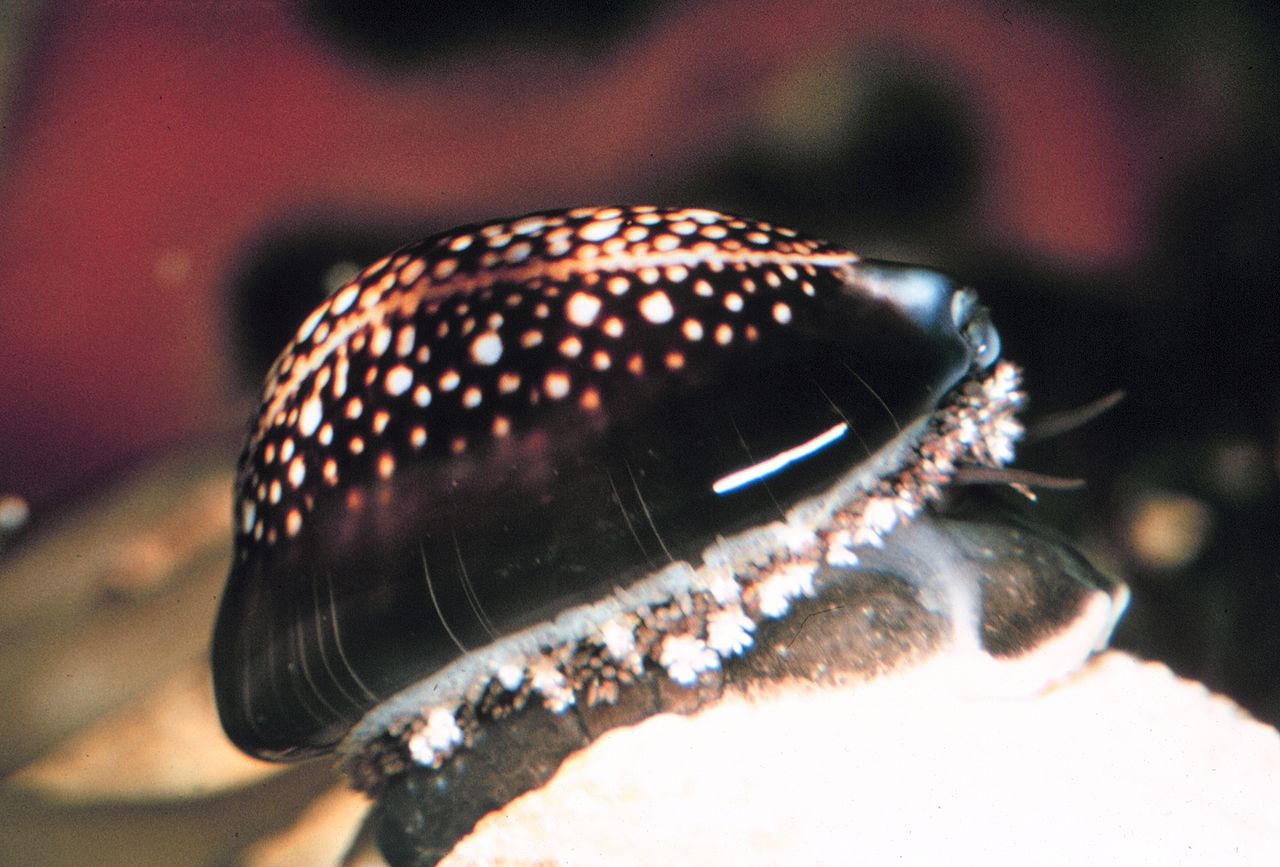
From a biological perspective, cowrie snails are fascinating creatures, with over 200 species found in tropical and subtropical waters around the world. These marine animals are known for their distinctive shells, which are highly prized for their beauty and durability. The shells are made of a hard, calcium carbonate material that protects the snail's soft body. Cowrie snails are also an important part of the marine ecosystem, playing a vital role in maintaining the balance of their environments. The study of marine biology has helped us understand the importance of preserving these ecosystems, which are often threatened by pollution and overfishing. Furthermore, the conservation of cowrie snails is closely tied to the preservation of coral reefs, which are some of the most diverse ecosystems on the planet.
💰 Cowry Shells as Ancient Currency
The use of cowry shells as currency is a significant aspect of their history, with evidence of their use dating back to ancient times. In some African societies, cowry shells were used as a form of bridewealth, which is a payment made by the groom's family to the bride's family in exchange for the bride's hand in marriage. The value of cowry shells was also used to determine the value of other goods and services, making them a key part of the economy. The trade in cowry shells was also closely tied to the transatlantic slave trade, with cowry shells being used to purchase slaves. This dark history highlights the complex and often problematic nature of the cowry shell trade. Additionally, the use of cowry shells as currency has been linked to the development of early banking systems in some African societies.
🌴 Cultural Significance in Africa and Asia
In many African and Asian cultures, cowry shells have significant cultural and symbolic meaning. In some societies, cowry shells are believed to have spiritual powers, and are used in traditional rituals and ceremonies. The shells are also used in traditional clothing and jewelry, and are often given as gifts to mark important occasions. The cultural significance of cowry shells can also be seen in their use in storytelling and music, where they are often used as a symbol of wealth and status. Furthermore, the use of cowry shells in art and craftsmanship has been an important part of many cultures, with the shells being used to create intricate and beautiful designs.
🏰 The Role of Cowry Shells in Traditional Societies
In traditional societies, cowry shells played a significant role in the social and economic fabric of the community. The shells were used to determine social status, with those who possessed the most shells being considered the wealthiest and most powerful. The shells were also used in traditional games and sports, and were often used as a form of gift giving. The use of cowry shells in traditional societies highlights the importance of these shells in the cultural and economic lives of these communities. Additionally, the use of cowry shells has been linked to the development of social hierarchy in some societies, with the possession of cowry shells being a key indicator of social status.
📈 The Economics of Cowry Shell Trade
The economics of the cowry shell trade are complex and multifaceted. The trade in cowry shells was a significant part of the global economy, with millions of shells being traded every year. The value of cowry shells was determined by their rarity and beauty, with the most valuable shells being those that were the largest and most perfectly formed. The trade in cowry shells was also closely tied to the colonial era, with European colonizers using cowry shells as a form of currency in their colonies. The legacy of this trade can still be seen in the global economy today, with many countries still using cowry shells as a form of currency or commodity.
🌟 Cowry Shells in Modern Times
In modern times, cowry shells are still highly valued for their beauty and cultural significance. The shells are often used in jewelry and decorative items, and are highly prized by collectors. The use of cowry shells in fashion and design has also become increasingly popular, with many designers incorporating cowry shells into their designs. However, the trade in cowry shells is also closely tied to the sustainability of the marine ecosystem, with many species of cowrie snails being threatened by overfishing and habitat destruction. As a result, there is a growing movement to promote the sustainable harvesting of cowry shells, and to protect the marine ecosystems that they inhabit.
🌈 Conservation Efforts and Threats
The conservation of cowry shells and the marine ecosystems that they inhabit is a significant challenge. Many species of cowrie snails are threatened by overfishing and habitat destruction, and the trade in cowry shells is often unsustainable. As a result, there is a growing need to promote the sustainable harvesting of cowry shells, and to protect the marine ecosystems that they inhabit. This can be achieved through the establishment of marine protected areas, and the implementation of sustainable fishing practices. Additionally, the conservation of cowry shells is closely tied to the preservation of biodiversity in the marine ecosystem, which is essential for maintaining the health of the planet.
📚 The Symbolism of Cowry Shells
The symbolism of cowry shells is complex and multifaceted. In some cultures, cowry shells are seen as a symbol of fertility and abundance, while in others they are seen as a symbol of wealth and status. The shells are also often used in traditional medicine, where they are believed to have healing properties. The use of cowry shells in art and craftsmanship has also been an important part of many cultures, with the shells being used to create intricate and beautiful designs. Furthermore, the symbolism of cowry shells has been linked to the concept of cultural identity, with the shells being used to represent the cultural heritage of a particular community.
🌐 Global Influence and Legacy
The global influence and legacy of cowry shells can be seen in many different cultures and societies. The use of cowry shells as a form of currency and cultural icon has had a significant impact on the development of many societies, and their influence can still be seen today. The trade in cowry shells has also played a significant role in shaping the global economy, with many countries still using cowry shells as a form of currency or commodity. Additionally, the cultural significance of cowry shells has been linked to the development of cultural exchange between different societies, with the shells being used as a symbol of cultural exchange and cooperation.
👥 Cowry Shells in Contemporary Culture
In contemporary culture, cowry shells are still highly valued for their beauty and cultural significance. The shells are often used in jewelry and decorative items, and are highly prized by collectors. The use of cowry shells in fashion and design has also become increasingly popular, with many designers incorporating cowry shells into their designs. However, the trade in cowry shells is also closely tied to the sustainability of the marine ecosystem, with many species of cowrie snails being threatened by overfishing and habitat destruction. As a result, there is a growing movement to promote the sustainable harvesting of cowry shells, and to protect the marine ecosystems that they inhabit.
🕰️ The Future of Cowry Shells
The future of cowry shells is uncertain, with many species of cowrie snails being threatened by overfishing and habitat destruction. However, there is also a growing movement to promote the sustainable harvesting of cowry shells, and to protect the marine ecosystems that they inhabit. This can be achieved through the establishment of marine protected areas, and the implementation of sustainable fishing practices. Additionally, the conservation of cowry shells is closely tied to the preservation of biodiversity in the marine ecosystem, which is essential for maintaining the health of the planet. As we look to the future, it is essential that we prioritize the conservation of cowry shells and the marine ecosystems that they inhabit, in order to ensure the long-term sustainability of these valuable resources.
Key Facts
- Year
- 2023
- Origin
- Indian Ocean and Pacific Islands
- Category
- Anthropology, Economics, and Marine Biology
- Type
- Natural Object, Cultural Symbol, and Economic Commodity
Frequently Asked Questions
What is the cultural significance of cowry shells?
Cowry shells have significant cultural and symbolic meaning in many African and Asian cultures, and are often used in traditional rituals and ceremonies. They are also used in traditional clothing and jewelry, and are often given as gifts to mark important occasions. The cultural significance of cowry shells can also be seen in their use in storytelling and music, where they are often used as a symbol of wealth and status.
How were cowry shells used as currency?
Cowry shells were used as a form of currency in many ancient societies, with the value of the shells being determined by their rarity and beauty. The shells were often used to purchase goods and services, and were also used as a form of bridewealth. The use of cowry shells as currency was also closely tied to the transatlantic slave trade, with cowry shells being used to purchase slaves.
What is the current state of the cowry shell trade?
The cowry shell trade is still active today, with many species of cowrie snails being threatened by overfishing and habitat destruction. However, there is also a growing movement to promote the sustainable harvesting of cowry shells, and to protect the marine ecosystems that they inhabit. This can be achieved through the establishment of marine protected areas, and the implementation of sustainable fishing practices.
How can we conserve cowry shells and the marine ecosystems that they inhabit?
The conservation of cowry shells and the marine ecosystems that they inhabit can be achieved through the establishment of marine protected areas, and the implementation of sustainable fishing practices. Additionally, the conservation of cowry shells is closely tied to the preservation of biodiversity in the marine ecosystem, which is essential for maintaining the health of the planet. It is also important to promote the sustainable harvesting of cowry shells, and to raise awareness about the importance of conservation.
What is the future of cowry shells?
The future of cowry shells is uncertain, with many species of cowrie snails being threatened by overfishing and habitat destruction. However, there is also a growing movement to promote the sustainable harvesting of cowry shells, and to protect the marine ecosystems that they inhabit. It is essential that we prioritize the conservation of cowry shells and the marine ecosystems that they inhabit, in order to ensure the long-term sustainability of these valuable resources.
How can we promote the sustainable harvesting of cowry shells?
The sustainable harvesting of cowry shells can be promoted through the establishment of marine protected areas, and the implementation of sustainable fishing practices. Additionally, it is important to raise awareness about the importance of conservation, and to educate consumers about the impact of their purchasing decisions on the marine ecosystem. It is also essential to support sustainable fishing practices, and to promote the use of eco-friendly fishing gear.
What is the impact of the cowry shell trade on the marine ecosystem?
The cowry shell trade has a significant impact on the marine ecosystem, with many species of cowrie snails being threatened by overfishing and habitat destruction. The trade in cowry shells is also closely tied to the destruction of coral reefs, which are some of the most diverse ecosystems on the planet. It is essential that we prioritize the conservation of cowry shells and the marine ecosystems that they inhabit, in order to ensure the long-term sustainability of these valuable resources.