
Contents
- 📊 Introduction to Confounding Variables
- 🔍 Understanding the Role of Confounders
- 📈 The Impact of Confounding on Data Analysis
- 📊 Types of Confounding Variables
- 🔗 Identifying and Controlling for Confounders
- 📝 Strategies for Minimizing Confounding
- 📊 Advanced Methods for Addressing Confounding
- 📈 Real-World Examples of Confounding Variables
- 📊 Best Practices for Dealing with Confounders
- 📈 Future Directions in Confounding Variable Research
- 📊 Conclusion: The Importance of Addressing Confounding Variables
- Frequently Asked Questions
- Related Topics
Overview
Confounding variables are extraneous factors that affect the relationship between the independent and dependent variables in a study, often leading to biased or incorrect conclusions. For instance, a study on the relationship between coffee consumption and heart disease might be confounded by the variable of smoking, as smokers are more likely to drink coffee and also have a higher risk of heart disease. The historian in us notes that the concept of confounding variables dates back to the early 20th century, with statisticians like Ronald Fisher highlighting their importance. The skeptic questions how researchers can truly control for these variables, given their often complex and multifaceted nature. The fan of data analysis recognizes the critical role that identifying and adjusting for confounding variables plays in ensuring the validity and reliability of research findings. The engineer wonders about the best methods for statistically controlling these variables, such as through matching, stratification, or regression analysis. Looking to the future, the futurist asks how advancements in data science and machine learning might improve our ability to detect and account for confounding variables, potentially through the use of automated algorithms or more sophisticated modeling techniques. With a vibe score of 8 out of 10, the topic of confounding variables is both intellectually stimulating and practically significant, influencing fields from medicine to social sciences. As researchers continue to grapple with the challenges posed by confounding variables, one thing is clear: understanding and addressing these hidden forces is crucial for advancing knowledge and making informed decisions.
📊 Introduction to Confounding Variables
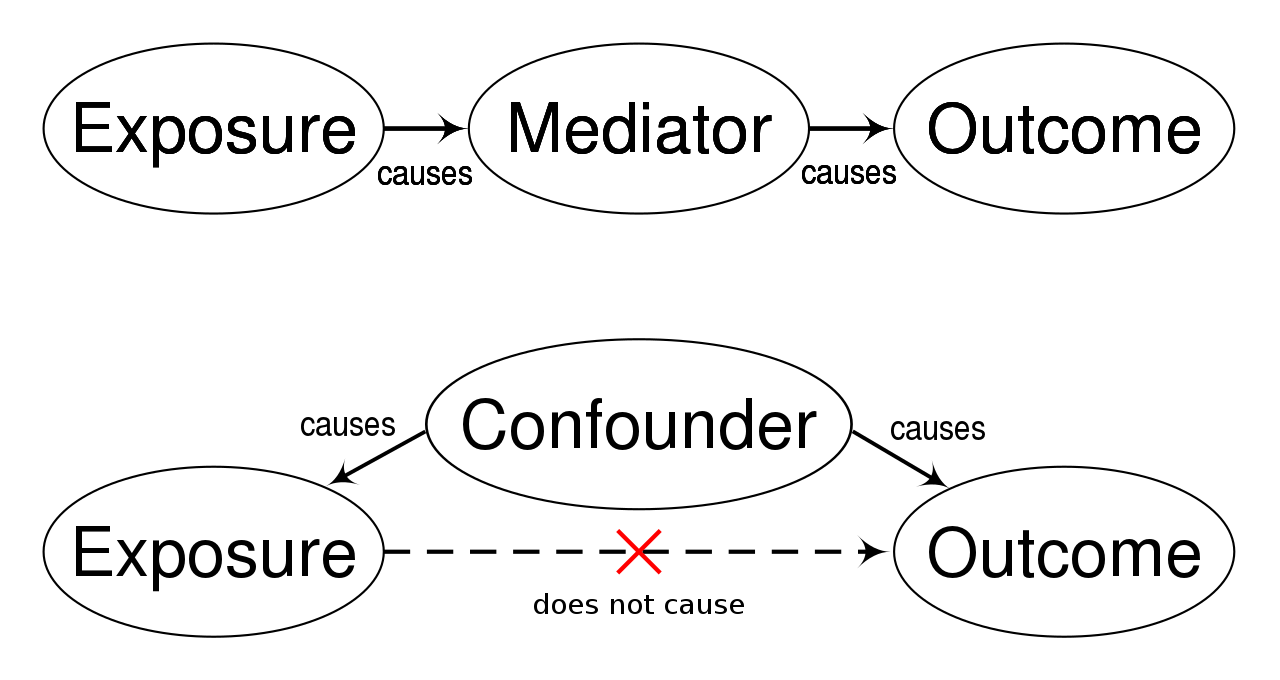
Confounding variables are a crucial concept in Statistics and Research Methods, as they can significantly impact the validity of Causal Inference in Observational Studies. A confounder is a variable that meets three key criteria: (1) it independently predicts the Outcome, (2) it is associated with the Exposure, and (3) it is not on the Causal Pathway between the exposure and the outcome. For instance, in a study examining the relationship between Smoking and Lung Cancer, Age could be a confounder if it is related to both smoking habits and the likelihood of developing lung cancer. Failure to control for confounders can result in a Spurious Association between exposure and outcome, leading to incorrect conclusions. Researchers must carefully consider potential confounders when designing studies, such as Clinical Trials or Survey Research.
🔍 Understanding the Role of Confounders
To understand the role of confounders, it is essential to recognize that they can affect the Internal Validity of a study. A confounder can create a Bias in the estimate of the causal effect, leading to incorrect conclusions about the relationship between the exposure and outcome. For example, in a study on the relationship between Exercise and Weight Loss, Diet could be a confounder if it is related to both exercise habits and weight loss. By controlling for confounders, researchers can increase the validity of their findings and provide more accurate estimates of causal effects. This is particularly important in fields like Epidemiology and Public Health, where understanding causal relationships is crucial for developing effective interventions. Researchers can use techniques like Matching or Propensity Scores to control for confounders.
📈 The Impact of Confounding on Data Analysis
The impact of confounding on data analysis can be significant, as it can lead to incorrect conclusions and misguided decision-making. In Data Analysis, confounders can create a Type I Error or a Type II Error, depending on the direction of the bias. For instance, in a study on the relationship between Air Pollution and Respiratory Disease, Socioeconomic Status could be a confounder if it is related to both air pollution exposure and the likelihood of developing respiratory disease. By failing to control for confounders, researchers may overestimate or underestimate the true causal effect, leading to incorrect policy decisions or interventions. Therefore, it is essential to carefully consider potential confounders and use appropriate statistical methods to control for them, such as Regression Analysis or Instrumental Variables.
📊 Types of Confounding Variables
There are several types of confounding variables, including Demographic Variables, Behavioral Variables, and Environmental Variables. Demographic variables, such as Age or Sex, can be confounders in studies examining the relationship between exposure and outcome. Behavioral variables, such as Smoking or Exercise, can also be confounders if they are related to both the exposure and the outcome. Environmental variables, such as Air Pollution or Climate, can also be confounders if they are related to both the exposure and the outcome. By understanding the different types of confounding variables, researchers can better design their studies and control for potential confounders, using techniques like Stratification or Adjustment.
🔗 Identifying and Controlling for Confounders
Identifying and controlling for confounders is a critical step in Causal Inference. Researchers can use various techniques to identify potential confounders, including Literature Reviews and Expert Opinion. Once potential confounders are identified, researchers can use statistical methods to control for them, such as Matching or Propensity Scores. For example, in a study on the relationship between Education and Income, Intelligence could be a confounder if it is related to both education level and income. By controlling for confounders, researchers can increase the validity of their findings and provide more accurate estimates of causal effects. This is particularly important in fields like Economics and Sociology, where understanding causal relationships is crucial for developing effective policies.
📝 Strategies for Minimizing Confounding
Strategies for minimizing confounding include Study Design, Data Collection, and Data Analysis. In study design, researchers can use techniques like Randomization or Matching to minimize confounding. In data collection, researchers can use techniques like Survey Research or Observational Studies to collect data on potential confounders. In data analysis, researchers can use statistical methods like Regression Analysis or Instrumental Variables to control for confounders. By using these strategies, researchers can minimize the impact of confounding variables and provide more accurate estimates of causal effects. For instance, in a study on the relationship between Vaccination and Disease Outcome, Comorbidities could be a confounder if it is related to both vaccination status and disease outcome.
📊 Advanced Methods for Addressing Confounding
Advanced methods for addressing confounding include Machine Learning and Artificial Intelligence. These methods can be used to identify potential confounders and control for them in Data Analysis. For example, in a study on the relationship between Genetics and Disease, Epigenetics could be a confounder if it is related to both genetic factors and disease outcome. By using advanced methods like Deep Learning or Natural Language Processing, researchers can better identify and control for confounders, leading to more accurate estimates of causal effects. This is particularly important in fields like Genomics and Precision Medicine, where understanding causal relationships is crucial for developing effective treatments.
📈 Real-World Examples of Confounding Variables
Real-world examples of confounding variables include Smoking and Lung Cancer, Exercise and Weight Loss, and Air Pollution and Respiratory Disease. In each of these examples, a confounder can create a bias in the estimate of the causal effect, leading to incorrect conclusions about the relationship between the exposure and outcome. By controlling for confounders, researchers can provide more accurate estimates of causal effects and develop effective interventions to prevent or treat diseases. For instance, in a study on the relationship between Diet and Heart Disease, Socioeconomic Status could be a confounder if it is related to both diet and heart disease risk.
📊 Best Practices for Dealing with Confounders
Best practices for dealing with confounders include Careful Study Design, Thorough Data Collection, and Rigorous Data Analysis. Researchers should carefully consider potential confounders when designing their studies and use appropriate statistical methods to control for them. By following these best practices, researchers can minimize the impact of confounding variables and provide more accurate estimates of causal effects. This is particularly important in fields like Public Health and Evidence-Based Medicine, where understanding causal relationships is crucial for developing effective interventions. For example, in a study on the relationship between Screen Time and Mental Health, Sleep could be a confounder if it is related to both screen time and mental health outcomes.
📈 Future Directions in Confounding Variable Research
Future directions in confounding variable research include the development of new statistical methods and the application of Machine Learning and Artificial Intelligence to identify and control for confounders. By using these advanced methods, researchers can better identify and control for confounders, leading to more accurate estimates of causal effects. This is particularly important in fields like Personalized Medicine and Precision Health, where understanding causal relationships is crucial for developing effective treatments. For instance, in a study on the relationship between Genomics and Disease, Epigenomics could be a confounder if it is related to both genetic factors and disease outcome.
📊 Conclusion: The Importance of Addressing Confounding Variables
In conclusion, confounding variables are a critical concept in Statistics and Research Methods, as they can significantly impact the validity of Causal Inference in Observational Studies. By understanding the role of confounders and using appropriate statistical methods to control for them, researchers can provide more accurate estimates of causal effects and develop effective interventions to prevent or treat diseases. As research continues to evolve, it is essential to stay up-to-date with the latest methods and techniques for identifying and controlling for confounders, such as Causal Graphs and Do-Calculus.
Key Facts
- Year
- 2023
- Origin
- Statistical Analysis
- Category
- Statistics and Research Methods
- Type
- Concept
Frequently Asked Questions
What is a confounding variable?
A confounding variable is a variable that meets three key criteria: (1) it independently predicts the outcome, (2) it is associated with the exposure, and (3) it is not on the causal pathway between the exposure and the outcome. Confounding variables can create a bias in the estimate of the causal effect, leading to incorrect conclusions about the relationship between the exposure and outcome. For example, in a study on the relationship between Smoking and Lung Cancer, Age could be a confounder if it is related to both smoking habits and the likelihood of developing lung cancer.
Why are confounding variables important in research?
Confounding variables are important in research because they can significantly impact the validity of Causal Inference in Observational Studies. By controlling for confounders, researchers can provide more accurate estimates of causal effects and develop effective interventions to prevent or treat diseases. For instance, in a study on the relationship between Exercise and Weight Loss, Diet could be a confounder if it is related to both exercise habits and weight loss.
How can researchers identify and control for confounders?
Researchers can identify and control for confounders by using various techniques, including Literature Reviews and Expert Opinion. Once potential confounders are identified, researchers can use statistical methods like Matching or Propensity Scores to control for them. For example, in a study on the relationship between Education and Income, Intelligence could be a confounder if it is related to both education level and income.
What are some common types of confounding variables?
Common types of confounding variables include Demographic Variables, Behavioral Variables, and Environmental Variables. Demographic variables, such as Age or Sex, can be confounders in studies examining the relationship between exposure and outcome. Behavioral variables, such as Smoking or Exercise, can also be confounders if they are related to both the exposure and the outcome.
How can researchers minimize the impact of confounding variables?
Researchers can minimize the impact of confounding variables by using Careful Study Design, Thorough Data Collection, and Rigorous Data Analysis. By following these best practices, researchers can minimize the impact of confounding variables and provide more accurate estimates of causal effects. This is particularly important in fields like Public Health and Evidence-Based Medicine, where understanding causal relationships is crucial for developing effective interventions.
What are some future directions in confounding variable research?
Future directions in confounding variable research include the development of new statistical methods and the application of Machine Learning and Artificial Intelligence to identify and control for confounders. By using these advanced methods, researchers can better identify and control for confounders, leading to more accurate estimates of causal effects. This is particularly important in fields like Personalized Medicine and Precision Health, where understanding causal relationships is crucial for developing effective treatments.
How can researchers use machine learning to identify and control for confounders?
Researchers can use machine learning to identify and control for confounders by using techniques like Deep Learning or Natural Language Processing. These methods can be used to identify potential confounders and control for them in Data Analysis. For example, in a study on the relationship between Genetics and Disease, Epigenetics could be a confounder if it is related to both genetic factors and disease outcome.