
Contents
- 🌐 Introduction to Client-Server Architecture
- 📊 History of Client-Server Model
- 🔍 Key Components of Client-Server Architecture
- 📈 Advantages of Client-Server Model
- 🚫 Disadvantages of Client-Server Architecture
- 📊 Examples of Client-Server Applications
- 🌐 How Client-Server Architecture Works
- 🔒 Security Considerations in Client-Server Model
- 📈 Scalability and Performance in Client-Server Architecture
- 🤔 Future of Client-Server Architecture
- 📚 Conclusion
- Frequently Asked Questions
- Related Topics
Overview
Client-server architecture, first conceptualized in the 1960s by Douglas Engelbart, has evolved to become the foundational model for distributed systems. This paradigm, where clients request services or resources from servers, underpins the internet, web applications, and cloud computing. With a vibe score of 8, reflecting its widespread adoption and cultural significance, client-server architecture continues to influence software development, networking, and cybersecurity. The controversy spectrum for this topic is moderate, with debates surrounding issues like data privacy, server security, and the balance between centralized and decentralized systems. Key figures such as Tim Berners-Lee, who invented the World Wide Web, and companies like Amazon, with its pioneering work in cloud services, have significantly influenced the evolution of client-server models. As technology advances, the future of client-server architecture is likely to be shaped by trends like edge computing, 5G networks, and the Internet of Things (IoT), potentially leading to more distributed, secure, and efficient systems.
🌐 Introduction to Client-Server Architecture
The client-server architecture is a fundamental concept in Computer Science that has revolutionized the way we access and share information. At its core, the client-server model is a Distributed Systems approach that allows multiple devices to communicate with each other over a Computer Network. This architecture has enabled the development of various applications, including Email, Network Printing, and the World Wide Web. The client-server model has become the backbone of modern computing, enabling efficient and scalable communication between devices. As we explore the world of Cloud Computing, the importance of client-server architecture cannot be overstated. The Internet of Things (IoT) also relies heavily on this architecture, where devices act as clients and servers to exchange information.
📊 History of Client-Server Model
The history of the client-server model dates back to the 1960s, when the first Mainframe Computers were developed. These early systems used a centralized architecture, where a single mainframe computer acted as the server, and multiple terminals acted as clients. The client-server model gained popularity in the 1980s with the advent of Personal Computers and Local Area Networks (LANs). This led to the development of various Network Protocols, including TCP/IP, which enabled devices to communicate with each other over a network. The client-server model has since become a fundamental concept in Computer Networks and Distributed Systems. As we look back, it's clear that the client-server model has played a crucial role in shaping the History of Computing. The Evolution of Computing has been influenced by the client-server model, and it continues to be a vital part of modern computing.
🔍 Key Components of Client-Server Architecture
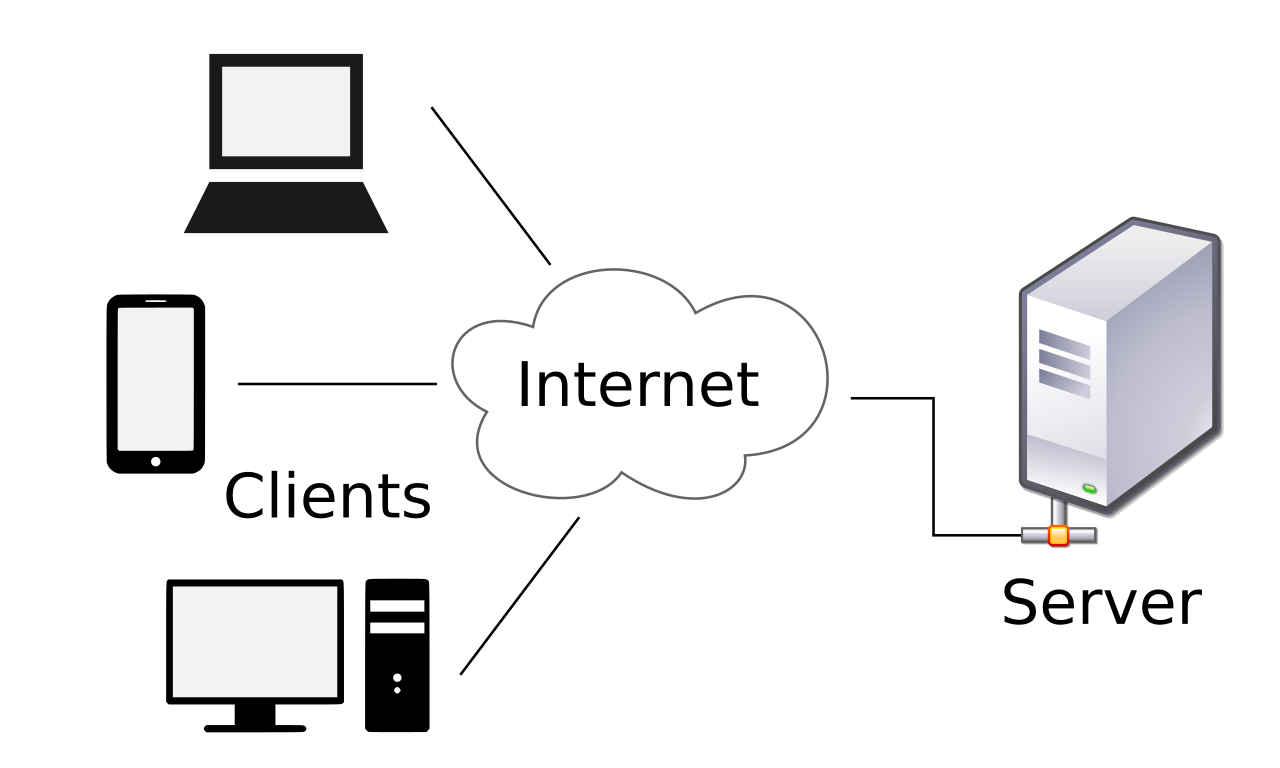
The client-server architecture consists of two primary components: the client and the server. The client is typically a device or application that requests resources or services from the server. The server, on the other hand, is a device or application that provides resources or services to the client. In a typical client-server scenario, the client initiates a communication session with the server, which awaits incoming requests. The client and server communicate with each other using a Network Protocol, such as HTTP or FTP. The client-server model can be used in various applications, including Web Development, Mobile App Development, and Cloud Computing. As we explore the world of Artificial Intelligence, the client-server model plays a crucial role in enabling Machine Learning and Natural Language Processing. The Client-Server Architecture is a fundamental concept in Software Engineering, and it's essential to understand its components and how they interact.
📈 Advantages of Client-Server Model
The client-server model offers several advantages, including Scalability, Flexibility, and Reliability. The client-server architecture allows for efficient communication between devices, enabling the development of scalable and reliable applications. The client-server model also enables the use of Load Balancing and Caching techniques, which can improve the performance of applications. Additionally, the client-server model provides a high degree of flexibility, enabling devices to communicate with each other over a network. As we look to the future, it's clear that the client-server model will continue to play a vital role in enabling Internet of Things (IoT) applications. The Client-Server Architecture is a fundamental concept in Computer Science, and its advantages make it an essential part of modern computing. The Future of Computing will be shaped by the client-server model, and it's essential to understand its benefits and limitations.
🚫 Disadvantages of Client-Server Architecture
Despite its advantages, the client-server model also has some disadvantages. One of the primary disadvantages is the Security Risks associated with the client-server model. The client-server architecture can be vulnerable to Cyber Attacks, including Hacking and Malware. Additionally, the client-server model can be complex to implement and manage, particularly in large-scale applications. The client-server model also requires a high degree of Network Infrastructure, including Servers, Routers, and Switches. As we explore the world of Cloud Computing, it's essential to understand the security risks associated with the client-server model. The Client-Server Architecture is a fundamental concept in Software Engineering, and its disadvantages must be carefully considered. The Security of Client-Server Architecture is a critical aspect of modern computing, and it's essential to understand the risks and mitigation strategies.
📊 Examples of Client-Server Applications
The client-server model is used in a wide range of applications, including Email, Network Printing, and the World Wide Web. The client-server architecture is also used in various Cloud Computing applications, including Cloud Storage and Cloud Computing Platforms. Additionally, the client-server model is used in Mobile App Development, including Android App Development and iOS App Development. The client-server architecture is a fundamental concept in Computer Science, and its applications are diverse and widespread. As we look to the future, it's clear that the client-server model will continue to play a vital role in enabling Internet of Things (IoT) applications. The Client-Server Architecture is a fundamental concept in Software Engineering, and its applications are essential to modern computing.
🌐 How Client-Server Architecture Works
The client-server architecture works by enabling communication between clients and servers over a Computer Network. The client initiates a communication session with the server, which awaits incoming requests. The client and server communicate with each other using a Network Protocol, such as HTTP or FTP. The client requests resources or services from the server, which provides the requested resources or services. The client-server model can be used in various applications, including Web Development, Mobile App Development, and Cloud Computing. As we explore the world of Artificial Intelligence, the client-server model plays a crucial role in enabling Machine Learning and Natural Language Processing. The Client-Server Architecture is a fundamental concept in Software Engineering, and its workings are essential to modern computing. The Client-Server Model is a critical aspect of Computer Science, and its understanding is vital for any aspiring Software Engineer.
🔒 Security Considerations in Client-Server Model
The client-server model has several security considerations, including Authentication, Authorization, and Encryption. The client-server architecture can be vulnerable to Cyber Attacks, including Hacking and Malware. To mitigate these risks, it's essential to implement robust security measures, including Firewalls, Intrusion Detection Systems, and Encryption. Additionally, the client-server model requires a high degree of Network Infrastructure, including Servers, Routers, and Switches. As we explore the world of Cloud Computing, it's essential to understand the security considerations associated with the client-server model. The Client-Server Architecture is a fundamental concept in Software Engineering, and its security is critical to modern computing. The Security of Client-Server Architecture is a critical aspect of Computer Science, and its understanding is vital for any aspiring Software Engineer.
📈 Scalability and Performance in Client-Server Architecture
The client-server model can be scaled to meet the needs of large-scale applications. The client-server architecture can be designed to use Load Balancing and Caching techniques, which can improve the performance of applications. Additionally, the client-server model can be designed to use Cloud Computing platforms, which can provide a high degree of scalability and reliability. The client-server model can also be designed to use Containerization and Orchestration techniques, which can improve the efficiency and scalability of applications. As we look to the future, it's clear that the client-server model will continue to play a vital role in enabling Internet of Things (IoT) applications. The Client-Server Architecture is a fundamental concept in Software Engineering, and its scalability is essential to modern computing. The Scalability of Client-Server Architecture is a critical aspect of Computer Science, and its understanding is vital for any aspiring Software Engineer.
🤔 Future of Client-Server Architecture
The future of the client-server model is closely tied to the development of Internet of Things (IoT) applications. The client-server architecture will continue to play a vital role in enabling IoT applications, including Smart Homes, Smart Cities, and Industrial IoT. The client-server model will also continue to evolve to meet the needs of emerging technologies, including Artificial Intelligence, Machine Learning, and Natural Language Processing. As we look to the future, it's clear that the client-server model will continue to be a fundamental concept in Computer Science and Software Engineering. The Future of Client-Server Architecture is a critical aspect of Computer Science, and its understanding is vital for any aspiring Software Engineer. The Client-Server Architecture will continue to shape the Future of Computing, and its evolution will be driven by emerging technologies and applications.
📚 Conclusion
In conclusion, the client-server architecture is a fundamental concept in Computer Science and Software Engineering. The client-server model has revolutionized the way we access and share information, enabling the development of scalable and reliable applications. The client-server architecture has a wide range of applications, including Web Development, Mobile App Development, and Cloud Computing. As we look to the future, it's clear that the client-server model will continue to play a vital role in enabling Internet of Things (IoT) applications. The Client-Server Architecture is a critical aspect of Computer Science, and its understanding is vital for any aspiring Software Engineer. The Client-Server Model will continue to shape the Future of Computing, and its evolution will be driven by emerging technologies and applications.
Key Facts
- Year
- 1960
- Origin
- Douglas Engelbart's Work on Human-Computer Interaction
- Category
- Computer Science
- Type
- Concept
Frequently Asked Questions
What is the client-server model?
The client-server model is a fundamental concept in Computer Science that enables communication between devices over a Computer Network. The client initiates a communication session with the server, which awaits incoming requests. The client and server communicate with each other using a Network Protocol, such as HTTP or FTP. The client-server model is used in a wide range of applications, including Web Development, Mobile App Development, and Cloud Computing.
What are the advantages of the client-server model?
The client-server model offers several advantages, including Scalability, Flexibility, and Reliability. The client-server architecture allows for efficient communication between devices, enabling the development of scalable and reliable applications. The client-server model also enables the use of Load Balancing and Caching techniques, which can improve the performance of applications.
What are the security considerations of the client-server model?
The client-server model has several security considerations, including Authentication, Authorization, and Encryption. The client-server architecture can be vulnerable to Cyber Attacks, including Hacking and Malware. To mitigate these risks, it's essential to implement robust security measures, including Firewalls, Intrusion Detection Systems, and Encryption.
What is the future of the client-server model?
The future of the client-server model is closely tied to the development of Internet of Things (IoT) applications. The client-server architecture will continue to play a vital role in enabling IoT applications, including Smart Homes, Smart Cities, and Industrial IoT. The client-server model will also continue to evolve to meet the needs of emerging technologies, including Artificial Intelligence, Machine Learning, and Natural Language Processing.
What are the applications of the client-server model?
The client-server model has a wide range of applications, including Web Development, Mobile App Development, and Cloud Computing. The client-server architecture is used in various Cloud Computing applications, including Cloud Storage and Cloud Computing Platforms. Additionally, the client-server model is used in Email, Network Printing, and the World Wide Web.