
Contents
- 📈 Introduction to Load Balancing
- 🔍 History of Load Balancing
- 📊 Types of Load Balancing
- 🌐 Network Load Balancing
- 💻 Hardware and Software Load Balancing
- 📈 Scalability and Load Balancing
- 🚨 Challenges in Load Balancing
- 🔧 Load Balancing Algorithms
- 📊 Load Balancing Metrics
- 📈 Future of Load Balancing
- 📚 Conclusion
- Frequently Asked Questions
- Related Topics
Overview
Load balancing is a critical component of modern computing, allowing systems to efficiently distribute incoming traffic across multiple servers to improve responsiveness, reliability, and scalability. The concept of load balancing has been around since the 1990s, with companies like Cisco and F5 Networks pioneering the development of dedicated load balancing hardware. Today, load balancing is a ubiquitous technology, with cloud providers like Amazon Web Services (AWS) and Microsoft Azure offering robust load balancing services. However, the increasing complexity of modern applications and the rise of edge computing have introduced new challenges for load balancing, such as ensuring low latency and high availability in distributed environments. As the digital landscape continues to evolve, load balancing will play an increasingly important role in enabling organizations to deliver seamless user experiences. With the global load balancing market projected to reach $4.3 billion by 2025, it's clear that this technology is here to stay, and its impact will only continue to grow, with key players like Google Cloud, IBM, and VMware driving innovation in the space.
📈 Introduction to Load Balancing
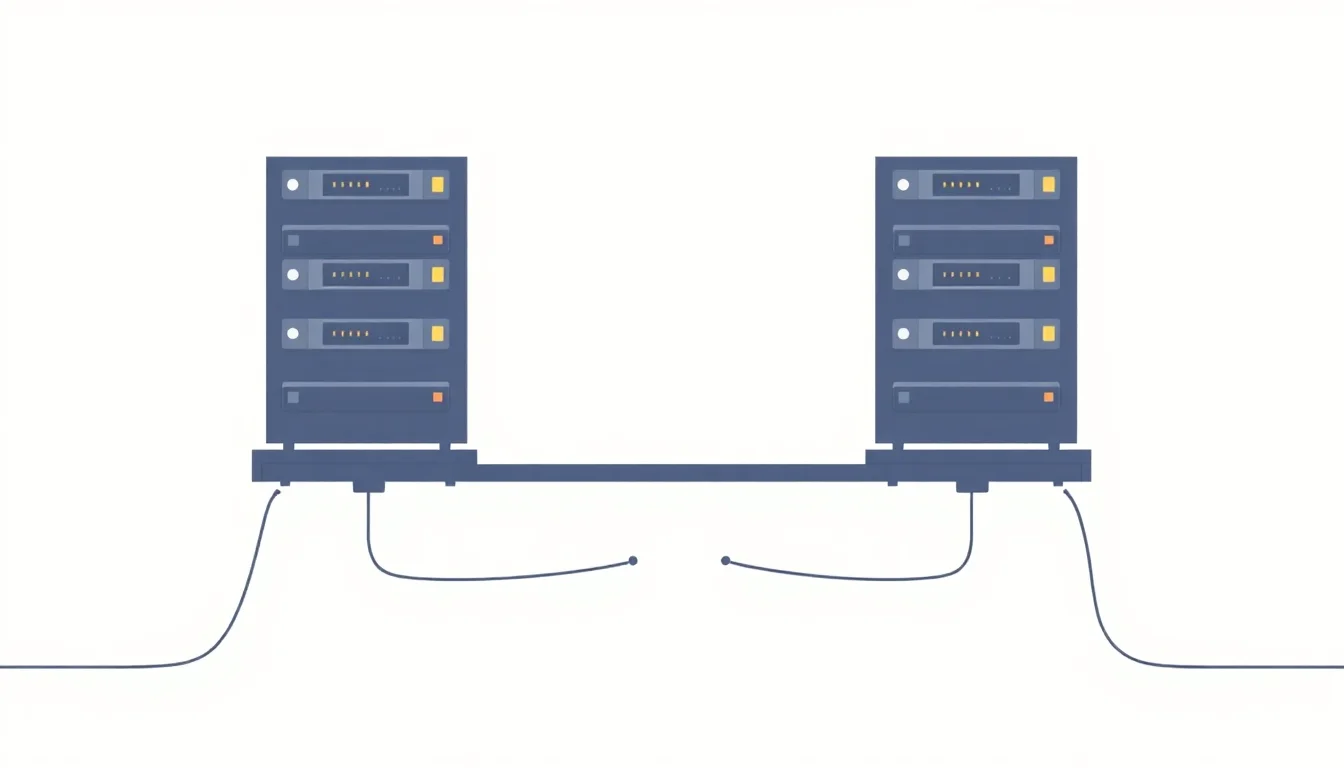
Load balancing is a crucial aspect of Computer Networking that ensures the efficient distribution of workload across multiple devices. It is a technique used to improve the responsiveness, reliability, and scalability of applications. By distributing the workload, load balancing helps to prevent any single device from becoming a bottleneck, thereby improving the overall performance of the system. Load balancing is used in various fields, including Cloud Computing, Data Centers, and Network Architecture. The concept of load balancing is also applied in other areas, such as Production Leveling and Resource Leveling, to achieve efficient workflow and resource allocation. For instance, Amazon Web Services (AWS) provides load balancing services to its customers, allowing them to distribute traffic across multiple instances.
🔍 History of Load Balancing
The history of load balancing dates back to the early days of Computer Networks. In the 1960s, the first load balancing techniques were developed to distribute workload across multiple mainframe computers. Over the years, load balancing has evolved to support various types of applications, including Web Servers, Database Servers, and Application Servers. The development of Load Balancing Algorithms has played a significant role in improving the efficiency of load balancing. Today, load balancing is a critical component of Cloud Computing and Big Data analytics. Companies like Google and Microsoft have developed their own load balancing solutions to support their cloud services.
📊 Types of Load Balancing
There are several types of load balancing, including Network Load Balancing, Hardware Load Balancing, and Software Load Balancing. Network load balancing involves distributing network traffic across multiple links to improve network reliability and performance. Hardware load balancing uses specialized hardware devices to distribute workload, while software load balancing uses software programs to achieve the same goal. Each type of load balancing has its own advantages and disadvantages, and the choice of load balancing technique depends on the specific requirements of the application. For example, Cisco Systems provides hardware-based load balancing solutions, while Nginx offers software-based load balancing solutions.
🌐 Network Load Balancing
Network load balancing is a type of load balancing that focuses on distributing network traffic across multiple links. This technique is used to improve network reliability, performance, and scalability. Network load balancing can be achieved using various techniques, including Rounding Robin and Least Connection. Network load balancing is critical in modern Computer Networks, where network traffic is increasing exponentially. Companies like Akamai and Verizon provide network load balancing services to their customers, allowing them to distribute traffic across multiple networks.
💻 Hardware and Software Load Balancing
Hardware and software load balancing are two different approaches to achieving load balancing. Hardware load balancing uses specialized hardware devices, such as Load Balancers, to distribute workload. Software load balancing, on the other hand, uses software programs to achieve the same goal. Both approaches have their own advantages and disadvantages, and the choice of load balancing technique depends on the specific requirements of the application. For instance, F5 Networks provides hardware-based load balancing solutions, while HAProxy offers software-based load balancing solutions. The choice between hardware and software load balancing depends on factors such as Cost, Performance, and Scalability.
📈 Scalability and Load Balancing
Scalability is a critical aspect of load balancing, as it enables applications to handle increasing workload without compromising performance. Load balancing helps to improve scalability by distributing workload across multiple devices, thereby preventing any single device from becoming a bottleneck. Scalability is critical in modern Cloud Computing and Big Data analytics, where applications need to handle large amounts of data and traffic. Companies like Salesforce and Oracle provide scalable load balancing solutions to their customers, allowing them to handle increasing workload without compromising performance.
🚨 Challenges in Load Balancing
Despite its importance, load balancing is not without challenges. One of the major challenges in load balancing is ensuring that the workload is distributed efficiently across multiple devices. This requires careful planning and configuration of load balancing algorithms and techniques. Another challenge is ensuring that load balancing is scalable and can handle increasing workload without compromising performance. Load balancing also requires careful monitoring and maintenance to ensure that it is working efficiently. For example, Load Balancing Algorithms need to be constantly updated to handle changing workload patterns. Companies like Riverbed and Citrix provide load balancing solutions that can handle these challenges.
🔧 Load Balancing Algorithms
Load balancing algorithms are critical in achieving efficient load balancing. There are various load balancing algorithms, including Rounding Robin, Least Connection, and IP Hash. Each algorithm has its own advantages and disadvantages, and the choice of algorithm depends on the specific requirements of the application. Load balancing algorithms can be configured to achieve specific goals, such as improving responsiveness, reliability, or scalability. For instance, Nginx provides a range of load balancing algorithms, including Rounding Robin and Least Connection. The choice of load balancing algorithm depends on factors such as Network Traffic and Application Performance.
📊 Load Balancing Metrics
Load balancing metrics are critical in evaluating the performance of load balancing. There are various load balancing metrics, including Response Time, Throughput, and Availability. These metrics help to evaluate the efficiency of load balancing and identify areas for improvement. Load balancing metrics can be used to optimize load balancing algorithms and techniques, thereby improving the overall performance of the application. For example, Amazon CloudWatch provides load balancing metrics, allowing users to monitor and optimize their load balancing configurations. The choice of load balancing metrics depends on factors such as Application Requirements and Business Goals.
📈 Future of Load Balancing
The future of load balancing is exciting, with new technologies and techniques emerging to improve the efficiency and scalability of load balancing. One of the emerging trends in load balancing is the use of Artificial Intelligence and Machine Learning to optimize load balancing algorithms and techniques. Another trend is the use of Cloud Native load balancing solutions, which are designed to work seamlessly with Cloud Computing and Big Data analytics. Companies like Google and Microsoft are investing heavily in load balancing research and development, and we can expect to see significant advancements in the field in the coming years.
📚 Conclusion
In conclusion, load balancing is a critical aspect of Computer Networking that ensures the efficient distribution of workload across multiple devices. Load balancing has evolved over the years to support various types of applications, including Web Servers, Database Servers, and Application Servers. The choice of load balancing technique depends on the specific requirements of the application, and there are various load balancing algorithms and techniques available to achieve efficient load balancing. As the demand for Cloud Computing and Big Data analytics continues to grow, the importance of load balancing will only continue to increase. Therefore, it is essential to stay up-to-date with the latest trends and technologies in load balancing to ensure that applications are scalable, reliable, and performant.
Key Facts
- Year
- 1990
- Origin
- Cisco Systems, Inc.
- Category
- Computer Networking
- Type
- Technology Concept
Frequently Asked Questions
What is load balancing?
Load balancing is a technique used to distribute workload across multiple devices to improve responsiveness, reliability, and scalability. It is a critical aspect of Computer Networking that ensures the efficient distribution of workload across multiple devices. Load balancing is used in various fields, including Cloud Computing, Data Centers, and Network Architecture.
What are the different types of load balancing?
There are several types of load balancing, including Network Load Balancing, Hardware Load Balancing, and Software Load Balancing. Each type of load balancing has its own advantages and disadvantages, and the choice of load balancing technique depends on the specific requirements of the application. For example, Cisco Systems provides hardware-based load balancing solutions, while Nginx offers software-based load balancing solutions.
What is network load balancing?
Network load balancing is a type of load balancing that focuses on distributing network traffic across multiple links. This technique is used to improve network reliability, performance, and scalability. Network load balancing can be achieved using various techniques, including Rounding Robin and Least Connection. Companies like Akamai and Verizon provide network load balancing services to their customers, allowing them to distribute traffic across multiple networks.
What are the benefits of load balancing?
The benefits of load balancing include improved responsiveness, reliability, and scalability. Load balancing helps to prevent any single device from becoming a bottleneck, thereby improving the overall performance of the system. Load balancing also helps to improve scalability by distributing workload across multiple devices, thereby enabling applications to handle increasing workload without compromising performance. For instance, Salesforce and Oracle provide scalable load balancing solutions to their customers, allowing them to handle increasing workload without compromising performance.
What are the challenges in load balancing?
Despite its importance, load balancing is not without challenges. One of the major challenges in load balancing is ensuring that the workload is distributed efficiently across multiple devices. This requires careful planning and configuration of load balancing algorithms and techniques. Another challenge is ensuring that load balancing is scalable and can handle increasing workload without compromising performance. Load balancing also requires careful monitoring and maintenance to ensure that it is working efficiently. For example, Load Balancing Algorithms need to be constantly updated to handle changing workload patterns.
What is the future of load balancing?
The future of load balancing is exciting, with new technologies and techniques emerging to improve the efficiency and scalability of load balancing. One of the emerging trends in load balancing is the use of Artificial Intelligence and Machine Learning to optimize load balancing algorithms and techniques. Another trend is the use of Cloud Native load balancing solutions, which are designed to work seamlessly with Cloud Computing and Big Data analytics. Companies like Google and Microsoft are investing heavily in load balancing research and development, and we can expect to see significant advancements in the field in the coming years.
How does load balancing relate to cloud computing?
Load balancing is a critical component of Cloud Computing, as it enables applications to handle increasing workload without compromising performance. Cloud computing requires load balancing to distribute workload across multiple instances, thereby improving responsiveness, reliability, and scalability. Load balancing is also used to improve the scalability of cloud-based applications, thereby enabling them to handle increasing workload without compromising performance. For example, Amazon Web Services (AWS) provides load balancing services to its customers, allowing them to distribute traffic across multiple instances.