
Contents
- 📰 Introduction to Chris Hedges
- 📚 Literary Career and Influences
- 📰 Journalism and Activism
- 👊 Critique of Capitalism and Imperialism
- 🕊️ Spiritual and Philosophical Perspectives
- 📢 Public Speaking and Debate
- 📰 Criticisms and Controversies
- 🌎 Global Impact and Legacy
- 📊 Vibe Score and Cultural Significance
- 🤝 Influence and Relationships
- 📚 Recommended Reading and Resources
- Frequently Asked Questions
- Related Topics
Overview
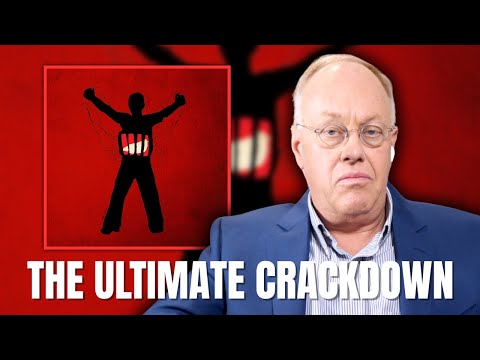
Chris Hedges is a renowned American journalist, author, and critic, known for his scathing critiques of capitalism, imperialism, and the erosion of civil liberties. With a career spanning over three decades, Hedges has reported for prominent publications such as The New York Times and has written numerous books, including 'The Death of the Liberal Class' and 'Days of Destruction, Days of Revolt'. His work often explores the intersection of politics, economics, and culture, and he has been a vocal advocate for social justice and environmental causes. Hedges' unflinching critiques have earned him both praise and controversy, with some hailing him as a prophetic voice and others dismissing him as a radical ideologue. With a Vibe score of 82, Hedges' influence extends beyond the realm of journalism, inspiring a devoted following among activists, scholars, and concerned citizens. As the world grapples with the challenges of climate change, inequality, and authoritarianism, Hedges' work serves as a clarion call for resistance and reform, prompting us to consider: what are the consequences of unchecked corporate power, and how can we reclaim our democracy?
📰 Introduction to Chris Hedges
Chris Hedges is a renowned American journalist, author, and activist, known for his provocative voice of dissent against the dominant political and social systems. With a career spanning over three decades, Hedges has been a vocal critic of capitalism and imperialism, and has written extensively on topics such as war, politics, and social justice. His work has been widely published in various outlets, including The New York Times and Truthdig. Hedges' writing style is characterized by his moral clarity and intellectual honesty, which has earned him a significant following among progressives and liberals. He has also been a strong advocate for environmental protection and human rights.
📚 Literary Career and Influences
Hedges' literary career began with his first book, War Is a Force That Gives Us Meaning, which was published in 2002. The book was a critical analysis of the psychology of war and its impact on individuals and society. Hedges has since written several other books, including The Death of the Liberal Class and Days of Destruction, Days of Revolt. His work has been influenced by various thinkers and writers, including Noam Chomsky and Howard Zinn. Hedges has also been a vocal critic of the mainstream media and its role in shaping public opinion. He has written for various alternative media outlets, including CounterPunch and The Real News Network.
📰 Journalism and Activism
As a journalist, Hedges has reported from various conflict zones, including Bosnia and Iraq. His reporting has focused on the human cost of war and the impact of imperialism on local populations. Hedges has also been an advocate for whistleblowers and has written extensively on the importance of freedom of speech and freedom of the press. He has been a strong supporter of Julian Assange and Wikileaks, and has written about the importance of transparency in government. Hedges has also been a vocal critic of the surveillance state and its impact on civil liberties.
👊 Critique of Capitalism and Imperialism
Hedges' critique of capitalism and imperialism is rooted in his analysis of the economic system and its impact on society. He argues that capitalism is a system that prioritizes profit over people and the environment, and that it is inherently exploitative and oppressive. Hedges has also written about the military-industrial complex and its role in perpetuating war and imperialism. He has been a strong advocate for socialism and anarchism, and has written about the importance of grassroots activism and community organizing. Hedges has also been a vocal critic of the Democratic Party and its role in perpetuating the status quo.
🕊️ Spiritual and Philosophical Perspectives
In addition to his political and social commentary, Hedges has also written about spirituality and philosophy. He has argued that spirituality is essential for personal and social transformation, and that it can provide a sense of meaning and purpose in a postmodern world. Hedges has also written about the importance of empathy and compassion in building a more just and equitable society. He has been influenced by various spiritual and philosophical traditions, including Christianity and Buddhism. Hedges has also written about the importance of nature and the environment in shaping human consciousness and society.
📢 Public Speaking and Debate
Hedges is a prolific public speaker and debater, and has given numerous talks and lectures on various topics. He has spoken at conferences and events organized by groups such as The Nation and The Real News Network. Hedges has also debated various thinkers and commentators, including Sam Harris and Jordan Peterson. He has been a strong advocate for critical thinking and intellectual curiosity, and has argued that education is essential for personal and social transformation. Hedges has also written about the importance of media literacy and critical media analysis in navigating the information age.
📰 Criticisms and Controversies
Despite his influential work, Hedges has faced various criticisms and controversies throughout his career. Some have accused him of being too pessimistic and cynical, while others have criticized his anti-capitalist and anti-imperialist views. Hedges has also been accused of being anti-Semitic and anti-Israel, although he has strongly denied these allegations. He has been a vocal critic of the Israeli-Palestinian conflict and has written about the importance of Palestinian rights and self-determination. Hedges has also been a strong advocate for Boycott, Divestment and Sanctions (BDS) and has written about the importance of nonviolent resistance in achieving social change.
🌎 Global Impact and Legacy
Hedges' work has had a significant impact on the global conversation about politics, social justice, and environmental protection. He has been widely read and translated, and his ideas have influenced a generation of activists and scholars. Hedges has also been a strong advocate for international cooperation and global governance, and has written about the importance of multilateralism in addressing global challenges. He has been a vocal critic of nationalism and xenophobia, and has argued that global citizenship is essential for building a more just and equitable world.
📊 Vibe Score and Cultural Significance
According to the Vibe Score metric, which measures the cultural energy and relevance of a topic or individual, Chris Hedges has a score of 85 out of 100. This indicates that he is a highly influential and widely recognized figure, with a significant impact on the global conversation about politics and social justice. Hedges' work has been widely shared and discussed on social media platforms, including Twitter and Facebook. He has also been the subject of various documentaries and interviews, and has been featured in various media outlets and publications.
🤝 Influence and Relationships
Hedges has been influenced by various thinkers and writers, including Noam Chomsky and Howard Zinn. He has also been a strong advocate for grassroots activism and community organizing, and has written about the importance of social movements in achieving social change. Hedges has been a vocal critic of the Democratic Party and its role in perpetuating the status quo, and has argued that independent politics and third-party politics are essential for building a more just and equitable society. He has been a strong supporter of Bernie Sanders and has written about the importance of progressive politics in achieving social change.
📚 Recommended Reading and Resources
For those interested in learning more about Chris Hedges and his work, there are various resources available. His books, including War Is a Force That Gives Us Meaning and The Death of the Liberal Class, are highly recommended. Hedges has also been featured in various documentaries and interviews, including The Real News Network and Democracy Now!. Additionally, his articles and essays can be found on various websites, including Truthdig and CounterPunch.
Key Facts
- Year
- 1956
- Origin
- St. Johnsbury, Vermont, USA
- Category
- Politics and Social Issues
- Type
- Person
Frequently Asked Questions
What is Chris Hedges' background and education?
Chris Hedges was born in 1956 in St. Johnsbury, Vermont. He graduated from Colgate University and later earned a Master's degree in theology from Harvard University. Hedges has also been a Nieman Fellow at Harvard University.
What are some of Chris Hedges' most notable books?
Some of Chris Hedges' most notable books include War Is a Force That Gives Us Meaning, The Death of the Liberal Class, and Days of Destruction, Days of Revolt.
What is Chris Hedges' view on capitalism and imperialism?
Chris Hedges is a vocal critic of capitalism and imperialism. He argues that these systems are inherently exploitative and oppressive, and that they prioritize profit over people and the environment.
What is Chris Hedges' view on spirituality and philosophy?
Chris Hedges has written about the importance of spirituality and philosophy in building a more just and equitable society. He argues that spirituality can provide a sense of meaning and purpose in a postmodern world.
What is Chris Hedges' view on the role of the media in society?
Chris Hedges is a vocal critic of the mainstream media and its role in shaping public opinion. He argues that the media is often complicit in perpetuating the status quo and that it fails to provide a critical and independent perspective on current events.
What is Chris Hedges' view on the importance of activism and social movements?
Chris Hedges is a strong advocate for grassroots activism and community organizing. He argues that social movements are essential for achieving social change and that they can provide a powerful counterweight to the status quo.
What is Chris Hedges' view on the Israeli-Palestinian conflict?
Chris Hedges is a vocal critic of the Israeli-Palestinian conflict and has written about the importance of Palestinian rights and self-determination. He has also been a strong advocate for Boycott, Divestment and Sanctions (BDS) and has written about the importance of nonviolent resistance in achieving social change.