
Contents
- 🌎 Introduction to Community Organizing
- 👥 The Power of Collective Action
- 🔥 Conflict and Social Struggle
- 🌈 Building a Robust Local Democracy
- 📈 The Role of Leadership in Community Organizing
- 🤝 Coalitions and Campaigns
- 📊 Measuring Success in Community Organizing
- 🔜 The Future of Community Organizing
- 📚 Case Studies in Community Organizing
- 👫 Community Organizing and Social Justice
- 🌐 Global Perspectives on Community Organizing
- 📢 Conclusion: The Pulse of Social Change
- Frequently Asked Questions
- Related Topics
Overview
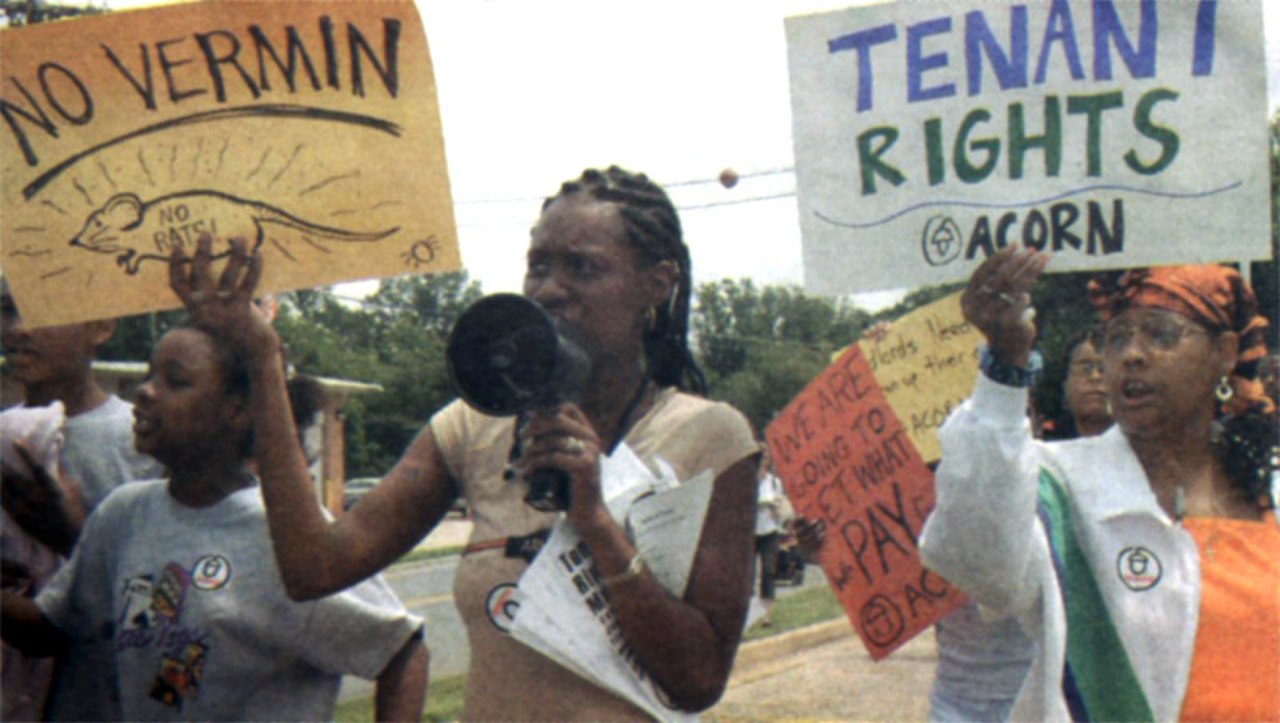
Community organizing is the process of bringing people together to identify and address common problems, fostering a sense of community and promoting social change. With roots in the Civil Rights Movement and the work of pioneers like Saul Alinsky, community organizing has evolved to tackle issues such as environmental justice, labor rights, and healthcare access. The tactic of community organizing has been employed by influential figures like Martin Luther King Jr., Cesar Chavez, and Angela Davis, who have leveraged the power of collective action to challenge systemic injustices. According to a study by the National Committee for Responsive Philanthropy, community organizing has been shown to be an effective strategy for creating lasting social change, with 75% of community organizing campaigns resulting in concrete policy changes. However, community organizing also faces challenges, such as funding constraints and opposition from powerful interests, as seen in the controversy surrounding the Dakota Access Pipeline protests. As community organizing continues to shape the social justice landscape, its future will depend on its ability to adapt to emerging issues and technologies, such as the use of social media and online platforms to mobilize and organize communities.
🌎 Introduction to Community Organizing
Community organizing is a process where people who live in proximity to each other or share some common problem come together into an organization that acts in their shared self-interest, as seen in the Social Movements of the 1960s. This approach to social change is rooted in the idea that collective power can be generated through conflict and social struggle, allowing marginalized communities to have a voice in decision-making processes. Community organizers work to develop new local leaders, facilitating coalitions and assisting in the development of campaigns. The goal of community organizing is to create a robust, organized, local democracy that brings community members together across differences to fight for the interests of the community, as discussed in Community Development initiatives. By building durable power for an organization representing the community, community organizers can influence key decision-makers on a range of issues over time. For example, the Civil Rights Movement in the United States was a powerful example of community organizing in action.
👥 The Power of Collective Action
The power of collective action is a key component of community organizing, as it allows individuals to come together and achieve more than they could alone. This approach to social change is rooted in the idea that social capital can be generated through collective action, allowing communities to build trust and cooperation. Community organizers work to develop new local leaders, facilitating leadership development and assisting in the development of community engagement initiatives. The goal of community organizing is to create a robust, organized, local democracy that brings community members together across differences to fight for the interests of the community, as seen in Grassroots Movements. By building durable power for an organization representing the community, community organizers can influence key decision-makers on a range of issues over time. For example, the Labor Movement in the United States was a powerful example of collective action in action, with workers coming together to fight for better wages and working conditions.
🌈 Building a Robust Local Democracy
Building a robust local democracy is a key goal of community organizing, as it allows community members to come together and make decisions that affect their lives. This approach to social change is rooted in the idea that participatory democracy can be generated through collective action, allowing communities to build trust and cooperation. Community organizers work to develop new local leaders, facilitating leadership development and assisting in the development of community engagement initiatives. The goal of community organizing is to create a robust, organized, local democracy that brings community members together across differences to fight for the interests of the community, as seen in Grassroots Movements. By building durable power for an organization representing the community, community organizers can influence key decision-makers on a range of issues over time. For example, the Occupy Wall Street movement in the United States was a powerful example of community organizing in action, with activists using participatory democracy to challenge economic inequality.
📈 The Role of Leadership in Community Organizing
The role of leadership in community organizing is crucial, as it allows individuals to develop the skills and knowledge necessary to facilitate collective action. This approach to social change is rooted in the idea that leadership development can be generated through collective action, allowing communities to build trust and cooperation. Community organizers work to develop new local leaders, facilitating mentorship and assisting in the development of community engagement initiatives. The goal of community organizing is to create a robust, organized, local democracy that brings community members together across differences to fight for the interests of the community, as discussed in Community Development initiatives. By building durable power for an organization representing the community, community organizers can influence key decision-makers on a range of issues over time. For example, the Civil Rights Movement in the United States was a powerful example of community organizing in action, with leaders such as Martin Luther King Jr playing a key role in facilitating collective action.
🤝 Coalitions and Campaigns
Coalitions and campaigns are key components of community organizing, as they allow individuals to come together and achieve more than they could alone. This approach to social change is rooted in the idea that coalition building can be generated through collective action, allowing communities to build trust and cooperation. Community organizers work to develop new local leaders, facilitating advocacy campaigns and assisting in the development of community engagement initiatives. The goal of community organizing is to create a robust, organized, local democracy that brings community members together across differences to fight for the interests of the community, as seen in Grassroots Movements. By building durable power for an organization representing the community, community organizers can influence key decision-makers on a range of issues over time. For example, the Labor Movement in the United States was a powerful example of coalition building in action, with workers coming together to fight for better wages and working conditions.
📊 Measuring Success in Community Organizing
Measuring success in community organizing is a complex task, as it involves evaluating the impact of collective action on social change. This approach to social change is rooted in the idea that social impact can be generated through collective action, allowing communities to build trust and cooperation. Community organizers work to develop new local leaders, facilitating evaluation and assisting in the development of community engagement initiatives. The goal of community organizing is to create a robust, organized, local democracy that brings community members together across differences to fight for the interests of the community, as discussed in Community Development initiatives. By building durable power for an organization representing the community, community organizers can influence key decision-makers on a range of issues over time. For example, the Civil Rights Movement in the United States was a powerful example of community organizing in action, with activists using evaluation to measure the impact of their efforts.
🔜 The Future of Community Organizing
The future of community organizing is uncertain, as it depends on the ability of individuals to come together and facilitate collective action. This approach to social change is rooted in the idea that social change necessarily involves conflict and social struggle in order to generate collective power for the powerless. Community organizers work to develop new local leaders, facilitating leadership development and assisting in the development of community engagement initiatives. The goal of community organizing is to create a robust, organized, local democracy that brings community members together across differences to fight for the interests of the community, as seen in Grassroots Movements. By building durable power for an organization representing the community, community organizers can influence key decision-makers on a range of issues over time. For example, the Occupy Wall Street movement in the United States was a powerful example of community organizing in action, with activists using social media to facilitate collective action.
📚 Case Studies in Community Organizing
Case studies in community organizing provide valuable insights into the process of facilitating collective action and social change. This approach to social change is rooted in the idea that social learning can be generated through collective action, allowing communities to build trust and cooperation. Community organizers work to develop new local leaders, facilitating mentorship and assisting in the development of community engagement initiatives. The goal of community organizing is to create a robust, organized, local democracy that brings community members together across differences to fight for the interests of the community, as discussed in Community Development initiatives. By building durable power for an organization representing the community, community organizers can influence key decision-makers on a range of issues over time. For example, the Civil Rights Movement in the United States was a powerful example of community organizing in action, with activists using case studies to evaluate the impact of their efforts.
🌐 Global Perspectives on Community Organizing
Global perspectives on community organizing provide valuable insights into the process of facilitating collective action and social change. This approach to social change is rooted in the idea that globalization can be generated through collective action, allowing communities to build trust and cooperation. Community organizers work to develop new local leaders, facilitating international cooperation and assisting in the development of community engagement initiatives. The goal of community organizing is to create a robust, organized, local democracy that brings community members together across differences to fight for the interests of the community, as discussed in Community Development initiatives. By building durable power for an organization representing the community, community organizers can influence key decision-makers on a range of issues over time. For example, the Arab Spring movement in the Middle East was a powerful example of community organizing in action, with activists using social media to facilitate collective action.
Key Facts
- Year
- 1960
- Origin
- United States
- Category
- Social Justice
- Type
- Social Movement
Frequently Asked Questions
What is community organizing?
Community organizing is a process where people who live in proximity to each other or share some common problem come together into an organization that acts in their shared self-interest. This approach to social change is rooted in the idea that collective power can be generated through conflict and social struggle, allowing marginalized communities to have a voice in decision-making processes. Community organizers work to develop new local leaders, facilitating coalitions and assisting in the development of campaigns. The goal of community organizing is to create a robust, organized, local democracy that brings community members together across differences to fight for the interests of the community, as discussed in Community Development initiatives.
What is the role of leadership in community organizing?
The role of leadership in community organizing is crucial, as it allows individuals to develop the skills and knowledge necessary to facilitate collective action. This approach to social change is rooted in the idea that leadership development can be generated through collective action, allowing communities to build trust and cooperation. Community organizers work to develop new local leaders, facilitating mentorship and assisting in the development of community engagement initiatives. The goal of community organizing is to create a robust, organized, local democracy that brings community members together across differences to fight for the interests of the community, as seen in Grassroots Movements.
What is the relationship between community organizing and social justice?
Community organizing and social justice are closely linked, as they both involve the pursuit of fairness and equality. This approach to social change is rooted in the idea that social justice can be generated through collective action, allowing communities to build trust and cooperation. Community organizers work to develop new local leaders, facilitating advocacy campaigns and assisting in the development of community engagement initiatives. The goal of community organizing is to create a robust, organized, local democracy that brings community members together across differences to fight for the interests of the community, as seen in Grassroots Movements.
What are some examples of successful community organizing campaigns?
There are many examples of successful community organizing campaigns, including the Civil Rights Movement in the United States, the Anti-Apartheid Movement in South Africa, and the Occupy Wall Street movement in the United States. These campaigns demonstrate the power of collective action and the importance of community organizing in facilitating social change. Community organizers work to develop new local leaders, facilitating coalitions and assisting in the development of campaigns. The goal of community organizing is to create a robust, organized, local democracy that brings community members together across differences to fight for the interests of the community, as discussed in Community Development initiatives.
How can I get involved in community organizing?
There are many ways to get involved in community organizing, including volunteering with local community organizations, participating in advocacy campaigns, and attending community meetings. Community organizers work to develop new local leaders, facilitating mentorship and assisting in the development of community engagement initiatives. The goal of community organizing is to create a robust, organized, local democracy that brings community members together across differences to fight for the interests of the community, as seen in Grassroots Movements. By building durable power for an organization representing the community, community organizers can influence key decision-makers on a range of issues over time.