
Contents
- 🌎 Introduction to the China-US Trade War
- 📊 Economic Interdependence and Rising Tensions
- 🚫 Tariffs and Trade Barriers: The War Begins
- 🌈 The Role of Intellectual Property in the Trade War
- 📈 Impact on Global Markets and Economies
- 🤝 Diplomatic Efforts and Negotiations
- 🌐 The Digital Economy and Technological Competition
- 📊 The Human Cost: Jobs, Inflation, and Consumer Prices
- 🌎 Geopolitical Implications and the Future of Global Trade
- 📊 Retaliation and Escalation: A Cycle of Trade Restrictions
- 📈 The Phase One Deal: A Temporary Reprieve or a New Beginning?
- Frequently Asked Questions
- Related Topics
Overview
The China-US trade war, which began in 2018, has been a defining feature of the global economic landscape. The conflict, sparked by the Trump administration's imposition of tariffs on Chinese goods, has escalated into a multifaceted dispute involving intellectual property, technology, and national security. With over $500 billion in bilateral trade at stake, the trade war has significant implications for global supply chains, economic growth, and geopolitical stability. According to a report by the US Trade Representative, China's unfair trade practices have resulted in an estimated $300-400 billion in annual losses for the US economy. As the trade war continues to evolve, key players such as Huawei, Apple, and Boeing are caught in the crossfire, with the global economy hanging in the balance. The trade war has also sparked a wider debate about the future of globalization, the role of the US dollar, and the rise of China as a global economic powerhouse, with some experts predicting a potential shift in the global economic order.
🌎 Introduction to the China-US Trade War
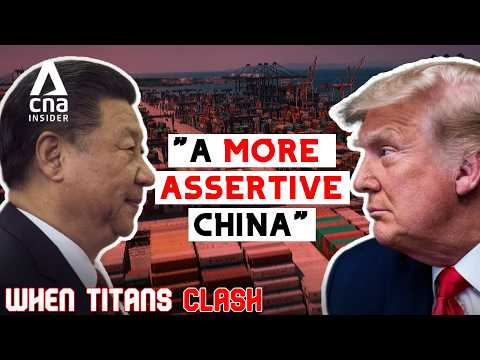
The China-US trade war, which began in 2018, is a complex and multifaceted conflict that has far-reaching implications for the global economy. At its core, the trade war is a clash of titans, pitting the world's two largest economies against each other in a struggle for dominance. The trade war has its roots in the China-US economic relationship, which has been marked by trade deficits and intellectual property theft. As the trade war escalates, it is likely to have significant impacts on global markets and international trade.
📊 Economic Interdependence and Rising Tensions
The economic interdependence between China and the US is a key factor in the trade war. The two countries have a long history of trade and foreign investment, with China being one of the US's largest trading partners. However, the trade deficit between the two countries has been a source of tension, with the US accusing China of currency manipulation and intellectual property theft. The trade war has also been driven by technological competition, with the US seeking to limit China's access to advanced technologies. As the trade war continues, it is likely to have significant impacts on global economy and international trade. The World Trade Organization has been criticized for its inability to prevent the trade war, highlighting the need for trade reform.
🚫 Tariffs and Trade Barriers: The War Begins
The trade war began in 2018, when the US imposed tariffs on Chinese goods worth over $360 billion. China retaliated with its own tariffs on US goods, leading to a cycle of trade restrictions. The trade war has had significant impacts on global markets, with the Dow Jones and Shanghai Composite indexes experiencing significant volatility. The trade war has also led to a decline in US-China trade, with US exports to China declining by over 10%. As the trade war continues, it is likely to have significant impacts on US economy and China economy. The IMF has warned of the risks of a global recession if the trade war is not resolved.
🌈 The Role of Intellectual Property in the Trade War
Intellectual property has played a significant role in the trade war, with the US accusing China of intellectual property theft. The US has imposed tariffs on Chinese goods in an effort to protect US intellectual property. China has responded by imposing its own tariffs on US goods, leading to a cycle of trade restrictions. The trade war has also highlighted the need for IP protection and trade secret protection. As the trade war continues, it is likely to have significant impacts on global innovation and technological competition. The WTO has been criticized for its inability to prevent the trade war, highlighting the need for trade reform. The China-US IP dispute is a key aspect of the trade war, with the US seeking to protect its intellectual property.
📈 Impact on Global Markets and Economies
The trade war has had significant impacts on global markets and economies. The Dow Jones and Shanghai Composite indexes have experienced significant volatility, with the Dow Jones declining by over 10% in 2018. The trade war has also led to a decline in global trade, with the WTO warning of a global recession if the trade war is not resolved. The trade war has also had significant impacts on US economy and China economy, with the IMF warning of the risks of a global recession. As the trade war continues, it is likely to have significant impacts on global markets and international trade. The China-US economic relationship is a key factor in the trade war, with the two countries having a long history of trade and foreign investment.
🤝 Diplomatic Efforts and Negotiations
Diplomatic efforts and negotiations have been ongoing in an effort to resolve the trade war. The US and China have held several rounds of trade talks, with the two countries agreeing to a Phase One deal in 2020. The deal included a commitment by China to increase its US imports and to protect US intellectual property. However, the deal was criticized for its lack of enforcement mechanisms, with the US seeking to impose tariffs on Chinese goods if China fails to comply with the deal. As the trade war continues, it is likely to have significant impacts on global markets and international trade. The China-US trade war is a complex and multifaceted conflict that requires a comprehensive solution. The WTO has been criticized for its inability to prevent the trade war, highlighting the need for trade reform.
🌐 The Digital Economy and Technological Competition
The digital economy and technological competition are key factors in the trade war. The US has imposed tariffs on Chinese goods in an effort to limit China's access to advanced technologies. China has responded by imposing its own tariffs on US goods, leading to a cycle of trade restrictions. The trade war has also highlighted the need for cybersecurity and data protection. As the trade war continues, it is likely to have significant impacts on global innovation and technological competition. The China-US technology dispute is a key aspect of the trade war, with the US seeking to limit China's access to advanced technologies. The Huawei ban is a key example of the trade war's impact on the digital economy, with the US seeking to limit China's access to US technology.
📊 The Human Cost: Jobs, Inflation, and Consumer Prices
The human cost of the trade war has been significant, with the trade war leading to a decline in US jobs and an increase in inflation. The trade war has also had significant impacts on consumer prices, with the CPI increasing by over 2% in 2020. The trade war has also led to a decline in US exports, with the US trade deficit increasing by over 10% in 2020. As the trade war continues, it is likely to have significant impacts on US economy and China economy. The IMF has warned of the risks of a global recession if the trade war is not resolved. The China-US economic relationship is a key factor in the trade war, with the two countries having a long history of trade and foreign investment.
🌎 Geopolitical Implications and the Future of Global Trade
The geopolitical implications of the trade war are significant, with the trade war highlighting the need for global governance and trade reform. The trade war has also led to a decline in US-China relations, with the two countries experiencing significant tensions. The trade war has also had significant impacts on global markets and international trade, with the WTO warning of a global recession if the trade war is not resolved. As the trade war continues, it is likely to have significant impacts on global economy and international trade. The China-US trade war is a complex and multifaceted conflict that requires a comprehensive solution. The G20 has been criticized for its inability to prevent the trade war, highlighting the need for global governance.
📊 Retaliation and Escalation: A Cycle of Trade Restrictions
The cycle of retaliation and escalation has been a key factor in the trade war, with the US and China imposing tariffs on each other's goods. The trade war has also led to a decline in US-China trade, with the US trade deficit increasing by over 10% in 2020. The trade war has also had significant impacts on global markets and international trade, with the WTO warning of a global recession if the trade war is not resolved. As the trade war continues, it is likely to have significant impacts on US economy and China economy. The IMF has warned of the risks of a global recession if the trade war is not resolved. The China-US economic relationship is a key factor in the trade war, with the two countries having a long history of trade and foreign investment.
📈 The Phase One Deal: A Temporary Reprieve or a New Beginning?
The Phase One deal, signed in 2020, was a significant development in the trade war. The deal included a commitment by China to increase its US imports and to protect US intellectual property. However, the deal was criticized for its lack of enforcement mechanisms, with the US seeking to impose tariffs on Chinese goods if China fails to comply with the deal. As the trade war continues, it is likely to have significant impacts on global markets and international trade. The China-US trade war is a complex and multifaceted conflict that requires a comprehensive solution. The WTO has been criticized for its inability to prevent the trade war, highlighting the need for trade reform. The China-US economic relationship is a key factor in the trade war, with the two countries having a long history of trade and foreign investment.
Key Facts
- Year
- 2018
- Origin
- Washington D.C., USA and Beijing, China
- Category
- International Trade and Economics
- Type
- Geopolitical Event
Frequently Asked Questions
What is the China-US trade war?
The China-US trade war is a complex and multifaceted conflict between the world's two largest economies. The trade war began in 2018, when the US imposed tariffs on Chinese goods worth over $360 billion. China retaliated with its own tariffs on US goods, leading to a cycle of trade restrictions. The trade war has had significant impacts on global markets and international trade. The China-US economic relationship is a key factor in the trade war, with the two countries having a long history of trade and foreign investment.
What are the main issues in the China-US trade war?
The main issues in the China-US trade war include intellectual property theft, currency manipulation, and trade deficit. The US has imposed tariffs on Chinese goods in an effort to protect US intellectual property and to reduce the US-China trade deficit. China has responded by imposing its own tariffs on US goods, leading to a cycle of trade restrictions. The trade war has also highlighted the need for cybersecurity and data protection.
How has the China-US trade war affected global markets?
The China-US trade war has had significant impacts on global markets. The Dow Jones and Shanghai Composite indexes have experienced significant volatility, with the Dow Jones declining by over 10% in 2018. The trade war has also led to a decline in global trade, with the WTO warning of a global recession if the trade war is not resolved. The trade war has also had significant impacts on US economy and China economy.
What is the Phase One deal?
The Phase One deal is a significant development in the China-US trade war. The deal, signed in 2020, includes a commitment by China to increase its US imports and to protect US intellectual property. However, the deal was criticized for its lack of enforcement mechanisms, with the US seeking to impose tariffs on Chinese goods if China fails to comply with the deal. The deal is a temporary reprieve in the trade war, but it is not a comprehensive solution to the conflict.
What are the potential consequences of the China-US trade war?
The potential consequences of the China-US trade war are significant. The trade war could lead to a global recession, with the IMF warning of the risks of a recession if the trade war is not resolved. The trade war could also lead to a decline in global trade, with the WTO warning of a recession if the trade war is not resolved. The trade war has also had significant impacts on US economy and China economy.