
Contents
- 📈 Introduction to Foreign Investment
- 🚨 The Double-Edged Sword of Foreign Investment
- 📊 Foreign Direct Investment (FDI) and Its Impact
- 📁 Foreign Portfolio Investment (FPI) and Market Volatility
- 🔒 National Security Concerns and Foreign Investment
- 📜 Regulatory Frameworks for Foreign Investment
- 🌎 Global Examples of Foreign Investment
- 📊 Measuring the Success of Foreign Investment
- 💸 The Role of Governments in Attracting Foreign Investment
- 🤝 International Cooperation and Foreign Investment
- 📊 The Future of Foreign Investment and Economic Growth
- Frequently Asked Questions
- Related Topics
Overview
Foreign investment, which totaled $1.4 trillion in 2020 according to the United Nations Conference on Trade and Development (UNCTAD), is a contentious issue, with proponents arguing it brings much-needed capital and expertise to developing economies, while critics contend it can lead to exploitation and undermine local industries. The historian's lens reveals a long history of foreign investment, dating back to colonialism and the scramble for Africa in the late 19th century. From a skeptical perspective, the benefits of foreign investment are often overstated, and the risks, such as the potential for environmental degradation and labor exploitation, are downplayed. Meanwhile, the fan of globalization sees foreign investment as a key driver of economic growth and development, citing examples such as the rapid industrialization of China and the emergence of India as a major economic power. The engineer's perspective highlights the importance of institutional frameworks and regulatory environments in shaping the impact of foreign investment, with countries like Singapore and Ireland attracting significant foreign investment due to their business-friendly policies. Looking to the future, the futurist asks whether the rise of emerging markets and the growing importance of South-South investment will reshape the global investment landscape, with the African Continental Free Trade Area (AfCFTA) and the Belt and Road Initiative (BRI) being two notable examples of this trend. As foreign investment continues to evolve, it is likely to remain a highly contested and debated topic, with different stakeholders holding varying perspectives on its benefits and drawbacks.
📈 Introduction to Foreign Investment
The concept of foreign investment has been a topic of discussion among economists and policymakers for decades. It refers to the investment of foreign capital in a country, which can take various forms, including foreign direct investment (FDI) and foreign portfolio investment (FPI). Foreign investment can bring numerous benefits to a country, including the creation of jobs, the transfer of technology, and the increase of economic growth. However, it also poses significant risks, such as the loss of control over domestic industries and the potential for economic instability. The Foreign Investment and National Security Act of 2007 in the United States is an example of a regulatory framework that aims to balance the benefits and risks of foreign investment.
🚨 The Double-Edged Sword of Foreign Investment
The double-edged sword of foreign investment is a phenomenon that has been observed in many countries. On the one hand, foreign investment can bring significant economic benefits, such as the creation of jobs and the increase of economic growth. On the other hand, it can also pose significant risks, such as the loss of control over domestic industries and the potential for economic instability. The Foreign Investment Review Agency in Canada and the Foreign Investment Review Board in Australia are examples of regulatory bodies that aim to mitigate these risks. The Foreign Investment Promotion Board in India is another example of a national agency that aims to promote foreign investment while minimizing its risks.
📊 Foreign Direct Investment (FDI) and Its Impact
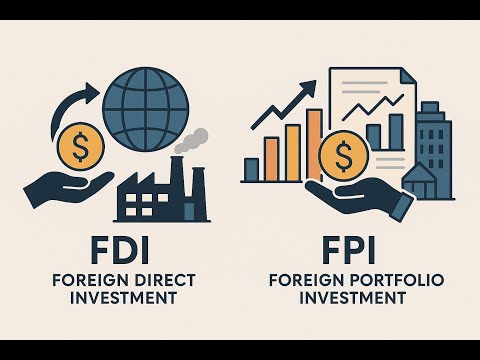
Foreign direct investment (FDI) is a type of foreign investment that involves the establishment of a controlling ownership in a business in one country by an entity based in another country. FDI can take various forms, including the establishment of new businesses, the acquisition of existing businesses, and the expansion of existing businesses. The benefits of FDI include the creation of jobs, the transfer of technology, and the increase of economic growth. However, FDI also poses significant risks, such as the loss of control over domestic industries and the potential for economic instability. The Haryana State Industrial and Infrastructure Development Corporation (HSIIDC) in India is an example of a state-level agency that aims to promote FDI.
📁 Foreign Portfolio Investment (FPI) and Market Volatility
Foreign portfolio investment (FPI) is another type of foreign investment that involves the entry of funds into a country where foreigners deposit money in a country's bank or make purchases in the country's stock and bond markets. FPI can be used for speculation, and it can pose significant risks to the stability of a country's financial markets. The FPI in a country can be influenced by various factors, including the country's economic performance, the stability of its financial markets, and the regulatory framework. The Foreign Investment and NRI Cell in the Haryana State Industrial and Infrastructure Development Corporation (HSIIDC) is an example of a state-level agency that aims to promote FPI.
🔒 National Security Concerns and Foreign Investment
National security concerns are a significant aspect of foreign investment. The potential for foreign investors to acquire control over strategic industries, such as defense and energy, can pose significant risks to a country's national security. The Foreign Investment and National Security Act of 2007 in the United States is an example of a regulatory framework that aims to mitigate these risks. The Committee on Foreign Investment in the United States (CFIUS) is another example of a regulatory body that aims to review foreign investments for national security risks.
📜 Regulatory Frameworks for Foreign Investment
Regulatory frameworks for foreign investment vary significantly across countries. Some countries have relatively open regulatory frameworks, while others have more restrictive frameworks. The Foreign Investment Review Agency in Canada and the Foreign Investment Review Board in Australia are examples of regulatory bodies that aim to review foreign investments for national security risks and other concerns. The Foreign Investment Promotion Board in India is another example of a national agency that aims to promote foreign investment while minimizing its risks.
🌎 Global Examples of Foreign Investment
There are many global examples of foreign investment. The United States is one of the largest recipients of foreign investment, with many foreign companies establishing operations in the country. The United Kingdom is another example of a country that has attracted significant foreign investment, particularly in the financial services sector. The China is also a significant recipient of foreign investment, with many foreign companies establishing operations in the country. The India is another example of a country that has attracted significant foreign investment, particularly in the technology sector.
📊 Measuring the Success of Foreign Investment
Measuring the success of foreign investment can be challenging. The Vibe Score is a metric that can be used to measure the cultural energy of a country, which can be influenced by foreign investment. The FDI inflows and outflows can also be used to measure the success of foreign investment. The GDP growth rate and the unemployment rate are other metrics that can be used to measure the success of foreign investment.
💸 The Role of Governments in Attracting Foreign Investment
The role of governments in attracting foreign investment is significant. Governments can create a favorable business environment by implementing policies that promote foreign investment, such as tax incentives and investment promotion agencies. The Foreign Investment Promotion Board in India is an example of a national agency that aims to promote foreign investment. The Haryana State Industrial and Infrastructure Development Corporation (HSIIDC) in India is another example of a state-level agency that aims to promote foreign investment.
🤝 International Cooperation and Foreign Investment
International cooperation is essential for promoting foreign investment. The World Trade Organization (WTO) is an example of an international organization that aims to promote free trade and foreign investment. The Organisation for Economic Co-operation and Development (OECD) is another example of an international organization that aims to promote foreign investment and economic development.
📊 The Future of Foreign Investment and Economic Growth
The future of foreign investment and economic growth is uncertain. The foreign investment landscape is constantly evolving, with new trends and challenges emerging all the time. The Vibe Score can be used to measure the cultural energy of a country, which can be influenced by foreign investment. The FDI inflows and outflows can also be used to measure the success of foreign investment. As the global economy continues to evolve, it is essential to stay informed about the latest trends and developments in foreign investment.
Key Facts
- Year
- 2020
- Origin
- Global
- Category
- Economics
- Type
- Concept
Frequently Asked Questions
What is foreign investment?
Foreign investment refers to the investment of foreign capital in a country, which can take various forms, including foreign direct investment (FDI) and foreign portfolio investment (FPI). Foreign investment can bring numerous benefits to a country, including the creation of jobs, the transfer of technology, and the increase of economic growth. However, it also poses significant risks, such as the loss of control over domestic industries and the potential for economic instability. The Foreign Investment and National Security Act of 2007 in the United States is an example of a regulatory framework that aims to balance the benefits and risks of foreign investment.
What is the difference between FDI and FPI?
Foreign direct investment (FDI) involves the establishment of a controlling ownership in a business in one country by an entity based in another country. FDI can take various forms, including the establishment of new businesses, the acquisition of existing businesses, and the expansion of existing businesses. Foreign portfolio investment (FPI), on the other hand, involves the entry of funds into a country where foreigners deposit money in a country's bank or make purchases in the country's stock and bond markets. FPI can be used for speculation, and it can pose significant risks to the stability of a country's financial markets.
What are the benefits of foreign investment?
The benefits of foreign investment include the creation of jobs, the transfer of technology, and the increase of economic growth. Foreign investment can also bring new skills and knowledge to a country, which can help to improve the competitiveness of domestic industries. The Foreign Investment Promotion Board in India is an example of a national agency that aims to promote foreign investment and maximize its benefits.
What are the risks of foreign investment?
The risks of foreign investment include the loss of control over domestic industries, the potential for economic instability, and the risk of job losses. Foreign investment can also pose significant risks to a country's national security, particularly if foreign investors acquire control over strategic industries. The Foreign Investment and National Security Act of 2007 in the United States is an example of a regulatory framework that aims to mitigate these risks.
How can governments attract foreign investment?
Governments can create a favorable business environment by implementing policies that promote foreign investment, such as tax incentives and investment promotion agencies. The Foreign Investment Promotion Board in India is an example of a national agency that aims to promote foreign investment. Governments can also invest in infrastructure, such as transportation and telecommunications, to make it easier for foreign investors to establish operations in the country.
What is the role of international organizations in promoting foreign investment?
International organizations, such as the World Trade Organization (WTO) and the Organisation for Economic Co-operation and Development (OECD), play a crucial role in promoting foreign investment. These organizations aim to promote free trade and foreign investment, and they provide a framework for countries to cooperate on issues related to foreign investment.
How can the success of foreign investment be measured?
The success of foreign investment can be measured using various metrics, including the Vibe Score, the FDI inflows and outflows, and the GDP growth rate. The unemployment rate is another metric that can be used to measure the success of foreign investment. It is essential to use a combination of these metrics to get a comprehensive picture of the success of foreign investment.