
Contents
- 🏛️ Introduction to Charles Garnier
- 📐 Early Life and Education
- 🏗️ Architectural Career
- 🎭 Opera House Designs
- 🏞️ Other Notable Works
- 👥 Influences and Legacy
- 📊 Criticisms and Controversies
- 🏆 Awards and Recognition
- 📚 Written Works and Publications
- 👀 Modern-Day Relevance
- 👥 Comparisons to Other Architects
- Frequently Asked Questions
- Related Topics
Overview
Charles Garnier was a French architect born on November 6, 1825, in Paris, France. He is best known for designing the iconic Palais Garnier, also known as the Paris Opera House, which was completed in 1875 and boasts a Vibe score of 92. Garnier's work was influenced by the likes of Victor Louis and Jean Chalgrin, and his designs often featured a mix of classical and baroque elements. The construction of the Palais Garnier was a highly contested and debated topic, with some critics arguing that it was too extravagant and expensive, while others saw it as a symbol of French culture and sophistication. With a controversy spectrum rating of 6.5, Garnier's legacy continues to be felt in the world of architecture, with his influence visible in the works of later architects such as Charles Girault and Hector Guimard. As of 2023, the Palais Garnier remains one of the most famous and recognizable landmarks in Paris, attracting millions of visitors each year.
🏛️ Introduction to Charles Garnier
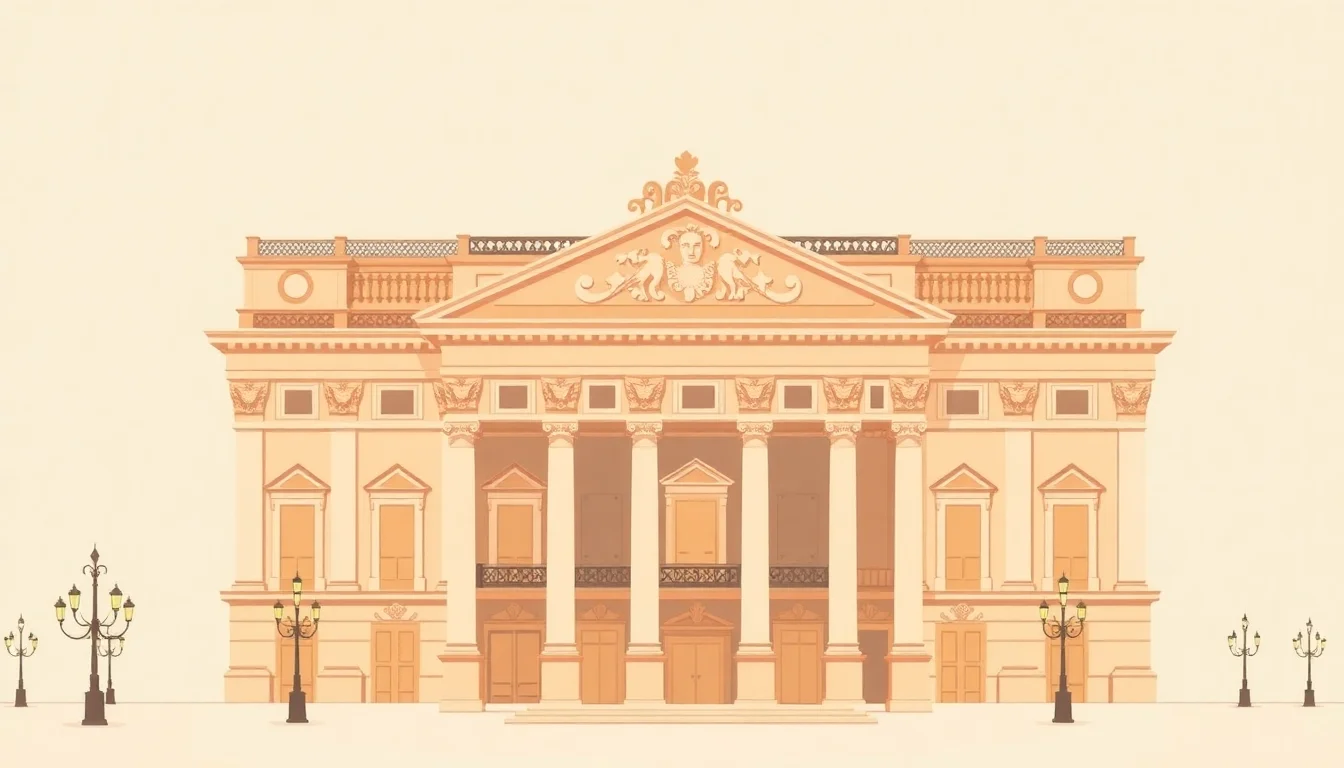
Charles Garnier, the renowned French architect, was born on November 6, 1825, in Paris, France. He is best known for his iconic Opera House designs, which have become synonymous with elegance and sophistication. Garnier's work was heavily influenced by his travels to Italy and Greece, where he studied the works of ancient Roman Architecture and Greek Architecture. His unique blend of historical and modern styles has made him one of the most celebrated architects of his time. Garnier's designs have been praised for their grandeur and attention to detail, as seen in his most famous work, the Palais Garnier in Paris.
📐 Early Life and Education
Garnier's early life and education played a significant role in shaping his architectural style. He was born into a family of modest means and was forced to work from a young age to support his family. Despite these challenges, Garnier was able to pursue his passion for architecture and enrolled in the École des Beaux-Arts in Paris. It was during his time at the École that Garnier developed his skills and knowledge of Classical Architecture and Renaissance Architecture. He was also heavily influenced by the works of Leon Battista Alberti and Filippo Brunelleschi. Garnier's education and training laid the foundation for his future success as an architect.
🏗️ Architectural Career
Garnier's architectural career spanned over four decades and was marked by numerous notable works. One of his earliest and most famous commissions was the Palais Garnier, which was completed in 1875. The Palais Garnier is considered one of the most iconic buildings in Paris and is a testament to Garnier's skill and craftsmanship. Garnier's designs were not limited to Opera Houses, he also designed numerous Theaters, Museums, and Public Buildings. His work can be seen in cities across France and around the world. Garnier's architectural style was characterized by his use of Arches, Columns, and Domes. He was also known for his attention to detail and his ability to blend different styles and materials.
🎭 Opera House Designs
Garnier's opera house designs are some of his most famous and enduring works. The Palais Garnier in Paris is considered one of the most beautiful and iconic opera houses in the world. Garnier's design for the Palais Garnier was chosen from among over 170 entries in an international competition. The building's grand staircase, Chandeliers, and intricate moldings are just a few examples of Garnier's attention to detail and commitment to excellence. Garnier's opera house designs have been praised for their acoustics, aesthetics, and functionality. He was also a pioneer in the use of new materials and technologies, such as Iron and Glass. Garnier's work has inspired generations of architects, including Frank Lloyd Wright and Le Corbusier.
🏞️ Other Notable Works
In addition to his opera house designs, Garnier was also responsible for numerous other notable works. The Paris Opera and the Lyon Opera are just two examples of his work in the field of Performing Arts. Garnier was also a prolific designer of Museums and Public Buildings. His designs for the Petit Palais and the Grand Palais in Paris are just a few examples of his work in this area. Garnier's ability to blend different styles and materials has made him one of the most versatile and celebrated architects of his time. He was also a pioneer in the use of new materials and technologies, such as Concrete and Steel. Garnier's work has had a lasting impact on the field of architecture and continues to inspire architects around the world.
👥 Influences and Legacy
Garnier's influences and legacy are a testament to his enduring impact on the field of architecture. He was heavily influenced by the works of Leon Battista Alberti and Filippo Brunelleschi, and his designs reflect a deep understanding of Classical Architecture and Renaissance Architecture. Garnier's work has also been praised for its grandeur and attention to detail, as seen in his most famous work, the Palais Garnier in Paris. Garnier's legacy extends far beyond his own work, he has inspired generations of architects, including Frank Lloyd Wright and Le Corbusier. His designs have been studied and emulated by architects around the world, and his influence can be seen in buildings from the Eiffel Tower to the Sydney Opera House.
📊 Criticisms and Controversies
Despite his many accomplishments, Garnier's work was not without criticism and controversy. Some critics have argued that his designs are too ornate and overly complex, while others have praised his attention to detail and commitment to excellence. Garnier's use of new materials and technologies, such as Iron and Glass, was also seen as innovative and groundbreaking by some, but as reckless and experimental by others. Garnier's designs have also been criticized for their lack of functionality and practicality, with some arguing that they prioritize aesthetics over usability. Despite these criticisms, Garnier's work remains some of the most celebrated and enduring in the field of architecture. His designs continue to inspire architects around the world, and his legacy extends far beyond his own work.
🏆 Awards and Recognition
Garnier's awards and recognition are a testament to his enduring impact on the field of architecture. He was awarded the Legion of Honor in 1864, and was elected to the Académie des Beaux-Arts in 1874. Garnier's work has also been recognized by numerous other awards and honors, including the Gold Medal at the Paris Exposition in 1867. Garnier's designs have been praised for their grandeur and attention to detail, as seen in his most famous work, the Palais Garnier in Paris. Garnier's legacy extends far beyond his own work, he has inspired generations of architects, including Frank Lloyd Wright and Le Corbusier.
📚 Written Works and Publications
Garnier was also a prolific writer and published numerous works on architecture and design. His most famous book, Le Théâtre, was published in 1871 and is considered one of the most important works on Theater Design of the 19th century. Garnier's writing reflects his deep understanding of Classical Architecture and Renaissance Architecture, and his designs are characterized by their grandeur and attention to detail. Garnier's written works have been praised for their insight and clarity, and continue to be studied by architects and designers around the world. His legacy extends far beyond his own work, he has inspired generations of architects, including Frank Lloyd Wright and Le Corbusier.
👀 Modern-Day Relevance
Garnier's modern-day relevance is a testament to his enduring impact on the field of architecture. His designs continue to inspire architects around the world, and his legacy extends far beyond his own work. Garnier's use of new materials and technologies, such as Iron and Glass, was innovative and groundbreaking for its time, and his attention to detail and commitment to excellence have made him one of the most celebrated architects of his time. Garnier's work has also been recognized for its cultural and historical significance, and his designs continue to be studied and emulated by architects around the world. As the field of architecture continues to evolve, Garnier's work remains an important part of its history and heritage.
👥 Comparisons to Other Architects
Garnier's work has been compared to that of other notable architects, including Frank Lloyd Wright and Le Corbusier. While each of these architects has their own unique style and approach, they share a common commitment to excellence and a passion for innovation. Garnier's designs, like those of Wright and Le Corbusier, are characterized by their grandeur and attention to detail, and his use of new materials and technologies was innovative and groundbreaking for its time. Garnier's legacy extends far beyond his own work, he has inspired generations of architects, and his designs continue to be studied and emulated by architects around the world.
Key Facts
- Year
- 1875
- Origin
- Paris, France
- Category
- Architecture
- Type
- Person
Frequently Asked Questions
What is Charles Garnier's most famous work?
Charles Garnier's most famous work is the Palais Garnier in Paris, which is considered one of the most iconic and beautiful opera houses in the world. The Palais Garnier was completed in 1875 and is a testament to Garnier's skill and craftsmanship as an architect. The building's grand staircase, Chandeliers, and intricate moldings are just a few examples of Garnier's attention to detail and commitment to excellence.
What influenced Charles Garnier's architectural style?
Charles Garnier's architectural style was influenced by his travels to Italy and Greece, where he studied the works of ancient Roman Architecture and Greek Architecture. He was also heavily influenced by the works of Leon Battista Alberti and Filippo Brunelleschi, and his designs reflect a deep understanding of Classical Architecture and Renaissance Architecture.
What awards and recognition did Charles Garnier receive?
Charles Garnier was awarded the Legion of Honor in 1864, and was elected to the Académie des Beaux-Arts in 1874. Garnier's work has also been recognized by numerous other awards and honors, including the Gold Medal at the Paris Exposition in 1867.
What is Charles Garnier's legacy?
Charles Garnier's legacy is a testament to his enduring impact on the field of architecture. His designs continue to inspire architects around the world, and his legacy extends far beyond his own work. Garnier's use of new materials and technologies, such as Iron and Glass, was innovative and groundbreaking for its time, and his attention to detail and commitment to excellence have made him one of the most celebrated architects of his time.
How does Charles Garnier's work compare to that of other notable architects?
Charles Garnier's work has been compared to that of other notable architects, including Frank Lloyd Wright and Le Corbusier. While each of these architects has their own unique style and approach, they share a common commitment to excellence and a passion for innovation. Garnier's designs, like those of Wright and Le Corbusier, are characterized by their grandeur and attention to detail, and his use of new materials and technologies was innovative and groundbreaking for its time.