
Contents
- 🏞️ Introduction to Celtic Druids
- 📚 History of the Druids
- 🌿 Druidic Practices and Rituals
- 👥 Organization and Hierarchy
- 📖 Druidic Knowledge and Education
- 🔮 Druids in Modern Times
- 🌟 Cultural Significance and Legacy
- 🤝 Influence on Other Cultures
- 📊 Controversies and Debates
- 👀 Conclusion and Future Directions
- Frequently Asked Questions
- Related Topics
Overview
The Celtic Druids were a group of spiritual leaders and priests who played a central role in the ancient Celtic societies of Europe, from Britain to France and Ireland. They were known for their deep understanding of nature, their spiritual practices, and their role as mediators between the physical and spiritual worlds. The Druids were also responsible for passing down their knowledge and traditions through generations, using a combination of oral and written teachings, including the use of Ogham script. Despite their significant influence on Western culture, the Druids remain somewhat mysterious, with many aspects of their beliefs and practices still being debated among scholars today. The study of Druidry has been influenced by various fields, including anthropology and archaeology. As we explore the world of the Celtic Druids, we will delve into their history, practices, and legacy, and examine the ways in which they continue to inspire and influence contemporary culture, including the Wiccan movement.
📚 History of the Druids
The history of the Druids is complex and multifaceted, spanning over two millennia. The earliest recorded references to the Druids date back to the 2nd century BCE, in the writings of Greek and Roman authors such as Julius Caesar and Strabo. These accounts describe the Druids as a powerful and respected class of spiritual leaders, who played a key role in the social, cultural, and political life of the ancient Celts. The Druids were also known for their expertise in various fields, including astronomy, medicine, and law. As the Roman Empire expanded its territories, the Druids came into conflict with the Roman authorities, who saw them as a threat to their power and influence. This led to a period of persecution and suppression, which ultimately contributed to the decline of the Druidic tradition. However, the legacy of the Druids continued to shape the cultural and spiritual landscape of Europe, influencing the development of Christianity and other spiritual movements.
🌿 Druidic Practices and Rituals
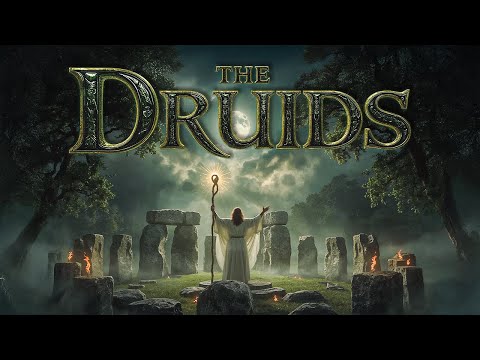
Druidic practices and rituals were deeply rooted in the natural world and the cycles of nature. The Druids believed in a complex pantheon of gods and goddesses, each associated with specific aspects of the natural world, such as the sun and the moon. They also believed in the concept of reincarnation, and the idea that the soul could transmigrate into different forms of life. The Druids practiced a range of rituals and ceremonies, including the famous Stonehenge solstice celebrations, which were designed to honor the gods and ensure the fertility and prosperity of the land. These rituals often involved the use of sacred plants, such as mistletoe and vervain, and the performance of magical spells and incantations. The Druids also placed great emphasis on the importance of sacrifice and the offering of gifts to the gods, which could include animals, crops, and other forms of wealth. The study of Druidic practices has been influenced by various fields, including ethnobotany and folklore.
👥 Organization and Hierarchy
The organization and hierarchy of the Druidic tradition are not well understood, but it is believed that the Druids were divided into different classes or orders, each with its own specific role and responsibilities. The most prominent class of Druids were the bards, who were responsible for preserving and transmitting the cultural and historical heritage of the Celts through music, poetry, and storytelling. The Druids also had a strong tradition of apprenticeship, where young initiates would be trained in the skills and knowledge of the Druidic arts by experienced elders. The Druids placed great emphasis on the importance of community and the need for cooperation and mutual support, which was reflected in their emphasis on the importance of hospitality and the provision of aid to those in need. The Druidic tradition has influenced the development of various modern spiritual movements, including the Druidry movement.
📖 Druidic Knowledge and Education
Druidic knowledge and education were highly valued in ancient Celtic society, and the Druids were responsible for passing down their knowledge and traditions to future generations. The Druids believed in the importance of education and the need for individuals to develop their intellectual and spiritual capacities to the fullest. They placed great emphasis on the study of nature and the observation of the natural world, which was seen as a source of wisdom and guidance. The Druids also developed a complex system of cosmology, which described the structure and evolution of the universe, and the role of humanity within it. The Druidic tradition has influenced the development of various fields, including ecology and environmentalism. As we continue to explore the world of the Celtic Druids, we will examine the ways in which their knowledge and traditions continue to inspire and influence contemporary culture, including the permaculture movement.
🔮 Druids in Modern Times
Despite the decline of the Druidic tradition in the ancient world, the legacy of the Druids continues to inspire and influence contemporary culture. Many modern spiritual movements, such as Wicca and Druidry, have drawn on the symbolism and practices of the ancient Druids, and have sought to revive and reinterpret their traditions in a modern context. The Druids have also had a significant impact on the development of Western culture, influencing the work of artists, writers, and musicians, such as William Blake and J.R.R. Tolkien. As we look to the future, it is clear that the Celtic Druids will continue to play an important role in shaping our understanding of the world and our place within it. The study of Druidry has been influenced by various fields, including cultural studies and philosophy.
🌟 Cultural Significance and Legacy
The cultural significance and legacy of the Celtic Druids are undeniable, and their influence can be seen in many aspects of modern Western culture. The Druids have inspired countless works of art, literature, and music, and have played a significant role in shaping our understanding of the natural world and our place within it. The Druids have also had a profound impact on the development of modern spirituality, influencing the growth of movements such as Neo-Paganism and Eco-Spirituality. As we continue to explore the world of the Celtic Druids, we will examine the ways in which their legacy continues to shape and inspire contemporary culture, including the environmental movement. The Druidic tradition has influenced the development of various fields, including conservation and sustainability.
🤝 Influence on Other Cultures
The influence of the Celtic Druids can be seen in many cultures and traditions beyond their native Europe. The Druids have inspired spiritual and cultural movements around the world, from the Native American traditions of North America to the Hindu and Buddhist traditions of Asia. The Druids have also had a significant impact on the development of modern science and philosophy, influencing the work of thinkers such as Isaac Newton and Alan Watts. As we look to the future, it is clear that the Celtic Druids will continue to play an important role in shaping our understanding of the world and our place within it. The study of Druidry has been influenced by various fields, including anthropology and sociology.
📊 Controversies and Debates
Despite the many positive aspects of the Druidic tradition, there are also controversies and debates surrounding their legacy. Some critics have argued that the Druids were responsible for human sacrifice and other violent practices, although these claims are not supported by the majority of historical evidence. Others have criticized the modern Druidic movement for its lack of historical accuracy and its tendency to romanticize the past. As we continue to explore the world of the Celtic Druids, we will examine the ways in which their legacy continues to be debated and contested, and the ways in which their traditions continue to evolve and adapt in response to changing cultural and historical contexts. The Druidic tradition has influenced the development of various fields, including history and archaeology.
👀 Conclusion and Future Directions
In conclusion, the Celtic Druids were a complex and multifaceted spiritual tradition that played a significant role in shaping the cultural and spiritual landscape of ancient Europe. Their legacy continues to inspire and influence contemporary culture, from modern spirituality and environmentalism to art and literature. As we look to the future, it is clear that the Druids will continue to play an important role in shaping our understanding of the world and our place within it. The study of Druidry has been influenced by various fields, including philosophy and cultural studies. As we move forward, it is essential that we approach the Druidic tradition with a critical and nuanced perspective, recognizing both the positive and negative aspects of their legacy and the ways in which their traditions continue to evolve and adapt in response to changing cultural and historical contexts.
Key Facts
- Category
- topic
- Type
- topic
Frequently Asked Questions
Who were the Celtic Druids?
The Celtic Druids were a group of spiritual leaders and priests who played a central role in the ancient Celtic societies of Europe. They were known for their deep understanding of nature, their spiritual practices, and their role as mediators between the physical and spiritual worlds. The Druids were also responsible for passing down their knowledge and traditions through generations, using a combination of oral and written teachings.
What were the main practices and rituals of the Druids?
The Druids practiced a range of rituals and ceremonies, including the famous Stonehenge solstice celebrations, which were designed to honor the gods and ensure the fertility and prosperity of the land. These rituals often involved the use of sacred plants, such as mistletoe and vervain, and the performance of magical spells and incantations. The Druids also placed great emphasis on the importance of sacrifice and the offering of gifts to the gods.
What is the legacy of the Druids in modern times?
The legacy of the Druids can be seen in many aspects of modern Western culture, from modern spirituality and environmentalism to art and literature. The Druids have inspired countless works of art, literature, and music, and have played a significant role in shaping our understanding of the natural world and our place within it. The Druids have also had a profound impact on the development of modern spirituality, influencing the growth of movements such as Neo-Paganism and Eco-Spirituality.
How did the Druids view the natural world?
The Druids believed in a complex pantheon of gods and goddesses, each associated with specific aspects of the natural world, such as the sun and the moon. They also believed in the concept of reincarnation, and the idea that the soul could transmigrate into different forms of life. The Druids practiced a range of rituals and ceremonies, including the famous Stonehenge solstice celebrations, which were designed to honor the gods and ensure the fertility and prosperity of the land.
What is the relationship between the Druids and other spiritual traditions?
The Druids have had a significant impact on the development of other spiritual traditions, including Wicca and Neo-Paganism. The Druids have also been influenced by other spiritual traditions, such as Hinduism and Buddhism. The Druidic tradition has influenced the development of various fields, including ecology and environmentalism.