
Contents
- 🎵 Introduction to Audio Resolution
- 📊 Bit Depth: The Foundation of Audio Resolution
- 📀 Compact Disc Digital Audio: A 16-Bit Standard
- 📽️ DVD-Audio and Blu-ray Disc: Higher Bit Depths
- 🎧 Sampling Rates: Another Aspect of Audio Resolution
- 📈 High-Resolution Audio: A New Standard
- 🤔 The Debate Over Audio Resolution: Is Higher Always Better?
- 📊 Measuring Audio Resolution: Bit Depth and Sampling Rates
- 📈 The Future of Audio Resolution: Emerging Trends
- 🎵 Conclusion: The Importance of Audio Resolution
- 📚 Further Reading: Audio Resolution and Related Topics
- 👥 Expert Insights: Interviews with Audio Engineers
- Frequently Asked Questions
- Related Topics
Overview
Audio resolution, measured in bits and samples per second, has evolved significantly since the introduction of digital audio in the 1970s. The historian notes that early digital audio, such as the first compact discs (CDs), operated at 16-bit, 44.1 kHz, a standard that held for decades. However, skeptics argue that higher resolutions, like 24-bit or 32-bit, and higher sampling rates, such as 96 kHz or 192 kHz, offer marginal improvements to human hearing. The fan, meanwhile, feels the cultural resonance of high-definition audio, with platforms like Master Quality Authenticated (MQA) and lossless streaming services promising enhanced listening experiences. From an engineering standpoint, achieving high audio resolution requires sophisticated digital signal processing and significant data storage or transmission bandwidth. Looking forward, the futurist wonders if advancements in audio resolution will continue to drive the music and audio industries, potentially leading to new standards and consumer expectations, with entities like Sony, Apple, and Spotify influencing the trajectory of audio technology.
🎵 Introduction to Audio Resolution
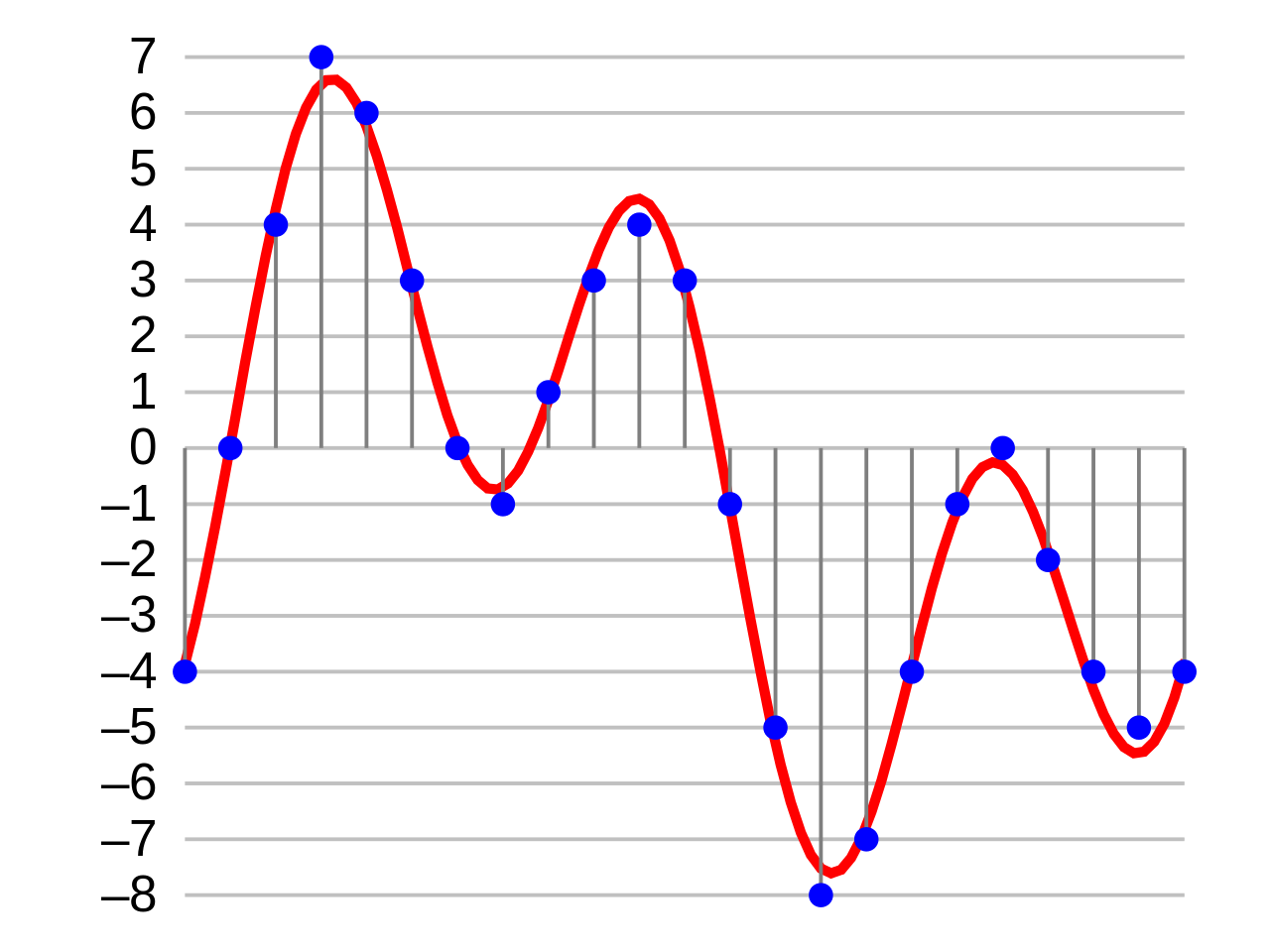
The concept of audio resolution is a crucial aspect of digital audio technology. In essence, it refers to the level of detail and accuracy with which sound is captured and reproduced. One key factor in determining audio resolution is bit depth, which is the number of bits of information in each sample. As explained in Bit Depth, bit depth directly corresponds to the resolution of each sample. For example, Compact Disc Digital Audio uses 16 bits per sample, while DVD-Audio and Blu-ray Disc can support up to 24 bits per sample. This increased bit depth allows for a more nuanced and detailed sound, as discussed in High-Resolution Audio.
📊 Bit Depth: The Foundation of Audio Resolution
Bit depth is the foundation of audio resolution, and it has a direct impact on the overall quality of the sound. A higher bit depth means that more information is captured in each sample, resulting in a more accurate representation of the sound. As noted in Pulse-Code Modulation, bit depth is a critical component of digital audio. For instance, DVD-Audio and Blu-ray Disc can support up to 24 bits per sample, which is a significant increase over the 16 bits per sample used in Compact Disc Digital Audio. This increased bit depth allows for a more detailed and nuanced sound, as explored in Audio Engineering.
📀 Compact Disc Digital Audio: A 16-Bit Standard
Compact Disc Digital Audio, which uses 16 bits per sample, was a major milestone in the development of digital audio technology. As discussed in Compact Disc Digital Audio, this format revolutionized the music industry and set a new standard for audio quality. However, as technology has advanced, higher bit depths have become possible, such as the 24 bits per sample used in DVD-Audio and Blu-ray Disc. This increased bit depth has enabled the creation of more detailed and nuanced sound, as examined in High-Resolution Audio. Additionally, the role of Audio Compression in reducing file sizes while maintaining quality has become increasingly important.
📽️ DVD-Audio and Blu-ray Disc: Higher Bit Depths
DVD-Audio and Blu-ray Disc have pushed the boundaries of audio resolution by supporting up to 24 bits per sample. As explained in DVD-Audio and Blu-ray Disc, this increased bit depth allows for a more detailed and nuanced sound. Furthermore, these formats often include additional features such as Surround Sound and Lossless Audio, which enhance the overall listening experience. The impact of these advancements on the music industry is discussed in Music Production. Moreover, the relationship between bit depth and Sampling Rates is crucial in determining the overall audio resolution.
🎧 Sampling Rates: Another Aspect of Audio Resolution
Sampling rates are another critical aspect of audio resolution, as they determine how often the audio signal is sampled. As noted in Sampling Rates, a higher sampling rate means that more samples are taken per second, resulting in a more accurate representation of the sound. For example, CD-Quality Audio typically uses a sampling rate of 44.1 kHz, while High-Resolution Audio often uses sampling rates of 96 kHz or higher. The trade-offs between different sampling rates and bit depths are explored in Audio Engineering. Additionally, the role of Digital Signal Processing in enhancing audio quality is becoming increasingly important.
📈 High-Resolution Audio: A New Standard
High-Resolution Audio has become a new standard in the music industry, offering a more detailed and nuanced sound than traditional audio formats. As discussed in High-Resolution Audio, this format typically uses higher bit depths and sampling rates, such as 24 bits per sample and 96 kHz or higher. The benefits of High-Resolution Audio are numerous, including a more immersive listening experience and a greater sense of detail and clarity. However, the debate over whether Higher Resolution Audio is always better is ongoing, with some arguing that the differences are negligible, as examined in Audio Perception. Moreover, the impact of Audio Compression on High-Resolution Audio is a topic of ongoing research.
🤔 The Debate Over Audio Resolution: Is Higher Always Better?
The debate over audio resolution is a contentious one, with some arguing that higher bit depths and sampling rates always result in better sound quality. However, as noted in Audio Perception, the relationship between audio resolution and perceived sound quality is complex and influenced by a variety of factors, including the listener's hearing ability and the playback equipment used. Furthermore, the law of diminishing returns applies, and increasing bit depth and sampling rates beyond a certain point may not result in noticeable improvements, as discussed in Psychoacoustics. The role of Audio Engineering in optimizing audio resolution is critical in this context.
📊 Measuring Audio Resolution: Bit Depth and Sampling Rates
Measuring audio resolution is a complex task, as it involves evaluating both bit depth and sampling rates. As explained in Bit Depth and Sampling Rates, these two factors are interconnected and influence the overall audio resolution. For example, a higher bit depth may not result in better sound quality if the sampling rate is too low, and vice versa. The importance of considering both factors when evaluating audio resolution is discussed in Audio Quality. Additionally, the use of Audio Metrics such as signal-to-noise ratio and frequency response can provide valuable insights into audio resolution.
📈 The Future of Audio Resolution: Emerging Trends
The future of audio resolution is likely to involve emerging trends such as Object-Based Audio and Immersive Audio. As noted in Audio Technology, these formats offer new possibilities for creating immersive and interactive audio experiences. Furthermore, advancements in Digital Signal Processing and Machine Learning are likely to play a significant role in shaping the future of audio resolution, as explored in Audio Engineering. The potential applications of these technologies in fields such as Music Production and Post-Production are vast and exciting.
🎵 Conclusion: The Importance of Audio Resolution
In conclusion, audio resolution is a critical aspect of digital audio technology, and it has a direct impact on the overall quality of the sound. As discussed throughout this article, bit depth and sampling rates are two key factors that determine audio resolution, and they are interconnected and influence each other. The importance of considering both factors when evaluating audio resolution is crucial, as examined in Audio Quality. Moreover, the role of Audio Engineering in optimizing audio resolution is vital in creating high-quality audio experiences. For further reading on this topic, see Audio Resolution and High-Resolution Audio.
👥 Expert Insights: Interviews with Audio Engineers
Expert insights from audio engineers and producers can provide valuable perspectives on the importance of audio resolution. As discussed in Audio Engineering, professionals such as Bobby Ostruv and David Miles Huber have emphasized the need for high-quality audio resolution in order to create immersive and engaging listening experiences. The role of Audio Compression and Digital Signal Processing in achieving this goal is critical, as explored in Audio Quality. Moreover, the impact of Sampling Rates and Bit Depth on audio resolution is a topic of ongoing research and debate.
Key Facts
- Year
- 1979
- Origin
- United States
- Category
- Audio Technology
- Type
- Concept
Frequently Asked Questions
What is audio resolution?
Audio resolution refers to the level of detail and accuracy with which sound is captured and reproduced. It is determined by factors such as bit depth and sampling rates. As discussed in Audio Resolution, bit depth is the number of bits of information in each sample, and it directly corresponds to the resolution of each sample. For example, Compact Disc Digital Audio uses 16 bits per sample, while DVD-Audio and Blu-ray Disc can support up to 24 bits per sample. The importance of considering both bit depth and sampling rates when evaluating audio resolution is crucial, as examined in Audio Quality.
What is the difference between bit depth and sampling rate?
Bit depth and sampling rate are two separate factors that determine audio resolution. Bit depth refers to the number of bits of information in each sample, while sampling rate refers to how often the audio signal is sampled. As noted in Bit Depth and Sampling Rates, these two factors are interconnected and influence the overall audio resolution. For instance, a higher bit depth may not result in better sound quality if the sampling rate is too low, and vice versa. The role of Audio Engineering in optimizing both bit depth and sampling rate is critical in creating high-quality audio experiences.
What is High-Resolution Audio?
High-Resolution Audio is a format that offers a more detailed and nuanced sound than traditional audio formats. As discussed in High-Resolution Audio, it typically uses higher bit depths and sampling rates, such as 24 bits per sample and 96 kHz or higher. The benefits of High-Resolution Audio are numerous, including a more immersive listening experience and a greater sense of detail and clarity. However, the debate over whether Higher Resolution Audio is always better is ongoing, with some arguing that the differences are negligible, as examined in Audio Perception.
How is audio resolution measured?
Audio resolution is measured by evaluating both bit depth and sampling rates. As explained in Bit Depth and Sampling Rates, these two factors are interconnected and influence the overall audio resolution. For example, a higher bit depth may not result in better sound quality if the sampling rate is too low, and vice versa. The importance of considering both factors when evaluating audio resolution is crucial, as discussed in Audio Quality. Additionally, the use of Audio Metrics such as signal-to-noise ratio and frequency response can provide valuable insights into audio resolution.
What is the future of audio resolution?
The future of audio resolution is likely to involve emerging trends such as Object-Based Audio and Immersive Audio. As noted in Audio Technology, these formats offer new possibilities for creating immersive and interactive audio experiences. Furthermore, advancements in Digital Signal Processing and Machine Learning are likely to play a significant role in shaping the future of audio resolution, as explored in Audio Engineering. The potential applications of these technologies in fields such as Music Production and Post-Production are vast and exciting.
What are the benefits of higher audio resolution?
The benefits of higher audio resolution include a more detailed and nuanced sound, as well as a greater sense of immersion and engagement. As discussed in High-Resolution Audio, higher audio resolution can provide a more accurate representation of the sound, with a greater sense of depth and clarity. However, the debate over whether higher audio resolution is always better is ongoing, with some arguing that the differences are negligible, as examined in Audio Perception. The role of Audio Compression and Digital Signal Processing in achieving high-quality audio resolution is critical, as explored in Audio Quality.
How does audio resolution affect the listening experience?
Audio resolution can have a significant impact on the listening experience, with higher resolutions providing a more detailed and nuanced sound. As noted in Audio Perception, the relationship between audio resolution and perceived sound quality is complex and influenced by a variety of factors, including the listener's hearing ability and the playback equipment used. Furthermore, the law of diminishing returns applies, and increasing bit depth and sampling rates beyond a certain point may not result in noticeable improvements, as discussed in Psychoacoustics. The importance of considering both bit depth and sampling rates when evaluating audio resolution is crucial, as examined in Audio Quality.