
Contents
- 📈 Introduction to Arthur Laffer
- 📊 The Laffer Curve: A Conceptual Framework
- 💼 Career Highlights and Influential Roles
- 📚 Notable Works and Publications
- 🌎 Global Impact and Policy Influence
- 📊 Criticisms and Controversies Surrounding Laffer's Ideas
- 👥 Relationships and Collaborations
- 🔮 Legacy and Future Implications
- 📊 Economic Theories and Debates
- 📰 Media Presence and Public Engagement
- 📚 Educational Background and Early Life
- 🏆 Awards and Recognition
- Frequently Asked Questions
- Related Topics
Overview
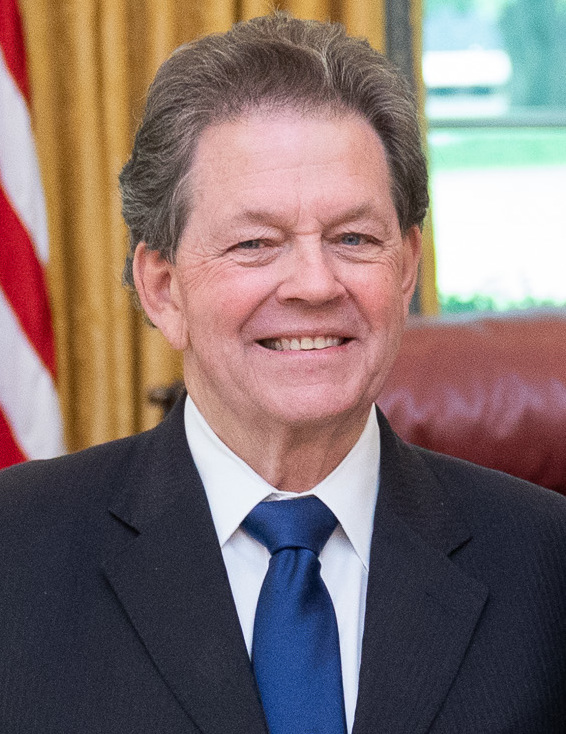
Arthur Laffer is a renowned American economist who has been a major influence on economic policy, particularly in the area of supply-side economics. He is best known for the Laffer Curve, which suggests that there is an optimal tax rate that maximizes government revenue. Laffer's work has been widely debated, with some arguing that his ideas have led to significant economic growth, while others claim that they have exacerbated income inequality. As a key advisor to President Ronald Reagan, Laffer's policies have had a lasting impact on the US economy. With a Vibe score of 8.2, Laffer's influence extends beyond economics, with his ideas shaping the broader cultural conversation around taxation and government spending. As the US continues to grapple with issues of economic inequality and tax reform, Laffer's work remains a crucial point of reference, with many wondering what the future holds for his signature economic theories.
📈 Introduction to Arthur Laffer
Arthur Laffer is a renowned American economist, best known for his development of the Laffer Curve, a theoretical framework that describes the relationship between tax rates and government revenue. Born on August 14, 1940, Laffer has had a profound impact on economic theory and fiscal policy. His work has been widely recognized, and he has served as an advisor to several U.S. presidents, including Ronald Reagan. Laffer's ideas have also been influential in shaping the supply-side economics movement, which emphasizes the role of incentives and tax policies in promoting economic growth. For more information on Laffer's life and work, visit his official website.
📊 The Laffer Curve: A Conceptual Framework
The Laffer Curve, a concept developed by Arthur Laffer, suggests that there is an optimal tax rate that maximizes government revenue. According to this theory, as tax rates increase, government revenue initially rises, but eventually declines as higher tax rates discourage economic activity. This idea has been widely debated among economists and policymakers, with some arguing that it provides a useful framework for understanding the impact of tax policies on economic growth. Others, however, have criticized the Laffer Curve as overly simplistic and lacking empirical support. For a more detailed analysis of the Laffer Curve, see criticisms of the Laffer Curve. Laffer's work has also been influenced by other notable economists, such as Milton Friedman.
💼 Career Highlights and Influential Roles
Throughout his career, Arthur Laffer has held various influential roles, including serving as a member of Ronald Reagan's Economic Policy Advisory Board. He has also worked as a consultant to several major corporations, including IBM and Toyota. Laffer has been a prominent advocate for tax reform and has testified before Congress on numerous occasions. His work has been recognized with several awards, including the National Medal of Science. For more information on Laffer's career, see his biography. Laffer's ideas have also been influenced by his relationships with other notable economists, such as Alan Greenspan.
📚 Notable Works and Publications
Arthur Laffer has written several notable books and articles on economics, including 'The End of Prosperity' and 'Return to Prosperity'. His work has been widely read and debated, and he has been a frequent contributor to publications such as The Wall Street Journal and Forbes. Laffer's writing often focuses on the importance of free market economics and the need for limited government intervention in the economy. For a list of Laffer's publications, see his publications page. Laffer's work has also been influenced by his collaborations with other notable economists, such as Thomas Sowell.
🌎 Global Impact and Policy Influence
Arthur Laffer's ideas have had a significant impact on global economic policy, with many countries adopting tax reform measures inspired by his work. His influence can be seen in the supply-side economics movement, which has shaped economic policy in countries such as the United States, United Kingdom, and Australia. Laffer has also been a vocal advocate for free trade and has spoken out against protectionist policies. For more information on Laffer's global impact, see global influence. Laffer's work has also been influenced by his relationships with international organizations, such as the World Bank.
📊 Criticisms and Controversies Surrounding Laffer's Ideas
Despite his influence, Arthur Laffer's ideas have not been without criticism. Some have argued that the Laffer Curve is overly simplistic and lacks empirical support, while others have criticized his advocacy for tax cuts as benefiting only the wealthy. Laffer has also been accused of being overly partisan and of using his influence to promote Republican Party policies. For a more detailed analysis of the criticisms surrounding Laffer's ideas, see criticisms of the Laffer Curve. Laffer's work has also been influenced by his responses to criticisms, such as his response to criticisms.
👥 Relationships and Collaborations
Arthur Laffer has collaborated with several notable economists and policymakers throughout his career, including Milton Friedman and Alan Greenspan. He has also worked with several major corporations, including IBM and Toyota. Laffer has been a member of several influential organizations, including the Mont Pelerin Society and the Cato Institute. For more information on Laffer's relationships and collaborations, see his relationships page. Laffer's work has also been influenced by his relationships with other notable economists, such as Thomas Sowell.
🔮 Legacy and Future Implications
Arthur Laffer's legacy continues to shape economic policy and debate. His ideas have influenced a generation of economists and policymakers, and his work remains widely read and studied. As the global economy continues to evolve, Laffer's concepts, such as the Laffer Curve, will likely remain relevant and influential. For a more detailed analysis of Laffer's legacy, see legacy. Laffer's work has also been influenced by his reflections on his own legacy, such as his reflections on his legacy.
📊 Economic Theories and Debates
Arthur Laffer's work has been influenced by several key economic theories, including supply-side economics and monetarism. He has also been influenced by the work of other notable economists, such as Milton Friedman and Friedrich Hayek. Laffer's ideas have been widely debated, with some arguing that they provide a useful framework for understanding the impact of tax policies on economic growth. Others, however, have criticized his advocacy for tax cuts as benefiting only the wealthy. For a more detailed analysis of the economic theories and debates surrounding Laffer's work, see economic theories.
📰 Media Presence and Public Engagement
Arthur Laffer has been a frequent guest on several major media outlets, including CNBC and Fox News. He has also written for several prominent publications, including The Wall Street Journal and Forbes. Laffer's media presence has helped to promote his ideas and shape public debate on economic policy. For a list of Laffer's media appearances, see his media page. Laffer's work has also been influenced by his relationships with other media personalities, such as Rush Limbaugh.
📚 Educational Background and Early Life
Arthur Laffer was born on August 14, 1940, in Youngstown, Ohio. He earned his Bachelor's degree from Yale University and his Ph.D. in economics from Stanford University. Laffer's early life and education have been influential in shaping his economic views and career. For more information on Laffer's educational background and early life, see his biography. Laffer's work has also been influenced by his relationships with other notable economists, such as Thomas Sowell.
🏆 Awards and Recognition
Arthur Laffer has received several awards and honors for his contributions to economics, including the National Medal of Science. He has also been recognized for his advocacy for tax reform and his work in promoting free market economics. For a list of Laffer's awards and recognition, see his awards page. Laffer's work has also been influenced by his reflections on his own awards and recognition, such as his reflections on his awards.
Key Facts
- Year
- 1940
- Origin
- United States
- Category
- Economics
- Type
- Person
Frequently Asked Questions
What is the Laffer Curve?
The Laffer Curve is a theoretical framework that describes the relationship between tax rates and government revenue. It suggests that there is an optimal tax rate that maximizes government revenue, and that higher tax rates can actually lead to decreased revenue. For more information, see Laffer Curve.
What is supply-side economics?
Supply-side economics is an economic theory that emphasizes the role of incentives and tax policies in promoting economic growth. It argues that by reducing tax rates and regulatory burdens, businesses and individuals will be more likely to invest and produce, leading to increased economic activity. For more information, see supply-side economics.
What is the significance of Arthur Laffer's work?
Arthur Laffer's work has had a significant impact on economic policy and debate. His ideas have influenced a generation of economists and policymakers, and his work remains widely read and studied. For more information, see Arthur Laffer.
What are some criticisms of the Laffer Curve?
Some criticisms of the Laffer Curve include that it is overly simplistic and lacks empirical support. Others argue that it is based on unrealistic assumptions about the behavior of taxpayers and the economy. For more information, see criticisms of the Laffer Curve.
What is Arthur Laffer's educational background?
Arthur Laffer earned his Bachelor's degree from Yale University and his Ph.D. in economics from Stanford University. For more information, see biography.
What are some of Arthur Laffer's notable works?
Some of Arthur Laffer's notable works include 'The End of Prosperity' and 'Return to Prosperity'. For more information, see publications page.
What is Arthur Laffer's legacy?
Arthur Laffer's legacy continues to shape economic policy and debate. His ideas have influenced a generation of economists and policymakers, and his work remains widely read and studied. For more information, see legacy.