
Contents
- 🐍 Introduction to Animal Toxins
- 💉 Types of Animal Toxins
- 🔬 Mechanisms of Toxin Delivery
- 🌎 Geographic Distribution of Venomous Animals
- 🐢 Venomous Reptiles and Amphibians
- 🕷️ Venomous Arachnids and Insects
- 🐳 Marine Animals with Toxins
- 💀 Deadly Animal Toxins
- 🏥 Treatment and Antidotes
- 🔬 Research and Development of Toxin-Based Medicines
- 🚨 Conservation and Protection of Venomous Animals
- Frequently Asked Questions
- Related Topics
Overview
Animal toxins are complex substances produced by certain animals, such as snakes, spiders, and scorpions, as a means of defense or predation. These toxins can be deadly to humans and other animals, with some of the most venomous species including the inland taipan snake, the eastern brown snake, and the Sydney funnel-web spider. The study of animal toxins has led to significant advances in medicine, with the development of life-saving treatments and drugs, such as antivenom and painkillers. However, the use of animal toxins has also raised concerns about animal welfare and the ethics of exploiting these substances for human gain. With a vibe score of 8, the topic of animal toxins is highly energized, with ongoing debates and controversies surrounding the use of these substances. As research continues to uncover the intricacies of animal toxins, it is likely that new discoveries will be made, leading to further advancements in medicine and our understanding of the natural world.
🐍 Introduction to Animal Toxins
Animal toxins are complex molecules produced by certain animals, such as snakes, spiders, and scorpions, as a means of defense or predation. These toxins can be delivered through bites, stings, or other mechanisms, and can cause a range of effects, from pain and inflammation to paralysis and death. The study of animal toxins is a fascinating field that has led to the development of new medicines and a greater understanding of the biology of these animals. For example, the Venom of the Cone Snail has been used to develop new painkillers, while the Toxin of the Box Jellyfish has been used to study the mechanisms of pain and inflammation. The Biology of animal toxins is a complex and multifaceted field, involving the study of Zoology, Toxicology, and Biochemistry.
💉 Types of Animal Toxins
There are several types of animal toxins, including Neurotoxins, Hemotoxins, and Cytotoxins. Neurotoxins, such as those found in the Venom of the Black Mamba, work by disrupting the normal functioning of the nervous system, leading to symptoms such as muscle weakness and paralysis. Hemotoxins, such as those found in the Venom of the Cottonmouth, work by disrupting the blood's ability to clot, leading to symptoms such as bleeding and bruising. Cytotoxins, such as those found in the Venom of the Brown Recluse Spider, work by damaging the cells and tissues of the body, leading to symptoms such as necrosis and ulceration. The Toxicology of animal toxins is a critical field of study, as it can help us to understand the mechanisms of these toxins and develop new treatments and antidotes.
🔬 Mechanisms of Toxin Delivery
The mechanisms of toxin delivery vary depending on the animal and the type of toxin. Some animals, such as snakes and spiders, deliver their toxins through bites or stings, while others, such as scorpions and jellyfish, deliver their toxins through stings or other mechanisms. The Delivery of toxins is a complex process that involves the coordination of multiple systems, including the nervous system, the muscular system, and the circulatory system. For example, the Venom of the Sydney Funnel-Web Spider is delivered through a complex system of muscles and glands, which work together to inject the venom into the victim. The Biology of toxin delivery is a fascinating field of study, involving the study of Anatomy, Physiology, and Biochemistry.
🌎 Geographic Distribution of Venomous Animals
Venomous animals can be found all over the world, in a variety of habitats and ecosystems. Some of the most venomous animals, such as the Inland Taipan and the Eastern Brown Snake, are found in the deserts and grasslands of Australia and Asia. Others, such as the Black Mamba and the Green Mamba, are found in the savannas and forests of Africa. The Geography of venomous animals is a critical factor in understanding the distribution and diversity of these animals, and can help us to develop new strategies for conservation and protection. The Ecology of venomous animals is also an important field of study, as it can help us to understand the complex relationships between these animals and their environments.
🐢 Venomous Reptiles and Amphibians
Venomous reptiles and amphibians, such as snakes, lizards, and frogs, are found all over the world and can deliver a range of toxins through bites or other mechanisms. Some of the most venomous snakes, such as the Inland Taipan and the Eastern Brown Snake, are found in the deserts and grasslands of Australia and Asia. Others, such as the Black Mamba and the Green Mamba, are found in the savannas and forests of Africa. The Herpetology of venomous reptiles and amphibians is a fascinating field of study, involving the study of Zoology, Toxicology, and Ecology. The Conservation of these animals is also an important issue, as many species are threatened or endangered due to habitat loss, pollution, and other human activities.
🕷️ Venomous Arachnids and Insects
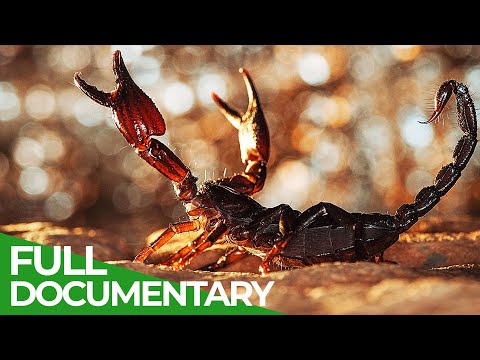
Venomous arachnids and insects, such as spiders, scorpions, and wasps, are found all over the world and can deliver a range of toxins through stings or bites. Some of the most venomous spiders, such as the Sydney Funnel-Web Spider and the Redback Spider, are found in the forests and grasslands of Australia and Asia. Others, such as the Black Widow Spider and the Brown Recluse Spider, are found in the deserts and savannas of North America and South America. The Entomology of venomous arachnids and insects is a fascinating field of study, involving the study of Zoology, Toxicology, and Ecology.
🐳 Marine Animals with Toxins
Marine animals, such as jellyfish, sea snakes, and cone snails, can also deliver a range of toxins through stings or other mechanisms. Some of the most venomous marine animals, such as the Box Jellyfish and the Blue-Ringed Octopus, are found in the oceans and seas of Australia and Asia. Others, such as the Lionfish and the Stonefish, are found in the oceans and seas of North America and South America. The Marine Biology of venomous marine animals is a fascinating field of study, involving the study of Zoology, Toxicology, and Ecology.
💀 Deadly Animal Toxins
Some of the deadliest animal toxins are found in the venom of snakes, spiders, and scorpions. The Venom of the Inland Taipan, for example, is considered to be the most toxic of any land snake, with a single bite capable of killing a human being in as little as 45 minutes. The Venom of the Sydney Funnel-Web Spider is also highly toxic, with a single bite capable of killing a human being in as little as 15 minutes. The Toxicology of these toxins is a critical field of study, as it can help us to understand the mechanisms of these toxins and develop new treatments and antidotes.
🏥 Treatment and Antidotes
The treatment and antidotes for animal toxins vary depending on the type of toxin and the severity of the bite or sting. In some cases, such as a bite from a venomous snake, the treatment may involve the administration of Antivenom, which is a type of medicine that is designed to counteract the effects of the venom. In other cases, such as a sting from a jellyfish, the treatment may involve the use of Painkillers and other medications to manage the symptoms. The Medicine of animal toxins is a complex and multifaceted field, involving the study of Toxicology, Pharmacology, and Emergency Medicine.
🔬 Research and Development of Toxin-Based Medicines
The research and development of toxin-based medicines is a rapidly growing field, with many scientists and researchers working to develop new treatments and antidotes for animal toxins. Some of the most promising areas of research involve the use of Toxins as a basis for the development of new medicines, such as Painkillers and Antibiotics. The Biotechnology of toxin-based medicines is a fascinating field of study, involving the use of Genetic Engineering and other technologies to develop new medicines and treatments.
🚨 Conservation and Protection of Venomous Animals
The conservation and protection of venomous animals is an important issue, as many species are threatened or endangered due to habitat loss, pollution, and other human activities. The Conservation of these animals is critical, as they play a vital role in the ecosystems in which they live, and their loss could have significant consequences for the health of these ecosystems. The Ecology of venomous animals is a complex and multifaceted field, involving the study of Zoology, Toxicology, and Ecology.
Key Facts
- Year
- 2022
- Origin
- Ancient civilizations, such as the Egyptians and Greeks, were aware of the toxic properties of certain animals, with modern research beginning in the 19th century
- Category
- Biology, Zoology, Toxicology
- Type
- Biological Concept
Frequently Asked Questions
What is the most venomous animal in the world?
The most venomous animal in the world is the Box Jellyfish, which is found in the oceans and seas of Australia and Asia. The venom of the Box Jellyfish is capable of killing a human being in as little as 5 minutes, and is considered to be one of the most toxic substances in the world. The Toxicology of the Box Jellyfish venom is a complex and multifaceted field, involving the study of Zoology, Toxicology, and Ecology.
What is the difference between venom and poison?
The terms Venom and Poison are often used interchangeably, but they actually refer to different things. Venom is a type of toxin that is delivered through a bite or sting, while poison is a type of toxin that is ingested or inhaled. The Toxicology of venom and poison is a complex and multifaceted field, involving the study of Zoology, Toxicology, and Ecology.
How do animals develop venom?
The development of Venom in animals is a complex process that involves the evolution of specialized glands and delivery systems. In some cases, such as the Snake, the venom is produced in the salivary glands and delivered through the fangs. In other cases, such as the Spider, the venom is produced in the venom glands and delivered through the fangs. The Biology of venom development is a fascinating field of study, involving the study of Zoology, Toxicology, and Ecology.
What are some common symptoms of a venomous bite or sting?
The symptoms of a venomous bite or sting can vary depending on the type of venom and the severity of the bite or sting. Some common symptoms include Pain, Swelling, Redness, and Inflammation. In severe cases, the symptoms can include Paralysis, Respiratory Failure, and even Death. The Medicine of venomous bites and stings is a complex and multifaceted field, involving the study of Toxicology, Pharmacology, and Emergency Medicine.
How can I protect myself from venomous animals?
There are several ways to protect yourself from venomous animals, including wearing protective clothing, such as long sleeves and pants, and avoiding areas where venomous animals are known to be present. It is also important to be aware of your surroundings and to watch for signs of venomous animals, such as snakes and spiders. The Conservation of venomous animals is an important issue, as many species are threatened or endangered due to habitat loss, pollution, and other human activities.
What is the role of venom in the ecosystem?
The role of Venom in the ecosystem is a complex and multifaceted one, involving the regulation of populations and the maintenance of balance in the ecosystem. Venomous animals play a vital role in the ecosystem, and their loss could have significant consequences for the health of the ecosystem. The Ecology of venomous animals is a fascinating field of study, involving the study of Zoology, Toxicology, and Ecology.
Can venom be used for medical purposes?
Yes, Venom can be used for medical purposes, such as the development of new medicines and treatments. The Biotechnology of venom-based medicines is a rapidly growing field, with many scientists and researchers working to develop new treatments and antidotes for animal toxins. The Medicine of venom-based medicines is a complex and multifaceted field, involving the study of Toxicology, Pharmacology, and Emergency Medicine.