
Contents
- 🌐 Introduction to Web Applications
- 💻 Evolution of Web Applications
- 📈 Benefits of Web Applications
- 🔒 Security Concerns in Web Applications
- 🛠️ Development of Web Applications
- 🌈 Types of Web Applications
- 📊 Web Application Architecture
- 🔍 Web Application Testing and Deployment
- 📈 Future of Web Applications
- 💸 Business Impact of Web Applications
- 👥 Web Application Community and Trends
- Frequently Asked Questions
- Related Topics
Overview
Web applications have evolved significantly since the first website was launched in 1991 by Tim Berners-Lee. Today, they are the backbone of the digital economy, with companies like Google, Amazon, and Facebook leading the charge. The rise of web applications has been marked by advancements in technologies such as HTML5, CSS3, and JavaScript, enabling the creation of complex, interactive, and responsive user interfaces. However, this growth has also introduced new challenges, including concerns over data privacy, security, and the digital divide. As we look to the future, the influence of artificial intelligence, blockchain, and the Internet of Things (IoT) on web applications will be significant, with potential applications in areas such as personalized medicine, smart cities, and decentralized finance. With a Vibe score of 8, indicating high cultural energy, web applications continue to shape our daily lives, from how we communicate and work to how we entertain and educate ourselves.
🌐 Introduction to Web Applications
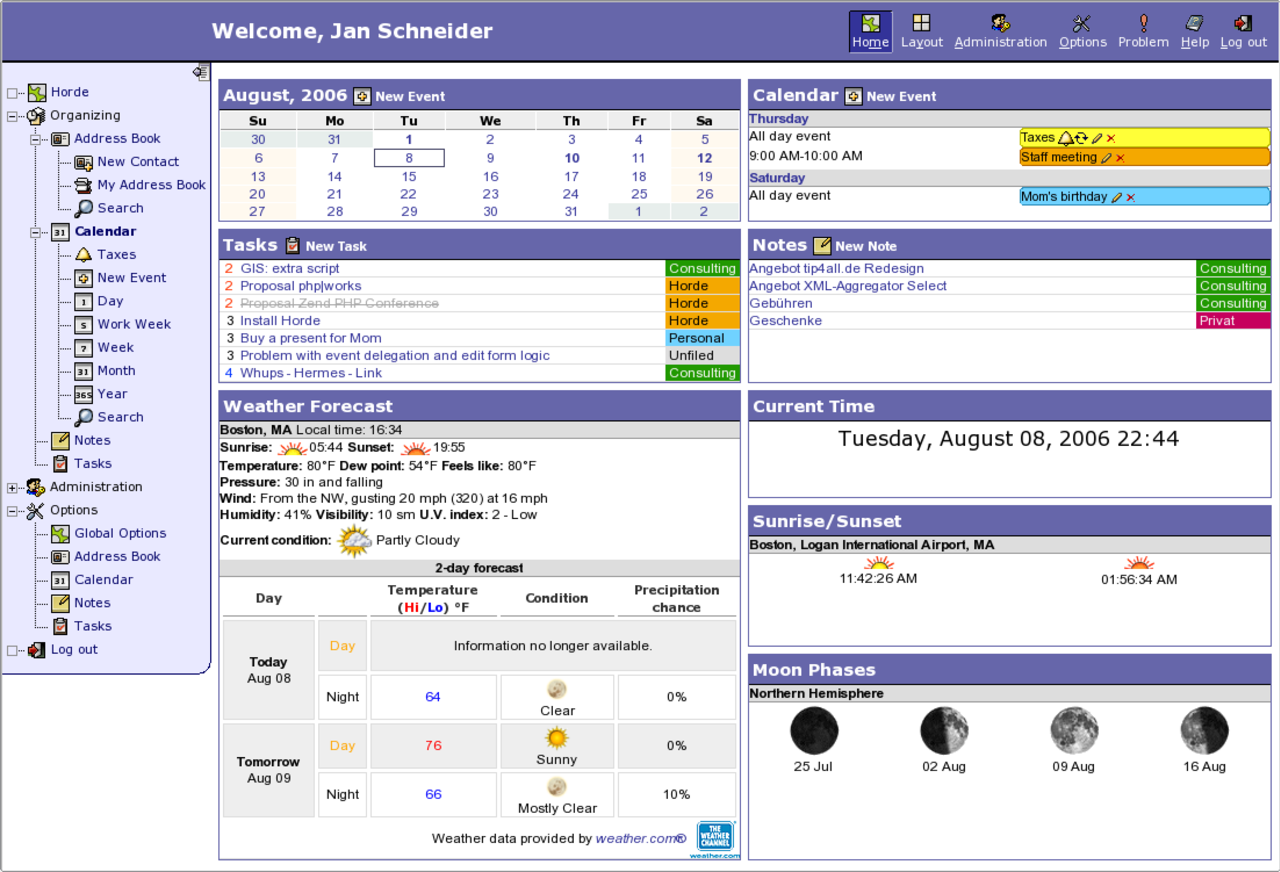
The emergence of web applications has revolutionized the way we interact with the digital world. A web application is application software that is created with web technologies and runs via a web browser. Web applications emerged during the late 1990s and allowed for the server to dynamically build a response to the request, in contrast to static web pages. This shift enabled the creation of more interactive and engaging online experiences. As discussed in web application security, the security of web applications is a top concern. The history of web applications is a rich and fascinating topic, with many key players and events shaping the industry.
💻 Evolution of Web Applications
The evolution of web applications has been rapid and transformative. From the early days of static web pages to the current era of dynamic web pages, web applications have come a long way. The introduction of AJAX and JavaScript enabled the creation of more interactive and responsive web applications. As noted in web application development, the development process involves several key steps. The rise of cloud computing and mobile devices has further accelerated the growth of web applications, with many businesses now relying on web-based services to reach their customers. For more information on web application architecture, see our dedicated section.
📈 Benefits of Web Applications
Web applications offer numerous benefits, including increased flexibility and scalability. They can be accessed from anywhere, at any time, using a web browser. This has made them an essential tool for businesses, allowing them to reach a wider audience and provide better customer service. As discussed in web application benefits, the advantages of web applications are numerous. Web applications also enable real-time data analysis and collaboration, making them an ideal solution for teams and organizations. For example, Google Docs and Trello are popular web applications that facilitate collaboration and productivity. However, as noted in web application security risks, security is a major concern.
🔒 Security Concerns in Web Applications
Despite the many benefits of web applications, security concerns are a major issue. Cyber attacks and data breaches are common threats, and web applications are often the target. As discussed in web application security best practices, there are several steps that can be taken to mitigate these risks. SQL injection and cross-site scripting are just two examples of the types of attacks that web applications are vulnerable to. To protect against these threats, web application developers must implement robust security measures, such as encryption and firewalls. For more information on web application security tools, see our dedicated section.
🛠️ Development of Web Applications
The development of web applications involves several key steps, including requirements gathering, design, testing, and deployment. As noted in web application development methodologies, there are several approaches to web application development. Agile development and waterfall model are two popular methodologies used in web application development. Web developers must have a strong understanding of programming languages, such as Java and Python, as well as web frameworks, such as React and Angular. For example, Facebook and Twitter are popular web applications that were built using a variety of programming languages and frameworks.
🌈 Types of Web Applications
There are several types of web applications, including static web applications, dynamic web applications, and progressive web applications. As discussed in web application types, each type has its own unique characteristics and advantages. Single-page applications and multi-page applications are two other types of web applications. Web applications can also be classified based on their functionality, such as e-commerce web applications and social media web applications. For more information on web application functionality, see our dedicated section.
📊 Web Application Architecture
Web application architecture refers to the design and structure of a web application. As noted in web application architecture patterns, there are several patterns and principles that guide the design of web applications. Microservices architecture and monolithic architecture are two popular approaches to web application architecture. Web developers must consider factors such as scalability, performance, and security when designing a web application. For example, Amazon and Google are two companies that have developed complex web application architectures to support their large-scale operations.
🔍 Web Application Testing and Deployment
Web application testing and deployment are critical steps in the development process. As discussed in web application testing, there are several types of testing, including unit testing, integration testing, and user acceptance testing. Continuous integration and continuous deployment are two practices that help ensure the smooth deployment of web applications. Web developers must also consider cloud platforms, such as AWS and Azure, when deploying web applications. For more information on web application deployment strategies, see our dedicated section.
📈 Future of Web Applications
The future of web applications is exciting and rapidly evolving. As noted in web application trends, there are several trends that are shaping the industry, including the rise of artificial intelligence and machine learning. Internet of Things and blockchain are two other technologies that are expected to have a significant impact on web applications. Web developers must stay up-to-date with the latest technologies and trends to remain competitive. For example, Microsoft and IBM are two companies that are investing heavily in AI and ML research and development.
💸 Business Impact of Web Applications
The business impact of web applications is significant, with many companies relying on web applications to reach their customers and provide services. As discussed in web application business models, there are several business models that are used in web applications, including subscription-based models and advertising-based models. E-commerce and social media are two industries that have been transformed by web applications. Web applications have also enabled new business models, such as freemium and pay-per-use. For more information on web application revenue models, see our dedicated section.
👥 Web Application Community and Trends
The web application community is active and vibrant, with many developers, designers, and entrepreneurs contributing to the development of web applications. As noted in web application community, there are several trends and topics that are currently being discussed, including the rise of progressive web applications and the importance of web application security. Web developers must stay connected with the community to stay up-to-date with the latest trends and best practices. For example, Stack Overflow and GitHub are two popular platforms that are used by web developers to share knowledge and collaborate on projects.
Key Facts
- Year
- 1991
- Origin
- CERN, Switzerland
- Category
- Technology
- Type
- Concept
Frequently Asked Questions
What is a web application?
A web application is application software that is created with web technologies and runs via a web browser. Web applications emerged during the late 1990s and allowed for the server to dynamically build a response to the request, in contrast to static web pages. For more information, see our section on web application definition.
What are the benefits of web applications?
Web applications offer numerous benefits, including increased flexibility and scalability. They can be accessed from anywhere, at any time, using a web browser. Web applications also enable real-time data analysis and collaboration, making them an ideal solution for teams and organizations. As discussed in web application benefits, the advantages of web applications are numerous.
What are the security concerns in web applications?
Despite the many benefits of web applications, security concerns are a major issue. Cyber attacks and data breaches are common threats, and web applications are often the target. To protect against these threats, web application developers must implement robust security measures, such as encryption and firewalls. For more information on web application security, see our dedicated section.
How are web applications developed?
The development of web applications involves several key steps, including requirements gathering, design, testing, and deployment. Web developers must have a strong understanding of programming languages, such as Java and Python, as well as web frameworks, such as React and Angular. For example, Facebook and Twitter are popular web applications that were built using a variety of programming languages and frameworks.
What is the future of web applications?
The future of web applications is exciting and rapidly evolving. There are several trends that are shaping the industry, including the rise of artificial intelligence and machine learning. Internet of Things and blockchain are two other technologies that are expected to have a significant impact on web applications. Web developers must stay up-to-date with the latest technologies and trends to remain competitive.
What is the business impact of web applications?
The business impact of web applications is significant, with many companies relying on web applications to reach their customers and provide services. Web applications have enabled new business models, such as freemium and pay-per-use. For more information on web application revenue models, see our dedicated section.
What is the web application community like?
The web application community is active and vibrant, with many developers, designers, and entrepreneurs contributing to the development of web applications. There are several trends and topics that are currently being discussed, including the rise of progressive web applications and the importance of web application security. Web developers must stay connected with the community to stay up-to-date with the latest trends and best practices.