
Contents
- 🌐 Introduction to Static Web Pages
- 📈 History of Static Web Pages
- 🔍 How Static Web Pages Work
- 📊 Benefits of Static Web Pages
- 🚀 Static Site Generators (SSGs)
- 🔒 Security Considerations
- 📈 Performance Optimization
- 👥 Real-World Applications
- 🤔 Challenges and Limitations
- 📚 Best Practices for Static Web Pages
- 🔮 Future of Static Web Pages
- Frequently Asked Questions
- Related Topics
Overview
Static web pages, defined by their lack of dynamic content generation, have been a cornerstone of the web since its inception. The first website, launched by Tim Berners-Lee in 1991, was a static page. Despite the rise of dynamic web technologies like PHP and JavaScript, static sites have seen a resurgence due to their simplicity, security, and speed. Companies like GitHub and Netlify have popularized the use of static site generators (SSGs) like Jekyll and Hugo, making it easier for developers to create fast, secure, and scalable websites. However, skeptics argue that static sites lack the interactivity and personalization of dynamic sites. As the web continues to evolve, the debate surrounding static vs. dynamic sites will likely intensify, with static sites carving out a niche for themselves in the world of web development. With the advent of Jamstack (JavaScript, APIs, and Markup), static sites are becoming increasingly powerful, allowing for dynamic functionality without the need for server-side rendering. The influence of static web pages can be seen in the work of pioneers like Matt Mullenweg, who has been a vocal advocate for the use of static sites in certain contexts. The controversy surrounding the use of static sites in modern web development is a testament to the ongoing debate about the best approach to building fast, secure, and scalable websites.
🌐 Introduction to Static Web Pages
Static web pages have been the foundation of the internet since its inception. These unassuming pages are the backbone of the web, providing a simple and efficient way to share information. Web development has evolved significantly over the years, but static web pages remain a crucial part of the internet ecosystem. With the rise of static site generators (SSGs), static web pages have become more popular than ever. HTML and CSS are the building blocks of static web pages, allowing developers to create visually appealing and functional websites.
📈 History of Static Web Pages
The history of static web pages dates back to the early days of the internet. The first website, launched by Tim Berners-Lee in 1991, was a static web page. In the early 1990s, static web pages were the norm, with HTTP and FTP being used to share files. As the web evolved, dynamic web pages became more popular, but static web pages continued to play a vital role. JavaScript and AJAX have also been used to enhance the functionality of static web pages. Today, static web pages are used for a wide range of applications, from simple blogs to complex e-commerce websites.
🔍 How Static Web Pages Work
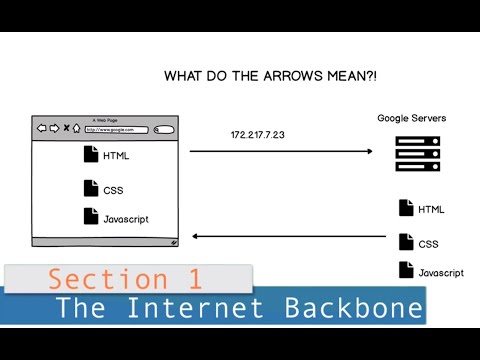
So, how do static web pages work? In simple terms, a static web page is a file that is stored on a server and served to users as-is. When a user requests a static web page, the server returns the file without modifying it. This is in contrast to dynamic web pages, which are generated on the fly using server-side scripting languages like PHP or Python. Static web pages can be created using a variety of tools, including text editors and IDEs. Version control systems like Git are also essential for managing and deploying static web pages.
📊 Benefits of Static Web Pages
There are several benefits to using static web pages. For one, they are incredibly fast, as they don't require any server-side processing. This makes them ideal for high-traffic websites and applications where speed is critical. Static web pages are also more secure than dynamic web pages, as they are less vulnerable to SQL injection and other types of attacks. Additionally, static web pages are often easier to maintain and update, as they can be edited directly without requiring any complex server-side setup. Content delivery networks (CDNs) can also be used to further improve the performance of static web pages.
🚀 Static Site Generators (SSGs)
Static site generators (SSGs) have revolutionized the way we build and deploy static web pages. SSGs like Jekyll and Hugo allow developers to create static web pages using a variety of templates and layouts. These tools also provide a range of features, including Markdown support and automatic code generation. Gatsby is another popular SSG that uses React to build fast and scalable static web pages. With SSGs, developers can focus on creating content and designing layouts, rather than worrying about the underlying infrastructure.
🔒 Security Considerations
Security is a critical consideration when it comes to static web pages. While static web pages are generally more secure than dynamic web pages, they are not immune to attacks. Cross-site scripting (XSS) and cross-site request forgery (CSRF) are two common types of attacks that can affect static web pages. To mitigate these risks, developers can use a range of security tools and techniques, including HTTPS and SSL encryption. Web application firewalls (WAFs) can also be used to protect static web pages from malicious traffic.
📈 Performance Optimization
Performance optimization is critical for static web pages, as they need to load quickly and efficiently. There are several techniques that can be used to optimize the performance of static web pages, including minification and compression. Caching is another effective way to improve performance, as it allows frequently-used resources to be stored locally on the user's device. Code splitting can also be used to reduce the size of static web pages and improve load times.
👥 Real-World Applications
Static web pages have a wide range of real-world applications, from simple blogs to complex enterprise websites. They are often used for marketing and e-commerce websites, as they provide a fast and secure way to share information and process transactions. Static web pages are also used for education and research websites, as they provide a simple and efficient way to share knowledge and resources. Government websites also often use static web pages to provide information and services to citizens.
🤔 Challenges and Limitations
While static web pages have many benefits, they also have some challenges and limitations. For one, they can be difficult to update and maintain, especially for large and complex websites. Static web pages also lack the interactivity and dynamic functionality of dynamic web pages, which can make them less engaging for users. Search engine optimization (SEO) can also be a challenge for static web pages, as they may not be crawled and indexed as efficiently as dynamic web pages.
📚 Best Practices for Static Web Pages
Best practices for static web pages include using a consistent and well-organized file structure, as well as following established coding standards and conventions. Accessibility is also critical for static web pages, as they need to be usable by people with disabilities. Testing and quality assurance are also essential for ensuring that static web pages are reliable and functional.
🔮 Future of Static Web Pages
The future of static web pages is bright, as they continue to evolve and improve. With the rise of artificial intelligence and machine learning, static web pages are likely to become even more sophisticated and dynamic. Internet of Things (IoT) devices are also likely to play a major role in the future of static web pages, as they provide new opportunities for interaction and engagement.
Key Facts
- Year
- 1991
- Origin
- CERN
- Category
- Web Development
- Type
- Technology
Frequently Asked Questions
What is a static web page?
A static web page is a file that is stored on a server and served to users as-is, without any server-side processing. Static web pages are typically created using HTML, CSS, and JavaScript, and are often used for simple websites and applications.
What are the benefits of using static web pages?
Static web pages are fast, secure, and easy to maintain. They are also more resistant to attacks and errors, and can be easily cached and optimized for performance.
How do I create a static web page?
You can create a static web page using a text editor or IDE, and by writing HTML, CSS, and JavaScript code. You can also use a static site generator (SSG) like Jekyll or Hugo to create and deploy static web pages.
What is a static site generator (SSG)?
A static site generator (SSG) is a tool that allows you to create and deploy static web pages using a variety of templates and layouts. SSGs like Jekyll and Hugo provide a range of features, including Markdown support and automatic code generation.
How do I optimize the performance of a static web page?
You can optimize the performance of a static web page by using techniques like minification, compression, and caching. You can also use code splitting and other optimization techniques to reduce the size of the page and improve load times.