
Contents
- 🌐 Introduction to Azure
- 💻 History of Azure
- 📈 Azure Services and Features
- 🔒 Security and Compliance in Azure
- 📊 Azure Pricing and Cost Optimization
- 👥 Azure Community and Support
- 🔍 Azure vs. Other Cloud Platforms
- 📈 Azure Adoption and Market Trends
- 🚀 Azure Innovations and Future Developments
- 🤝 Azure Partnerships and Collaborations
- 📚 Azure Learning and Certification
- 📊 Azure Success Stories and Case Studies
- Frequently Asked Questions
- Related Topics
Overview
Azure, launched in 2010 by Microsoft, has emerged as a leading cloud computing platform, offering a wide range of services including computing power, storage, networking, and artificial intelligence. With a vibe score of 8, indicating high cultural energy, Azure has become a crucial component of Microsoft's strategy, competing directly with Amazon Web Services (AWS) and Google Cloud Platform (GCP). The platform's influence extends beyond the tech world, with significant implications for businesses, governments, and individuals alike. As of 2022, Azure boasts over 60 data center regions worldwide, making it one of the most extensive cloud infrastructures globally. The controversy spectrum for Azure is moderate, with debates surrounding data privacy, security, and the environmental impact of cloud computing. With its strong engineering backbone and forward-looking approach, Azure is poised to continue shaping the future of cloud computing, with potential applications in fields like edge computing, IoT, and quantum computing.
🌐 Introduction to Azure
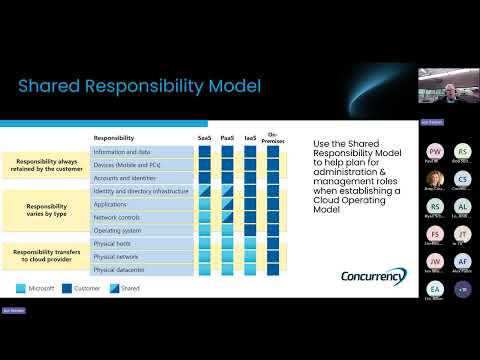
Azure, also known as Microsoft Azure, is a Cloud Computing platform offered by Microsoft. It provides a wide range of services, including Infrastructure as a Service (IaaS), Platform as a Service (PaaS), and Software as a Service (SaaS). Azure is designed to help businesses and individuals build, deploy, and manage applications and services through a global network of Data Centers. With its Scalability and Flexibility, Azure has become a popular choice for companies looking to Digital Transformation. For more information on Azure, visit the Azure official website.
💻 History of Azure
The history of Azure dates back to 2009, when Microsoft announced its plans to launch a cloud computing platform. Initially, Azure was known as Windows Azure, and it was released in 2010. Over the years, Azure has undergone significant changes and expansions, including the addition of new services and features. In 2014, Satya Nadella became the CEO of Microsoft and played a crucial role in shaping the company's cloud-first strategy. Today, Azure is one of the leading cloud platforms, competing with Amazon Web Services (AWS) and Google Cloud Platform (GCP). To learn more about the history of Azure, visit the Microsoft website.
📈 Azure Services and Features
Azure offers a wide range of services and features, including Virtual Machines, Storage, Databases, and Artificial Intelligence (AI). Azure also provides a variety of tools and services for DevOps, such as Azure DevOps and GitHub. Additionally, Azure has a strong focus on Security and Compliance, with features like Azure Security Center and Azure Policy. For more information on Azure services and features, visit the Azure documentation website. Azure also supports Containerization using Docker and Kubernetes.
🔒 Security and Compliance in Azure
Security and compliance are top priorities for Azure, with a wide range of features and services designed to protect customer data and ensure regulatory compliance. Azure provides Encryption for data at rest and in transit, as well as Identity and Access Management (IAM) features like Azure Active Directory. Azure also offers Compliance tools and services, such as Azure Policy and Azure Security Center. For more information on Azure security and compliance, visit the Azure security website. Azure also supports HIPAA and PCI-DSS compliance.
📊 Azure Pricing and Cost Optimization
Azure pricing is based on a pay-as-you-go model, with costs varying depending on the services and features used. Azure provides a Pricing Calculator to help customers estimate their costs. Additionally, Azure offers a variety of Cost Optimization tools and services, such as Azure Cost Estimator and Azure Reservations. For more information on Azure pricing and cost optimization, visit the Azure pricing website. Azure also provides Free Trial and Free Account options for new customers.
👥 Azure Community and Support
The Azure community is active and supportive, with a wide range of resources and services available to help customers get started and succeed with Azure. Azure provides Documentation, Tutorials, and Forums for customers to learn and connect with each other. Additionally, Azure offers Support services, such as Azure Support and Azure Consulting. For more information on Azure community and support, visit the Azure community website. Azure also hosts Azure Summit and Azure Meetup events.
🔍 Azure vs. Other Cloud Platforms
Azure competes with other cloud platforms, such as Amazon Web Services (AWS) and Google Cloud Platform (GCP). Each platform has its strengths and weaknesses, and the choice of which one to use depends on the specific needs and requirements of the customer. Azure is known for its strong Hybrid Cloud capabilities, as well as its Artificial Intelligence (AI) and Machine Learning (ML) services. For more information on Azure vs. other cloud platforms, visit the Cloud Computing comparison website.
📈 Azure Adoption and Market Trends
Azure adoption is on the rise, with more and more companies choosing to use the platform for their cloud computing needs. According to a report by Gartner, Azure is one of the leading cloud platforms, with a strong presence in the Infrastructure as a Service (IaaS) and Platform as a Service (PaaS) markets. Azure is also popular among DevOps teams, with its Azure DevOps service providing a wide range of tools and features for Continuous Integration and Continuous Deployment. For more information on Azure adoption and market trends, visit the Azure blog.
🚀 Azure Innovations and Future Developments
Azure is constantly innovating and evolving, with new services and features being added all the time. Some of the recent innovations include Azure Quantum, Azure Synapse, and Azure Communication Services. Azure is also investing heavily in Artificial Intelligence (AI) and Machine Learning (ML), with a wide range of services and tools available for customers to build and deploy AI and ML models. For more information on Azure innovations and future developments, visit the Azure blog.
🤝 Azure Partnerships and Collaborations
Azure has a strong ecosystem of partners and collaborators, with a wide range of companies and organizations working together to provide Azure-based solutions and services. Some of the key partners include Microsoft Partners, Azure Partners, and Cloud Partners. Azure also has a strong presence in the Open Source community, with many Azure services and features built on top of open-source technologies. For more information on Azure partnerships and collaborations, visit the Azure partners website.
📚 Azure Learning and Certification
Azure provides a wide range of learning and certification resources, including Azure Learning Path, Azure Certification, and Azure Training. Azure also offers a variety of Hands-on Labs and Tutorials to help customers get started with Azure. For more information on Azure learning and certification, visit the Azure learning website. Azure also provides Azure Student and Azure Educator programs for students and educators.
📊 Azure Success Stories and Case Studies
Azure has many success stories and case studies, with companies like Toyota, Coca-Cola, and Siemens using Azure for their cloud computing needs. According to a report by Forrester, Azure provides a strong return on investment (ROI) for customers, with many companies seeing significant cost savings and increased efficiency. For more information on Azure success stories and case studies, visit the Azure customer stories website.
Key Facts
- Year
- 2010
- Origin
- Redmond, Washington, USA
- Category
- Cloud Computing
- Type
- Cloud Platform
Frequently Asked Questions
What is Azure?
Azure, also known as Microsoft Azure, is a Cloud Computing platform offered by Microsoft. It provides a wide range of services, including Infrastructure as a Service (IaaS), Platform as a Service (PaaS), and Software as a Service (SaaS). Azure is designed to help businesses and individuals build, deploy, and manage applications and services through a global network of Data Centers.
What are the benefits of using Azure?
The benefits of using Azure include Scalability, Flexibility, and Cost-Effectiveness. Azure also provides a wide range of services and features, including Artificial Intelligence (AI) and Machine Learning (ML), Security and Compliance, and DevOps tools. Additionally, Azure has a strong ecosystem of partners and collaborators, with a wide range of companies and organizations working together to provide Azure-based solutions and services.
How much does Azure cost?
Azure pricing is based on a pay-as-you-go model, with costs varying depending on the services and features used. Azure provides a Pricing Calculator to help customers estimate their costs. Additionally, Azure offers a variety of Cost Optimization tools and services, such as Azure Cost Estimator and Azure Reservations.
What is the difference between Azure and other cloud platforms?
Azure competes with other cloud platforms, such as Amazon Web Services (AWS) and Google Cloud Platform (GCP). Each platform has its strengths and weaknesses, and the choice of which one to use depends on the specific needs and requirements of the customer. Azure is known for its strong Hybrid Cloud capabilities, as well as its Artificial Intelligence (AI) and Machine Learning (ML) services.
How do I get started with Azure?
To get started with Azure, customers can sign up for a Free Trial or Free Account. Azure also provides a wide range of learning and certification resources, including Azure Learning Path, Azure Certification, and Azure Training. Additionally, Azure offers a variety of Hands-on Labs and Tutorials to help customers get started with Azure.
What kind of support does Azure offer?
Azure provides a wide range of support services, including Azure Support and Azure Consulting. Azure also has a strong community of customers and partners, with many online forums and discussion groups available for customers to connect with each other and get help with Azure-related questions and issues.
Is Azure secure?
Yes, Azure is secure. Azure provides a wide range of Security features and services, including Encryption, Identity and Access Management (IAM), and Compliance tools. Azure also has a strong focus on Security and Compliance, with many Azure services and features designed to protect customer data and ensure regulatory compliance.