
Contents
- 🌎 Introduction to Stratigraphy
- 🔍 Understanding Lithostratigraphy
- 🦜 Exploring Biostratigraphy
- 🕰️ Uncovering Chronostratigraphy
- 🌟 The Importance of Stratigraphy in Geology
- 🌈 Applications of Stratigraphy
- 🌊 Stratigraphy in Sedimentary and Volcanic Rocks
- 🔬 Case Studies in Stratigraphy
- 🌍 Global Perspectives on Stratigraphy
- 📊 Future Directions in Stratigraphy
- Frequently Asked Questions
- Related Topics
Overview
Stratigraphy, the study of rock layers, is a fundamental discipline in geology, providing insights into the Earth's 4.5 billion-year history. By analyzing the layering of sedimentary, igneous, and metamorphic rocks, stratigraphers can reconstruct the planet's past, including its climatic, tectonic, and biological evolution. The field has undergone significant developments since its inception in the 17th century, with key contributions from pioneers like William Smith and Charles Lyell. Today, stratigraphy is an essential tool for understanding Earth's systems, from oil and gas exploration to paleoclimatology and natural hazard assessment. With the integration of new technologies, such as geophysical surveys and machine learning algorithms, stratigraphy continues to evolve, offering a more precise and comprehensive understanding of our planet's complex history. As the field advances, it is likely to play a critical role in addressing pressing global challenges, including climate change, resource management, and environmental sustainability.
🌎 Introduction to Stratigraphy
The field of stratigraphy is a crucial component of geology, as it allows scientists to reconstruct the Earth's history through the study of rock layers and layering. By examining the characteristics of these layers, researchers can gain insights into the geological processes that shaped our planet. Geology is a broad field that encompasses the study of the Earth's physical structure, composition, and processes, and stratigraphy is a key tool in this endeavor. The concept of stratigraphy was first introduced by Nicolas Steno in the 17th century, and since then, it has evolved into a sophisticated discipline with various subfields. Earth science is an interdisciplinary field that draws on geology, among other disciplines, to understand the Earth's systems and processes.
🔍 Understanding Lithostratigraphy
Lithostratigraphy is one of the three main subfields of stratigraphy, focusing on the physical characteristics of rock layers. This approach involves the description and classification of rock units based on their lithological properties, such as mineral composition, texture, and structure. By analyzing these characteristics, lithostratigraphers can identify and correlate rock units across different regions, providing valuable information about the geological history of an area. Rock cycle processes, such as weathering, erosion, and plate tectonics, all play a role in shaping the lithological characteristics of rock layers. Geologic time scale is another essential tool in stratigraphy, as it provides a framework for understanding the timing and duration of geological events.
🦜 Exploring Biostratigraphy
Biostratigraphy is another vital subfield of stratigraphy, which involves the study of fossilized organisms and their distribution within rock layers. By examining the types and abundance of fossils in different rock units, biostratigraphers can reconstruct the evolutionary history of ancient organisms and gain insights into the geological processes that shaped their environments. Paleontology is a closely related field that focuses on the study of fossils and ancient life forms. Evolution is a fundamental concept in biostratigraphy, as it provides a framework for understanding the changes that have occurred in the Earth's biosphere over time. Fossil record is a critical component of biostratigraphy, as it provides a chronological record of the Earth's biological history.
🕰️ Uncovering Chronostratigraphy
Chronostratigraphy is the third main subfield of stratigraphy, dealing with the timing and correlation of rock layers. This approach involves the use of various dating methods, such as radiometric dating and magnetostratigraphy, to determine the age of rock units and reconstruct the geological history of an area. By correlating rock units across different regions, chronostratigraphers can build a comprehensive picture of the Earth's geological past. Geologic time is a fundamental concept in chronostratigraphy, as it provides a framework for understanding the timing and duration of geological events. Plate tectonics is another essential concept in chronostratigraphy, as it provides a mechanism for understanding the movement and interaction of the Earth's lithospheric plates.
🌟 The Importance of Stratigraphy in Geology
The importance of stratigraphy in geology cannot be overstated, as it provides a framework for understanding the Earth's history and the processes that have shaped our planet. By studying rock layers and layering, scientists can gain insights into the geological, biological, and climatic processes that have occurred over millions of years. Earth systems is a concept that encompasses the complex interactions between the Earth's lithosphere, hydrosphere, atmosphere, and biosphere. Geological processes such as weathering, erosion, and plate tectonics all play a role in shaping the Earth's surface and subsurface. Natural resources such as fossil fuels, minerals, and water are often found in rock layers, making stratigraphy a critical tool for resource exploration and management.
🌈 Applications of Stratigraphy
Stratigraphy has numerous applications in various fields, including geology, paleontology, and environmental science. By analyzing rock layers and layering, scientists can reconstruct the Earth's history, understand the processes that have shaped our planet, and gain insights into the potential risks and opportunities associated with geological processes. Environmental science is a field that draws on stratigraphy, among other disciplines, to understand the complex interactions between human and natural systems. Climate change is a critical issue that can be informed by stratigraphic research, as it provides a framework for understanding the Earth's climate history and the potential impacts of human activities on the environment.
🌊 Stratigraphy in Sedimentary and Volcanic Rocks
Stratigraphy is particularly important in the study of sedimentary and volcanic rocks, as these rocks often contain valuable information about the Earth's geological history. By examining the characteristics of these rocks, scientists can gain insights into the processes that have shaped our planet, such as sea-level changes, tectonic activity, and climate fluctuations. Sedimentary rocks are formed through the accumulation and compression of sediments, while volcanic rocks are formed through the cooling and solidification of magma. Rock deformation is a process that can occur in both sedimentary and volcanic rocks, resulting in the formation of folds, faults, and other structural features.
🔬 Case Studies in Stratigraphy
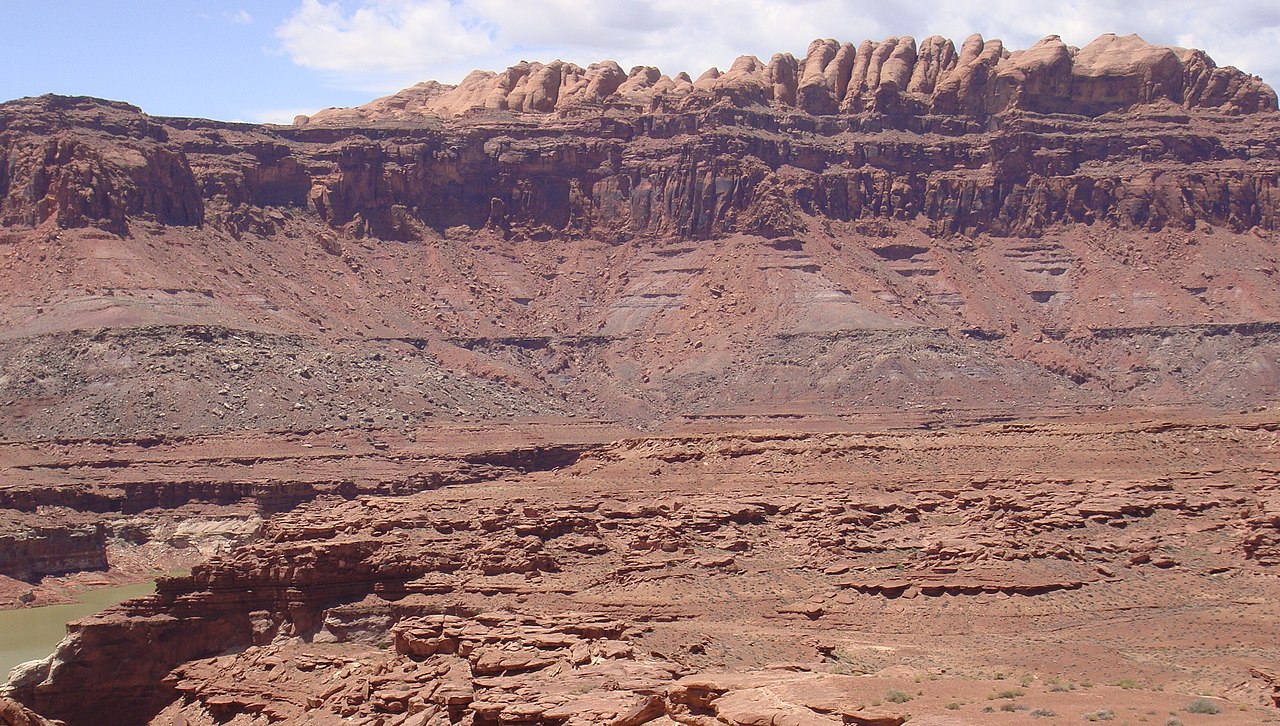
Case studies in stratigraphy have provided valuable insights into the geological history of various regions around the world. For example, the stratigraphy of the Grand Canyon has been extensively studied, revealing a complex history of geological processes that have shaped this iconic landscape. Grand Canyon is a prime example of a stratigraphic sequence, with rock layers that span over 1.8 billion years of Earth's history. Colorado Plateau is another region that has been extensively studied using stratigraphic techniques, providing insights into the geological history of the American West.
🌍 Global Perspectives on Stratigraphy
Global perspectives on stratigraphy are essential for understanding the complex and interconnected nature of the Earth's geological systems. By comparing and correlating stratigraphic sequences from different regions, scientists can build a comprehensive picture of the Earth's geological past and gain insights into the processes that have shaped our planet. International Geological Correlation Program is a global initiative that aims to promote the correlation and comparison of stratigraphic sequences across different regions. Global geologic map is a tool that provides a visual representation of the Earth's geological features and processes.
📊 Future Directions in Stratigraphy
Future directions in stratigraphy will likely involve the integration of new technologies and techniques, such as machine learning and artificial intelligence, to analyze and interpret large datasets. Machine learning is a field that has the potential to revolutionize the field of stratigraphy, enabling scientists to identify patterns and relationships in complex datasets. Artificial intelligence is another technology that can be applied to stratigraphy, enabling scientists to simulate and model geological processes and systems.
Key Facts
- Year
- 1669
- Origin
- Europe
- Category
- Geology
- Type
- Scientific Discipline
Frequently Asked Questions
What is stratigraphy?
Stratigraphy is a branch of geology concerned with the study of rock layers and layering. It involves the description, classification, and correlation of rock units to reconstruct the Earth's geological history. Geology is a broad field that encompasses the study of the Earth's physical structure, composition, and processes, and stratigraphy is a key tool in this endeavor. Stratigraphy has three main subfields: lithostratigraphy, biostratigraphy, and chronostratigraphy.
What are the three main subfields of stratigraphy?
The three main subfields of stratigraphy are lithostratigraphy, biostratigraphy, and chronostratigraphy. Lithostratigraphy focuses on the physical characteristics of rock layers, biostratigraphy involves the study of fossilized organisms, and chronostratigraphy deals with the timing and correlation of rock layers. Lithostratigraphy is a critical component of stratigraphy, as it provides a framework for understanding the geological history of an area. Biostratigraphy is another essential subfield, as it provides insights into the evolutionary history of ancient organisms.
What is the importance of stratigraphy in geology?
Stratigraphy is a crucial component of geology, as it provides a framework for understanding the Earth's history and the processes that have shaped our planet. By studying rock layers and layering, scientists can gain insights into the geological, biological, and climatic processes that have occurred over millions of years. Earth systems is a concept that encompasses the complex interactions between the Earth's lithosphere, hydrosphere, atmosphere, and biosphere. Stratigraphy is essential for understanding these systems and the processes that have shaped our planet.
What are some applications of stratigraphy?
Stratigraphy has numerous applications in various fields, including geology, paleontology, and environmental science. By analyzing rock layers and layering, scientists can reconstruct the Earth's history, understand the processes that have shaped our planet, and gain insights into the potential risks and opportunities associated with geological processes. Environmental science is a field that draws on stratigraphy, among other disciplines, to understand the complex interactions between human and natural systems.
How does stratigraphy contribute to our understanding of the Earth's history?
Stratigraphy provides a framework for understanding the Earth's history by allowing scientists to reconstruct the sequence of geological events that have occurred over millions of years. By examining the characteristics of rock layers and layering, scientists can gain insights into the geological, biological, and climatic processes that have shaped our planet. Geologic time scale is a critical tool in stratigraphy, as it provides a framework for understanding the timing and duration of geological events.
What is the relationship between stratigraphy and other fields of science?
Stratigraphy is closely related to other fields of science, such as geology, paleontology, and environmental science. By integrating stratigraphy with these fields, scientists can gain a more comprehensive understanding of the Earth's systems and processes. Paleontology is a closely related field that focuses on the study of fossils and ancient life forms. Environmental science is another field that draws on stratigraphy, among other disciplines, to understand the complex interactions between human and natural systems.
How does stratigraphy inform our understanding of natural resources?
Stratigraphy provides critical information about the distribution and occurrence of natural resources, such as fossil fuels, minerals, and water. By analyzing rock layers and layering, scientists can identify potential areas of resource accumulation and gain insights into the geological processes that have shaped these resources. Natural resources are essential for human societies, and stratigraphy plays a critical role in their exploration and management.