
Contents
- 🏞️ Introduction to the Colorado Plateau
- 🌄 Geology and Physiography
- 🏃♂️ Drainage Systems
- 🌊 Hydrology and Water Resources
- 🏞️ Unique Landforms and Features
- 🌟 Cultural Significance and Human History
- 📸 Tourism and Recreation
- 🚨 Environmental Concerns and Conservation
- 🔬 Scientific Research and Exploration
- 📊 Economic Importance and Resource Management
- 👥 Indigenous Communities and Traditional Knowledge
- 🌈 Conclusion and Future Directions
- Frequently Asked Questions
- Related Topics
Overview
The Colorado Plateau, spanning parts of Arizona, Utah, Colorado, and New Mexico, is a vast and awe-inspiring region known for its dramatic landscapes, rich geological history, and diverse cultural heritage. With a vibe score of 8, this area attracts millions of visitors each year, drawn to its iconic national parks, monuments, and forests. However, beneath its natural beauty lies a complex web of environmental, social, and economic tensions, including debates over land use, resource extraction, and indigenous rights. The region is home to numerous Native American reservations, each with its own distinct culture and history, and is also a hub for scientific research, particularly in the fields of geology, paleontology, and ecology. As the region faces the challenges of climate change, tourism, and development, its future hangs in the balance, with some arguing for increased conservation efforts and others pushing for economic growth. With its unique blend of natural and cultural significance, the Colorado Plateau is a microcosm of the broader American experience, reflecting the country's complex and often fraught relationship with its environment and indigenous peoples.
🏞️ Introduction to the Colorado Plateau
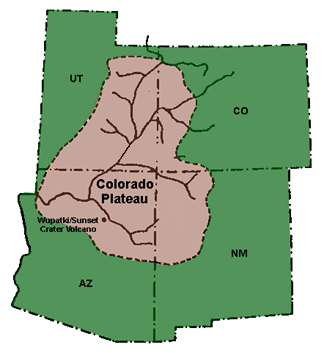
The Colorado Plateau is a vast and fascinating region, covering an area of 130,000 sq mi (340,000 km2) within the Southwestern United States. This plateau is roughly centered on the Four Corners region, where the borders of four states - Colorado, New Mexico, Utah, and Arizona - meet. The region is characterized by its unique physiography and desert landscape, with a diverse range of geological and cultural features. The Colorado Plateau is home to numerous national parks and monuments, including the famous Grand Canyon and Monument Valley. The region's rich cultural heritage is reflected in its many archaeological sites and Native American reservations.
🌄 Geology and Physiography
The geology of the Colorado Plateau is complex and varied, with a range of different rock types and geological processes that have shaped the region over millions of years. The plateau is composed of a series of layered sedimentary rocks, including sandstone, shale, and limestone. These rocks have been uplifted and eroded over time, creating a unique landscape of canyons, mesas, and buttes. The region's geology is also characterized by its many fault lines and volcanic fields, which have played a significant role in shaping the plateau's landscape. The Colorado Plateau is also home to numerous mineral deposits, including uranium, copper, and coal. The region's geology has been studied extensively by geologists and geophysicists, who have made many important discoveries about the region's tectonic history.
🏃♂️ Drainage Systems
The drainage system of the Colorado Plateau is dominated by the Colorado River and its main tributaries, including the Green River, San Juan River, and Little Colorado River. These rivers have carved out a complex network of canyons and valleys over millions of years, creating a unique landscape of deep gorges and rapids. The Colorado River is also an important source of hydroelectric power, with several major dams along its length, including the Glen Canyon Dam and the Hoover Dam. The region's drainage system is also home to numerous lakes and reservoirs, including Lake Powell and Lake Mead. The Colorado Plateau is also drained by the Rio Grande and its tributaries, which flow through the southern part of the region.
🌊 Hydrology and Water Resources
The hydrology of the Colorado Plateau is characterized by its arid to semi-arid climate, with low levels of precipitation and high levels of evaporation. The region's water resources are limited, and are primarily used for irrigation, drinking water, and hydroelectric power. The Colorado Plateau is also home to numerous groundwater aquifers, which are an important source of drinking water for many communities. The region's hydrology is also affected by its many dams and reservoirs, which have altered the natural flow of the rivers and streams. The Colorado Plateau is also vulnerable to drought, which can have significant impacts on the region's ecosystem and economy.
🏞️ Unique Landforms and Features
The Colorado Plateau is home to a unique range of landforms and features, including canyons, mesas, buttes, and arches. The region's landscape has been shaped by millions of years of erosion and weathering, which have created a complex network of valleys and gorges. The Colorado Plateau is also home to numerous national parks and monuments, including the famous Grand Canyon and Monument Valley. The region's unique landscape has made it a popular destination for tourists and outdoor enthusiasts, who come to hike, camp, and explore the region's many natural wonders. The Colorado Plateau is also home to numerous archaeological sites and Native American reservations, which reflect the region's rich cultural heritage.
🌟 Cultural Significance and Human History
The Colorado Plateau has a rich and diverse cultural heritage, with a long history of human habitation dating back thousands of years. The region is home to numerous archaeological sites, including the famous Mesa Verde and Chaco Canyon. The Colorado Plateau is also home to many Native American reservations, including the Navajo Nation and the Hopi Reservation. The region's cultural heritage is reflected in its many traditional cultures, including the Navajo and Hopi peoples. The Colorado Plateau is also home to numerous museums and cultural centers, which showcase the region's rich cultural heritage. The region's cultural significance is also reflected in its many festivals and celebrations, which take place throughout the year.
📸 Tourism and Recreation
The Colorado Plateau is a popular destination for tourists and outdoor enthusiasts, who come to explore the region's many natural wonders. The region is home to numerous national parks and monuments, including the famous Grand Canyon and Monument Valley. The Colorado Plateau is also home to numerous hiking trails, including the Arizona Trail and the Colorado Trail. The region's unique landscape has made it a popular destination for photographers and filmmakers, who come to capture the region's stunning natural beauty. The Colorado Plateau is also home to numerous ski resorts and snowboard parks, which offer a range of winter sports and activities.
🚨 Environmental Concerns and Conservation
The Colorado Plateau is facing a number of environmental concerns, including climate change, air pollution, and water pollution. The region's unique landscape is vulnerable to erosion and degradation, which can have significant impacts on the region's ecosystem and economy. The Colorado Plateau is also home to numerous endangered species, including the California condor and the Mexican gray wolf. The region's environmental concerns are being addressed through a range of conservation efforts, including the creation of national parks and wildlife refuges. The Colorado Plateau is also home to numerous environmental organizations, which are working to protect the region's unique landscape and ecosystem.
🔬 Scientific Research and Exploration
The Colorado Plateau has been the subject of extensive scientific research and exploration, with many geologists, biologists, and ecologists studying the region's unique landscape and ecosystem. The region's geology has been studied extensively, with many important discoveries made about the region's tectonic history. The Colorado Plateau is also home to numerous research stations and field stations, which provide a base for scientists to study the region's unique landscape and ecosystem. The region's scientific research has also been driven by its many universities and research institutions, which are working to advance our understanding of the region's unique landscape and ecosystem.
📊 Economic Importance and Resource Management
The Colorado Plateau has significant economic importance, with many industries based on the region's unique landscape and natural resources. The region's mining industry is a significant contributor to the local economy, with many mineral deposits found in the region. The Colorado Plateau is also home to numerous ranches and farms, which produce a range of agricultural products. The region's unique landscape has also made it a popular destination for tourists and outdoor enthusiasts, who come to explore the region's many natural wonders. The Colorado Plateau is also home to numerous renewable energy projects, including solar farms and wind farms.
👥 Indigenous Communities and Traditional Knowledge
The Colorado Plateau is home to many indigenous communities, including the Navajo Nation and the Hopi Reservation. These communities have a deep connection to the land and have lived in the region for thousands of years. The Colorado Plateau is also home to numerous Native American reservations, which reflect the region's rich cultural heritage. The region's indigenous communities are working to preserve their traditional cultures and ways of life, while also addressing the many challenges facing their communities. The Colorado Plateau is also home to numerous cultural centers and museums, which showcase the region's rich cultural heritage.
🌈 Conclusion and Future Directions
In conclusion, the Colorado Plateau is a unique and fascinating region, with a rich cultural heritage and a diverse range of geological and natural features. The region's unique landscape has made it a popular destination for tourists and outdoor enthusiasts, who come to explore the region's many natural wonders. The Colorado Plateau is also facing a number of environmental concerns, including climate change, air pollution, and water pollution. The region's future will depend on the ability of its communities to balance the need for economic development with the need to protect the region's unique landscape and ecosystem. As we look to the future, it is clear that the Colorado Plateau will continue to be an important and fascinating region, with many opportunities for scientific research, cultural preservation, and environmental conservation.
Key Facts
- Year
- 2023
- Origin
- Southwestern United States
- Category
- Geography and Environment
- Type
- Geographic Region
Frequently Asked Questions
What is the Colorado Plateau?
The Colorado Plateau is a physiographic and desert region of the Intermontane Plateaus, roughly centered on the Four Corners region of the Southwestern United States. The plateau covers an area of 130,000 sq mi (340,000 km2) within western Colorado, northwestern New Mexico, southern and eastern Utah, northern Arizona, and a tiny fraction in the extreme southeast of Nevada. The region is characterized by its unique physiography and desert landscape, with a diverse range of geological and cultural features.
What are the main drainage systems of the Colorado Plateau?
The main drainage systems of the Colorado Plateau are the Colorado River and its main tributaries, including the Green River, San Juan River, and Little Colorado River. These rivers have carved out a complex network of canyons and valleys over millions of years, creating a unique landscape of deep gorges and rapids.
What are the main environmental concerns facing the Colorado Plateau?
The Colorado Plateau is facing a number of environmental concerns, including climate change, air pollution, and water pollution. The region's unique landscape is vulnerable to erosion and degradation, which can have significant impacts on the region's ecosystem and economy.
What are the main economic activities of the Colorado Plateau?
The main economic activities of the Colorado Plateau are mining, ranching, and farming. The region's unique landscape has also made it a popular destination for tourists and outdoor enthusiasts, who come to explore the region's many natural wonders.
What are the main cultural features of the Colorado Plateau?
The Colorado Plateau has a rich and diverse cultural heritage, with a long history of human habitation dating back thousands of years. The region is home to numerous archaeological sites, including the famous Mesa Verde and Chaco Canyon. The Colorado Plateau is also home to many Native American reservations, including the Navajo Nation and the Hopi Reservation.
What are the main scientific research areas of the Colorado Plateau?
The Colorado Plateau has been the subject of extensive scientific research and exploration, with many geologists, biologists, and ecologists studying the region's unique landscape and ecosystem. The region's geology has been studied extensively, with many important discoveries made about the region's tectonic history.
What are the main conservation efforts of the Colorado Plateau?
The Colorado Plateau is home to numerous national parks and wildlife refuges, which provide a protected habitat for many endangered species. The region's conservation efforts are also driven by its many environmental organizations, which are working to protect the region's unique landscape and ecosystem.