
Contents
- 🌎 Introduction to Geological Processes
- 🏔️ Weathering and Erosion: Breaking Down the Earth's Surface
- 🌋 Plate Tectonics: The Force Behind Mountain Building
- 🌊 Oceanic and Continental Processes: Shaping the Coastlines
- 🏃♂️ Glaciation: The Power of Ice in Shaping the Landscape
- 🌟 Volcanic Activity: Creating New Land and Reshaping the Earth
- 🌀 Geological Cycles: The Continuous Process of Change
- 🔍 Human Impact on Geological Processes: A Growing Concern
- 📊 Measuring Geological Processes: Techniques and Technologies
- 🌐 Global Implications of Geological Processes: Understanding the Big Picture
- 👥 Geological Processes in the Anthropocene: A New Era of Human Influence
- 🔮 Future Directions in Geological Process Research: Emerging Trends and Technologies
- Frequently Asked Questions
- Related Topics
Overview
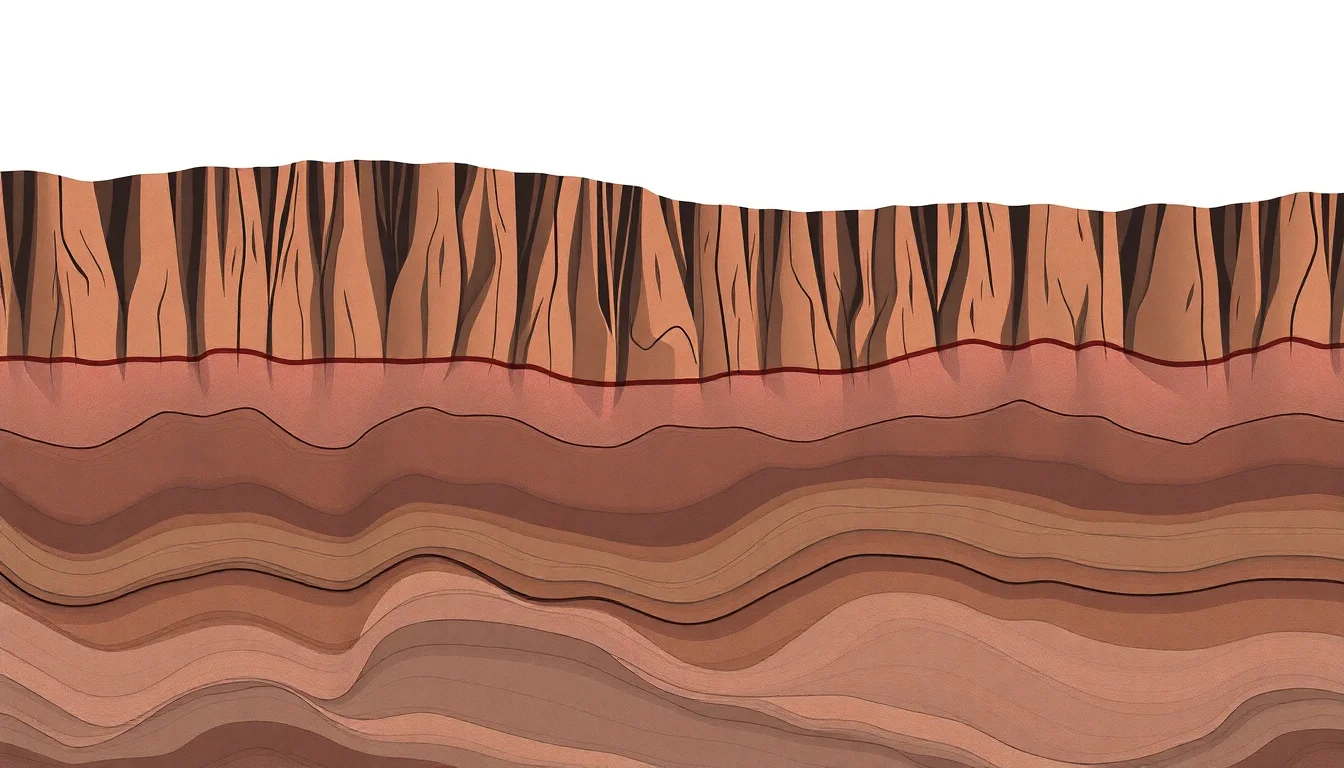
Geological processes have been shaping the Earth's surface for over 4.5 billion years, creating the diverse range of landscapes we see today. From the plate tectonics that drive mountain building to the weathering and erosion that wear down rocks, these processes are essential to understanding the Earth's history and evolution. The study of geological processes is a complex and interdisciplinary field, drawing on concepts from geology, geophysics, and geochemistry. By examining the Earth's surface processes, scientists can gain insights into the Earth's internal dynamics and the forces that shape our planet. For example, the study of faults and folds can reveal information about the Earth's tectonic history, while the analysis of sedimentary rocks can provide clues about ancient environments and climates.
🏔️ Weathering and Erosion: Breaking Down the Earth's Surface
Weathering and erosion are two of the most important geological processes, responsible for breaking down the Earth's surface and creating new landscapes. Chemical weathering occurs when rocks are broken down by chemical reactions, such as those involving water and acids. In contrast, physical weathering involves the mechanical breakdown of rocks, often through processes like freeze-thaw cycles. Erosion, on the other hand, is the removal and transportation of weathered rock material, often by rivers, glaciers, or wind. Understanding the interplay between weathering and erosion is crucial for predicting landslide risks and managing water resources. For instance, the study of soil erosion can help identify areas at risk of desertification and inform strategies for conservation and sustainable agriculture.
🌋 Plate Tectonics: The Force Behind Mountain Building
Plate tectonics is the theory that the Earth's lithosphere is divided into large plates that move relative to each other, creating and shaping the planet's surface. This process is driven by convection currents in the Earth's mantle, which cause the plates to move at rates of a few centimeters per year. As the plates interact, they can create mountain ranges, volcanic arcs, and earthquakes. The study of plate tectonics has revolutionized our understanding of the Earth's history, allowing scientists to reconstruct the supercontinents of the past and predict the formation of future oceanic ridges. For example, the analysis of seismic data can provide insights into the Earth's internal structure and the movement of tectonic plates, while the study of paleomagnetism can reveal information about the Earth's magnetic field and its role in plate tectonics.
🌊 Oceanic and Continental Processes: Shaping the Coastlines
Oceanic and continental processes play a crucial role in shaping the Earth's coastlines and creating new landforms. Coastal erosion occurs when the ocean wears away the coastline, often through processes like wave action and tidal currents. In contrast, coastal deposition involves the accumulation of sediment, such as sand and mud, which can create new landforms like beaches and deltas. The study of oceanic and continental processes is essential for understanding the impact of sea level rise and climate change on coastal communities and ecosystems. For instance, the analysis of satellite imagery can provide insights into the dynamics of coastal erosion and deposition, while the study of marine geology can reveal information about the Earth's oceanic crust and the processes that shape it.
🏃♂️ Glaciation: The Power of Ice in Shaping the Landscape
Glaciation is the process by which ice sheets and glaciers shape the landscape, often through a combination of glacial erosion and glacial deposition. During the Pleistocene epoch, large ice sheets covered much of North America and Europe, leaving behind a legacy of glacial features like drumlins and eskers. The study of glaciation is important for understanding the Earth's climate history and predicting the impacts of climate change on glaciers and sea levels. For example, the analysis of ice core data can provide insights into the Earth's climate history, while the study of glacier dynamics can reveal information about the role of glaciers in shaping the landscape.
🌟 Volcanic Activity: Creating New Land and Reshaping the Earth
Volcanic activity is a key geological process that creates new land and reshapes the Earth's surface. Volcanic eruptions occur when magma from the Earth's interior is released, often producing lava flows, ash clouds, and pyroclastic flows. The study of volcanic activity is crucial for understanding the Earth's internal dynamics and predicting the risks associated with volcanic hazards. For instance, the analysis of seismic data can provide insights into the movement of magma and the likelihood of future eruptions, while the study of volcanic gases can reveal information about the Earth's internal chemistry and the role of volcanoes in shaping the atmosphere.
🌀 Geological Cycles: The Continuous Process of Change
Geological cycles refer to the continuous process of change that shapes the Earth's surface over time. These cycles involve the interaction of plate tectonics, weathering and erosion, and sedimentation, which work together to create and destroy landscapes. The study of geological cycles is essential for understanding the Earth's history and predicting the impacts of climate change on the planet. For example, the analysis of sedimentary rocks can provide insights into the Earth's past environments and climates, while the study of geochemical cycles can reveal information about the Earth's internal chemistry and the role of geological processes in shaping the planet.
🔍 Human Impact on Geological Processes: A Growing Concern
Human impact on geological processes is a growing concern, as human activities like deforestation, mining, and urbanization can alter the Earth's surface and disrupt natural processes. The study of human impact on geological processes is crucial for understanding the risks associated with environmental degradation and developing strategies for sustainable development. For instance, the analysis of remote sensing data can provide insights into the impacts of human activities on the environment, while the study of geological hazards can reveal information about the risks associated with human-induced geological processes.
📊 Measuring Geological Processes: Techniques and Technologies
Measuring geological processes is a complex task that requires a range of techniques and technologies. Geophysical methods, such as seismology and gravimetry, can provide insights into the Earth's internal structure and the movement of tectonic plates. In contrast, geochemical methods, such as geochemical analysis, can reveal information about the Earth's internal chemistry and the role of geological processes in shaping the planet. The study of geological processes is also informed by paleontological and geochronological data, which provide a record of the Earth's history and the evolution of life on Earth.
🌐 Global Implications of Geological Processes: Understanding the Big Picture
The global implications of geological processes are far-reaching, with significant impacts on the Earth's climate, ecosystems, and human societies. The study of geological processes is essential for understanding the Earth's history and predicting the impacts of climate change on the planet. For example, the analysis of ice core data can provide insights into the Earth's climate history, while the study of sea level rise can reveal information about the impacts of climate change on coastal communities and ecosystems.
👥 Geological Processes in the Anthropocene: A New Era of Human Influence
Geological processes in the Anthropocene are characterized by the significant impact of human activities on the Earth's surface. The study of geological processes in this context is crucial for understanding the risks associated with environmental degradation and developing strategies for sustainable development. For instance, the analysis of remote sensing data can provide insights into the impacts of human activities on the environment, while the study of geological hazards can reveal information about the risks associated with human-induced geological processes.
🔮 Future Directions in Geological Process Research: Emerging Trends and Technologies
Future directions in geological process research are likely to involve the integration of new technologies and techniques, such as machine learning and artificial intelligence. The study of geological processes will also require a greater emphasis on interdisciplinary research, bringing together scientists from a range of fields to address the complex challenges facing the Earth and its inhabitants. For example, the analysis of big data can provide insights into the dynamics of geological processes, while the study of complex systems can reveal information about the interconnectedness of geological processes and their impact on the Earth's surface.
Key Facts
- Year
- 2023
- Origin
- Earth Sciences
- Category
- Geology
- Type
- Natural Phenomenon
Frequently Asked Questions
What is the difference between weathering and erosion?
Weathering refers to the breakdown of rocks into smaller particles, while erosion is the removal and transportation of weathered rock material. Weathering can occur through chemical, physical, or biological processes, while erosion is often driven by forces like wind, water, or ice. Understanding the difference between weathering and erosion is crucial for predicting landslide risks and managing water resources. For example, the study of soil erosion can help identify areas at risk of desertification and inform strategies for conservation and sustainable agriculture.
How do plate tectonics shape the Earth's surface?
Plate tectonics is the theory that the Earth's lithosphere is divided into large plates that move relative to each other, creating and shaping the planet's surface. This process is driven by convection currents in the Earth's mantle, which cause the plates to move at rates of a few centimeters per year. As the plates interact, they can create mountain ranges, volcanic arcs, and earthquakes. The study of plate tectonics has revolutionized our understanding of the Earth's history, allowing scientists to reconstruct the supercontinents of the past and predict the formation of future oceanic ridges.
What is the impact of human activities on geological processes?
Human activities like deforestation, mining, and urbanization can alter the Earth's surface and disrupt natural processes. The study of human impact on geological processes is crucial for understanding the risks associated with environmental degradation and developing strategies for sustainable development. For instance, the analysis of remote sensing data can provide insights into the impacts of human activities on the environment, while the study of geological hazards can reveal information about the risks associated with human-induced geological processes.
How do geological processes affect the Earth's climate?
Geological processes like plate tectonics, weathering, and erosion can all impact the Earth's climate. For example, the movement of tectonic plates can influence the formation of mountain ranges, which can affect global atmospheric circulation patterns. Additionally, the weathering of rocks can release greenhouse gases like carbon dioxide, which can contribute to climate change. The study of geological processes is essential for understanding the Earth's climate history and predicting the impacts of climate change on the planet.
What is the role of geological processes in shaping the Earth's surface?
Geological processes play a crucial role in shaping the Earth's surface, creating and destroying landscapes over time. These processes include plate tectonics, weathering, erosion, glaciation, and volcanic activity, among others. The study of geological processes is essential for understanding the Earth's history and predicting the impacts of climate change on the planet. For example, the analysis of sedimentary rocks can provide insights into the Earth's past environments and climates, while the study of geochemical cycles can reveal information about the Earth's internal chemistry and the role of geological processes in shaping the planet.
How can we predict and prepare for geological hazards?
Predicting and preparing for geological hazards like earthquakes, landslides, and volcanic eruptions requires a combination of scientific research, monitoring, and emergency planning. The study of geological processes is crucial for understanding the risks associated with these hazards and developing strategies for mitigation and response. For instance, the analysis of seismic data can provide insights into the movement of tectonic plates and the likelihood of future earthquakes, while the study of volcanic gases can reveal information about the likelihood of future eruptions.
What is the importance of geological processes in understanding the Earth's history?
Geological processes are essential for understanding the Earth's history, as they provide a record of the planet's evolution over time. The study of geological processes allows scientists to reconstruct the Earth's past environments, climates, and landscapes, and to understand the forces that have shaped the planet. For example, the analysis of fossil records can provide insights into the evolution of life on Earth, while the study of sedimentary rocks can reveal information about the Earth's past oceans and continents.