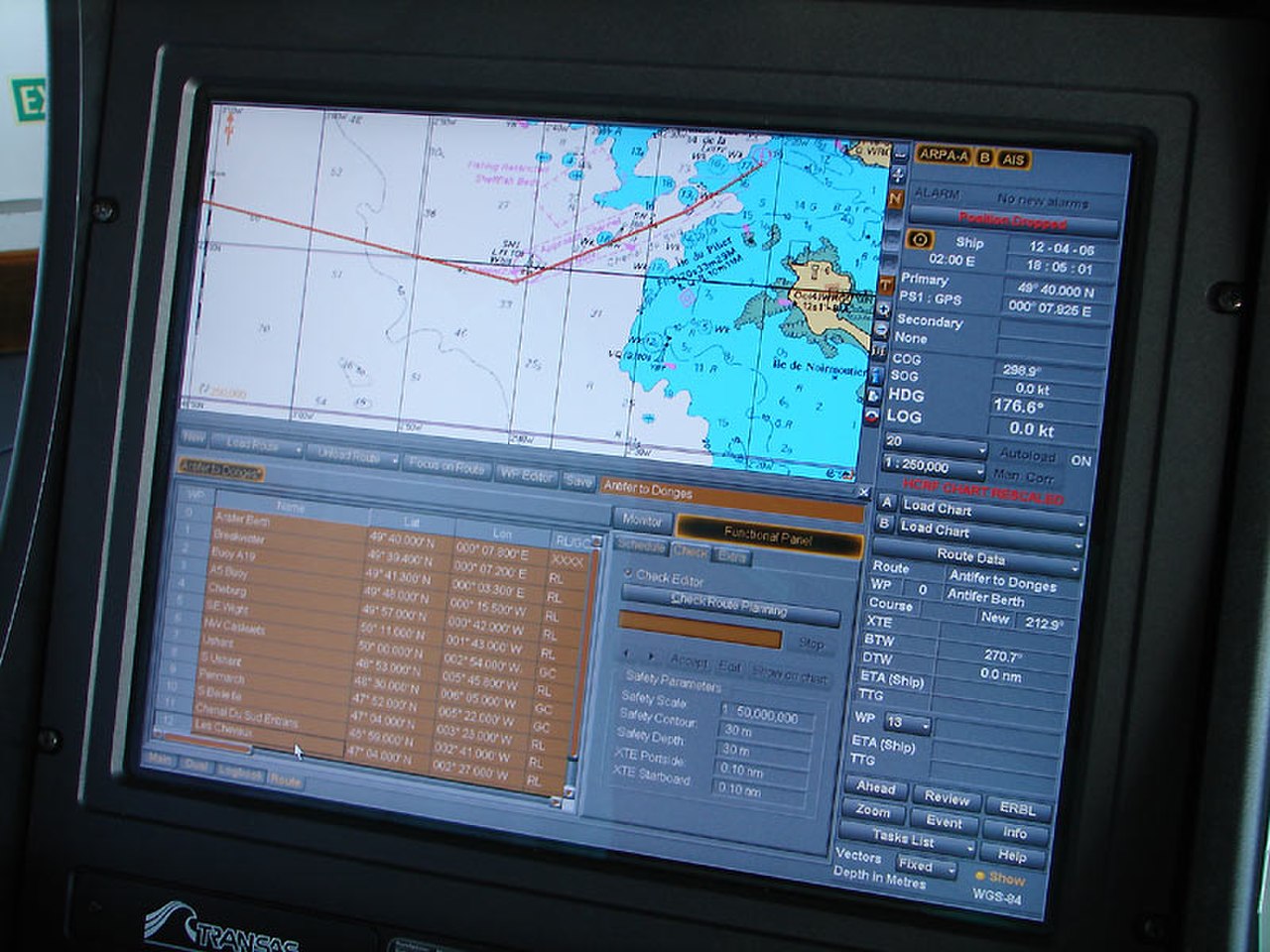
Navigation: Charting the Course of Human Progress

Influenced by: Ancient Greek astronomers like Hipparchus and EratosthenesConnected to: The development of modern transportation systems, including aviation and maritime navigationRelated to: The rise of geospatial technology and the Internet of Things (IoT)

Navigation has been a cornerstone of human progress, with ancient civilizations such as the Phoenicians and Greeks developing sophisticated cartography and…

Navigation: Charting the Course of Human Progress

Contents

  1. 📍 Introduction to Navigation
  2. 🚣‍♀️ Marine Navigation: Charting the Seas
  3. 🛫 Aeronautic Navigation: The Skies and Beyond
  4. 🛰 Space Navigation: Exploring the Cosmos
  5. 🚗 Land Navigation: Finding Your Way
  6. 🏃‍♂️ Pedestrian Navigation: The Art of Orienteering
  7. 📈 The Evolution of Navigation Technology
  8. 🤖 The Future of Navigation: Autonomous Systems
  9. 📊 Navigation in Everyday Life
  10. 🌐 Global Navigation Satellite Systems (GNSS)
  11. 🚨 Navigation Safety and Security
  12. 📚 Conclusion: The Importance of Navigation
  13. Frequently Asked Questions
  14. Related Topics

Overview

Navigation has been a cornerstone of human progress, with ancient civilizations such as the Phoenicians and Greeks developing sophisticated cartography and navigational techniques. The invention of the compass in 12th century China and the development of celestial navigation by astronomers like Copernicus and Galileo further revolutionized the field. The 20th century saw the introduction of electronic navigation systems, including GPS, which has become an indispensable tool for modern navigation. However, the rise of GPS has also raised concerns about the impact of technology on traditional navigation skills, with some arguing that it has led to a decline in spatial awareness and cognitive mapping abilities. As navigation technology continues to evolve, with the development of autonomous vehicles and advanced mapping systems, it is likely to have significant implications for industries such as transportation, logistics, and urban planning. With a vibe score of 8, navigation is a topic that is both widely used and highly debated, with a controversy spectrum that ranges from concerns about privacy and surveillance to discussions about the future of work and the impact of automation on human skills.

📍 Introduction to Navigation

Navigation is a field of study that focuses on the process of monitoring and controlling the movement of a craft or vehicle from one place to another. The field of navigation includes four general categories: land navigation, marine navigation, aeronautic navigation, and space navigation. It is also the term of art used for the specialized knowledge used by navigators to perform navigation tasks. All navigational techniques involve locating the navigator's position compared to known locations or patterns. Navigation, in a broader sense, can refer to any skill or study that involves the determination of position and direction. In this sense, navigation includes orienteering and pedestrian navigation.

🚣‍♀️ Marine Navigation: Charting the Seas

Marine navigation has been a crucial aspect of human progress, with ancient civilizations such as the Phoenicians and Greeks relying on the stars and other natural phenomena to navigate the seas. Today, marine navigation involves the use of advanced technologies such as GPS and radar to chart the most efficient and safe courses. The development of sonar and other underwater navigation systems has also enabled the exploration of the ocean floor. Marine navigation is not just limited to commercial shipping, but also plays a critical role in search and rescue operations and naval warfare.

🛫 Aeronautic Navigation: The Skies and Beyond

Aeronautic navigation has revolutionized the way we travel, with the development of commercial air travel making it possible to reach destinations across the globe in a matter of hours. The use of instrument landing systems and flight management systems has improved the safety and efficiency of air travel. Aeronautic navigation also involves the use of weather radar and other systems to predict and navigate through adverse weather conditions. The development of unmanned aerial vehicles (UAVs) has also opened up new possibilities for aeronautic navigation, including aerial surveying and disaster response.

🛰 Space Navigation: Exploring the Cosmos

Space navigation is a highly complex and specialized field that involves the use of advanced technologies such as star trackers and inertial measurement units to navigate the vast distances of space. The development of global navigation satellite systems (GNSS) has enabled the precise navigation of spacecraft and the determination of their position and velocity. Space navigation is critical to the success of space missions, including space exploration and satellite communications. The use of artificial intelligence and machine learning is also being explored to improve the efficiency and accuracy of space navigation.

🚗 Land Navigation: Finding Your Way

Land navigation involves the use of various techniques and tools to determine one's position and direction on land. This can include the use of maps, compasses, and GPS devices. Land navigation is critical to a range of activities, including hiking, mountaineering, and search and rescue operations. The development of wearable technology and mobile apps has also made it easier for people to navigate on land, with features such as turn-by-turn directions and real-time traffic updates.

🏃‍♂️ Pedestrian Navigation: The Art of Orienteering

Pedestrian navigation is the art of navigating on foot, using a range of techniques and tools to determine one's position and direction. This can include the use of maps, compasses, and GPS devices, as well as the observation of natural phenomena such as the sun and stars. Pedestrian navigation is critical to a range of activities, including orienteering and urban planning. The development of smart cities and intelligent transportation systems is also being driven by the need for more efficient and sustainable pedestrian navigation.

📈 The Evolution of Navigation Technology

The evolution of navigation technology has been rapid and transformative, with the development of new technologies and tools enabling more accurate and efficient navigation. The use of GPS and other global navigation satellite systems (GNSS) has revolutionized the way we navigate, enabling precise determination of position and velocity. The development of artificial intelligence and machine learning is also being explored to improve the efficiency and accuracy of navigation, including the use of predictive analytics and real-time data.

🤖 The Future of Navigation: Autonomous Systems

The future of navigation is likely to be shaped by the development of autonomous systems, including self-driving cars and unmanned aerial vehicles (UAVs). The use of artificial intelligence and machine learning will be critical to the development of these systems, enabling them to navigate complex environments and make decisions in real-time. The development of edge computing and internet of things (IoT) technologies will also play a key role in the future of navigation, enabling the creation of more efficient and connected navigation systems.

📚 Conclusion: The Importance of Navigation

In conclusion, navigation is a critical component of human progress, enabling the safe and efficient movement of people and goods across the globe. The development of new navigation technologies and tools has revolutionized the way we navigate, enabling more accurate and efficient navigation. As we look to the future, it is clear that navigation will continue to play a critical role in shaping our world, from the development of autonomous systems to the creation of more efficient and connected navigation systems.

Key Facts

Year
2010
Origin
Ancient Phoenicia, circa 1500 BCE
Category
Technology
Type
Concept

Frequently Asked Questions

What is navigation?

Navigation is the process of monitoring and controlling the movement of a craft or vehicle from one place to another. It involves the use of various techniques and tools to determine one's position and direction, and is critical to a range of activities, including transportation, search and rescue, and space exploration.

What are the different types of navigation?

There are four general categories of navigation: land navigation, marine navigation, aeronautic navigation, and space navigation. Each type of navigation involves the use of different techniques and tools to determine one's position and direction, and is critical to a range of activities and industries.

What is the importance of navigation in everyday life?

Navigation plays a critical role in our everyday lives, from the use of GPS devices to navigate our daily commutes to the use of maps to find our way in unfamiliar cities. Navigation is also critical to a range of industries, including logistics, transportation, and emergency services.

What are the benefits of using navigation systems?

The benefits of using navigation systems include improved safety, increased efficiency, and enhanced productivity. Navigation systems can also provide real-time traffic updates, turn-by-turn directions, and other features that make it easier for people to navigate.

What are the challenges of navigation?

The challenges of navigation include the need for accurate and reliable navigation data, the risk of navigation system failure, and the potential for human error. Navigation systems must also be able to adapt to changing environments and conditions, such as weather and traffic.

What is the future of navigation?

The future of navigation is likely to be shaped by the development of autonomous systems, including self-driving cars and unmanned aerial vehicles (UAVs). The use of artificial intelligence and machine learning will be critical to the development of these systems, enabling them to navigate complex environments and make decisions in real-time.

What is the role of navigation in space exploration?

Navigation plays a critical role in space exploration, enabling the precise determination of position and velocity. The development of global navigation satellite systems (GNSS) has revolutionized the way we navigate in space, enabling more accurate and efficient navigation.

Related