
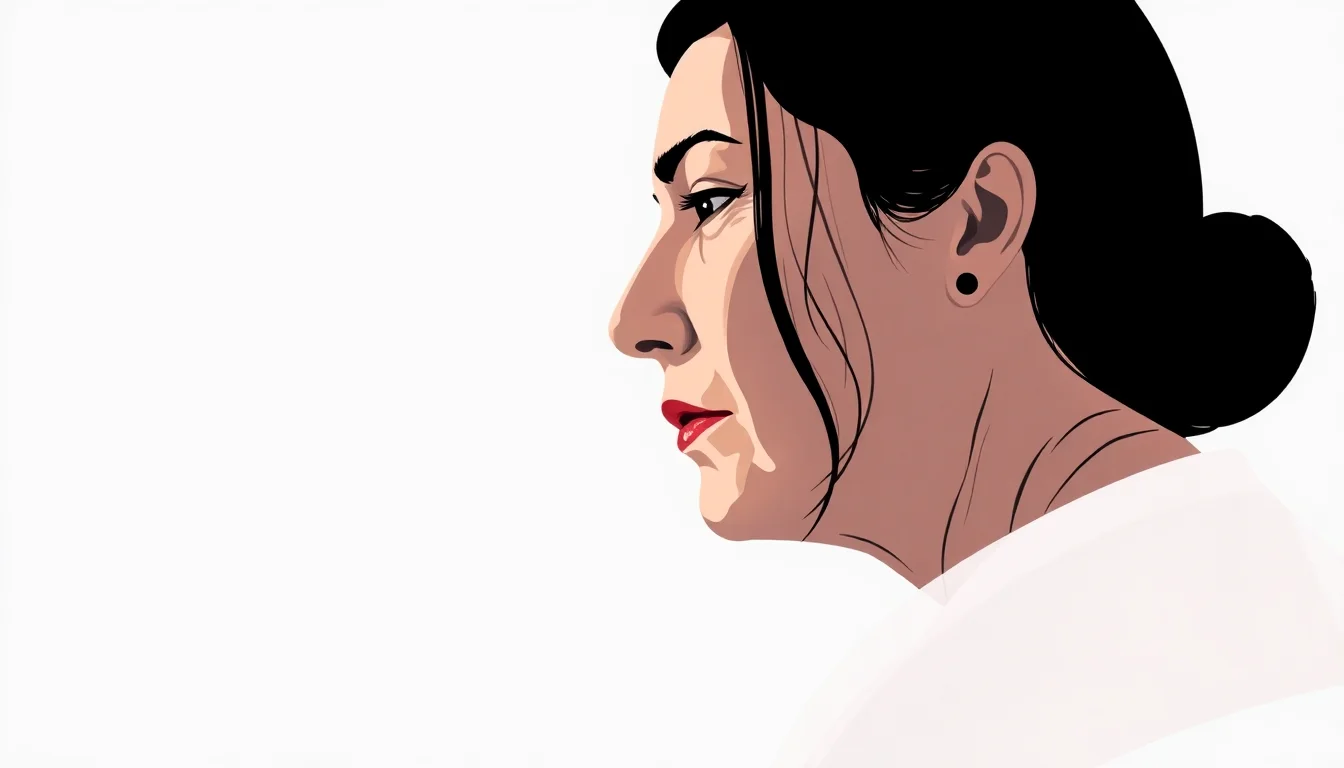
Contents
- 🎨 Introduction to Marina Abramovic
- 🕊️ Early Life and Influences
- 🔥 The Rise of Performance Art
- 👀 Notable Works and Exhibitions
- 🤝 Collaborations and Mentoring
- 🌎 International Recognition and Awards
- 📚 Artistic Philosophy and Legacy
- 👑 The Role of the Artist in Society
- 💭 Criticisms and Controversies
- 🔮 The Future of Performance Art
- 👫 Marina Abramovic's Influence on Contemporary Art
- Frequently Asked Questions
- Related Topics
Overview
Marina Abramovic is widely regarded as the grandmother of performance art, a genre that has been pushing the boundaries of traditional art forms for decades. Born on November 30, 1946, in Belgrade, Serbia, Abramovic's work has been influenced by her Yugoslavian heritage and her experiences as a woman in a male-dominated art world. Her early work was characterized by its use of body art and endurance art, which often involved putting her own body at risk. For example, her 1974 piece Rhythm 0 featured Abramovic standing still for six hours, inviting audience members to use any of 72 objects on her as they saw fit. This work was a testament to her commitment to exploring the limits of the human body and the relationship between the artist and the audience. As Abramovic's career progressed, she became known for her long-duration performances, which often lasted for hours, days, or even weeks. These performances were designed to test her physical and mental endurance, as well as to challenge the audience's perceptions of time and space.
🕊️ Early Life and Influences
Abramovic's early life was marked by a tumultuous relationship with her parents, which would later influence her psychological art. Her mother, Danica Rosić, was a Communist Party member, and her father, Vojo Abramovic, was a Yugoslavian army officer. This complex family dynamic would later inform Abramovic's work, which often explores themes of identity and belonging. Abramovic's artistic influences include John Cage and Joseph Beuys, who were both known for their experimental and avant-garde approaches to art. She has also cited Marcel Duchamp as a major influence, particularly in terms of his use of readymades and his challenges to traditional notions of art. As Abramovic's career progressed, she became known for her innovative use of mixed media and her incorporation of technology into her work.
🔥 The Rise of Performance Art
The rise of performance art in the 1960s and 1970s was a key factor in Abramovic's success. This genre, which emphasized the artist's body and presence, allowed Abramovic to explore new ways of creating and experiencing art. Her work was also influenced by the feminist art movement, which sought to challenge traditional notions of art and the role of women in society. Abramovic's use of her own body as a medium was a powerful statement about the objectification of women and the limitations placed on them by societal norms. As she noted in a 2010 interview with The New Yorker, 'The body is the only medium that is always present, always available.' This emphasis on the body and its limitations has been a hallmark of Abramovic's career, and has influenced a generation of artists who have followed in her footsteps. For example, artists like Ana Mendieta and Carolee Schneemann have also explored the use of the body in their work, often incorporating elements of feminist theory and postcolonial theory.
👀 Notable Works and Exhibitions
Abramovic's notable works and exhibitions include her 2010 piece The Artist is Present, which featured the artist sitting silently in a chair for 736 hours, inviting audience members to sit across from her. This work was a testament to Abramovic's commitment to exploring the relationship between the artist and the audience, and was widely praised by critics and audiences alike. As Roberta Smith noted in a review of the exhibition for The New York Times, 'The show is a thrilling, if sometimes grueling, experience, and a reminder that art can still be a powerful and transformative force.' Abramovic has also exhibited her work at the Tate Modern in London, the Museum of Modern Art in New York, and the Centre Pompidou in Paris. Her work has been recognized with numerous awards, including the Golden Lion for Best Artist at the 1997 Venice Biennale.
🤝 Collaborations and Mentoring
Abramovic has collaborated with a number of other artists, including Ulf von Mechow and Jay-Z. Her 2013 collaboration with Jay-Z, Picasso Baby, was a performance art piece that featured the rapper performing his song 'Picasso Baby' in a Manhattan gallery. This work was a testament to Abramovic's ability to collaborate with artists from a wide range of disciplines, and to push the boundaries of what is possible in the world of performance art. As Abramovic noted in a 2013 interview with The Guardian, 'I'm not interested in making art that is just about me, I'm interested in making art that is about the audience, and about the relationship between the artist and the audience.' This emphasis on collaboration and audience engagement has been a hallmark of Abramovic's career, and has influenced a generation of artists who have followed in her footsteps.
🌎 International Recognition and Awards
Abramovic's international recognition and awards are a testament to her influence on the art world. She has been recognized with numerous awards, including the Golden Lion for Best Artist at the 1997 Venice Biennale and the Prince Claus Award in 2002. Her work has been exhibited in museums and galleries around the world, including the Tate Modern in London, the Museum of Modern Art in New York, and the Centre Pompidou in Paris. As Hans Ulrich Obrist noted in a 2010 interview with Artforum, 'Marina Abramovic is one of the most important artists of our time, and her work continues to inspire and challenge audiences around the world.' This international recognition is a testament to Abramovic's ability to transcend borders and boundaries, and to create work that is both universally relatable and deeply personal.
📚 Artistic Philosophy and Legacy
Abramovic's artistic philosophy is centered on the idea that the artist's body is the primary medium for creating art. She believes that the body is the most honest and direct way to express emotions and ideas, and that it is the key to creating art that is both personal and universal. As she noted in a 2010 interview with The New Yorker, 'The body is the only medium that is always present, always available.' This emphasis on the body and its limitations has been a hallmark of Abramovic's career, and has influenced a generation of artists who have followed in her footsteps. For example, artists like Ana Mendieta and Carolee Schneemann have also explored the use of the body in their work, often incorporating elements of feminist theory and postcolonial theory.
👑 The Role of the Artist in Society
The role of the artist in society is a topic that Abramovic has explored throughout her career. She believes that the artist has a responsibility to challenge societal norms and to push the boundaries of what is possible. As she noted in a 2013 interview with The Guardian, 'I'm not interested in making art that is just about me, I'm interested in making art that is about the audience, and about the relationship between the artist and the audience.' This emphasis on collaboration and audience engagement has been a hallmark of Abramovic's career, and has influenced a generation of artists who have followed in her footsteps. For example, artists like Ai Weiwei and Banksy have also explored the role of the artist in society, often incorporating elements of activism and social justice into their work.
💭 Criticisms and Controversies
Abramovic's work has not been without controversy, and she has faced criticism from some who have accused her of being self-indulgent or attention-seeking. However, Abramovic's commitment to her art and her willingness to take risks have earned her a reputation as one of the most innovative and influential artists of our time. As Roberta Smith noted in a review of Abramovic's 2010 exhibition at the Museum of Modern Art, 'The show is a thrilling, if sometimes grueling, experience, and a reminder that art can still be a powerful and transformative force.' This willingness to take risks and push boundaries has been a hallmark of Abramovic's career, and has influenced a generation of artists who have followed in her footsteps.
🔮 The Future of Performance Art
The future of performance art is a topic that Abramovic has explored throughout her career. She believes that the genre has the potential to continue to evolve and to push the boundaries of what is possible. As she noted in a 2013 interview with The Guardian, 'I'm not interested in making art that is just about me, I'm interested in making art that is about the audience, and about the relationship between the artist and the audience.' This emphasis on collaboration and audience engagement has been a hallmark of Abramovic's career, and has influenced a generation of artists who have followed in her footsteps. For example, artists like Ryan Trecartin and Lizzie Fitch have also explored the use of performance art and video art in their work, often incorporating elements of social media and digital culture.
👫 Marina Abramovic's Influence on Contemporary Art
Abramovic's influence on contemporary art is undeniable. She has inspired a generation of artists who have followed in her footsteps, and her work continues to be a source of inspiration for artists around the world. As Hans Ulrich Obrist noted in a 2010 interview with Artforum, 'Marina Abramovic is one of the most important artists of our time, and her work continues to inspire and challenge audiences around the world.' This influence can be seen in the work of artists like Ana Mendieta and Carolee Schneemann, who have also explored the use of the body in their work. It can also be seen in the work of artists like Ai Weiwei and Banksy, who have explored the role of the artist in society and the use of activism and social justice in their work.
Key Facts
- Year
- 1946
- Origin
- Belgrade, Serbia
- Category
- Art and Culture
- Type
- Person
Frequently Asked Questions
What is Marina Abramovic's most famous work?
Marina Abramovic's most famous work is probably her 2010 piece The Artist is Present, which featured the artist sitting silently in a chair for 736 hours, inviting audience members to sit across from her. This work was a testament to Abramovic's commitment to exploring the relationship between the artist and the audience, and was widely praised by critics and audiences alike. As Roberta Smith noted in a review of the exhibition for The New York Times, 'The show is a thrilling, if sometimes grueling, experience, and a reminder that art can still be a powerful and transformative force.'
What is performance art?
Performance art is a genre of art that emphasizes the artist's body and presence. It often involves the artist performing a specific action or set of actions, and can include elements of dance, theater, and music. Performance art can be used to explore a wide range of themes and ideas, including identity, politics, and social justice. As Marina Abramovic noted in a 2010 interview with The New Yorker, 'The body is the only medium that is always present, always available.'
What is the significance of Marina Abramovic's use of her own body in her work?
Marina Abramovic's use of her own body in her work is significant because it allows her to explore themes of identity, vulnerability, and mortality. By using her own body, Abramovic is able to create art that is both personal and universal, and that challenges the audience to think about their own relationship to their own bodies. As Hans Ulrich Obrist noted in a 2010 interview with Artforum, 'Marina Abramovic is one of the most important artists of our time, and her work continues to inspire and challenge audiences around the world.'
How has Marina Abramovic's work influenced contemporary art?
Marina Abramovic's work has had a significant influence on contemporary art, inspiring a generation of artists who have followed in her footsteps. Her use of performance art and body art has pushed the boundaries of what is possible in the art world, and has challenged artists to think about new ways of creating and experiencing art. As Roberta Smith noted in a review of Abramovic's 2010 exhibition at the Museum of Modern Art, 'The show is a thrilling, if sometimes grueling, experience, and a reminder that art can still be a powerful and transformative force.'
What is Marina Abramovic's legacy?
Marina Abramovic's legacy is that of a pioneering artist who has pushed the boundaries of what is possible in the art world. She has inspired a generation of artists who have followed in her footsteps, and her work continues to be a source of inspiration for artists around the world. As Hans Ulrich Obrist noted in a 2010 interview with Artforum, 'Marina Abramovic is one of the most important artists of our time, and her work continues to inspire and challenge audiences around the world.'