
Contents
- 🌎 Introduction to Activism Unleashed
- 👥 Forms of Activism
- 📢 Mandate Building and Community Organizing
- 🗳️ Political Campaigns and Elections
- 🛍️ Preferential Patronage and Boycotts
- 🚫 Demonstrative Forms of Activism
- 🌈 Social Justice and Human Rights
- 🤝 Collaboration and Coalition Building
- 📊 Measuring the Impact of Activism
- 🔥 Challenges and Controversies in Activism
- 🌟 Successful Activism Stories
- 🔜 Future of Activism
- Frequently Asked Questions
- Related Topics
Overview
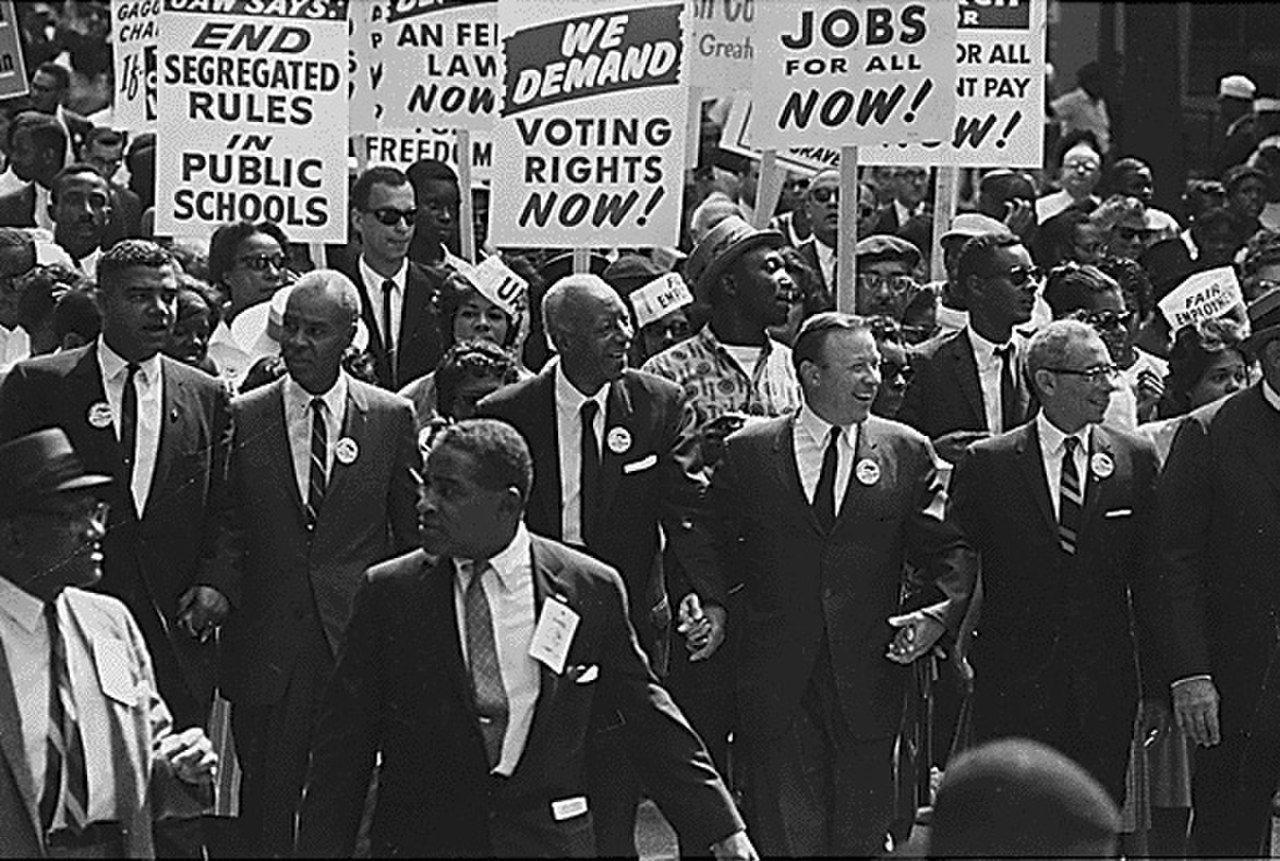
Activism has been a driving force behind many significant social and political changes throughout history, from the Civil Rights Movement led by Martin Luther King Jr. in the 1950s and 1960s to the anti-apartheid movement in South Africa, which saw Nelson Mandela emerge as a key figure. The women's suffrage movement, led by figures like Emmeline Pankhurst and Susan B. Anthony, fought for and secured women's right to vote in the early 20th century. Modern activism continues to evolve, with the rise of digital activism and movements like Black Lives Matter, founded in 2013 by Alicia Garza, Opal Tometi, and Patrisse Cullors, and the climate change movement, inspired by activists such as Greta Thunberg. According to a study by the Pew Research Center in 2020, 54% of adults in the United States believe that protests and demonstrations are an effective way to bring about social change. However, activism also faces challenges, including backlash and criticism, as seen in the controversy surrounding the NFL kneeling protests, which began in 2016. As the world grapples with complex issues like inequality, environmental degradation, and social injustice, the role of activism in shaping public discourse and policy will only continue to grow, with the Global Peace Index reporting a 244% increase in peaceful protests worldwide between 2006 and 2020.
🌎 Introduction to Activism Unleashed
Activism Unleashed refers to the various efforts made by individuals and groups to promote social, political, economic, or environmental reform, with the ultimate goal of creating a more just and equitable society. As discussed in Social Justice movements, activism can take many forms, from Community Organizing and Petitioning Elected Officials to Political Campaigns and Demonstrative Activism. The History of Activism is rich and complex, with numerous examples of successful activism, such as the Civil Rights Movement and the Women's Suffrage Movement.
👥 Forms of Activism
Forms of activism are diverse and can be categorized into several types, including mandate building, petitioning elected officials, running or contributing to a political campaign, preferential patronage of businesses, and demonstrative forms of activism. For instance, Environmental Activism often involves Protests and Rallies to raise awareness about environmental issues, while Labor Activism may focus on Union Organizing and Workers' Rights. The Role of Social Media has also become increasingly important in modern activism, allowing activists to Organize and Mobilize more easily.
📢 Mandate Building and Community Organizing
Mandate building and community organizing are essential components of activism, as they enable activists to build support and momentum for their cause. This can involve Grassroots Organizing, Door-to-Door Canvassing, and Community Outreach. By building a strong mandate, activists can increase their chances of success and create lasting change, as seen in the Anti-Apartheid Movement and the Feminist Movement. Additionally, Coalition Building with other organizations and groups can help to amplify the message and increase the impact of activism.
🗳️ Political Campaigns and Elections
Political campaigns and elections are critical avenues for activism, as they provide opportunities for activists to influence policy and shape the direction of government. This can involve Voter Registration Drives, Get Out the Vote Efforts, and Campaign Volunteering. By supporting candidates who share their values and goals, activists can help to create a more just and equitable society, as discussed in Progressive Politics and Social Democracy. Furthermore, Election Reform efforts, such as Voting Rights and Campaign Finance Reform, are essential for ensuring that the democratic process is fair and representative.
🛍️ Preferential Patronage and Boycotts
Preferential patronage and boycotts are also important forms of activism, as they allow individuals and groups to use their economic power to influence businesses and promote social change. For example, Fair Trade and Sustainable Consumption movements encourage consumers to make ethical purchasing decisions, while Boycotts and Divestment campaigns target companies that engage in unethical practices. By supporting businesses that share their values and avoiding those that do not, activists can help to create a more just and equitable economy, as discussed in Socially Responsible Investing and Corporate Social Responsibility.
🚫 Demonstrative Forms of Activism
Demonstrative forms of activism, such as rallies, street marches, strikes, sit-ins, and hunger strikes, are powerful ways to raise awareness and mobilize support for a cause. These forms of activism can be particularly effective in bringing attention to issues that might otherwise be ignored, as seen in the Civil Rights Movement and the Anti-War Movement. However, they can also be risky and may involve Civil Disobedience and Nonviolent Resistance. By understanding the History of Demonstrative Activism and the Tactics of Demonstrative Activism, activists can better navigate the complexities of this form of activism.
🤝 Collaboration and Coalition Building
Collaboration and coalition building are essential for effective activism, as they enable individuals and groups to pool their resources, share their expertise, and amplify their message. This can involve Partnerships between Organizations, Coalition Building, and Networking and Collaboration. By working together, activists can increase their chances of success and create lasting change, as seen in the Labor Movement and the Environmental Movement. Additionally, Social Movement Theory provides insights into the dynamics of social movements and the role of coalition building in achieving social change.
📊 Measuring the Impact of Activism
Measuring the impact of activism is crucial for evaluating the effectiveness of different strategies and tactics. This can involve Evaluation and Assessment, Data Collection and Analysis, and Impact Reporting. By understanding the impact of their efforts, activists can refine their approach, adjust their tactics, and ultimately achieve greater success, as discussed in Activism Evaluation and Social Change Theory. Furthermore, Outcome-Based Evaluation and Participatory Evaluation provide frameworks for measuring the impact of activism in a more nuanced and inclusive way.
🔥 Challenges and Controversies in Activism
Challenges and controversies in activism are inevitable, as they often involve conflicting values, competing interests, and uncertain outcomes. For example, Violence and Activism and Property Destruction can be contentious issues, while Infiltration and Sabotage can undermine the effectiveness of activism. By acknowledging and addressing these challenges, activists can build stronger, more resilient movements and ultimately achieve greater success, as discussed in Nonviolent Communication and Conflict Resolution. Additionally, Activism and the Law provides a framework for understanding the legal dimensions of activism and the importance of Civil Disobedience and Nonviolent Resistance.
🌟 Successful Activism Stories
Successful activism stories are numerous and varied, ranging from the Civil Rights Movement to the Environmental Movement. These stories demonstrate the power and potential of activism to create lasting change and promote social justice. By studying these examples and learning from their successes and challenges, activists can develop more effective strategies and tactics for achieving their goals, as discussed in Social Movement History and Activism Best Practices. Furthermore, Activist Profiles provide insights into the lives and work of individual activists, highlighting their contributions and achievements.
🔜 Future of Activism
The future of activism is uncertain and rapidly evolving, with new technologies, social media, and global connectivity changing the landscape of social change. As activists adapt to these changes, they must also confront new challenges and opportunities, such as Artificial Intelligence and Activism and Global Social Movements. By embracing these changes and leveraging their potential, activists can create a more just, equitable, and sustainable world, as discussed in Futures of Activism and Social Change in the 21st Century.
Key Facts
- Year
- 2020
- Origin
- Global
- Category
- Social Justice
- Type
- Social Movement
Frequently Asked Questions
What is activism?
Activism refers to the various efforts made by individuals and groups to promote social, political, economic, or environmental reform, with the ultimate goal of creating a more just and equitable society. Activism can take many forms, from community organizing and petitioning elected officials to political campaigns and demonstrative activism. As discussed in Social Justice movements, activism is a crucial component of creating social change.
What are the different forms of activism?
Forms of activism are diverse and can be categorized into several types, including mandate building, petitioning elected officials, running or contributing to a political campaign, preferential patronage of businesses, and demonstrative forms of activism. For instance, Environmental Activism often involves Protests and Rallies to raise awareness about environmental issues, while Labor Activism may focus on Union Organizing and Workers' Rights.
What is the role of social media in activism?
The Role of Social Media has become increasingly important in modern activism, allowing activists to Organize and Mobilize more easily. Social media platforms provide a space for activists to share their message, build support, and connect with other activists and organizations. However, social media also presents challenges, such as Online Harassment and Disinformation.
How can I get involved in activism?
Getting involved in activism can be as simple as Volunteering with an Organization or Participating in a Protest. You can also Donate to a Cause or Spread Awareness on Social Media. Additionally, Community Organizing and Coalition Building are essential components of effective activism, allowing individuals and groups to pool their resources and amplify their message.
What are some successful activism stories?
Successful activism stories are numerous and varied, ranging from the Civil Rights Movement to the Environmental Movement. These stories demonstrate the power and potential of activism to create lasting change and promote social justice. By studying these examples and learning from their successes and challenges, activists can develop more effective strategies and tactics for achieving their goals.
What is the future of activism?
The future of activism is uncertain and rapidly evolving, with new technologies, social media, and global connectivity changing the landscape of social change. As activists adapt to these changes, they must also confront new challenges and opportunities, such as Artificial Intelligence and Activism and Global Social Movements. By embracing these changes and leveraging their potential, activists can create a more just, equitable, and sustainable world.
How can I measure the impact of activism?
Measuring the impact of activism is crucial for evaluating the effectiveness of different strategies and tactics. This can involve Evaluation and Assessment, Data Collection and Analysis, and Impact Reporting. By understanding the impact of their efforts, activists can refine their approach, adjust their tactics, and ultimately achieve greater success.
🌈 Social Justice and Human Rights
Social justice and human rights are core concerns of activism, as they involve promoting equality, fairness, and dignity for all individuals and groups. This can involve Advocacy for Marginalized Communities, Human Rights Education, and Policy Reform. By addressing issues such as Racism, Sexism, and Homophobia, activists can help to create a more just and equitable society, as discussed in Intersectional Feminism and Critical Race Theory. Furthermore, International Human Rights Law provides a framework for promoting and protecting human rights globally.