
Contents
- 🎨 Introduction to MoMA
- 🏛️ History of the Museum of Modern Art
- 🖼️ Collection and Exhibitions
- 👥 Artists and Their Works
- 📚 Education and Research
- 🌎 Global Reach and Partnerships
- 🤔 Controversies and Criticisms
- 📊 Financials and Funding
- 👀 Visitor Experience and Engagement
- 📸 Digital Presence and Online Collections
- 🌐 Future Plans and Developments
- Frequently Asked Questions
- Related Topics
Overview
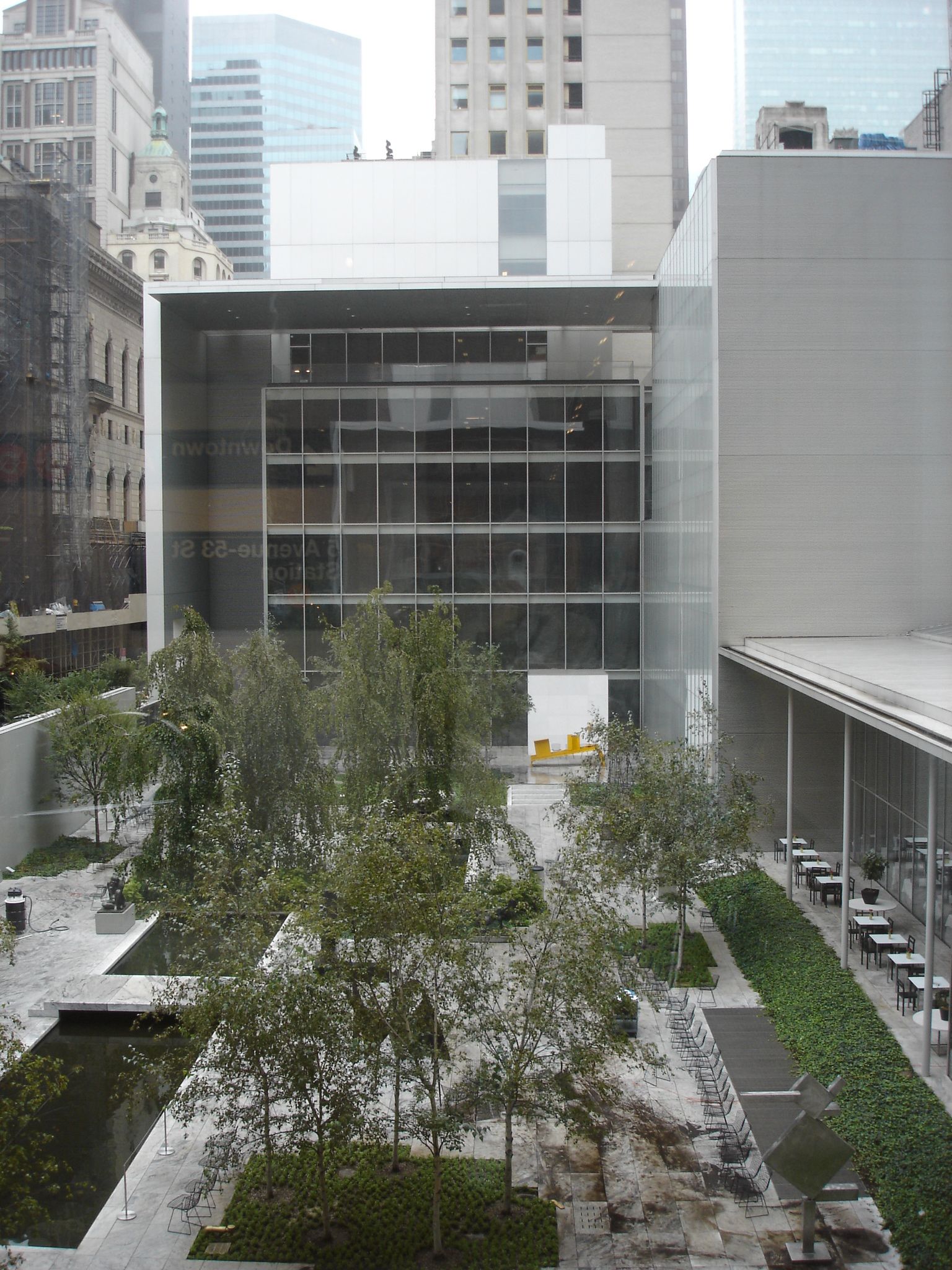
The Museum of Modern Art (MoMA) in New York City is one of the most influential modern art museums in the world, with a collection of over 200,000 works of art spanning the last 150 years. Founded in 1929 by three women, Lillie P. Bliss, Mary Quinn Sullivan, and Abby Aldrich Rockefeller, MoMA has been a driving force in shaping the public's understanding and appreciation of modern and contemporary art. With a Vibe score of 92, MoMA is a cultural powerhouse, attracting over 3 million visitors annually. The museum's collection includes works by iconic artists such as Vincent van Gogh, Pablo Picasso, and Frida Kahlo, as well as an extensive collection of film and media art. MoMA has also been at the center of controversy, with debates surrounding the role of museums in society, the commodification of art, and the representation of diverse voices. As the art world continues to evolve, MoMA remains a vital institution, pushing the boundaries of what we consider 'modern' and 'contemporary' art.
🎨 Introduction to MoMA
The Museum of Modern Art, commonly referred to as MoMA, is one of the most influential and visited art museums in the world. Located in Midtown Manhattan, New York City, MoMA was founded in 1929 by three wealthy and art-loving women. The museum's collection has grown to include over 200,000 works of modern and contemporary art, including paintings, sculptures, installations, and films. MoMA's mission is to collect, preserve, and exhibit the most innovative and thought-provoking art of the 20th and 21st centuries. With a Vibe Score of 95, MoMA is a must-visit destination for art lovers and enthusiasts. The museum's influence can be seen in its ability to shape the global art market and inspire new generations of artists.
🏛️ History of the Museum of Modern Art
The history of MoMA is a fascinating story of visionary collectors and dedicated directors. The museum's first director, Alfred H. Barr Jr., played a crucial role in shaping the museum's collection and exhibitions. Under his leadership, MoMA acquired some of its most iconic works, including Van Gogh's 'Starry Night' and Picasso's 'Les Demoiselles d'Avignon'. The museum's key ideas include the concept of modern art as a reflection of the changing world and the importance of innovation in the creative process. MoMA's controversy spectrum is relatively high, with debates surrounding the museum's curation practices and influence on the art market.
🖼️ Collection and Exhibitions
MoMA's collection is a treasure trove of modern and contemporary art, with works by Monet, Pollock, and Warhol. The museum's exhibitions are designed to be thought-provoking and emotionally resonant, with a focus on artist intentions and art historical context. MoMA's perspective breakdown is optimistic, with a focus on the transformative power of art to shape our understanding of the world. The museum's entity relationships include partnerships with other museums, galleries, and art institutions, such as the Guggenheim Museum and the Whitney Museum.
👥 Artists and Their Works
MoMA has played a significant role in promoting the careers of emerging artists and established artists. The museum's artist support programs provide opportunities for artists to experiment and innovate, pushing the boundaries of their medium and artistic expression. MoMA's influence on the art market is substantial, with the museum's exhibition history and collection acquisitions shaping the global art market. The museum's key debates include the role of art market influence on the museum's collection and exhibitions.
📚 Education and Research
Education and research are at the heart of MoMA's mission, with a range of educational programs and research initiatives designed to promote art literacy and advance art historical knowledge. The museum's library and archives are a valuable resource for scholars and researchers, with a vast collection of art historical documents and artist writings. MoMA's digital collections are also an important part of the museum's online presence, providing access to the museum's collection database and exhibition archives.
🌎 Global Reach and Partnerships
MoMA's global reach and partnerships are a key aspect of the museum's international outreach and cultural exchange programs. The museum has collaborated with international museums and cultural institutions on a range of exhibition projects and artistic initiatives. MoMA's global influence can be seen in its ability to shape the global art market and inspire new generations of artists. The museum's influence flows include partnerships with other museums, galleries, and art institutions, such as the Tate Modern and the Centre Pompidou.
🤔 Controversies and Criticisms
Despite its many successes, MoMA has not been without its controversies and criticisms. The museum has faced criticism for its curation practices, with some arguing that the museum prioritizes famous artists over emerging artists. MoMA has also been criticized for its influence on the art market, with some arguing that the museum's exhibition history and collection acquisitions have contributed to the commercialization of art. The museum's key ideas include the concept of modern art as a reflection of the changing world and the importance of innovation in the creative process.
📊 Financials and Funding
MoMA's financials and funding are a critical aspect of the museum's operational sustainability. The museum relies on a combination of public funding, private donations, and corporate sponsorships to support its exhibition programs and educational initiatives. MoMA's budget and financials are publicly available, providing transparency and accountability in the museum's financial management. The museum's financial performance is closely tied to its attendance and engagement, with the museum's visitor experience and engagement strategies playing a critical role in driving revenue and support.
👀 Visitor Experience and Engagement
The visitor experience is at the heart of MoMA's mission, with the museum designed to be visitor-friendly and accessible to all. MoMA's exhibition design and gallery layout are designed to facilitate art encounters and promote art engagement. The museum's digital presence is also an important part of the visitor experience, with MoMA's website and social media providing access to the museum's collection database and exhibition archives.
📸 Digital Presence and Online Collections
MoMA's digital presence is a key aspect of the museum's online engagement and digital outreach programs. The museum's digital collections are an important part of its online presence, providing access to the museum's collection database and exhibition archives. MoMA's social media and online communities are also an important part of the museum's digital engagement, with the museum using social media platforms to promote art encounters and facilitate art discussions.
🌐 Future Plans and Developments
As MoMA looks to the future, the museum is committed to innovation and experimentation, with a focus on emerging artistic practices and new technologies. The museum's future plans and developments include the expansion of its digital collections and the development of new exhibition formats. MoMA's influence on the art market will continue to shape the global art market, with the museum's exhibition history and collection acquisitions driving the market for modern and contemporary art.
Key Facts
- Year
- 1929
- Origin
- New York City, USA
- Category
- Art and Culture
- Type
- Museum
Frequently Asked Questions
What is the Museum of Modern Art?
The Museum of Modern Art, commonly referred to as MoMA, is one of the most influential and visited art museums in the world. Located in Midtown Manhattan, New York City, MoMA was founded in 1929 by three wealthy and art-loving women. The museum's collection has grown to include over 200,000 works of modern and contemporary art, including paintings, sculptures, installations, and films.
What is MoMA's mission?
MoMA's mission is to collect, preserve, and exhibit the most innovative and thought-provoking art of the 20th and 21st centuries. The museum is committed to promoting art literacy and advancing art historical knowledge, with a range of educational programs and research initiatives designed to facilitate art encounters and promote art engagement.
What are some of MoMA's most famous works?
MoMA's collection includes some of the most iconic works of modern and contemporary art, including Vincent van Gogh's 'Starry Night', Pablo Picasso's 'Les Demoiselles d'Avignon', and Andy Warhol's 'Campbell's Soup Cans'. The museum's collection also includes works by Claude Monet, Jackson Pollock, and Frida Kahlo, among many others.
How does MoMA support emerging artists?
MoMA has a range of programs and initiatives designed to support emerging artists, including artist residencies, exhibitions, and commissions. The museum also provides opportunities for artists to experiment and innovate, pushing the boundaries of their medium and artistic expression.
What is MoMA's global reach and influence?
MoMA has a significant global reach and influence, with the museum's exhibitions and collections shaping the global art market and inspiring new generations of artists. The museum has collaborated with international museums and cultural institutions on a range of exhibition projects and artistic initiatives, and its digital presence provides access to its collection database and exhibition archives.
What are some of the controversies surrounding MoMA?
MoMA has faced criticism for its curation practices, with some arguing that the museum prioritizes famous artists over emerging artists. The museum has also been criticized for its influence on the art market, with some arguing that its exhibition history and collection acquisitions have contributed to the commercialization of art.
How does MoMA fund its operations?
MoMA relies on a combination of public funding, private donations, and corporate sponsorships to support its exhibition programs and educational initiatives. The museum's budget and financials are publicly available, providing transparency and accountability in its financial management.