
Contents
- 📸 Introduction to Image Compression
- 🔍 History of Image Compression
- 📊 Types of Image Compression
- 🔎 Lossy vs Lossless Compression
- 📈 Applications of Image Compression
- 🌐 Impact on Digital Media
- 📊 Technical Aspects of Image Compression
- 🔍 Challenges and Limitations
- 📈 Future of Image Compression
- 👥 Key Players in Image Compression
- 📊 Conclusion
- Frequently Asked Questions
- Related Topics
Overview
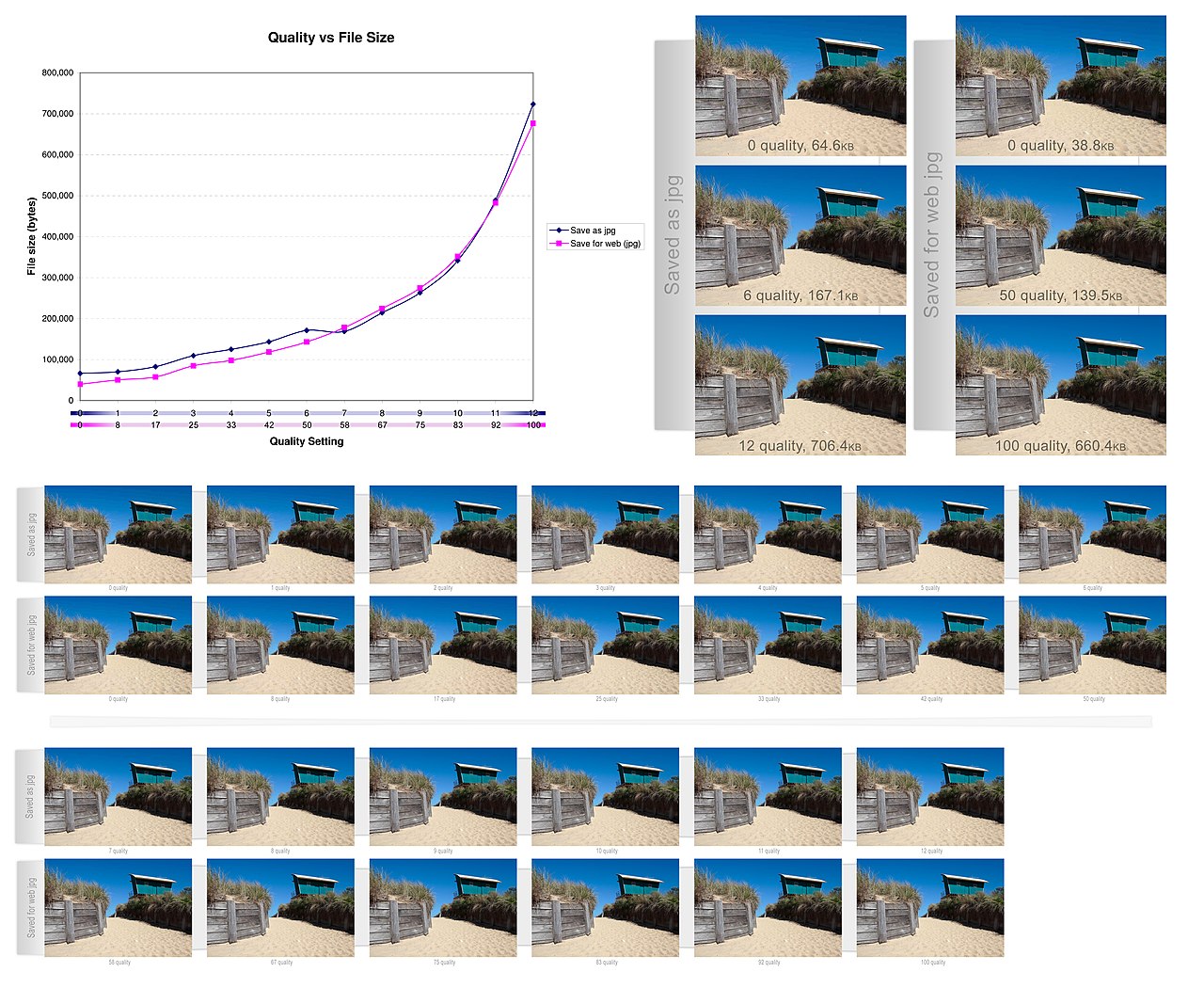
Image compression is a crucial process that reduces the file size of images while maintaining their quality, enabling faster data transfer and storage. The history of image compression dates back to the 1960s, with the development of the first compression algorithms by researchers like Nasir Ahmed, who introduced the discrete cosine transform (DCT) in 1974. Today, image compression is a cornerstone of digital media, with widely used formats like JPEG (Joint Photographic Experts Group), PNG (Portable Network Graphics), and GIF (Graphics Interchange Format). The controversy surrounding image compression lies in the trade-off between quality and compression ratio, with some arguing that over-compression can lead to noticeable artifacts and degradation. According to a study by the International Telecommunication Union (ITU), the use of image compression can reduce data transfer times by up to 90%. As technology advances, new compression algorithms like WebP (Web Picture) and HEIF (High Efficiency Image Format) are being developed to further improve image compression efficiency, with some experts predicting that these formats could become the new standard for online images by 2025.
📸 Introduction to Image Compression
Image compression is a crucial aspect of digital media, allowing us to store and transmit large amounts of visual data efficiently. As discussed in Image Processing, compression algorithms take advantage of visual perception and the statistical properties of image data to provide superior results compared with generic data compression methods. The use of Data Compression techniques has become essential in today's digital age, where high-quality images are in high demand. According to Digital Media experts, the ability to compress images without compromising their quality has revolutionized the way we consume and interact with visual content. For instance, JPEG compression has become a widely accepted standard for digital images, allowing for efficient storage and transmission of high-quality images.
🔍 History of Image Compression
The history of image compression dates back to the early days of computer science, when researchers like Claude Shannon and David Huffman developed the foundation for modern compression algorithms. As explained in Information Theory, these pioneers recognized the importance of compressing data to reduce storage and transmission costs. The development of Transform Coding and Quantization techniques further improved the efficiency of image compression. Today, image compression is a vital component of digital media, enabling the widespread use of Digital Images in various applications.
📊 Types of Image Compression
There are several types of image compression, including lossy and lossless compression. Lossy compression, as seen in JPEG and MP3 formats, discards some of the data to reduce the file size, while lossless compression, as seen in PNG and GIF formats, preserves all the data. According to Image Compression Algorithms, the choice of compression type depends on the specific application and the required level of image quality. For example, Medical Imaging requires lossless compression to preserve the integrity of the images, while Web Images can often use lossy compression to reduce file sizes and improve loading times.
🔎 Lossy vs Lossless Compression
The debate between lossy and lossless compression is ongoing, with each side having its own advantages and disadvantages. As discussed in Lossy Compression, lossy compression can significantly reduce file sizes, making it ideal for applications where storage and transmission costs are a concern. However, it can also compromise image quality, which is a major concern in applications like Digital Photography. On the other hand, lossless compression, as explained in Lossless Compression, preserves all the data, but often results in larger file sizes. The choice between lossy and lossless compression ultimately depends on the specific requirements of the application and the trade-offs between file size and image quality.
📈 Applications of Image Compression
Image compression has numerous applications in digital media, including Web Development, Digital Photography, and Video Production. As discussed in Digital Media Production, compressed images can be easily stored, transmitted, and displayed on various devices, making them an essential component of modern digital media. The use of image compression algorithms has also enabled the widespread adoption of Social Media platforms, where high-quality images are shared and consumed by millions of users every day. Furthermore, E-commerce websites rely heavily on compressed images to showcase products and improve user experience.
🌐 Impact on Digital Media
The impact of image compression on digital media cannot be overstated. As explained in Digital Media, compressed images have enabled the creation of high-quality digital content, which has revolutionized the way we consume and interact with visual information. The use of image compression algorithms has also enabled the development of new technologies, such as Virtual Reality and Augmented Reality, which rely heavily on high-quality compressed images. Moreover, Online Learning platforms have benefited from image compression, allowing for the efficient transmission and display of educational content.
📊 Technical Aspects of Image Compression
From a technical perspective, image compression involves the use of complex algorithms and techniques to reduce the size of digital images. As discussed in Image Compression Algorithms, these algorithms take advantage of the statistical properties of image data to provide superior results compared with generic data compression methods. The use of Discrete Cosine Transform and Wavelet Transform techniques has become common in image compression, allowing for efficient and effective compression of digital images. Additionally, Artificial Intelligence and Machine Learning techniques are being explored for their potential to improve image compression algorithms.
🔍 Challenges and Limitations
Despite the many advantages of image compression, there are also challenges and limitations to consider. As explained in Image Compression Challenges, the compression process can sometimes compromise image quality, which can be a major concern in applications where high-quality images are required. Moreover, the choice of compression algorithm and parameters can significantly impact the efficiency and effectiveness of the compression process. Furthermore, Copyright Infringement and Digital Rights Management are important considerations when compressing and sharing digital images.
📈 Future of Image Compression
The future of image compression is exciting, with ongoing research and development aimed at improving the efficiency and effectiveness of compression algorithms. As discussed in Future of Image Compression, the use of Artificial Intelligence and Machine Learning techniques is expected to play a major role in the development of new image compression algorithms. Additionally, the increasing demand for high-quality digital content is driving the development of new compression standards, such as JPEG XL and AVIF. These new standards promise to provide even better compression ratios and image quality, enabling the widespread adoption of high-quality digital media.
👥 Key Players in Image Compression
Several key players have contributed to the development of image compression algorithms and techniques. As explained in Image Compression Pioneers, researchers like Claude Shannon and David Huffman laid the foundation for modern compression algorithms. Additionally, companies like Google and Microsoft have made significant contributions to the development of image compression standards and algorithms. Moreover, Open Source communities have played a crucial role in the development of image compression software and libraries.
📊 Conclusion
In conclusion, image compression is a vital component of digital media, enabling the efficient storage and transmission of high-quality digital images. As discussed in Image Compression, the use of compression algorithms and techniques has revolutionized the way we consume and interact with visual content. The ongoing research and development in this field promise to further improve the efficiency and effectiveness of image compression, enabling the widespread adoption of high-quality digital media. As we look to the future, it is essential to consider the challenges and limitations of image compression, as well as the opportunities and potential applications of this technology.
Key Facts
- Year
- 1974
- Origin
- Bell Labs, USA
- Category
- Technology
- Type
- Concept
Frequently Asked Questions
What is image compression?
Image compression is a type of data compression applied to digital images, to reduce their cost for storage or transmission. It involves the use of algorithms and techniques to reduce the size of digital images, while preserving their quality. As discussed in Image Compression, compression algorithms take advantage of visual perception and the statistical properties of image data to provide superior results compared with generic data compression methods.
What are the types of image compression?
There are two main types of image compression: lossy and lossless compression. Lossy compression, as seen in JPEG and MP3 formats, discards some of the data to reduce the file size, while lossless compression, as seen in PNG and GIF formats, preserves all the data. The choice of compression type depends on the specific application and the required level of image quality.
What are the applications of image compression?
Image compression has numerous applications in digital media, including Web Development, Digital Photography, and Video Production. Compressed images can be easily stored, transmitted, and displayed on various devices, making them an essential component of modern digital media. The use of image compression algorithms has also enabled the widespread adoption of Social Media platforms and E-commerce websites.
What are the challenges and limitations of image compression?
Despite the many advantages of image compression, there are also challenges and limitations to consider. The compression process can sometimes compromise image quality, which can be a major concern in applications where high-quality images are required. Moreover, the choice of compression algorithm and parameters can significantly impact the efficiency and effectiveness of the compression process. Additionally, Copyright Infringement and Digital Rights Management are important considerations when compressing and sharing digital images.
What is the future of image compression?
The future of image compression is exciting, with ongoing research and development aimed at improving the efficiency and effectiveness of compression algorithms. The use of Artificial Intelligence and Machine Learning techniques is expected to play a major role in the development of new image compression algorithms. Additionally, the increasing demand for high-quality digital content is driving the development of new compression standards, such as JPEG XL and AVIF.
Who are the key players in image compression?
Several key players have contributed to the development of image compression algorithms and techniques. Researchers like Claude Shannon and David Huffman laid the foundation for modern compression algorithms. Additionally, companies like Google and Microsoft have made significant contributions to the development of image compression standards and algorithms. Moreover, Open Source communities have played a crucial role in the development of image compression software and libraries.
What is the impact of image compression on digital media?
The impact of image compression on digital media cannot be overstated. Compressed images have enabled the creation of high-quality digital content, which has revolutionized the way we consume and interact with visual information. The use of image compression algorithms has also enabled the development of new technologies, such as Virtual Reality and Augmented Reality, which rely heavily on high-quality compressed images. Moreover, Online Learning platforms have benefited from image compression, allowing for the efficient transmission and display of educational content.