
Contents
- 🐝 Introduction to Bees: The Tiny but Mighty Insects
- 🌿 The Importance of Bees in Ecosystems: Pollination and Beyond
- 👥 Social Bees: The Complex Hierarchies of Honey Bees and Bumblebees
- 🏠 Solitary Bees: The Unsung Heroes of Pollination
- 🌐 Bee Diversity: Exploring the 20,000 Known Species
- 🔬 The Science of Bee Communication: Dance, Pheromones, and More
- 🌟 The Role of Bees in Human Society: From Honey to Ecological Health
- 🚨 The Threats Facing Bees: Habitat Loss, Pesticides, and Climate Change
- 🌈 Conservation Efforts: Protecting Bees and Their Habitats
- 🔮 The Future of Bees: Emerging Trends and Technologies
- 📚 Conclusion: The Buzz on Bees and Why They Matter
- Frequently Asked Questions
- Related Topics
Overview
Bees, specifically the western honey bee (Apis mellifera), are some of the most studied and revered insects on the planet, with a history of human interaction dating back to ancient civilizations such as Egypt around 2500 BCE. With over 20,000 known species, bees play a crucial role in pollination, contributing to the reproduction of approximately 75% of the world's crop species, including coffee, chocolate, and apples. However, bee populations are facing unprecedented threats, including habitat loss, pesticide use, and climate change, which have led to significant declines in recent decades, with some species experiencing losses of up to 90%. The economic impact of bee decline is substantial, with estimates suggesting that pollination services are worth over $200 billion annually. Researchers like Dr. Marla Spivak and organizations such as the Bee Conservancy are working tirelessly to address these issues through conservation efforts and the development of bee-friendly practices. As we move forward, understanding the intricate social structures of bees, including their communication methods and colony dynamics, will be crucial in mitigating the effects of colony collapse and ensuring the long-term health of these vital pollinators.
🐝 Introduction to Bees: The Tiny but Mighty Insects
Bees are some of the most fascinating and important insects on the planet, playing a crucial role in ecosystems and pollination processes. With over 20,000 known species, bees are incredibly diverse, ranging from the social Apis mellifera to the solitary Osmia lignaria. Bees are part of the superfamily Apoidea, which also includes wasps and ants. The study of bees is a complex and multidisciplinary field, drawing on entomology, biology, and ecology. As we explore the world of bees, we'll delve into their social structures, communication methods, and the importance of bee conservation.
🌿 The Importance of Bees in Ecosystems: Pollination and Beyond
Bees are essential for the health of ecosystems, providing pollination services to countless plant species. Without bees, many plants would be unable to reproduce, and food production would be severely impacted. Bees are also important indicators of ecological health, with changes in bee populations often signaling broader environmental issues. As we consider the importance of bees, we must also examine the impact of human activities on bee populations, including habitat destruction and pesticide use. By understanding the complex relationships between bees, plants, and ecosystems, we can work to protect these vital pollinators.
🏠 Solitary Bees: The Unsung Heroes of Pollination
While social bees often receive the most attention, solitary bees are actually the most common type of bee, with over 90% of bee species being solitary. Solitary bees, such as Osmia lignaria and Xylocopa virginica, do not live in colonies and instead focus on individual reproduction and foraging. These bees are often specialized to specific plant species and play a crucial role in pollination processes. Solitary bees are also important indicators of ecological health, with changes in solitary bee populations often signaling broader environmental issues. As we consider the importance of solitary bees, we must also examine the impact of human activities on these bees, including habitat destruction and pesticide use.
🌐 Bee Diversity: Exploring the 20,000 Known Species
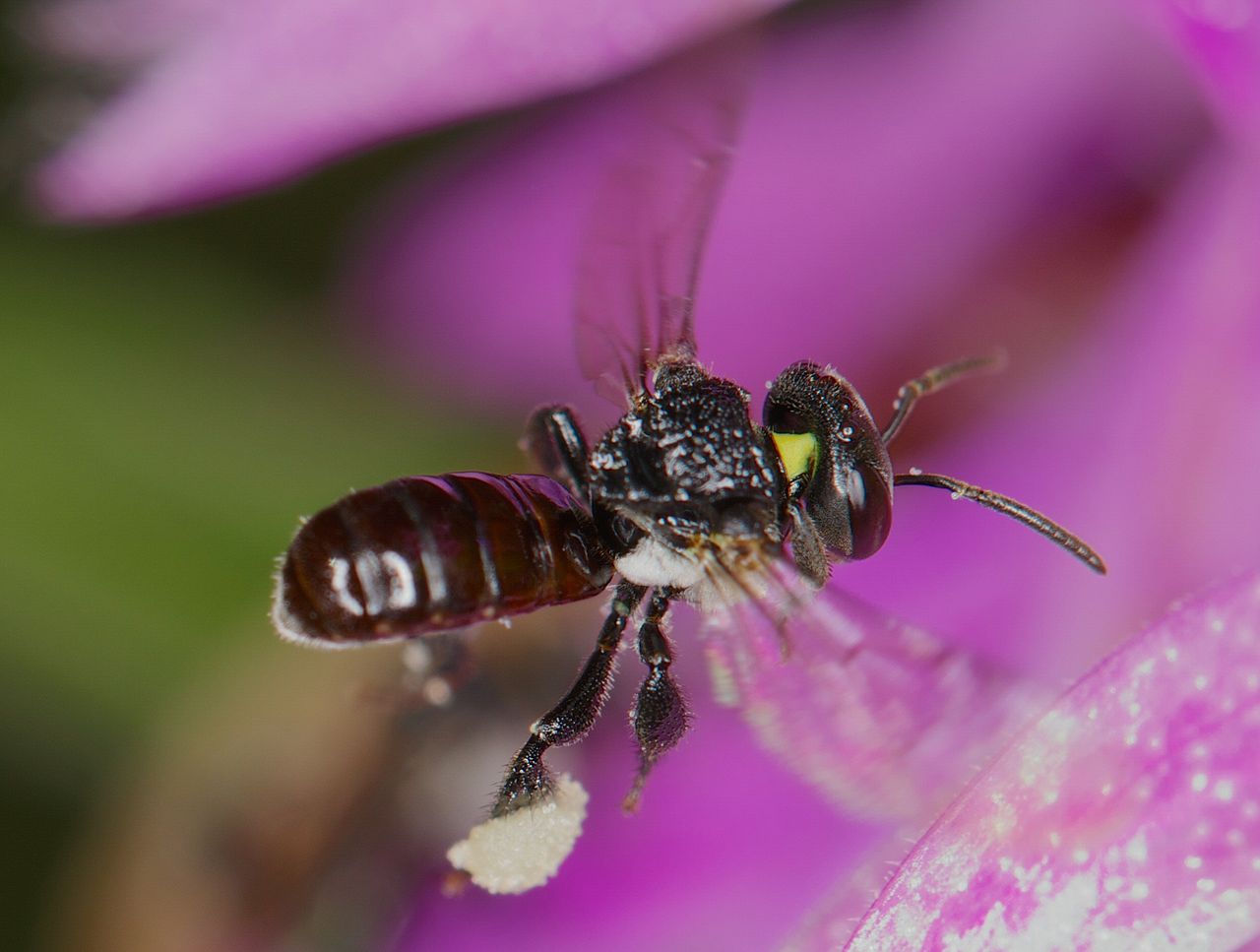
The diversity of bees is staggering, with over 20,000 known species ranging from the tiny Halictidae to the large Xylocopa virginica. Bees can be found on every continent except Antarctica, and are adapted to a wide range of ecosystems, from deserts to rainforests. The study of bee diversity has led to insights into evolutionary biology and the development of species concepts. As we explore the world of bees, we'll examine the complex relationships between bees, plants, and ecosystems, and the importance of conservation biology in protecting these vital pollinators.
🔬 The Science of Bee Communication: Dance, Pheromones, and More
Bees communicate through a variety of methods, including dance, pheromones, and vibrations. The most well-known form of bee communication is the waggle dance, which is used by Apis mellifera to communicate the location of food sources. Bees also use pheromones to communicate with each other, with different pheromones signaling different messages. The study of bee communication has led to insights into animal behavior and the development of artificial intelligence. As we explore the world of bee communication, we'll examine the complex relationships between bees and their environment, and the importance of ecological communication.
🌟 The Role of Bees in Human Society: From Honey to Ecological Health
Bees have played a crucial role in human society for thousands of years, providing honey, wax, and other products. Bees are also important pollinators of many crops, including almonds, apples, and blueberries. The study of bees has also led to insights into ecological health and the development of sustainable agriculture. As we consider the importance of bees, we must also examine the impact of human activities on bee populations, including habitat destruction and pesticide use. By understanding the complex relationships between bees, plants, and ecosystems, we can work to protect these vital pollinators.
🚨 The Threats Facing Bees: Habitat Loss, Pesticides, and Climate Change
Bees are facing numerous threats, including habitat destruction, pesticide use, and climate change. These threats have led to declines in bee populations, with many species facing extinction. The study of bee declines has led to insights into ecological health and the development of conservation biology. As we explore the world of bees, we'll examine the complex relationships between bees, plants, and ecosystems, and the importance of ecological conservation. By understanding the threats facing bees, we can work to protect these vital pollinators.
🌈 Conservation Efforts: Protecting Bees and Their Habitats
Conservation efforts are underway to protect bees and their habitats, including the creation of bee-friendly habitats and the reduction of pesticide use. The study of bee conservation has led to insights into ecological health and the development of sustainable agriculture. As we consider the importance of bees, we must also examine the impact of human activities on bee populations, including habitat destruction and pesticide use. By understanding the complex relationships between bees, plants, and ecosystems, we can work to protect these vital pollinators.
🔮 The Future of Bees: Emerging Trends and Technologies
The future of bees is uncertain, with many species facing extinction. However, there are also many emerging trends and technologies that could help protect bees, including artificial intelligence and genetic engineering. The study of bee biology has led to insights into evolutionary biology and the development of species concepts. As we explore the world of bees, we'll examine the complex relationships between bees, plants, and ecosystems, and the importance of ecological conservation. By understanding the threats facing bees, we can work to protect these vital pollinators.
📚 Conclusion: The Buzz on Bees and Why They Matter
In conclusion, bees are fascinating and important insects that play a crucial role in ecosystems and pollination processes. The study of bees has led to insights into ecological health, evolutionary biology, and the development of conservation biology. As we consider the importance of bees, we must also examine the impact of human activities on bee populations, including habitat destruction and pesticide use. By understanding the complex relationships between bees, plants, and ecosystems, we can work to protect these vital pollinators.
Key Facts
- Year
- 2023
- Origin
- Ancient Egypt, circa 2500 BCE
- Category
- Biology, Ecology, Entomology
- Type
- Insect
Frequently Asked Questions
What is the importance of bees in ecosystems?
Bees are essential for the health of ecosystems, providing pollination services to countless plant species. Without bees, many plants would be unable to reproduce, and food production would be severely impacted. Bees are also important indicators of ecological health, with changes in bee populations often signaling broader environmental issues.
What is the difference between social and solitary bees?
Social bees, such as honey bees and bumblebees, live in highly hierarchical colonies with complex social structures. Solitary bees, on the other hand, do not live in colonies and instead focus on individual reproduction and foraging. Solitary bees are often specialized to specific plant species and play a crucial role in pollination processes.
What are the main threats facing bee populations?
Bees are facing numerous threats, including habitat destruction, pesticide use, and climate change. These threats have led to declines in bee populations, with many species facing extinction. The study of bee declines has led to insights into ecological health and the development of conservation biology.
What can be done to protect bees and their habitats?
Conservation efforts are underway to protect bees and their habitats, including the creation of bee-friendly habitats and the reduction of pesticide use. The study of bee conservation has led to insights into ecological health and the development of sustainable agriculture. By understanding the complex relationships between bees, plants, and ecosystems, we can work to protect these vital pollinators.
What is the future of bees?
The future of bees is uncertain, with many species facing extinction. However, there are also many emerging trends and technologies that could help protect bees, including artificial intelligence and genetic engineering. The study of bee biology has led to insights into evolutionary biology and the development of species concepts.
Why are bees important to human society?
Bees have played a crucial role in human society for thousands of years, providing honey, wax, and other products. Bees are also important pollinators of many crops, including almonds, apples, and blueberries. The study of bees has also led to insights into ecological health and the development of sustainable agriculture.
What can individuals do to help protect bees?
Individuals can help protect bees by creating bee-friendly habitats, reducing pesticide use, and supporting sustainable agriculture. By understanding the complex relationships between bees, plants, and ecosystems, we can work to protect these vital pollinators. Individuals can also support conservation efforts and promote awareness about the importance of bees.
👥 Social Bees: The Complex Hierarchies of Honey Bees and Bumblebees
Social bees, such as Apis mellifera and Bombus terrestris, live in highly hierarchical colonies with complex social structures. These colonies are typically ruled by a single queen bee, with different castes performing specific roles within the colony. Social bees are incredibly efficient and organized, with communication methods that allow them to coordinate their activities and work together to build complex hives. The study of social bees has also led to insights into social evolution and the development of cooperative behavior. As we explore the world of social bees, we'll examine the intricate relationships within these colonies and the importance of social learning.