
Contents
- 🌏 Introduction to the Yao People
- 🏞️ Geographic Distribution and Migration
- 📆 History of the Yao People
- 👥 Social Structure and Organization
- 🕊️ Traditional Practices and Beliefs
- 🎨 Art and Symbolism in Yao Culture
- 📚 Language and Education
- 👑 Leadership and Politics
- 💼 Economic Activities and Development
- 🌈 Cultural Exchange and Influence
- 🤝 Modern Challenges and Preservation Efforts
- Frequently Asked Questions
- Related Topics
Overview
The Yao people, with a population of over 2.6 million, are an ethnic minority group primarily residing in southern China, Vietnam, and Thailand. Their history dates back to the 10th century, with records of migrations from central China to the southern regions. The Yao are known for their rich cultural heritage, including their traditional clothing, festivals, and spiritual practices, which are deeply rooted in Taoism and animism. With over 30 sub-groups, each with distinct customs and languages, the Yao people exhibit a remarkable diversity. Despite facing challenges such as cultural assimilation and socio-economic disparities, the Yao community continues to thrive, with efforts to preserve their language, art, and traditions. As of 2020, initiatives to promote Yao cultural exchange and education have gained momentum, aiming to raise awareness about this fascinating ethnic group and its contributions to the regional cultural landscape.
🌏 Introduction to the Yao People
The Yao people, also known as the Yao language speakers, are an ethnic group with a rich and diverse cultural heritage. With a population of over 2 million, they are primarily found in China, Vietnam, and Thailand. The Yao people have a long history of migration, with records of their movements dating back to the Song Dynasty. Their traditional practices and beliefs are deeply rooted in their history and cultural exchange with other ethnic groups, such as the Zhuang people and the Miao people.
🏞️ Geographic Distribution and Migration
The geographic distribution of the Yao people is characterized by their migration patterns, which have been influenced by various factors, including climate change and politics. The Yao people have traditionally been skilled farmers, cultivating crops such as Rice and Corn. Their migration patterns have also been shaped by their search for fertile land and access to natural resources, such as Water and Minerals. The Yao people have also been influenced by their cultural exchange with other ethnic groups, such as the Han Chinese and the Tai people.
📆 History of the Yao People
The history of the Yao people is complex and multifaceted, with records of their existence dating back to the Han Dynasty. The Yao people have a rich cultural heritage, with a strong emphasis on traditional practices and beliefs, such as Ancestor Worship and Shamanism. Their history has been shaped by their interactions with other ethnic groups, including the Mongols and the Manchu people. The Yao people have also been influenced by their cultural exchange with other regions, such as India and Southeast Asia.
🕊️ Traditional Practices and Beliefs
The traditional practices and beliefs of the Yao people are deeply rooted in their history and cultural exchange with other ethnic groups. The Yao people have a strong emphasis on Spirituality, with a belief in a complex pantheon of gods and spirits. Their traditional practices include Rituals and Ceremonies, such as the Yao New Year and the Yao Harvest Festival. The Yao people have also been influenced by their cultural exchange with other regions, such as Buddhism and Taoism.
🎨 Art and Symbolism in Yao Culture
The art and symbolism of the Yao people are characterized by their traditional practices and beliefs, such as Textile Art and Wood Carving. The Yao people have a rich cultural heritage, with a strong emphasis on craftsmanship and attention to detail. Their art and symbolism have been influenced by their cultural exchange with other ethnic groups, such as the Karen people and the Akha people. The Yao people have also been shaped by their history, including their experiences with Trade and Commerce.
📚 Language and Education
The language and education of the Yao people are critical components of their cultural heritage. The Yao language is a member of the Hmong-Mien languages family, and is spoken by over 1 million people. The Yao people have a strong emphasis on education, with a focus on preserving their traditional practices and beliefs. Their language and education have been influenced by their cultural exchange with other ethnic groups, such as the Lao people and the Khmer people.
👑 Leadership and Politics
The leadership and politics of the Yao people are characterized by their traditional practices and beliefs, such as Chieftainship and Council System. The Yao people have a strong sense of community, with a emphasis on cooperation and mutual support. Their leadership and politics have been influenced by their cultural exchange with other ethnic groups, such as the Thai people and the Myanmar people. The Yao people have also been shaped by their history, including their experiences with Colonialism and Imperialism.
💼 Economic Activities and Development
The economic activities and development of the Yao people are critical components of their cultural heritage. The Yao people have traditionally been skilled farmers, cultivating crops such as Rice and Corn. Their economic activities have been influenced by their cultural exchange with other ethnic groups, such as the Han Chinese and the Tai people. The Yao people have also been shaped by their history, including their experiences with Trade and Commerce.
🌈 Cultural Exchange and Influence
The cultural exchange and influence of the Yao people are characterized by their traditional practices and beliefs, such as Music and Dance. The Yao people have a rich cultural heritage, with a strong emphasis on preserving their traditional practices and beliefs. Their cultural exchange and influence have been shaped by their history, including their interactions with other ethnic groups, such as the Mongols and the Manchu people.
🤝 Modern Challenges and Preservation Efforts
The modern challenges and preservation efforts of the Yao people are critical components of their cultural heritage. The Yao people face numerous challenges, including Cultural Erosion and Environmental Degradation. Their preservation efforts are focused on preserving their traditional practices and beliefs, such as Language Preservation and Cultural Revitalization. The Yao people have also been influenced by their cultural exchange with other ethnic groups, such as the Zhuang people and the Miao people.
Key Facts
- Year
- 2020
- Origin
- Southern China
- Category
- Ethnology
- Type
- Ethnic Group
Frequently Asked Questions
What is the population of the Yao people?
The population of the Yao people is over 2 million, with the majority living in China, Vietnam, and Thailand. The Yao people have a rich cultural heritage, with a strong emphasis on traditional practices and beliefs. Their population has been influenced by their cultural exchange with other ethnic groups, such as the Han Chinese and the Tai people.
What is the traditional clothing of the Yao people?
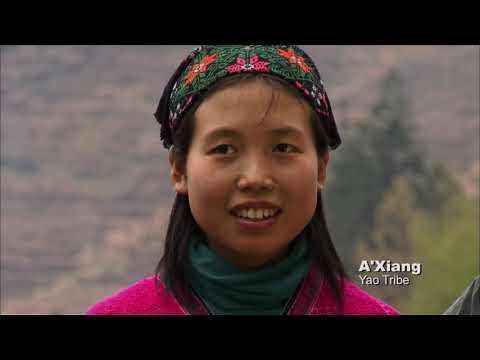
The traditional clothing of the Yao people is characterized by their colorful and intricate designs, such as Embroidery and Batik. The Yao people have a strong emphasis on traditional clothing, with a focus on preserving their cultural heritage. Their traditional clothing has been influenced by their cultural exchange with other ethnic groups, such as the Zhuang people and the Miao people.
What is the main religion of the Yao people?
The main religion of the Yao people is Animism, with a strong emphasis on Spirituality. The Yao people have a complex pantheon of gods and spirits, with a focus on preserving their traditional practices and beliefs. Their religion has been influenced by their cultural exchange with other ethnic groups, such as the Buddhism and Taoism.
What is the traditional music of the Yao people?
The traditional music of the Yao people is characterized by their use of Traditional Instruments, such as the Lute and the Flute. The Yao people have a rich cultural heritage, with a strong emphasis on traditional music and dance. Their traditional music has been influenced by their cultural exchange with other ethnic groups, such as the Han Chinese and the Tai people.
What are the main challenges faced by the Yao people?
The main challenges faced by the Yao people include Cultural Erosion and Environmental Degradation. The Yao people face numerous challenges in preserving their traditional practices and beliefs, including the impact of Urbanization and Globalization. Their preservation efforts are focused on preserving their cultural heritage, including their language, traditional clothing, and music.
👥 Social Structure and Organization
The social structure of the Yao people is characterized by their traditional practices and beliefs, such as Clan System and Kinship. The Yao people have a strong sense of community, with a emphasis on cooperation and mutual support. Their social structure has been influenced by their cultural exchange with other ethnic groups, such as the Tibetan people and the Korean people. The Yao people have also been shaped by their history, including their experiences with Colonialism and Imperialism.