
Contents
- 🎗 Origins & History
- ⚙️ How It Works
- 📊 Key Facts & Numbers
- 👥 Key People & Organizations
- 🌍 Cultural Impact & Influence
- ⚡ Current State & Latest Developments
- 🤔 Controversies & Debates
- 🔮 Future Outlook & Predictions
- 💡 Practical Applications
- 📚 Related Topics & Deeper Reading
- Frequently Asked Questions
- References
- Related Topics
Overview
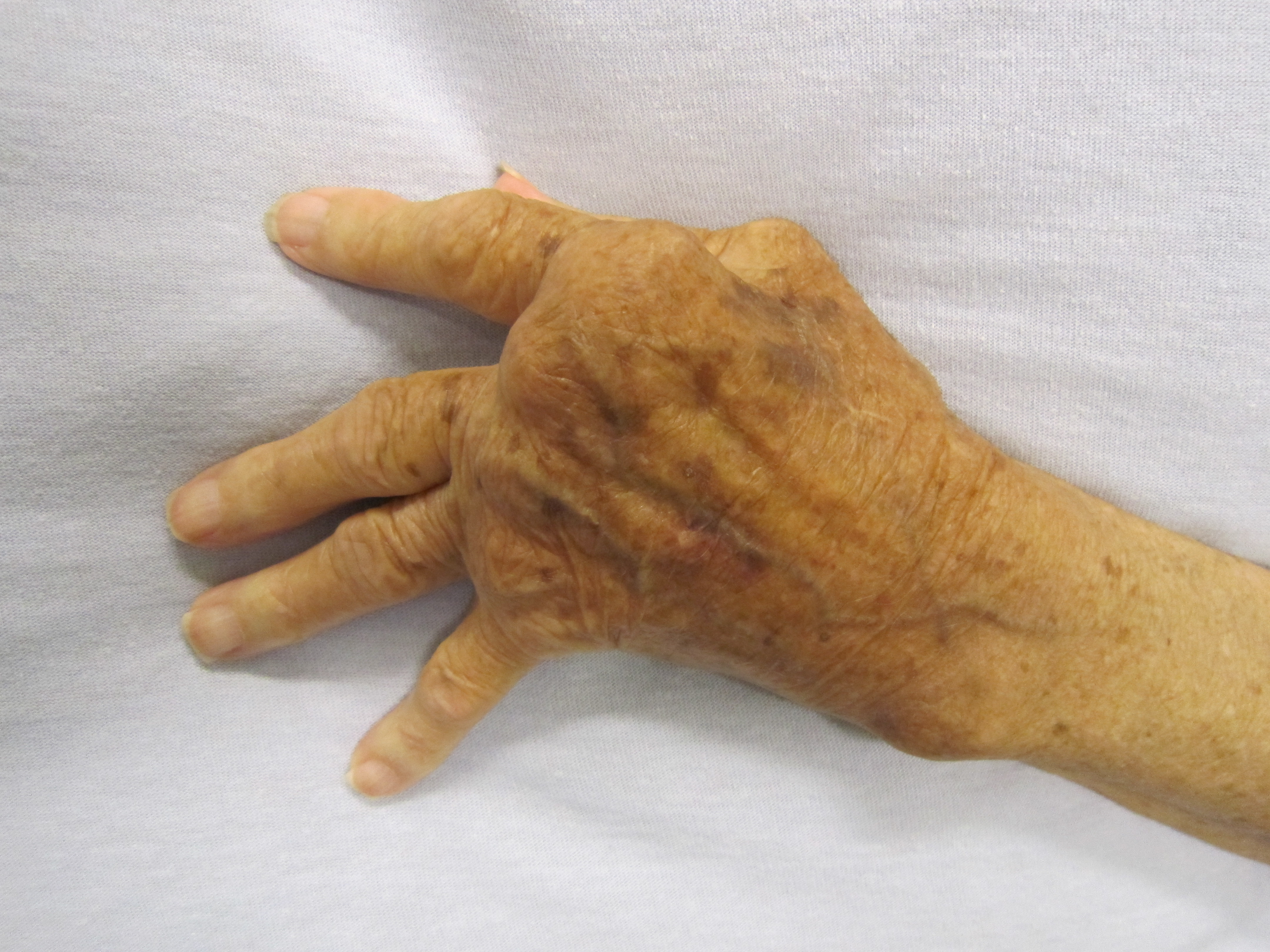
World Autoimmune Arthritis Day is observed annually to raise awareness about autoimmune arthritis, a chronic and debilitating condition that affects millions of people worldwide. Autoimmune arthritis, including rheumatoid arthritis, psoriatic arthritis, and lupus, occurs when the body's immune system mistakenly attacks its own joints and tissues, leading to inflammation, pain, and damage. The exact cause of autoimmune arthritis is still not fully understood, but it is believed to involve a combination of genetic and environmental factors. Symptoms can vary widely, but often include joint pain and stiffness, swelling, and fatigue. While there is no cure for autoimmune arthritis, early diagnosis and treatment can help manage symptoms and slow disease progression. World Autoimmune Arthritis Day aims to promote education, awareness, and support for those affected by autoimmune arthritis, as well as to encourage research into the causes and treatments of these conditions. According to the World Health Organization, autoimmune arthritis affects over 100 million people worldwide, with rheumatoid arthritis being one of the most common forms. The American College of Rheumatology estimates that the economic burden of rheumatoid arthritis alone is over $40 billion annually in the United States. By raising awareness and promoting education, World Autoimmune Arthritis Day hopes to improve the lives of those affected by these conditions and to promote a better understanding of the impact of autoimmune arthritis on individuals and society as a whole.
🎗 Origins & History
World Autoimmune Arthritis Day has its roots in the early 2000s, when patient advocacy groups and healthcare professionals began to recognize the need for increased awareness and education about autoimmune arthritis. The first World Autoimmune Arthritis Day was observed in 2010, and since then, it has been celebrated annually on May 20th. The day is marked by events, campaigns, and activities organized by patient advocacy groups, healthcare organizations, and individuals affected by autoimmune arthritis. For example, the Arthritis Foundation hosts an annual walk/run event to raise funds and awareness for autoimmune arthritis research and education.
⚙️ How It Works
Autoimmune arthritis is a complex condition that involves the body's immune system attacking its own joints and tissues. The exact mechanisms are still not fully understood, but research suggests that a combination of genetic and environmental factors contributes to the development of autoimmune arthritis. The National Institutes of Health has identified several genetic markers that increase the risk of developing autoimmune arthritis, and environmental factors such as smoking and obesity have also been linked to an increased risk. Understanding how autoimmune arthritis works is crucial for developing effective treatments and improving patient outcomes.
📊 Key Facts & Numbers
According to the Centers for Disease Control and Prevention, autoimmune arthritis affects over 50 million adults in the United States alone. The economic burden of autoimmune arthritis is significant, with estimated annual costs exceeding $100 billion. The World Autoimmune Arthritis Day campaign aims to raise awareness about the impact of autoimmune arthritis on individuals, families, and society as a whole. For example, a study published in the Journal of Rheumatology found that patients with autoimmune arthritis experience significant delays in diagnosis and treatment, which can lead to poorer outcomes and increased healthcare costs.
👥 Key People & Organizations
Several key people and organizations are involved in the World Autoimmune Arthritis Day campaign. The International Foundation for Autoimmune Arthritis is a leading patient advocacy group that provides education, support, and resources for individuals affected by autoimmune arthritis. The American College of Rheumatology is a professional organization that promotes education, research, and advocacy for rheumatology and autoimmune arthritis. Other key organizations include the Arthritis Research UK and the Lupus Research Institute.
🌍 Cultural Impact & Influence
World Autoimmune Arthritis Day has a significant cultural impact and influence. The campaign has helped to raise awareness and promote education about autoimmune arthritis, reducing stigma and promoting understanding and support for those affected. The campaign has also inspired a sense of community and solidarity among individuals and families affected by autoimmune arthritis. For example, the Autoimmune Arthritis Support Group provides online forums and local meetups for patients and caregivers to connect and share their experiences.
⚡ Current State & Latest Developments
The current state of autoimmune arthritis research and treatment is rapidly evolving. New therapies and treatments are being developed, and there is a growing focus on personalized medicine and precision health. The Food and Drug Administration has approved several new treatments for autoimmune arthritis in recent years, including biologic therapies and small molecule inhibitors. However, there is still much to be learned about the causes and mechanisms of autoimmune arthritis, and further research is needed to develop more effective treatments and improve patient outcomes.
🤔 Controversies & Debates
There are several controversies and debates surrounding autoimmune arthritis. One of the main controversies is the lack of awareness and understanding about autoimmune arthritis among healthcare professionals and the general public. Another controversy is the high cost of treatments and therapies for autoimmune arthritis, which can be a significant burden for individuals and families affected by the condition. The Patient Access Network Foundation provides financial assistance to patients with autoimmune arthritis who are struggling to access affordable treatments.
🔮 Future Outlook & Predictions
The future outlook for autoimmune arthritis is promising, with ongoing research and development of new therapies and treatments. The National Institutes of Health has launched several initiatives to promote research and education about autoimmune arthritis, including the Autoimmune Diseases Coordinating Committee. There is also a growing focus on prevention and early intervention, with efforts to develop more effective diagnostic tools and treatments. For example, the Lupus Research Institute is funding research into the development of a lupus-specific biomarker that could enable earlier diagnosis and treatment.
💡 Practical Applications
Practical applications of World Autoimmune Arthritis Day include promoting education and awareness about autoimmune arthritis, supporting research and development of new therapies and treatments, and providing resources and support for individuals and families affected by the condition. The Arthritis Foundation offers a range of resources and services, including online education programs, support groups, and advocacy initiatives. Individuals can get involved by participating in events and campaigns, donating to reputable organizations, and spreading awareness about autoimmune arthritis on social media using the hashtag #WorldAutoimmuneArthritisDay.
Key Facts
- Year
- 2010
- Origin
- Global
- Category
- chronic-conditions
- Type
- event
Frequently Asked Questions
What is World Autoimmune Arthritis Day?
World Autoimmune Arthritis Day is an annual event observed on May 20th to raise awareness about autoimmune arthritis and promote education and support for those affected by the condition. The day is marked by events, campaigns, and activities organized by patient advocacy groups, healthcare organizations, and individuals affected by autoimmune arthritis.
What is autoimmune arthritis?
Autoimmune arthritis is a chronic and debilitating condition that occurs when the body's immune system mistakenly attacks its own joints and tissues, leading to inflammation, pain, and damage. The exact cause of autoimmune arthritis is still not fully understood, but it is believed to involve a combination of genetic and environmental factors.
How can I get involved in World Autoimmune Arthritis Day?
Individuals can get involved in World Autoimmune Arthritis Day by participating in events and campaigns, donating to reputable organizations, and spreading awareness about autoimmune arthritis on social media using the hashtag #WorldAutoimmuneArthritisDay. You can also contact local patient advocacy groups, such as the Arthritis Foundation, to learn more about their events and activities.
What are the symptoms of autoimmune arthritis?
The symptoms of autoimmune arthritis can vary widely, but often include joint pain and stiffness, swelling, and fatigue. Other symptoms may include fever, low energy, and inflammation in other parts of the body, such as the skin, eyes, lungs, heart, and nerves. If you are experiencing any of these symptoms, it is essential to consult a healthcare professional for proper diagnosis and treatment.
How can I support someone with autoimmune arthritis?
Supporting someone with autoimmune arthritis can involve providing emotional support, helping with daily tasks, and encouraging them to stay active and engaged. You can also help by raising awareness about autoimmune arthritis and promoting education and support for those affected by the condition. The Autoimmune Arthritis Support Group provides online forums and local meetups for patients and caregivers to connect and share their experiences.
What is the current state of autoimmune arthritis research and treatment?
The current state of autoimmune arthritis research and treatment is rapidly evolving, with ongoing research and development of new therapies and treatments. The National Institutes of Health has launched several initiatives to promote research and education about autoimmune arthritis, including the Autoimmune Diseases Coordinating Committee.
What are the economic and social impacts of autoimmune arthritis?
The economic and social impacts of autoimmune arthritis are significant, with estimated annual costs exceeding $100 billion. Autoimmune arthritis can also have a significant impact on an individual's quality of life, affecting their ability to work, socialize, and engage in daily activities. The Patient Access Network Foundation provides financial assistance to patients with autoimmune arthritis who are struggling to access affordable treatments.