
Contents
- 🌐 Introduction to Web Application Development
- 💻 History of Web Applications
- 🔍 Key Technologies in Web Development
- 📈 Advantages of Web Application Development
- 🚀 Challenges in Web Application Development
- 👥 Role of [[web_development_frameworks|Web Development Frameworks]]
- 🔒 Security Considerations in Web Application Development
- 📊 [[web_application_testing|Web Application Testing]] and Quality Assurance
- 📈 [[web_application_deployment|Web Application Deployment]] Strategies
- 🤝 [[agile_software_development|Agile Software Development]] in Web Application Development
- 📊 [[web_application_maintenance|Web Application Maintenance]] and Updates
- Frequently Asked Questions
- Related Topics
Overview
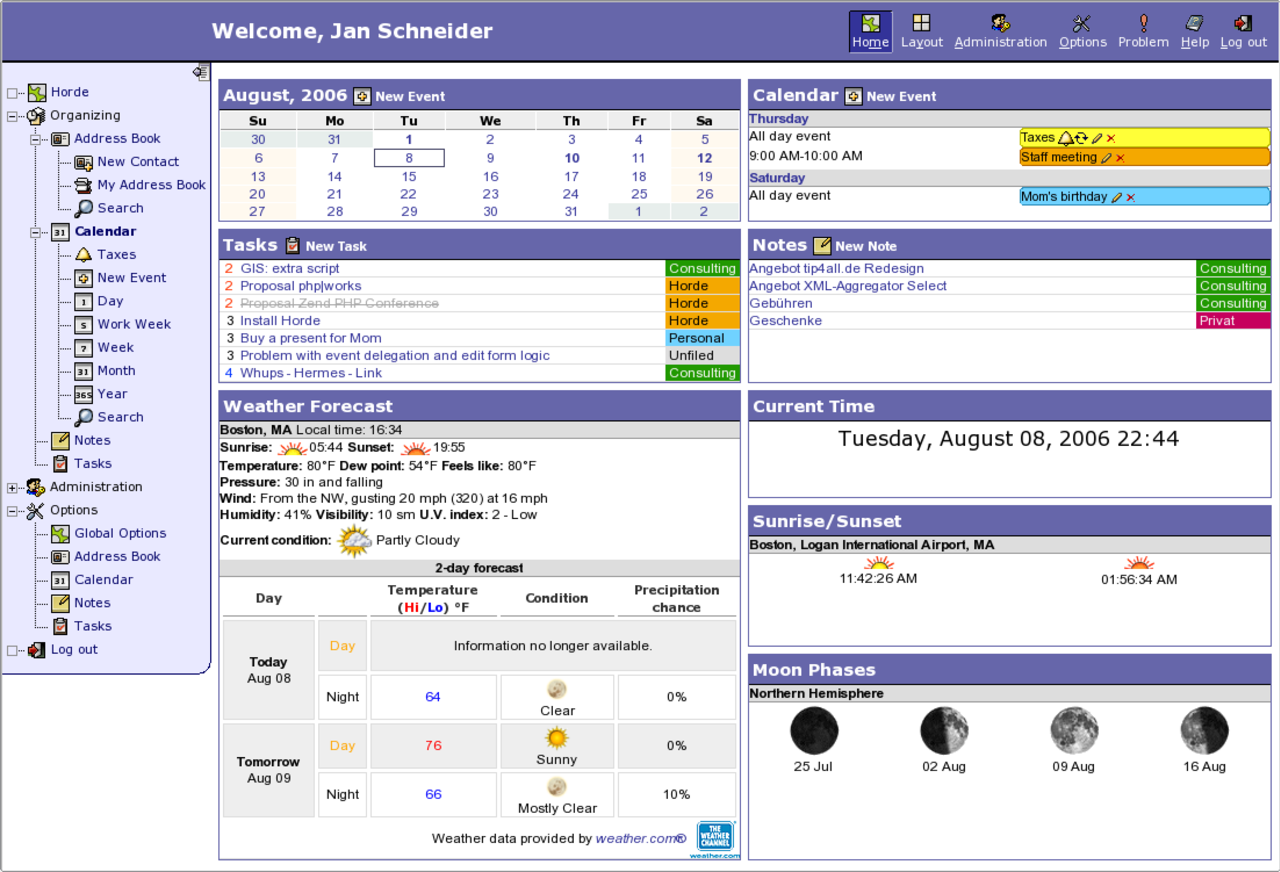
Web application development has come a long way since the first website was launched in 1991 by Tim Berners-Lee. Today, web apps are the backbone of the digital economy, with companies like Google, Amazon, and Facebook investing heavily in their development. However, the field is not without its tensions, with debates raging over the best programming languages, frameworks, and methodologies to use. As of 2022, JavaScript remains the most popular language for web development, with over 90% of websites using it, according to a survey by the Stack Overflow community. Despite this, there are concerns over the security and scalability of web apps, with high-profile breaches like the 2017 Equifax hack highlighting the need for better development practices. Looking ahead, the rise of emerging technologies like artificial intelligence, blockchain, and the Internet of Things (IoT) is set to further disrupt the web development landscape, with potential applications in areas like e-commerce, healthcare, and finance.
🌐 Introduction to Web Application Development
The rise of the internet and the proliferation of web technologies have led to the development of web applications, which are essentially software applications that run on a web browser. Web Application Development has become a crucial aspect of the digital age, with companies and individuals relying on web applications for a wide range of tasks. From simple static websites to complex e-commerce platforms, web applications have revolutionized the way we interact with the internet. As a result, the demand for skilled web developers has increased significantly, with companies competing to hire the best talent in the industry. The use of JavaScript and other programming languages has become essential for web application development.
💻 History of Web Applications
The history of web applications dates back to the late 1990s, when the first web applications emerged. These early web applications were simple and limited in their functionality, but they paved the way for the development of more complex web applications. The introduction of AJAX and other web development technologies enabled developers to create more interactive and dynamic web applications. Today, web applications are an integral part of our daily lives, with millions of people using them for various purposes. The evolution of web applications has been influenced by the development of Web 2.0 technologies, which have enabled the creation of more interactive and user-friendly web applications. The impact of social media on web application development has also been significant, with many web applications integrating social media features to enhance user engagement.
🔍 Key Technologies in Web Development
Web application development involves the use of various technologies, including HTML, CSS, and JavaScript. These technologies enable developers to create web applications that are interactive, dynamic, and user-friendly. The use of frontend frameworks such as React and Angular has become popular in recent years, as they enable developers to create complex web applications quickly and efficiently. The role of backend frameworks such as Express and Django is also crucial, as they enable developers to create robust and scalable web applications. The use of database management systems such as MySQL and MongoDB is also essential for web application development.
📈 Advantages of Web Application Development
One of the main advantages of web application development is that it enables companies to reach a wide audience, regardless of their geographical location. Web applications can be accessed from anywhere in the world, making them a powerful tool for businesses that want to expand their reach. Additionally, web applications are platform-independent, meaning that they can be accessed from any device that has a web browser. The use of cloud computing has also made it possible for companies to deploy web applications quickly and efficiently, without the need for expensive hardware and software. The benefits of web application development are numerous, and companies that invest in web application development can expect to see significant returns on their investment. The use of web analytics tools such as Google Analytics can help companies to track the performance of their web applications and make data-driven decisions.
🚀 Challenges in Web Application Development
Despite the many advantages of web application development, there are also several challenges that developers face. One of the main challenges is ensuring the security of web applications, as they are vulnerable to various types of attacks. The use of web application firewalls and other security measures can help to mitigate these risks. Another challenge is ensuring the scalability of web applications, as they need to be able to handle a large number of users. The use of load balancing and other techniques can help to ensure that web applications can handle high traffic. The role of DevOps in web application development is also crucial, as it enables developers to deploy web applications quickly and efficiently. The use of continuous integration and continuous deployment tools can help to streamline the development process and reduce the risk of errors.
👥 Role of [[web_development_frameworks|Web Development Frameworks]]
Web development frameworks play a crucial role in web application development, as they enable developers to create web applications quickly and efficiently. Ruby on Rails and Laravel are two popular web development frameworks that are widely used in the industry. These frameworks provide a set of tools and libraries that enable developers to create web applications that are robust, scalable, and maintainable. The use of frontend frameworks such as Vue.js and React is also essential, as they enable developers to create complex web applications with ease. The role of backend frameworks such as Express and Django is also crucial, as they enable developers to create robust and scalable web applications. The use of API design principles is also important, as it enables developers to create web applications that are modular and reusable.
🔒 Security Considerations in Web Application Development
Security is a critical aspect of web application development, as web applications are vulnerable to various types of attacks. SQL injection and cross-site scripting are two common types of attacks that can compromise the security of web applications. To mitigate these risks, developers need to use various security measures, such as input validation and error handling. The use of web application firewalls and other security tools can also help to protect web applications from attacks. The role of penetration testing is also crucial, as it enables developers to identify vulnerabilities in web applications and fix them before they can be exploited. The use of security information and event management systems can also help to detect and respond to security incidents.
📊 [[web_application_testing|Web Application Testing]] and Quality Assurance
Web application testing is an essential part of the web application development process, as it enables developers to ensure that web applications are functioning correctly and are free from bugs. Unit testing and integration testing are two types of testing that are commonly used in web application development. The use of test-driven development and behavior-driven development can also help to ensure that web applications are tested thoroughly and are of high quality. The role of quality assurance is also crucial, as it enables developers to ensure that web applications meet the required standards and are reliable. The use of continuous integration and continuous deployment tools can also help to streamline the testing process and reduce the risk of errors.
📈 [[web_application_deployment|Web Application Deployment]] Strategies
Web application deployment is the process of making a web application available to the public. Cloud computing has made it possible for companies to deploy web applications quickly and efficiently, without the need for expensive hardware and software. Amazon Web Services and Microsoft Azure are two popular cloud computing platforms that are widely used in the industry. The use of containerization and Docker can also help to simplify the deployment process and ensure that web applications are portable and scalable. The role of Kubernetes is also crucial, as it enables developers to automate the deployment process and ensure that web applications are highly available. The use of monitoring and logging tools can also help to detect and respond to issues in real-time.
🤝 [[agile_software_development|Agile Software Development]] in Web Application Development
Agile software development is a methodology that is widely used in web application development, as it enables developers to create web applications quickly and efficiently. Scrum and Kanban are two popular agile methodologies that are widely used in the industry. The use of agile project management tools such as Jira and Trello can also help to streamline the development process and ensure that web applications are delivered on time and within budget. The role of DevOps is also crucial, as it enables developers to deploy web applications quickly and efficiently. The use of continuous integration and continuous deployment tools can also help to streamline the development process and reduce the risk of errors.
📊 [[web_application_maintenance|Web Application Maintenance]] and Updates
Web application maintenance is the process of ensuring that a web application continues to function correctly and is free from bugs. Bug fixing and patching are two types of maintenance that are commonly used in web application development. The use of version control systems such as Git can also help to track changes to the code and ensure that web applications are up-to-date. The role of technical debt is also crucial, as it enables developers to prioritize maintenance tasks and ensure that web applications are stable and secure. The use of monitoring and logging tools can also help to detect and respond to issues in real-time.
Key Facts
- Year
- 1991
- Origin
- CERN, Switzerland
- Category
- Software Development
- Type
- Technical Concept
Frequently Asked Questions
What is web application development?
Web application development is the process of creating software applications that run on a web browser. It involves the use of various technologies, including HTML, CSS, and JavaScript, to create web applications that are interactive, dynamic, and user-friendly. The use of web development frameworks such as Ruby on Rails and Laravel can also help to simplify the development process and ensure that web applications are robust, scalable, and maintainable.
What are the advantages of web application development?
The advantages of web application development include the ability to reach a wide audience, platform independence, and the ability to deploy web applications quickly and efficiently. The use of cloud computing has also made it possible for companies to deploy web applications without the need for expensive hardware and software. The benefits of web application development are numerous, and companies that invest in web application development can expect to see significant returns on their investment.
What are the challenges of web application development?
The challenges of web application development include ensuring the security of web applications, ensuring the scalability of web applications, and ensuring that web applications are accessible to users with disabilities. The use of web application firewalls and other security measures can help to mitigate these risks. The role of DevOps is also crucial, as it enables developers to deploy web applications quickly and efficiently.
What is the role of web development frameworks in web application development?
Web development frameworks play a crucial role in web application development, as they enable developers to create web applications quickly and efficiently. The use of frontend frameworks such as React and Angular can help to simplify the development process and ensure that web applications are robust, scalable, and maintainable. The role of backend frameworks such as Express and Django is also crucial, as they enable developers to create robust and scalable web applications.
What is the importance of security in web application development?
Security is a critical aspect of web application development, as web applications are vulnerable to various types of attacks. The use of web application firewalls and other security measures can help to mitigate these risks. The role of penetration testing is also crucial, as it enables developers to identify vulnerabilities in web applications and fix them before they can be exploited.