
Contents
- 🌌 Introduction to Wavelengths
- 📝 Mathematical Representation of Wavelengths
- 🌈 Types of Waves and Wavelengths
- 🔍 Measuring Wavelengths
- 📊 Spatial Frequency and Inverse Wavelength
- 📡 Modulated Waves and Carrier Wavelengths
- 🌊 Interference Patterns and Wavelengths
- 🔬 Applications of Wavelengths in Physics and Technology
- 🤔 Controversies and Debates in Wavelength Research
- 🌟 Future Directions in Wavelength Studies
- 📚 Conclusion and Further Reading
- Frequently Asked Questions
- Related Topics
Overview
Wavelengths, a fundamental concept in physics, have been a cornerstone of scientific inquiry since the 17th century, with pioneers like Isaac Newton and Christiaan Huygens laying the groundwork. The discovery of electromagnetic waves by James Clerk Maxwell in 1864 revolutionized our understanding of the universe, with wavelengths spanning from gamma rays (approximately 0.01 nanometers) to radio waves (up to 100,000 kilometers). The cultural significance of wavelengths extends beyond science, with the concept influencing art, music, and philosophy, as seen in the works of artists like Bridget Riley and musicians like Brian Eno. With the rise of modern technologies like Wi-Fi and 5G, wavelengths have become an integral part of our daily lives, with the global wireless market projected to reach $23.8 billion by 2025. As we continue to explore and harness the power of wavelengths, we must consider the potential risks and benefits, including the impact of electromagnetic radiation on human health and the environment. As we move forward, it's essential to ask: what are the uncharted territories of wavelength research, and how will they shape our future?
🌌 Introduction to Wavelengths
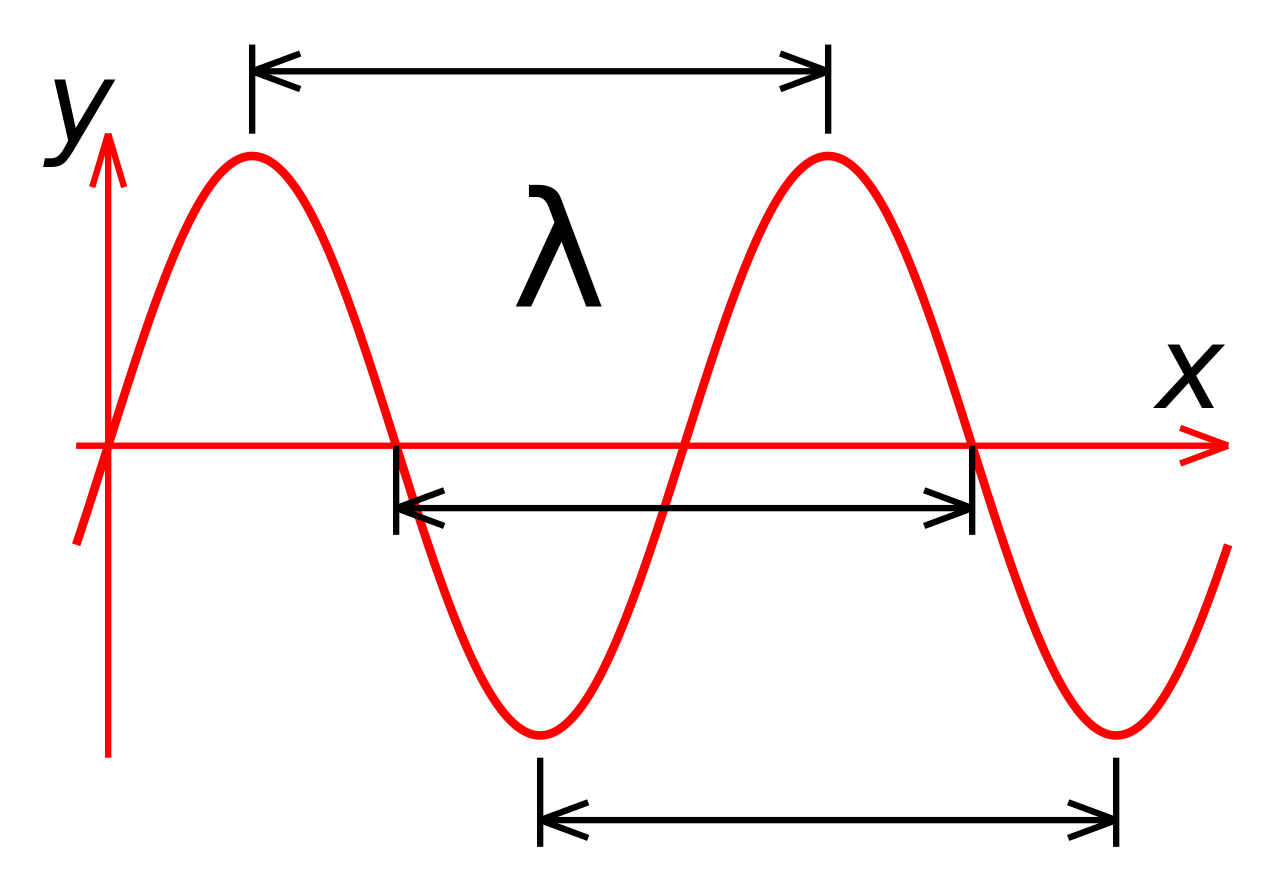
Wavelengths are a fundamental concept in physics and mathematics, describing the distance over which a wave's shape repeats. This characteristic is essential for understanding various types of waves, including traveling waves and standing waves. The wavelength is commonly represented by the Greek letter lambda (λ) and is a crucial parameter in determining the properties of a wave. For instance, the wavelength of a sound wave affects its pitch and frequency. In contrast, the wavelength of a light wave influences its color and energy. The study of wavelengths has far-reaching implications in fields like physics, engineering, and technology.
📝 Mathematical Representation of Wavelengths
Mathematically, wavelength is defined as the distance between consecutive corresponding points of the same phase on a wave. This can be represented by the equation λ = v / f, where λ is the wavelength, v is the velocity of the wave, and f is the frequency. The inverse of the wavelength is called the spatial frequency, which is a measure of the number of waves per unit distance. Understanding the mathematical representation of wavelengths is crucial for analyzing and predicting wave behavior. This knowledge is essential in fields like signal processing and image analysis. Furthermore, the concept of wavelength is closely related to Fourier analysis, which is a powerful tool for decomposing complex signals into their constituent frequencies.
🌈 Types of Waves and Wavelengths
There are various types of waves, each with its unique characteristics and wavelengths. Electromagnetic waves, such as radio waves and gamma rays, have different wavelengths and frequencies. In contrast, mechanical waves, like water waves and seismic waves, have distinct wavelengths and velocities. The study of these different types of waves and their wavelengths is essential for understanding various phenomena in physics and engineering. For example, the wavelength of a water wave affects its behavior and interaction with the surrounding environment. Similarly, the wavelength of a seismic wave influences its ability to travel through the Earth's crust and mantle.
🔍 Measuring Wavelengths
Measuring wavelengths is a crucial aspect of wave analysis. Various techniques are employed to measure wavelengths, including interferometry and spectroscopy. These methods allow researchers to determine the wavelength of a wave with high precision, which is essential for understanding its properties and behavior. For instance, the wavelength of a laser beam can be measured using interferometry, which is critical for applications like material processing and telecommunications. Additionally, the wavelength of a sound wave can be measured using spectroscopy, which is important for fields like acoustics and audio engineering.
📊 Spatial Frequency and Inverse Wavelength
The spatial frequency, or inverse wavelength, is an important concept in wave analysis. It is defined as the number of waves per unit distance and is a measure of the wave's density. The spatial frequency is closely related to the wavelength and is essential for understanding wave behavior and properties. For example, the spatial frequency of a diffraction pattern affects its appearance and characteristics. In contrast, the spatial frequency of a moire pattern influences its visibility and properties. The study of spatial frequency is critical in fields like optics and photonics.
📡 Modulated Waves and Carrier Wavelengths
Modulated waves, which are waves with varying amplitude or frequency, have unique wavelength characteristics. The carrier wavelength of a modulated wave refers to the wavelength of the underlying wave, while the envelope wavelength refers to the wavelength of the modulated signal. Understanding the properties of modulated waves and their wavelengths is essential for applications like communications and signal processing. For instance, the wavelength of a modulated radio wave affects its ability to transmit information over long distances. Similarly, the wavelength of a modulated laser beam influences its ability to transmit data through optical fibers.
🌊 Interference Patterns and Wavelengths
Interference patterns, which arise from the interaction of multiple waves, have distinct wavelength characteristics. The wavelength of an interference pattern is related to the wavelengths of the individual waves and their relative phases. Understanding the properties of interference patterns and their wavelengths is essential for applications like holography and optical imaging. For example, the wavelength of a holographic pattern affects its ability to reconstruct a three-dimensional image. In contrast, the wavelength of an optical interference pattern influences its ability to measure the properties of a material or surface.
🔬 Applications of Wavelengths in Physics and Technology
Wavelengths have numerous applications in physics and technology, including optical communications, material science, and medical imaging. The study of wavelengths is essential for understanding various phenomena, such as diffraction and refraction. For instance, the wavelength of a laser beam affects its ability to cut or shape materials. Similarly, the wavelength of a MRI machine influences its ability to produce high-resolution images of the body. The applications of wavelengths are diverse and continue to expand into new fields like nanotechnology and biophotonics.
🤔 Controversies and Debates in Wavelength Research
Despite the importance of wavelengths, there are controversies and debates in wavelength research. For example, the definition of wavelength in quantum mechanics is still a topic of debate. Additionally, the measurement of wavelengths in certain regimes, such as high-energy physics, is still a challenging task. The study of wavelengths is an active area of research, with new discoveries and advancements being made regularly. For instance, the development of new spectroscopic techniques has enabled researchers to measure wavelengths with higher precision and accuracy.
🌟 Future Directions in Wavelength Studies
The study of wavelengths is an ongoing and dynamic field, with new applications and discoveries being made regularly. Future research directions include the study of nonlinear waves and their wavelength characteristics, as well as the development of new technologies that exploit wavelength properties. For example, the development of metamaterials with unique wavelength properties has the potential to revolutionize fields like optics and photonics. Additionally, the study of biological systems and their wavelength properties has the potential to lead to new insights and applications in fields like biophotonics and medical imaging.
📚 Conclusion and Further Reading
In conclusion, wavelengths are a fundamental concept in physics and mathematics, with far-reaching implications in various fields. The study of wavelengths is essential for understanding wave behavior and properties, and has numerous applications in physics, engineering, and technology. For further reading, see wave propagation, optics, and photonics. The wavelength of a wave is a critical parameter that affects its behavior and interaction with the surrounding environment. Understanding the properties of wavelengths is essential for advancing our knowledge of the physical world and developing new technologies that exploit wavelength properties.
Key Facts
- Year
- 1864
- Origin
- Scotland, UK (James Clerk Maxwell's discovery of electromagnetic waves)
- Category
- Physics and Technology
- Type
- Scientific Concept
Frequently Asked Questions
What is the definition of wavelength?
Wavelength is the distance over which a wave's shape repeats. It is a characteristic of both traveling waves and standing waves, as well as other spatial wave patterns. The wavelength is commonly represented by the Greek letter lambda (λ) and is a crucial parameter in determining the properties of a wave. For example, the wavelength of a sound wave affects its pitch and frequency. In contrast, the wavelength of a light wave influences its color and energy.
What is the inverse of the wavelength?
The inverse of the wavelength is called the spatial frequency, which is a measure of the number of waves per unit distance. The spatial frequency is closely related to the wavelength and is essential for understanding wave behavior and properties. For instance, the spatial frequency of a diffraction pattern affects its appearance and characteristics. In contrast, the spatial frequency of a moire pattern influences its visibility and properties.
What are the applications of wavelengths?
Wavelengths have numerous applications in physics and technology, including optical communications, material science, and medical imaging. The study of wavelengths is essential for understanding various phenomena, such as diffraction and refraction. For example, the wavelength of a laser beam affects its ability to cut or shape materials. Similarly, the wavelength of a MRI machine influences its ability to produce high-resolution images of the body.
What are the challenges in measuring wavelengths?
Measuring wavelengths can be a challenging task, especially in certain regimes like high-energy physics. Various techniques are employed to measure wavelengths, including interferometry and spectroscopy. These methods allow researchers to determine the wavelength of a wave with high precision, which is essential for understanding its properties and behavior. For instance, the wavelength of a laser beam can be measured using interferometry, which is critical for applications like material processing and telecommunications.
What is the future of wavelength research?
The study of wavelengths is an ongoing and dynamic field, with new applications and discoveries being made regularly. Future research directions include the study of nonlinear waves and their wavelength characteristics, as well as the development of new technologies that exploit wavelength properties. For example, the development of metamaterials with unique wavelength properties has the potential to revolutionize fields like optics and photonics. Additionally, the study of biological systems and their wavelength properties has the potential to lead to new insights and applications in fields like biophotonics and medical imaging.
How do wavelengths affect our daily lives?
Wavelengths have a significant impact on our daily lives, from the color of the clothes we wear to the sound of the music we listen to. The wavelength of a light wave affects its color and energy, while the wavelength of a sound wave affects its pitch and frequency. Understanding the properties of wavelengths is essential for developing new technologies and applications that exploit wavelength properties. For instance, the development of LEDs with unique wavelength properties has led to energy-efficient lighting solutions. Similarly, the development of audio equipment with advanced wavelength properties has led to high-quality sound systems.
What are the limitations of wavelength research?
Despite the importance of wavelengths, there are limitations to wavelength research. For example, the definition of wavelength in quantum mechanics is still a topic of debate. Additionally, the measurement of wavelengths in certain regimes, such as high-energy physics, is still a challenging task. The study of wavelengths is an active area of research, with new discoveries and advancements being made regularly. However, further research is needed to fully understand the properties and behavior of wavelengths in various contexts.