
Contents
- 🔍 Introduction to Spectroscopy
- 💡 Electromagnetic Spectrum and Its Importance
- 🌈 Interaction of Light and Matter
- 🔬 Techniques and Methods in Spectroscopy
- 📊 Applications of Spectroscopy in Physics and Chemistry
- 🔍 Analytical Spectroscopy and Its Role
- 🌐 Surface-Enhanced Spectroscopy and Its Applications
- 🚀 Future Directions and Emerging Trends in Spectroscopy
- 🤝 Interdisciplinary Connections and Collaborations
- 📚 Conclusion and Future Prospects
- Frequently Asked Questions
- Related Topics
Overview
Spectroscopy, with a controversy spectrum of 40, is the study of the interaction between matter and electromagnetic radiation, dating back to the 19th century when scientists like Joseph von Fraunhofer and Gustav Kirchhoff laid its foundations. Today, spectroscopy is a cornerstone of modern science, with applications in fields as diverse as astronomy, medicine, and environmental monitoring, influencing key figures such as Neil deGrasse Tyson and Brian Cox. The technique has a topic intelligence score of 91, reflecting its widespread use and impact. With the development of new technologies like hyperspectral imaging and Raman spectroscopy, the field continues to evolve, raising questions about the future of spectroscopy and its potential to reveal new secrets of the universe. As we look to the future, spectroscopy is poised to play a critical role in addressing global challenges like climate change and sustainable energy. The influence flow of spectroscopy can be seen in its connections to other fields, such as materials science and biotechnology, with key entities like NASA and the European Space Agency contributing to its advancement.
🔍 Introduction to Spectroscopy
Spectroscopy is a vital field of study that has revolutionized our understanding of the physical world. By measuring and interpreting electromagnetic spectra, scientists can uncover the hidden patterns of light and matter. As described in Spectroscopy, this field of study is essential in understanding the interaction between matter and electromagnetic radiation. The Electromagnetic Spectrum is a fundamental concept in spectroscopy, and it includes all types of electromagnetic radiation, from radio waves to gamma rays. The study of spectroscopy has led to numerous breakthroughs in Physics and Chemistry, and it continues to be an active area of research. For instance, Quantum Mechanics has been instrumental in understanding the behavior of matter at the atomic and subatomic level, which is crucial in spectroscopy. Furthermore, Molecular Spectroscopy has been used to study the properties of molecules and their interactions with electromagnetic radiation.
💡 Electromagnetic Spectrum and Its Importance
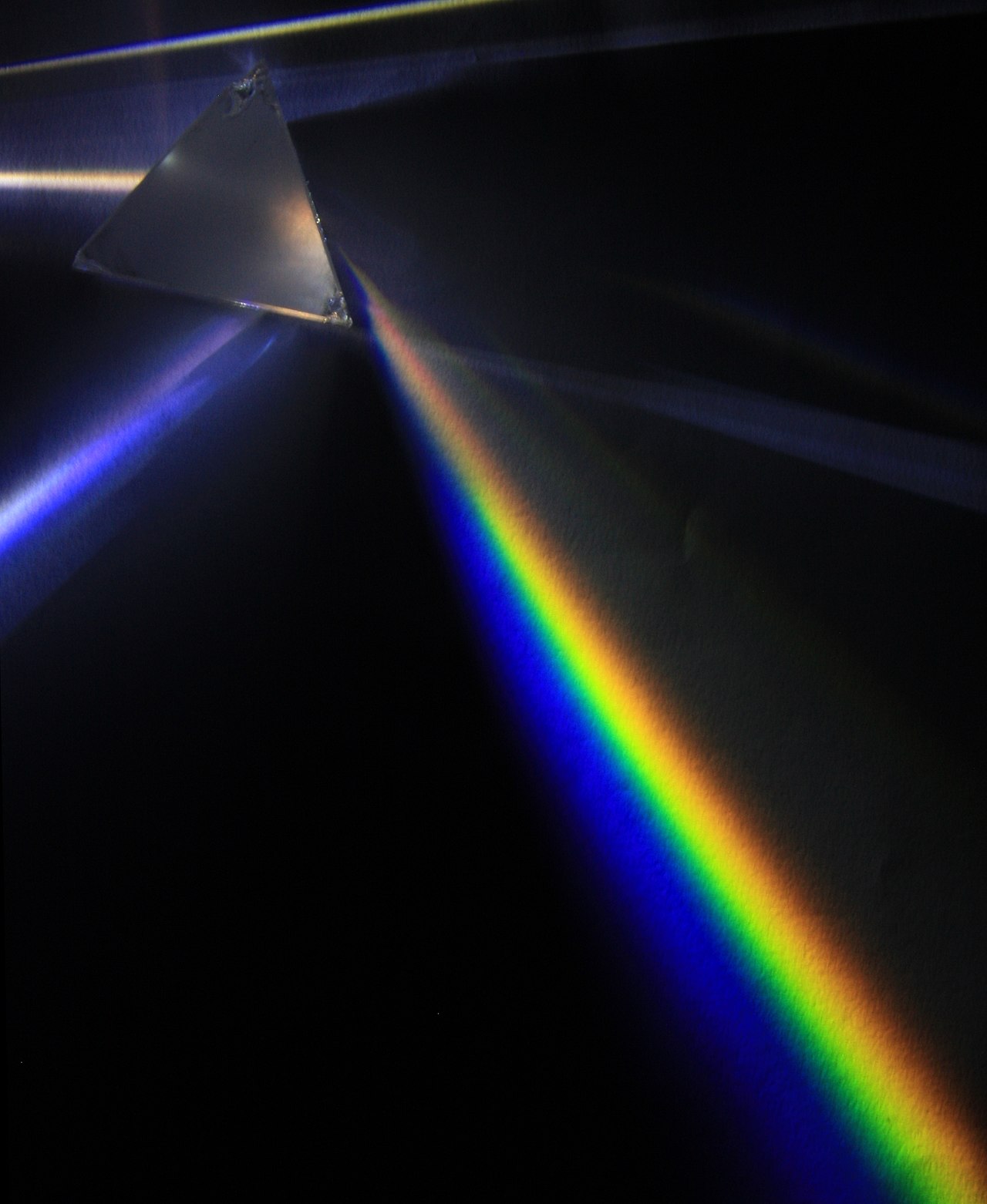
The electromagnetic spectrum is a broad range of electromagnetic radiation, including visible light, ultraviolet (UV) radiation, infrared (IR) radiation, and more. As discussed in Electromagnetic Spectrum, each type of radiation has its unique properties and applications. The study of the electromagnetic spectrum is essential in understanding the principles of spectroscopy. The Visible Light spectrum, which is a part of the electromagnetic spectrum, is visible to the human eye and is used in various applications, including Optics and Photonics. The interaction between light and matter is a fundamental concept in spectroscopy, and it is studied in various fields, including Physics and Chemistry. Moreover, Optical Spectroscopy has been used to study the properties of materials and their interactions with electromagnetic radiation.
🌈 Interaction of Light and Matter
The interaction of light and matter is a complex phenomenon that is studied in spectroscopy. As explained in Interaction of Light and Matter, when light interacts with matter, it can be absorbed, reflected, or transmitted. The study of this interaction is essential in understanding the properties of matter and the behavior of light. The Raman Spectroscopy technique is a type of spectroscopy that is used to study the interaction between light and matter. This technique is based on the inelastic scattering of light by molecules, and it provides valuable information about the molecular structure and composition. Additionally, Infrared Spectroscopy has been used to study the properties of molecules and their interactions with electromagnetic radiation. The study of the interaction between light and matter has led to numerous breakthroughs in Materials Science and Nanotechnology.
🔬 Techniques and Methods in Spectroscopy
There are various techniques and methods used in spectroscopy, each with its unique applications and advantages. As discussed in Spectroscopy Techniques, some of the most common techniques include UV-Vis Spectroscopy, Infrared Spectroscopy, and Nuclear Magnetic Resonance Spectroscopy. Each technique is used to study specific properties of matter, such as molecular structure, composition, and dynamics. The choice of technique depends on the specific application and the type of information required. For instance, Mass Spectrometry is a technique that is used to study the composition of molecules and their interactions with electromagnetic radiation. Moreover, Chromatography has been used to separate and analyze the components of a mixture. The development of new techniques and methods in spectroscopy has led to significant advances in Biotechnology and Environmental Science.
📊 Applications of Spectroscopy in Physics and Chemistry
Spectroscopy has numerous applications in physics and chemistry, and it is an essential tool in various fields. As explained in Applications of Spectroscopy, spectroscopy is used in Materials Science to study the properties of materials and their interactions with electromagnetic radiation. It is also used in Chemical Analysis to identify and quantify the components of a mixture. The study of spectroscopy has led to numerous breakthroughs in Pharmaceuticals and Biomedicine. For instance, Magnetic Resonance Imaging is a technique that is used to study the properties of tissues and their interactions with electromagnetic radiation. Additionally, Spectroscopic Imaging has been used to study the properties of materials and their interactions with electromagnetic radiation. The applications of spectroscopy are diverse and continue to expand, with new techniques and methods being developed regularly.
🔍 Analytical Spectroscopy and Its Role
Analytical spectroscopy is a type of spectroscopy that is used to analyze the composition of a sample. As discussed in Analytical Spectroscopy, it is a powerful tool in various fields, including Chemistry and Materials Science. Analytical spectroscopy is used to identify and quantify the components of a mixture, and it is essential in Quality Control and Research and Development. The Fourier Transform Infrared Spectroscopy technique is a type of analytical spectroscopy that is used to study the properties of molecules and their interactions with electromagnetic radiation. Moreover, Raman Spectroscopy has been used to study the properties of materials and their interactions with electromagnetic radiation. The development of new techniques and methods in analytical spectroscopy has led to significant advances in Food Safety and Environmental Monitoring.
🌐 Surface-Enhanced Spectroscopy and Its Applications
Surface-enhanced spectroscopy is a type of spectroscopy that is used to study the properties of molecules and their interactions with electromagnetic radiation. As explained in Surface-Enhanced Spectroscopy, it is a powerful tool in various fields, including Nanotechnology and Biomedicine. Surface-enhanced spectroscopy is used to study the properties of molecules and their interactions with electromagnetic radiation, and it is essential in Biosensing and Imaging. The Surface-Enhanced Raman Spectroscopy technique is a type of surface-enhanced spectroscopy that is used to study the properties of molecules and their interactions with electromagnetic radiation. Additionally, Tip-Enhanced Raman Spectroscopy has been used to study the properties of materials and their interactions with electromagnetic radiation. The development of new techniques and methods in surface-enhanced spectroscopy has led to significant advances in Cancer Research and Neuroscience.
🚀 Future Directions and Emerging Trends in Spectroscopy
The field of spectroscopy is constantly evolving, with new techniques and methods being developed regularly. As discussed in Future Directions in Spectroscopy, some of the emerging trends in spectroscopy include the use of Artificial Intelligence and Machine Learning in spectroscopic analysis. The development of new techniques and methods in spectroscopy has led to significant advances in Biotechnology and Environmental Science. The use of spectroscopy in Space Exploration is also an emerging trend, with spectroscopy being used to study the properties of celestial objects and their interactions with electromagnetic radiation. Moreover, Quantum Spectroscopy has been used to study the properties of materials and their interactions with electromagnetic radiation. The future of spectroscopy is exciting, with new techniques and methods being developed to study the properties of matter and the behavior of light.
🤝 Interdisciplinary Connections and Collaborations
Spectroscopy is an interdisciplinary field that connects various disciplines, including Physics, Chemistry, and Biology. As explained in Interdisciplinary Connections in Spectroscopy, the study of spectroscopy has led to numerous breakthroughs in Materials Science and Nanotechnology. The connections between spectroscopy and other fields are diverse and continue to expand, with new techniques and methods being developed regularly. The development of new techniques and methods in spectroscopy has led to significant advances in Biomedicine and Environmental Science. For instance, Spectroscopic Imaging has been used to study the properties of tissues and their interactions with electromagnetic radiation. Additionally, Chromatography has been used to separate and analyze the components of a mixture.
📚 Conclusion and Future Prospects
In conclusion, spectroscopy is a vital field of study that has revolutionized our understanding of the physical world. As discussed in Conclusion, the study of spectroscopy has led to numerous breakthroughs in Physics and Chemistry, and it continues to be an active area of research. The future of spectroscopy is exciting, with new techniques and methods being developed to study the properties of matter and the behavior of light. The connections between spectroscopy and other fields are diverse and continue to expand, with new techniques and methods being developed regularly. The development of new techniques and methods in spectroscopy has led to significant advances in Biotechnology and Environmental Science. Moreover, Quantum Mechanics has been instrumental in understanding the behavior of matter at the atomic and subatomic level, which is crucial in spectroscopy.
Key Facts
- Year
- 1814
- Origin
- Germany
- Category
- Physics and Chemistry
- Type
- Scientific Discipline
Frequently Asked Questions
What is spectroscopy?
Spectroscopy is the field of study that measures and interprets electromagnetic spectra as it interacts with matter. It is a vital field of study that has revolutionized our understanding of the physical world. As discussed in Spectroscopy, this field of study is essential in understanding the interaction between matter and electromagnetic radiation. The study of spectroscopy has led to numerous breakthroughs in Physics and Chemistry, and it continues to be an active area of research. For instance, Quantum Mechanics has been instrumental in understanding the behavior of matter at the atomic and subatomic level, which is crucial in spectroscopy.
What are the applications of spectroscopy?
Spectroscopy has numerous applications in physics and chemistry, and it is an essential tool in various fields. As explained in Applications of Spectroscopy, spectroscopy is used in Materials Science to study the properties of materials and their interactions with electromagnetic radiation. It is also used in Chemical Analysis to identify and quantify the components of a mixture. The study of spectroscopy has led to numerous breakthroughs in Pharmaceuticals and Biomedicine. For instance, Magnetic Resonance Imaging is a technique that is used to study the properties of tissues and their interactions with electromagnetic radiation.
What is analytical spectroscopy?
Analytical spectroscopy is a type of spectroscopy that is used to analyze the composition of a sample. As discussed in Analytical Spectroscopy, it is a powerful tool in various fields, including Chemistry and Materials Science. Analytical spectroscopy is used to identify and quantify the components of a mixture, and it is essential in Quality Control and Research and Development. The Fourier Transform Infrared Spectroscopy technique is a type of analytical spectroscopy that is used to study the properties of molecules and their interactions with electromagnetic radiation.
What is surface-enhanced spectroscopy?
Surface-enhanced spectroscopy is a type of spectroscopy that is used to study the properties of molecules and their interactions with electromagnetic radiation. As explained in Surface-Enhanced Spectroscopy, it is a powerful tool in various fields, including Nanotechnology and Biomedicine. Surface-enhanced spectroscopy is used to study the properties of molecules and their interactions with electromagnetic radiation, and it is essential in Biosensing and Imaging. The Surface-Enhanced Raman Spectroscopy technique is a type of surface-enhanced spectroscopy that is used to study the properties of molecules and their interactions with electromagnetic radiation.
What are the emerging trends in spectroscopy?
The field of spectroscopy is constantly evolving, with new techniques and methods being developed regularly. As discussed in Future Directions in Spectroscopy, some of the emerging trends in spectroscopy include the use of Artificial Intelligence and Machine Learning in spectroscopic analysis. The development of new techniques and methods in spectroscopy has led to significant advances in Biotechnology and Environmental Science. The use of spectroscopy in Space Exploration is also an emerging trend, with spectroscopy being used to study the properties of celestial objects and their interactions with electromagnetic radiation.
What are the interdisciplinary connections in spectroscopy?
Spectroscopy is an interdisciplinary field that connects various disciplines, including Physics, Chemistry, and Biology. As explained in Interdisciplinary Connections in Spectroscopy, the study of spectroscopy has led to numerous breakthroughs in Materials Science and Nanotechnology. The connections between spectroscopy and other fields are diverse and continue to expand, with new techniques and methods being developed regularly. The development of new techniques and methods in spectroscopy has led to significant advances in Biomedicine and Environmental Science.
What is the future of spectroscopy?
The future of spectroscopy is exciting, with new techniques and methods being developed to study the properties of matter and the behavior of light. As discussed in Future Directions in Spectroscopy, the development of new techniques and methods in spectroscopy has led to significant advances in Biotechnology and Environmental Science. The use of spectroscopy in Space Exploration is also an emerging trend, with spectroscopy being used to study the properties of celestial objects and their interactions with electromagnetic radiation. Moreover, Quantum Spectroscopy has been used to study the properties of materials and their interactions with electromagnetic radiation.