
Contents
- 🏹 Introduction to Viking Legacy
- 🚣♂️ Viking Raiders: Myth and Reality
- 🛍️ Viking Traders: Commerce and Cultural Exchange
- 🗺️ Viking Explorers: Discoveries and Settlements
- 🏛️ Viking Society: Governance, Law, and Social Hierarchy
- 💡 Viking Culture: Art, Literature, and Symbolism
- 🤝 Viking Legacy: Influence on Modern Society
- 📚 Historical Records: Viking Sagas and Archaeological Finds
- 👑 Viking Leaders: Famous Warriors and Rulers
- 🏞️ Viking Settlements: Iceland, Greenland, and Vinland
- 🕊️ Viking Religion: Paganism and the Conversion to Christianity
- Frequently Asked Questions
- Related Topics
Overview
The Viking legacy is a complex and multifaceted phenomenon that has captivated historians and enthusiasts alike for centuries. From their lightning-fast raids on monasteries to their extensive trade networks and daring explorations, the Vikings left an indelible mark on European history. With a Vibe score of 82, the Viking legacy continues to inspire and fascinate, with influences ranging from literature to film and popular culture. However, this fascination also raises important questions about the accuracy of historical representations and the ongoing impact of Viking culture on contemporary society. As we continue to navigate the complexities of globalization and cultural exchange, the Viking legacy serves as a powerful reminder of the enduring power of human exploration and discovery. With a controversy spectrum rating of 6, the Viking legacy remains a topic of intense debate and discussion among scholars and enthusiasts, with some arguing that the Vikings' brutal raids and pillaging have been overly romanticized, while others see them as pioneering heroes who paved the way for modern European civilization.
🏹 Introduction to Viking Legacy
The Viking legacy is a complex and multifaceted topic, encompassing the history of the Viking Age (793-1066 CE) and its impact on modern society. The Vikings were skilled raiders who pillaged and plundered monasteries and towns, but they were also traders who established extensive trade networks across Europe. Additionally, they were explorers who discovered new lands and established settlements. The Viking legacy can be seen in the many place names and surnames that still exist today, such as Iceland and Normandy. The Vikings also left behind a rich cultural heritage, including their mythology and literature.
🚣♂️ Viking Raiders: Myth and Reality
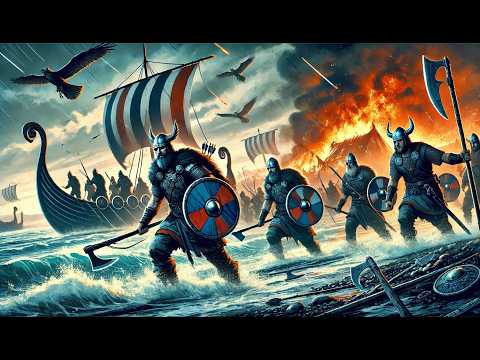
The Viking raiders were known for their lightning-fast attacks and brutal tactics, striking fear into the hearts of their enemies. However, the idea of the Vikings as solely bloodthirsty warriors is a stereotype that has been perpetuated by popular culture. In reality, the Vikings were also skilled farmers and craftsmen who lived in communities with complex social hierarchies. The Vikings were also known for their shipbuilding skills, which allowed them to build fast and maneuverable longships that enabled them to launch surprise attacks on their enemies. The Vikings' military tactics were also highly effective, using techniques such as the shield wall to protect themselves from enemy attacks.
🛍️ Viking Traders: Commerce and Cultural Exchange
The Viking traders played a crucial role in the establishment of trade networks across Europe, exchanging goods such as furs, wool, and amber for silver and gold. The Vikings were skilled merchants who established trade relationships with other cultures, including the Franks and the Byzantine Empire. The Vikings also established trade routes that connected Europe to the Middle East and Asia, facilitating the exchange of goods and ideas. The Vikings' commerce was also influenced by their navigation skills, which allowed them to travel long distances and establish trade relationships with other cultures. The Vikings' cultural exchange with other cultures also had a significant impact on their art and architecture.
🗺️ Viking Explorers: Discoveries and Settlements
The Viking explorers were skilled navigators who used their knowledge of the stars and the winds to discover new lands and establish settlements. The most famous Viking explorer is Leif Erikson, who is credited with the discovery of Vinland (present-day Canada) around 1000 CE. The Vikings also established settlements in Iceland and Greenland, which became important centers of trade and commerce. The Vikings' exploration of new lands also had a significant impact on their environment, as they introduced new species and established farming practices that altered the ecosystems of the lands they settled. The Vikings' settlements also played a crucial role in the development of their society and culture.
💡 Viking Culture: Art, Literature, and Symbolism
The Viking culture was characterized by a rich and vibrant art and literature. The Vikings were skilled craftsmen who created intricate metalwork and wood carvings. The Vikings also had a rich tradition of storytelling, with many stories and poems passed down through oral tradition. The Vikings' mythology was also complex, with a pantheon of gods and goddesses that included Odin, Thor, and Freyja. The Vikings' symbolism was also significant, with many symbols and motifs used to represent different concepts and ideas. The Vikings' music and dance were also important parts of their culture, with many festivals and celebrations held throughout the year.
🤝 Viking Legacy: Influence on Modern Society
The Viking legacy has had a significant impact on modern society, with many place names and surnames still in use today. The Vikings also left behind a rich cultural heritage, including their mythology and literature. The Vikings' influence can also be seen in the many languages that have been influenced by Old Norse, including English and French. The Vikings' exploration and settlement of new lands also had a significant impact on the development of modern society, with many countries and cultures owing a debt to the Vikings' pioneering spirit. The Vikings' legacy continues to be felt today, with many people around the world claiming Viking ancestry and celebrating their Viking heritage.
📚 Historical Records: Viking Sagas and Archaeological Finds
The historical records of the Viking Age are limited, but they provide valuable insights into the lives and culture of the Vikings. The most important historical records are the Viking Sagas, which are medieval manuscripts that tell the stories of the Vikings' raids, trades, and explorations. The Vikings also left behind many archaeological finds, including artifacts and ruins that provide evidence of their settlements and trade routes. The Vikings' runestones are also important historical records, providing insights into their language and culture.
👑 Viking Leaders: Famous Warriors and Rulers
The Viking leaders were skilled warriors and politicians who played a crucial role in the development of Viking society. The most famous Viking leader is Harald Fairhair, who united Norway under a single ruler and established the Kingdom of Norway. The Vikings also had many other notable leaders, including Leif Erikson and Erik the Red, who established settlements in Iceland and Greenland. The Vikings' leadership was also influenced by their social hierarchy, with many leaders holding important positions as chieftains and kings.
🏞️ Viking Settlements: Iceland, Greenland, and Vinland
The Viking settlements in Iceland, Greenland, and Vinland were established by Viking explorers and traders. The Vikings established farming communities in these settlements, which became important centers of trade and commerce. The Vikings' settlements also played a crucial role in the development of their society and culture, with many settlements becoming centers of learning and artistic expression. The Vikings' environmental impact on these settlements was also significant, with many ecosystems altered by their farming practices and hunting activities.
🕊️ Viking Religion: Paganism and the Conversion to Christianity
The Viking religion was characterized by a complex pantheon of gods and goddesses, including Odin, Thor, and Freyja. The Vikings also believed in a variety of supernatural beings, including trolls and giants. The Vikings' conversion to Christianity had a significant impact on their culture and society, with many of their traditional practices and beliefs suppressed or forgotten. The Vikings' paganism continues to be celebrated by many people around the world, with many modern pagan movements drawing inspiration from Viking mythology and culture.
Key Facts
- Year
- 793
- Origin
- Scandinavia
- Category
- History
- Type
- Historical Phenomenon
Frequently Asked Questions
Who were the Vikings?
The Vikings were a group of Norse seafarers and warriors who originated from Scandinavia, specifically from present-day Denmark, Norway, and Sweden. They were known for their raids, trades, and explorations, and played a significant role in shaping European history. The Vikings were skilled sailors and shipbuilders who used their longships to travel long distances and establish trade relationships with other cultures. The Vikings' society was also complex, with a system of governance and social hierarchy that was influenced by their clans and tribes.
What was the Viking Age?
The Viking Age was a period of time that lasted from the late 8th century to the early 11th century, during which the Vikings were active in their raids, trades, and explorations. This period is generally considered to have begun in 793 CE, with the Viking raid on the monastery at Lindisfarne, and ended in 1066 CE, with the Norman Conquest of England. The Viking Age was a time of significant cultural, economic, and political change in Europe, and had a lasting impact on the development of modern society. The Vikings' influence can be seen in the many place names and surnames that still exist today, as well as in their art and literature.
What were the Vikings' most significant achievements?
The Vikings' most significant achievements include their establishment of trade networks across Europe, their discovery and settlement of new lands, and their development of a complex system of governance and social hierarchy. The Vikings were also skilled craftsmen and artists who created intricate metalwork and wood carvings. The Vikings' exploration and settlement of new lands also had a significant impact on the development of modern society, with many countries and cultures owing a debt to the Vikings' pioneering spirit. The Vikings' legacy continues to be felt today, with many people around the world claiming Viking ancestry and celebrating their Viking heritage.
What was the significance of the Viking Sagas?
The Viking Sagas were medieval manuscripts that told the stories of the Vikings' raids, trades, and explorations. They provide valuable insights into the lives and culture of the Vikings, and are considered some of the most important historical records of the Viking Age. The Sagas were written in Old Norse, and were passed down through oral tradition before being written down in the 12th and 13th centuries. The Vikings' literature was also influenced by their mythology, with many stories and poems featuring gods and goddesses from Norse mythology. The Vikings' symbolism was also significant, with many symbols and motifs used to represent different concepts and ideas.
How did the Vikings convert to Christianity?
The Vikings converted to Christianity in the 10th and 11th centuries, as a result of the efforts of Christian missionaries and the influence of Christian cultures. The conversion process was gradual, and was influenced by a variety of factors, including the Vikings' trade relationships with Christian cultures and their marriage alliances with Christian rulers. The Vikings' conversion to Christianity had a significant impact on their culture and society, with many of their traditional practices and beliefs suppressed or forgotten. The Vikings' paganism continues to be celebrated by many people around the world, with many modern pagan movements drawing inspiration from Viking mythology and culture.