
Contents
- 🧬 Introduction to Vellus Hair
- 👶 Development and Growth
- 🔍 Characteristics and Features
- 📏 Density and Distribution
- 🚫 Exceptions and Variations
- 💡 Functions and Importance
- 🤔 Relationship with Other Hair Types
- 📊 Measurement and Analysis
- 👥 Cultural and Social Significance
- 🔬 Scientific Research and Studies
- 📈 Future Directions and Discoveries
- Frequently Asked Questions
- Related Topics
Overview
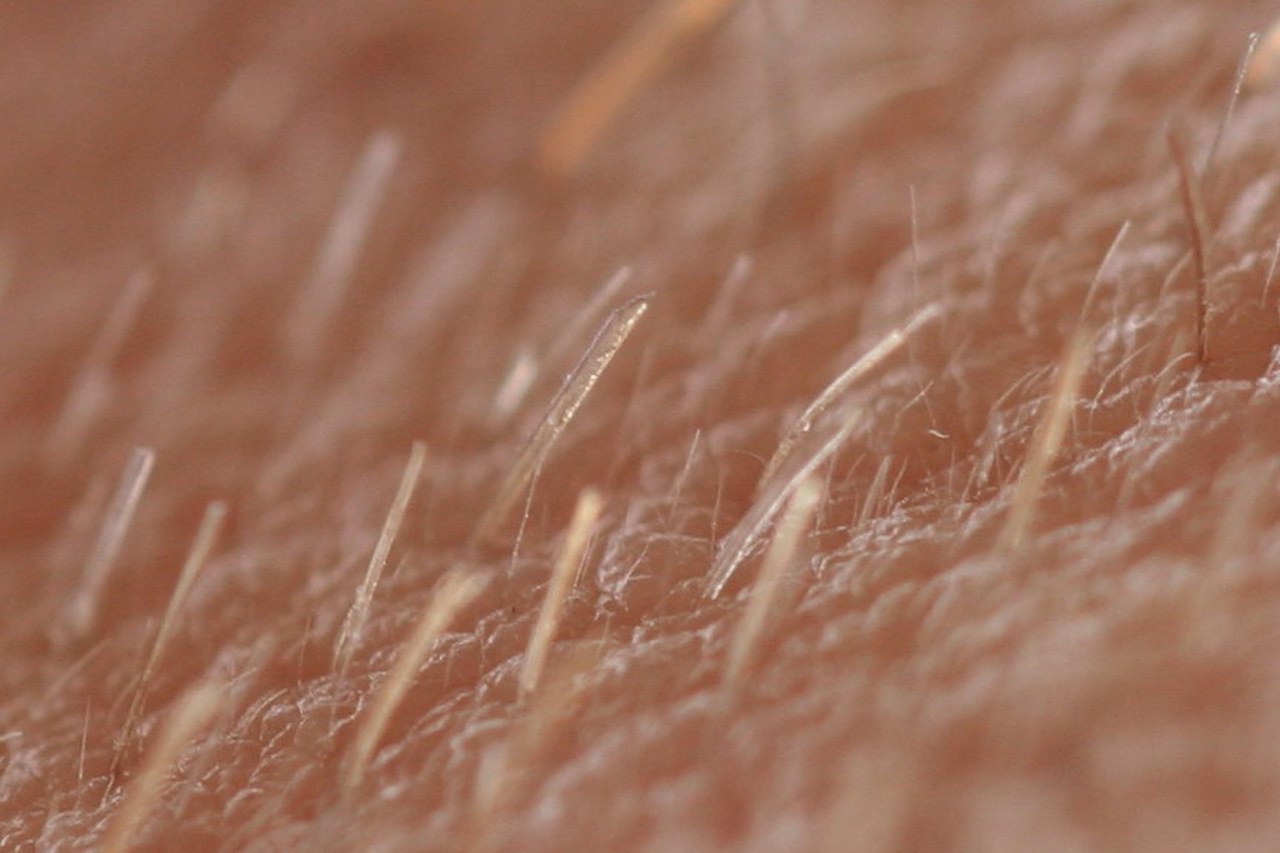
Vellus hair, also known as peach fuzz, is a type of fine, soft hair that covers most of the human body, with the exception of the palms of the hands and soles of the feet. It is present in both men and women, and its functions are still not fully understood. Research suggests that vellus hair may play a role in regulating body temperature, protecting the skin from friction and abrasion, and even aiding in the detection of pheromones. Despite its importance, vellus hair is often overlooked and underappreciated, with many people seeking to remove it through various means such as waxing, tweezing, and depilatory creams. However, this can lead to skin irritation, ingrown hairs, and other complications. As our understanding of vellus hair and its functions continues to evolve, it is essential to approach its removal and maintenance with caution and respect for its role in human biology. With a vibe score of 6, vellus hair is a topic of moderate cultural energy, with a growing interest in its functions and importance. The controversy surrounding its removal and maintenance is a topic of ongoing debate, with some arguing that it is necessary for aesthetic and hygiene purposes, while others argue that it is unnecessary and potentially harmful.
🧬 Introduction to Vellus Hair
Vellus hair, also known as peach fuzz, is a type of hair that is short, thin, and light-colored, and is found on most areas of the human body, excluding the Lips and other specific areas. It develops during childhood and is usually less than 2 cm long. The follicle of vellus hair is not connected to a Sebaceous Gland, which is responsible for producing oil. This type of hair plays a crucial role in protecting the skin and regulating body temperature. For more information on human skin, visit the Human Skin page.
👶 Development and Growth
The development and growth of vellus hair occur during childhood, and it is influenced by various factors such as genetics, hormones, and environmental conditions. The density of vellus hair varies from person to person, and it can be affected by factors such as age, sex, and ethnicity. Vellus hair is usually more noticeable in individuals with lighter skin tones, and it can be less visible in those with darker skin tones. To learn more about human development, visit the Human Development page. Additionally, the Hormone page provides information on how hormones affect human growth and development.
🔍 Characteristics and Features
Vellus hair has several distinct characteristics, including its short length, thin diameter, and light color. It is usually less than 2 cm long and has a smaller diameter than other types of hair. The follicle of vellus hair is not connected to a sebaceous gland, which means that it does not produce oil. This type of hair is also known for its soft and fine texture, and it is often barely noticeable. For more information on hair types, visit the Hair Types page. The Sebaceous Gland page provides more information on the role of sebaceous glands in hair growth.
📏 Density and Distribution
The density and distribution of vellus hair vary from person to person, and it can be influenced by various factors such as genetics, age, and sex. Vellus hair is usually more dense on the arms, legs, and torso, and less dense on the face, neck, and hands. The density of vellus hair can also be affected by hormonal changes, such as those that occur during puberty or menopause. To learn more about human anatomy, visit the Human Anatomy page. The Hormonal Changes page provides more information on how hormonal changes affect the human body.
🚫 Exceptions and Variations
There are several exceptions and variations to the distribution of vellus hair on the human body. For example, vellus hair is not found on the lips, the back of the ear, the palm of the hand, the sole of the foot, some external genital areas, the navel, and scar tissue. These areas are usually hairless, and the reason for this is not fully understood. However, it is thought that the absence of vellus hair in these areas may be due to the unique characteristics of the skin in these regions. For more information on skin conditions, visit the Skin Conditions page. The Genital Health page provides more information on genital health and hygiene.
💡 Functions and Importance
Vellus hair plays a crucial role in protecting the skin and regulating body temperature. It helps to prevent moisture from escaping the skin, and it also provides a barrier against external factors such as wind, cold, and dryness. Vellus hair is also thought to have a role in the development of other hair types, such as terminal hair. To learn more about skin health, visit the Skin Health page. The Body Temperature page provides more information on how the body regulates temperature.
🤔 Relationship with Other Hair Types
Vellus hair is often compared to other types of hair, such as terminal hair and intermediate hair. Terminal hair is thicker and longer than vellus hair, and it is usually found on the scalp, eyebrows, and eyelashes. Intermediate hair is a combination of vellus and terminal hair, and it is usually found on the arms, legs, and torso. For more information on hair growth, visit the Hair Growth page. The Hair Loss page provides more information on hair loss and its causes.
📊 Measurement and Analysis
The measurement and analysis of vellus hair can be challenging due to its short length and fine texture. However, there are several methods that can be used to measure and analyze vellus hair, including microscopy and image analysis. These methods can provide valuable information on the characteristics and distribution of vellus hair, and they can also be used to study the development and growth of vellus hair. To learn more about scientific research methods, visit the Scientific Research page. The Microscopy page provides more information on microscopy techniques.
🔬 Scientific Research and Studies
Scientific research and studies on vellus hair are ongoing, and they are providing valuable insights into the characteristics, development, and growth of vellus hair. These studies are also helping to understand the role of vellus hair in protecting the skin and regulating body temperature. To learn more about scientific studies, visit the Scientific Studies page. The Skin Research page provides more information on skin research and its applications.
📈 Future Directions and Discoveries
The future of vellus hair research is exciting, and it is likely to lead to new discoveries and a better understanding of the role of vellus hair in human biology. For example, researchers are currently studying the potential of vellus hair to develop new treatments for skin conditions such as acne and eczema. Additionally, the study of vellus hair may also lead to a better understanding of the development and growth of other hair types, such as terminal hair. To learn more about future research directions, visit the Future Research page. The Skin Treatments page provides more information on skin treatments and their effectiveness.
Key Facts
- Year
- 2022
- Origin
- Human Body
- Category
- Human Biology
- Type
- Biological Structure
Frequently Asked Questions
What is vellus hair?
Vellus hair is a type of hair that is short, thin, and light-colored, and is found on most areas of the human body. It develops during childhood and is usually less than 2 cm long. Vellus hair plays a crucial role in protecting the skin and regulating body temperature. For more information on vellus hair, visit the Vellus Hair page. The Human Skin page provides more information on human skin and its functions.
Where is vellus hair found?
Vellus hair is found on most areas of the human body, excluding the lips, the back of the ear, the palm of the hand, the sole of the foot, some external genital areas, the navel, and scar tissue. It is usually more dense on the arms, legs, and torso, and less dense on the face, neck, and hands. For more information on human anatomy, visit the Human Anatomy page. The Skin Conditions page provides more information on skin conditions and their causes.
What is the function of vellus hair?
Vellus hair plays a crucial role in protecting the skin and regulating body temperature. It helps to prevent moisture from escaping the skin, and it also provides a barrier against external factors such as wind, cold, and dryness. Vellus hair is also thought to have a role in the development of other hair types, such as terminal hair. To learn more about skin health, visit the Skin Health page. The Body Temperature page provides more information on how the body regulates temperature.
How is vellus hair measured and analyzed?
The measurement and analysis of vellus hair can be challenging due to its short length and fine texture. However, there are several methods that can be used to measure and analyze vellus hair, including microscopy and image analysis. These methods can provide valuable information on the characteristics and distribution of vellus hair, and they can also be used to study the development and growth of vellus hair. For more information on scientific research methods, visit the Scientific Research page. The Microscopy page provides more information on microscopy techniques.
What is the cultural significance of vellus hair?
Vellus hair has significant cultural and social significance, and it is often associated with beauty and attractiveness. In some cultures, vellus hair is seen as a sign of youth and beauty, while in others it is seen as a sign of age and decline. The removal of vellus hair is also a common practice in many cultures, and it is often done for aesthetic or hygienic reasons. For more information on cultural practices, visit the Cultural Practices page. The Beauty Standards page provides more information on beauty standards and their impact on society.
What are the potential applications of vellus hair research?
The study of vellus hair may lead to a better understanding of the development and growth of other hair types, such as terminal hair. Additionally, researchers are currently studying the potential of vellus hair to develop new treatments for skin conditions such as acne and eczema. For more information on skin research, visit the Skin Research page. The Skin Treatments page provides more information on skin treatments and their effectiveness.
How does vellus hair relate to other hair types?
Vellus hair is often compared to other types of hair, such as terminal hair and intermediate hair. Terminal hair is thicker and longer than vellus hair, and it is usually found on the scalp, eyebrows, and eyelashes. Intermediate hair is a combination of vellus and terminal hair, and it is usually found on the arms, legs, and torso. For more information on hair growth, visit the Hair Growth page. The Hair Loss page provides more information on hair loss and its causes.