
Contents
Overview
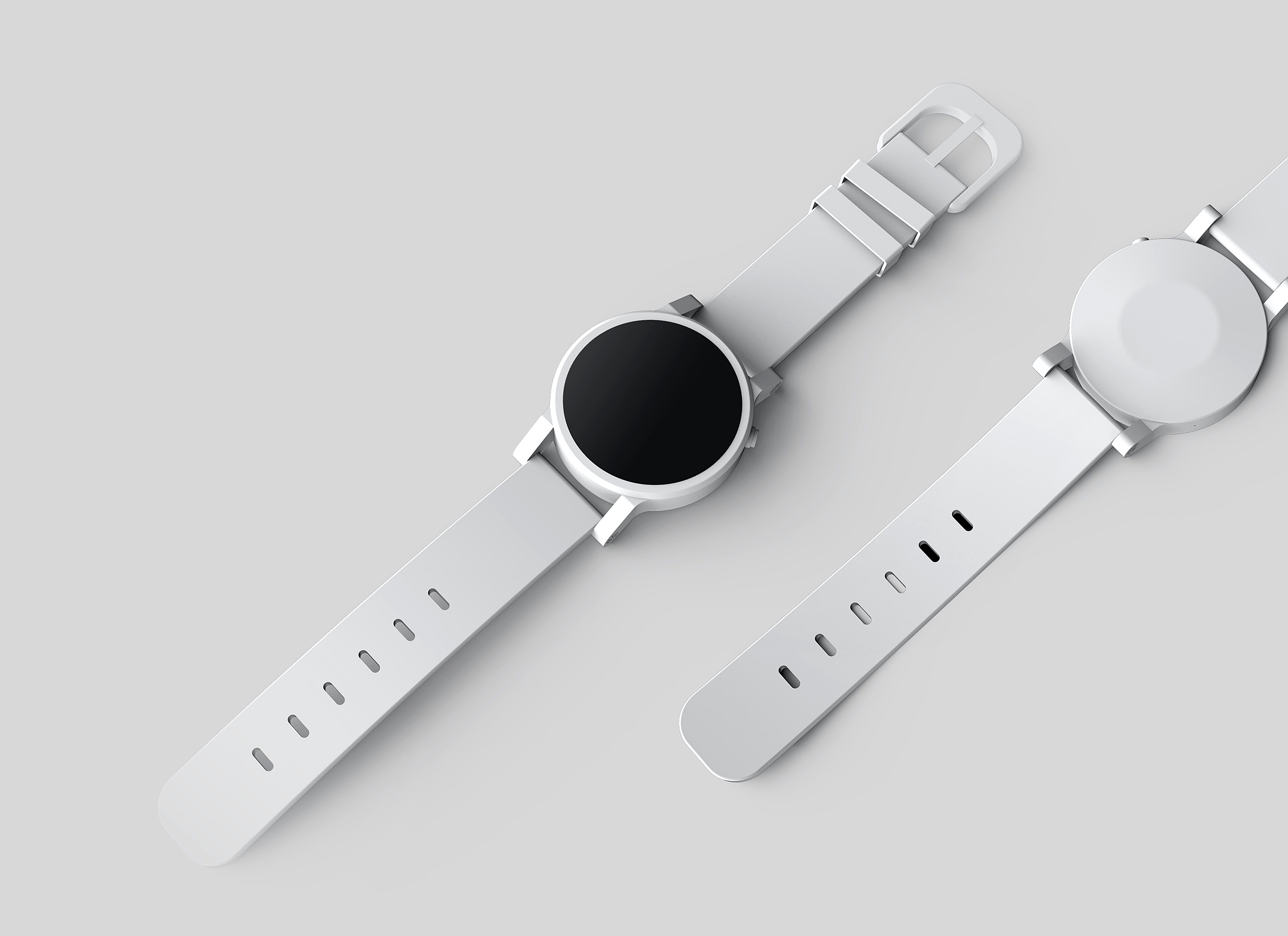
Wearable technology, such as smartwatches and fitness trackers, has become increasingly popular in recent years. According to World Health Organization (WHO), wearable devices can collect data on users' physical activity, sleep patterns, and other health metrics, which can be used to monitor and improve their mental health. For example, Fitbit and Garmin are two popular wearable device companies that offer mental health tracking features, such as stress tracking and mood monitoring.
💻 How Wearable Devices Collect Mental Health Data
Wearable devices use various sensors, such as accelerometers and heart rate monitors, to collect data on users' physical and mental health. This data can be used to provide insights into users' mental wellbeing, such as their stress levels and mood. Apple Watch, for instance, offers a built-in electrocardiogram (ECG) feature that can detect irregular heart rhythms, which can be a sign of mental health conditions such as anxiety and depression.
📊 The Impact of Wearable Technology on Mental Health
The impact of wearable technology on mental health is a complex issue, with both positive and negative effects. On the one hand, wearable devices can provide users with valuable insights into their mental health, allowing them to make informed decisions about their wellbeing. On the other hand, the constant stream of data from wearable devices can be overwhelming, leading to increased stress and anxiety. MindTools, a mental health app, offers guidance on how to use wearable devices in a way that promotes mental wellbeing.
👥 Key Players in Wearable Technology and Mental Health
Several key players are involved in the development and research of wearable technology and mental health. Stanford University, for example, has conducted studies on the use of wearable devices to monitor mental health in patients with depression. National Institute of Mental Health (NIMH) has also funded research on the use of wearable devices to track mental health outcomes.
Key Facts
- Year
- 2020
- Origin
- United States
- Category
- mental-health
- Type
- website
Frequently Asked Questions
What is wearable technology?
Wearable technology refers to small electronic and mobile devices with wireless communications capability designed to be worn on the human body. Examples include smartwatches, fitness trackers, and smartglasses. According to Centers for Disease Control and Prevention (CDC), wearable devices can be used to track physical activity, sleep patterns, and other health metrics.
How can wearable devices collect mental health data?
Wearable devices use various sensors, such as accelerometers and heart rate monitors, to collect data on users' physical and mental health. This data can be used to provide insights into users' mental wellbeing, such as their stress levels and mood. For example, Cleveland Clinic has developed a wearable device that can detect early warning signs of mental health conditions such as depression and anxiety.
What are the potential benefits and drawbacks of using wearable technology for mental health?
The potential benefits of using wearable technology for mental health include increased awareness of mental health, improved treatment outcomes, and enhanced patient engagement. However, there are also potential drawbacks, such as the risk of over-reliance on technology, decreased face-to-face interaction, and concerns about data privacy and security. American Psychological Association (APA) has guidelines for the use of wearable devices in mental health treatment.
Who are some key players in the development and research of wearable technology and mental health?
Several key players are involved in the development and research of wearable technology and mental health, including Google, Amazon, and Facebook. Additionally, research institutions such as Harvard University and University of California are conducting studies on the use of wearable devices to monitor mental health.
What are some potential future developments in wearable technology and mental health?
Potential future developments in wearable technology and mental health include the integration of artificial intelligence (AI) and machine learning (ML) algorithms to analyze mental health data, the development of more sophisticated sensors and tracking features, and the expansion of wearable technology to new areas, such as virtual reality (VR) and augmented reality (AR) therapy. Massachusetts Institute of Technology (MIT) is currently researching the use of wearable devices in VR and AR therapy.