
Contents
- 🔥 Introduction to Tanks: The Evolution of Armored Warfare
- 🚀 Early Tank Development: World War I and the Interwar Period
- 💣 World War II: The Golden Age of Tank Warfare
- 🤖 The Cold War and the Rise of Main Battle Tanks
- 🔴 Modern Tank Designs: Advances in Technology and Doctrine
- 🌎 International Tank Development: Global Perspectives
- 📊 Tank Production and Manufacturing: Industrial Might
- 👊 Tank Battles and Warfare: Historical Case Studies
- 🔍 Tank Technology: Advances in Armor, Firepower, and Mobility
- 💻 The Future of Tank Warfare: Emerging Trends and Challenges
- 📚 Conclusion: The Enduring Legacy of Tanks in Modern Warfare
- Frequently Asked Questions
- Related Topics
Overview
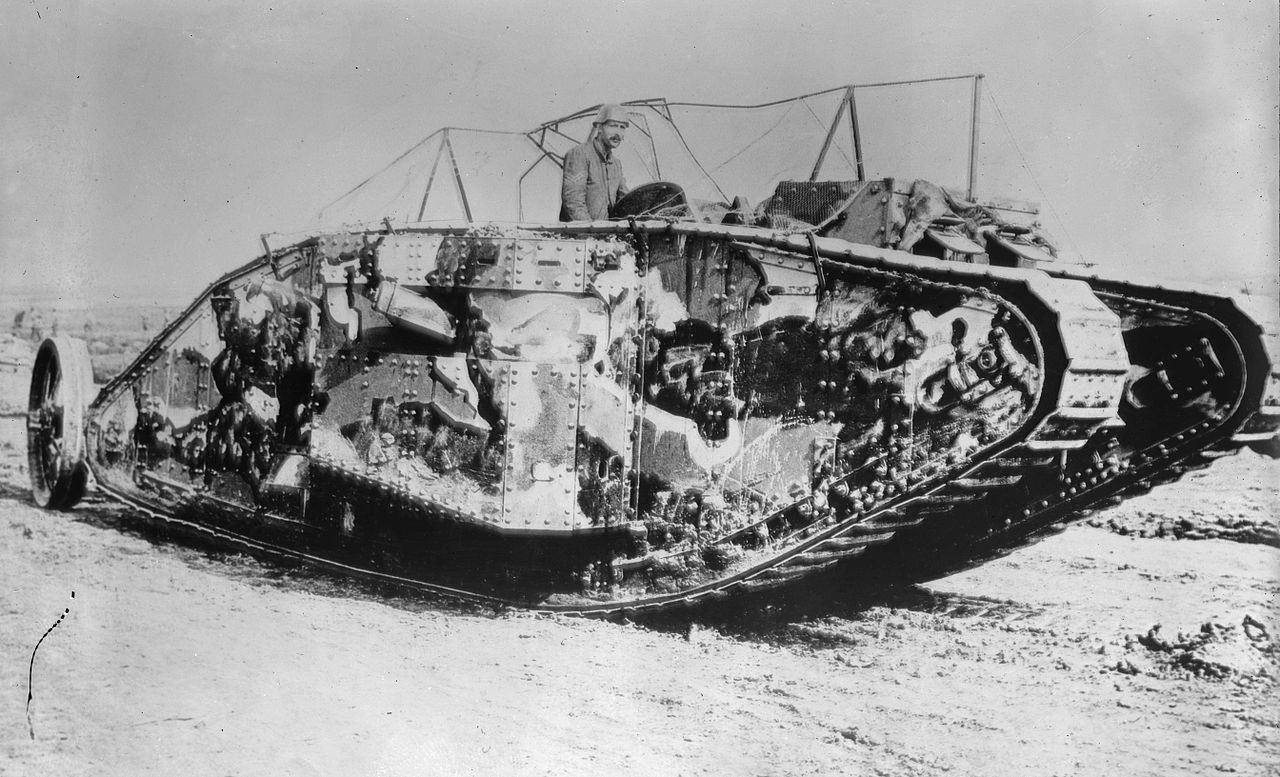
The development of tanks has been a pivotal aspect of modern warfare, with the first tanks emerging during World War I. The British Mark I, introduced in 1916, was the first operational tank, with a top speed of 3 mph and a crew of eight. Since then, tanks have undergone significant transformations, with advancements in armor, firepower, and mobility. The German Panther tank, for example, was a highly influential design during World War II, with a top speed of 46 mph and a powerful 75mm gun. Today, main battle tanks like the US M1 Abrams and the Russian T-14 Armata continue to play a crucial role in modern combat, with advanced features like composite armor and precision-guided munitions. As technology continues to advance, the future of tank design is likely to involve increased emphasis on stealth, autonomous systems, and network-centric warfare, with countries like China and the US investing heavily in next-generation tank development, such as the Chinese Type 99A and the US Next Generation Combat Vehicle program.
🔥 Introduction to Tanks: The Evolution of Armored Warfare
The concept of armored warfare has been around for centuries, but the modern tank as we know it today is a relatively recent innovation. The first tanks were developed during World War I by the British and French armies, with the goal of breaking through enemy trenches and fortifications. These early tanks were little more than armored boxes on tracks, but they paved the way for the development of more sophisticated designs. As the interwar period saw the rise of Germany and the Soviet Union, tank design and production became a key aspect of military strategy. The T-34 tank, developed by the Soviets, is still widely regarded as one of the most influential tank designs in history.
🚀 Early Tank Development: World War I and the Interwar Period
During World War II, tanks played a crucial role in the outcome of the conflict. The German Panzer divisions, equipped with Panzer III and Panzer IV tanks, were a key factor in the early German victories. However, the Soviet T-34 and M4 Sherman tanks, developed by the United States, eventually turned the tide of the war. The Battle of Kursk, fought in 1943, is often cited as one of the largest tank battles in history, with over 3,000 tanks involved. The Tiger I tank, developed by the Germans, was a formidable opponent on the battlefield, but its production was limited due to resource constraints.
💣 World War II: The Golden Age of Tank Warfare
The Cold War saw the rise of main battle tanks, designed to provide a balance of firepower, armor, and mobility. The M60 Patton tank, developed by the United States, was a prime example of this design philosophy. The Soviet Union developed the T-55 and T-62 tanks, which were widely exported to Warsaw Pact countries. The Yom Kippur War saw the first large-scale use of anti-tank missiles, which posed a significant threat to tank crews. The Israeli military developed the Merkava tank, which featured a unique design with the engine at the front and a focus on crew survivability.
🤖 The Cold War and the Rise of Main Battle Tanks
Modern tank designs have focused on advances in technology and doctrine. The M1 Abrams tank, developed by the United States, features a powerful gas turbine engine and advanced composite armor. The Leopard 2 tank, developed by Germany, has seen widespread adoption among NATO countries. The Arjun tank, developed by India, features a unique design with a focus on mobility and firepower. The Type 99 tank, developed by China, has been widely exported to Asian countries. As the nature of warfare continues to evolve, tank designers must adapt to new challenges and threats, such as asymmetric warfare and cyberwarfare.
🔴 Modern Tank Designs: Advances in Technology and Doctrine
International tank development has been shaped by a range of factors, including geopolitics, economics, and technology. The Soviet Union played a significant role in the development of tank design, with the T-34 and T-55 tanks being widely exported. The United States has also been a major player in tank development, with the M4 Sherman and M1 Abrams tanks being widely adopted. The European Union has seen the development of a range of tank designs, including the Leopard 2 and Challenger 2. As the global balance of power continues to shift, international tank development will likely play a key role in shaping the future of armored warfare.
🌎 International Tank Development: Global Perspectives
Tank production and manufacturing have been shaped by a range of factors, including industrial might, economics, and technology. The Soviet Union was a major producer of tanks during the Cold War, with the T-55 and T-62 tanks being widely produced. The United States has also been a significant producer of tanks, with the M4 Sherman and M1 Abrams tanks being widely produced. The European Union has seen the development of a range of tank production facilities, including those in Germany and the United Kingdom. As the global demand for tanks continues to evolve, tank production and manufacturing will likely play a key role in shaping the future of armored warfare.
📊 Tank Production and Manufacturing: Industrial Might
Tank battles and warfare have been a key aspect of modern warfare, with the Battle of Kursk and the Yom Kippur War being notable examples. The Gulf War saw the first large-scale use of precision-guided munitions in tank warfare, with the M1 Abrams tank playing a key role. The Iraq War saw the use of improvised explosive devices (IEDs) against tank crews, which posed a significant threat to tank survivability. The War in Afghanistan has seen the use of mine-resistant ambush protected (MRAP) vehicles, which have been designed to provide protection against IEDs. As the nature of warfare continues to evolve, tank battles and warfare will likely play a key role in shaping the future of armored warfare.
👊 Tank Battles and Warfare: Historical Case Studies
Tank technology has advanced significantly in recent years, with a focus on armor, firepower, and mobility. The M1 Abrams tank features a powerful gas turbine engine and advanced composite armor, while the Leopard 2 tank features a high-velocity smoothbore cannon and advanced fire control systems. The Arjun tank features a unique design with a focus on mobility and firepower, while the Type 99 tank features a advanced fire control system and composite armor. As the nature of warfare continues to evolve, tank technology will likely play a key role in shaping the future of armored warfare.
🔍 Tank Technology: Advances in Armor, Firepower, and Mobility
The future of tank warfare will be shaped by a range of factors, including emerging technology, geopolitics, and economics. The development of autonomous vehicles and unmanned aerial vehicles (UAVs) will likely play a key role in shaping the future of tank warfare, with the potential for autonomous tanks and UAVs to be used in a range of scenarios. The hypersonic missile is another emerging technology that will likely play a key role in shaping the future of tank warfare, with the potential for hypersonic missiles to be used against tank formations. As the global balance of power continues to shift, the future of tank warfare will likely be shaped by a range of factors, including geopolitics, economics, and technology.
💻 The Future of Tank Warfare: Emerging Trends and Challenges
In conclusion, the evolution of armored warfare has been shaped by a range of factors, including technology, geopolitics, and economics. From the early days of tank development to the modern main battle tanks of today, the tank has played a key role in shaping the nature of warfare. As the nature of warfare continues to evolve, the tank will likely continue to play a key role in shaping the future of armored warfare. The development of emerging technology, such as autonomous vehicles and unmanned aerial vehicles (UAVs), will likely play a key role in shaping the future of tank warfare, with the potential for autonomous tanks and UAVs to be used in a range of scenarios.
📚 Conclusion: The Enduring Legacy of Tanks in Modern Warfare
The legacy of tanks in modern warfare is a complex and multifaceted one, with the tank playing a key role in shaping the nature of warfare. From the Battle of Kursk to the Gulf War, the tank has been a key factor in determining the outcome of conflicts. As the global balance of power continues to shift, the legacy of tanks in modern warfare will likely continue to be felt, with the tank remaining a key component of modern ground forces. The M1 Abrams tank, developed by the United States, is a prime example of the enduring legacy of tanks in modern warfare, with its advanced composite armor and powerful gas turbine engine making it one of the most formidable tanks on the battlefield.
Key Facts
- Year
- 1916
- Origin
- United Kingdom
- Category
- Military Technology
- Type
- Military Vehicle
Frequently Asked Questions
What is the primary purpose of a tank?
The primary purpose of a tank is to provide a mobile, armored platform for delivering firepower on the battlefield. Tanks are designed to be able to withstand enemy fire and deliver a significant amount of firepower in return, making them a key component of modern ground forces. The M1 Abrams tank, developed by the United States, is a prime example of a modern main battle tank, with its advanced composite armor and powerful gas turbine engine making it one of the most formidable tanks on the battlefield. The T-34 tank, developed by the Soviet Union, is another example of a highly influential tank design, with its combination of mobility, firepower, and armor making it a key factor in the outcome of World War II.
What are the key components of a tank?
The key components of a tank include the hull, turret, tracks, engine, and armament. The hull provides the basic structure of the tank, while the turret houses the main armament and provides a rotating platform for the gun. The tracks provide mobility, while the engine powers the tank. The armament can include a range of weapons, from machine guns to cannons. The Leopard 2 tank, developed by Germany, is a prime example of a modern main battle tank, with its advanced fire control systems and high-velocity smoothbore cannon making it one of the most formidable tanks on the battlefield. The Arjun tank, developed by India, is another example of a modern main battle tank, with its unique design and advanced fire control systems making it a key component of the Indian military.
What is the difference between a light tank and a main battle tank?
The main difference between a light tank and a main battle tank is the level of armor and firepower. Light tanks are designed to be highly mobile and lightly armored, making them suitable for reconnaissance and infantry support roles. Main battle tanks, on the other hand, are designed to be heavily armored and equipped with powerful firepower, making them suitable for frontline combat roles. The M4 Sherman tank, developed by the United States, is an example of a medium tank, with its combination of mobility and firepower making it a key factor in the outcome of World War II. The T-55 tank, developed by the Soviet Union, is an example of a main battle tank, with its advanced armor and firepower making it a key component of the Soviet military during the Cold War.
What is the role of tanks in modern warfare?
The role of tanks in modern warfare is to provide a mobile, armored platform for delivering firepower on the battlefield. Tanks are designed to be able to withstand enemy fire and deliver a significant amount of firepower in return, making them a key component of modern ground forces. The M1 Abrams tank, developed by the United States, is a prime example of a modern main battle tank, with its advanced composite armor and powerful gas turbine engine making it one of the most formidable tanks on the battlefield. The Leopard 2 tank, developed by Germany, is another example of a modern main battle tank, with its advanced fire control systems and high-velocity smoothbore cannon making it one of the most formidable tanks on the battlefield.
What are the advantages and disadvantages of tanks?
The advantages of tanks include their ability to provide a mobile, armored platform for delivering firepower on the battlefield. Tanks are also highly versatile, and can be used in a range of roles, from frontline combat to reconnaissance and infantry support. However, tanks also have a number of disadvantages, including their high cost, limited mobility in certain terrain, and vulnerability to anti-tank missiles and other anti-armor weapons. The T-34 tank, developed by the Soviet Union, is an example of a highly influential tank design, with its combination of mobility, firepower, and armor making it a key factor in the outcome of World War II. The M4 Sherman tank, developed by the United States, is another example of a highly influential tank design, with its combination of mobility and firepower making it a key factor in the outcome of World War II.