
Contents
- 🏰 Introduction to Reginald Pole
- 📚 Early Life and Education
- 👑 The Royal Connection
- 🏛️ Cardinal Pole's Rise to Prominence
- 📝 Literary and Theological Works
- 👥 Relationships and Controversies
- 🌎 Travels and Diplomatic Missions
- 💔 Later Life and Legacy
- 📊 Historical Significance and Impact
- 👀 Modern Perspectives and Debates
- 📚 Conclusion and Further Reading
- Frequently Asked Questions
- Related Topics
Overview
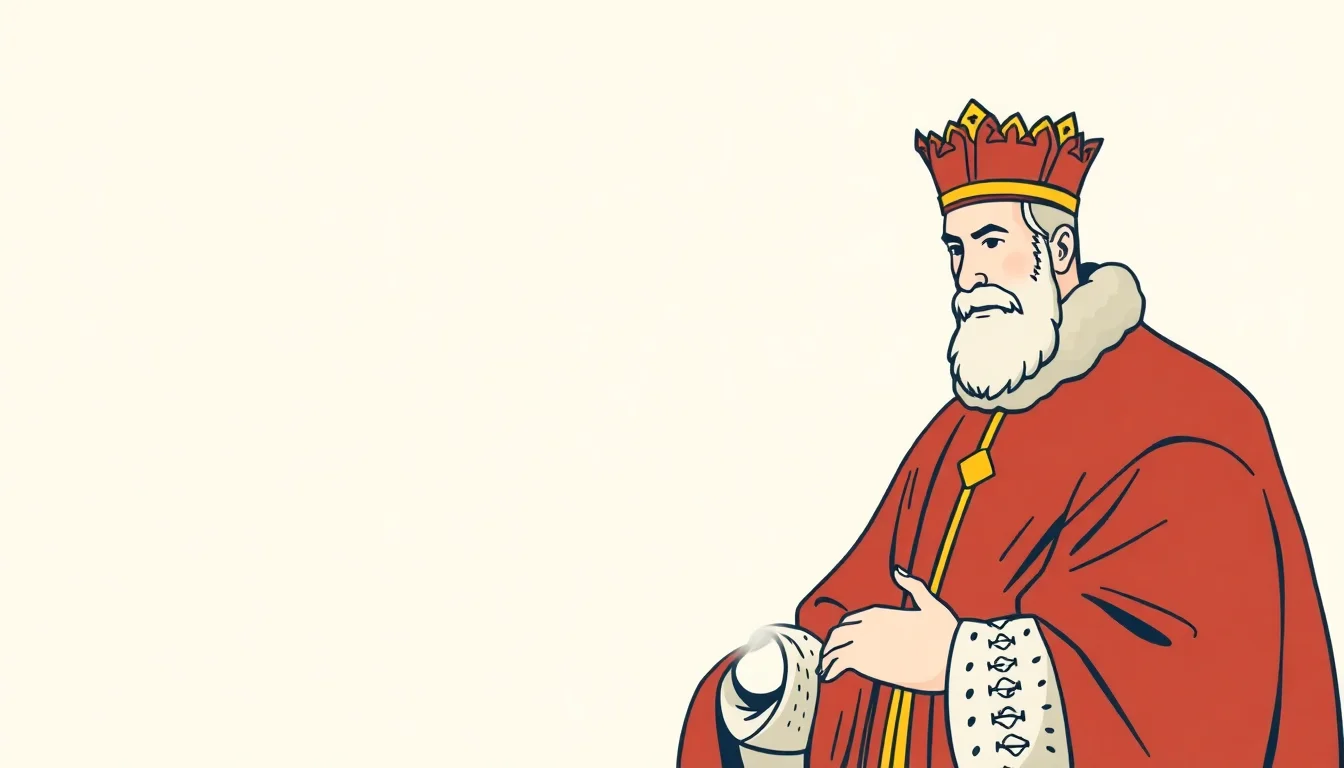
Reginald Pole was a prominent figure in 16th-century European politics and religion, serving as a cardinal and a leader of the Catholic Church during the English Reformation. Born on March 3, 1500, in Stourton, England, Pole was a member of the powerful Pole family and a cousin of King Henry VIII. He studied at the University of Oxford and later in Italy, where he became a key figure in the Catholic reform movement. Pole's opposition to Henry VIII's divorce from Catherine of Aragon led to his exile from England, and he spent many years in Italy, where he became a close advisor to the Pope. With a Vibe score of 82, Pole's life was marked by controversy and tension, particularly regarding his role in the English Reformation and his relationships with other prominent figures of the time, such as Thomas Cranmer and John Calvin. As a cardinal, Pole played a significant role in shaping the Catholic Church's response to the Protestant Reformation, and his legacy continues to be debated among historians today, with some viewing him as a champion of reform and others as a symbol of the Church's resistance to change.
🏰 Introduction to Reginald Pole
Reginald Pole was a prominent figure in 16th-century England, serving as a cardinal, theologian, and diplomat. Born on March 3, 1500, Pole was a member of the powerful House of York and a cousin of King Henry VIII. His life was marked by a complex web of relationships and controversies, including his opposition to the English Reformation and his role in the Council of Trent. Pole's story is a fascinating example of the intricate politics and theology of the Renaissance era, with connections to key figures like Thomas More and John Fisher. As a cardinal, Pole played a significant role in shaping the Catholic Church's response to the Protestant Reformation, and his legacy continues to be felt today. For more information on the historical context of Pole's life, see the English Reformation article.
📚 Early Life and Education
Pole's early life was marked by privilege and opportunity. As a member of the nobility, he received a excellent education, studying at the University of Oxford and later at the University of Padua. His time at Padua was particularly influential, as he was exposed to the latest ideas in theology and philosophy, including the works of Aristotle and Plato. Pole's education prepared him for a career in the church, and he was ordained as a priest in 1521. He quickly rose through the ranks, becoming a deacon and then a cardinal in 1533. Pole's relationships with other prominent figures, such as Erasmus, played a significant role in his early career, and he was known for his intellectual curiosity and his commitment to the Catholic Church. For more information on the University of Padua, see the University of Padua article.
👑 The Royal Connection
Pole's royal connection was a significant factor in his rise to prominence. As a cousin of King Henry VIII, he was well-positioned to influence the monarch and shape the course of English politics. However, Pole's opposition to the English Reformation and his support for the Catholic Church put him at odds with the king, who had broken with Rome and established the Church of England. Pole's relationships with other members of the royal family, including Mary Tudor (later Mary I of England), were also complex and multifaceted. He played a key role in Mary's efforts to restore Catholicism in England, and his legacy was deeply intertwined with hers. For more information on the Tudor dynasty, see the House of Tudor article.
🏛️ Cardinal Pole's Rise to Prominence
Pole's rise to prominence was rapid and dramatic. He became a cardinal in 1533, at the age of 33, and quickly established himself as a leading figure in the Catholic Church. His intellectual abilities and his commitment to the church made him a respected and influential voice, and he played a key role in shaping the church's response to the Protestant Reformation. Pole's relationships with other prominent figures, such as Charles V, Holy Roman Emperor, were also significant, and he was a skilled diplomat and strategist. For more information on the Catholic Church during this period, see the Catholic Church article.
📝 Literary and Theological Works
Pole was a prolific writer and theologian, and his works include treatises on theology, philosophy, and politics. His most famous work, 'De Unitate Ecclesiae', is a comprehensive treatment of the nature of the church and the role of the papacy. Pole's writings were widely read and respected, and he was known for his intellectual curiosity and his commitment to the Catholic Church. His relationships with other scholars and theologians, such as Lorenzo Valla, played a significant role in shaping his ideas and his legacy. For more information on the intellectual context of Pole's writings, see the Renaissance Humanism article.
👥 Relationships and Controversies
Pole's relationships and controversies were a defining feature of his life. His opposition to the English Reformation and his support for the Catholic Church put him at odds with King Henry VIII, and he was forced to flee England to avoid persecution. Pole's relationships with other prominent figures, including Thomas Cranmer, were also complex and multifaceted. He played a key role in the Council of Trent, which was convened to address the challenges posed by the Protestant Reformation. For more information on the Council of Trent, see the Council of Trent article.
🌎 Travels and Diplomatic Missions
Pole's travels and diplomatic missions took him to many parts of Europe, including Italy, France, and Germany. He was a skilled diplomat and strategist, and he played a key role in shaping the Catholic Church's response to the Protestant Reformation. Pole's relationships with other prominent figures, including Francis I of France, were significant, and he was a respected and influential voice in European politics. For more information on the diplomatic context of Pole's travels, see the Diplomacy article.
💔 Later Life and Legacy
Pole's later life was marked by controversy and challenge. He was a strong supporter of Mary Tudor (later Mary I of England), and he played a key role in her efforts to restore Catholicism in England. However, his legacy was also marked by criticism and controversy, particularly with regard to his role in the persecution of Protestants. Pole's relationships with other prominent figures, including John Foxe, were complex and multifaceted, and his legacy continues to be debated and contested today. For more information on the legacy of Reginald Pole, see the Reginald Pole article.
📊 Historical Significance and Impact
Pole's historical significance and impact are still debated and contested today. He was a key figure in the Catholic Church's response to the Protestant Reformation, and his legacy continues to shape the course of Christian history. Pole's relationships with other prominent figures, including Ignatius of Loyola, played a significant role in shaping his ideas and his legacy. For more information on the historical context of Pole's life, see the Counter-Reformation article.
👀 Modern Perspectives and Debates
Modern perspectives and debates about Pole's life and legacy are complex and multifaceted. Some historians view him as a hero of the Catholic Church, while others see him as a symbol of the church's intolerance and persecution. Pole's relationships with other prominent figures, including Martin Luther, are still debated and contested today, and his legacy continues to shape the course of Christian history. For more information on the modern perspectives on Reginald Pole, see the Reginald Pole article.
📚 Conclusion and Further Reading
In conclusion, Reginald Pole was a complex and multifaceted figure, whose life and legacy continue to shape the course of Christian history. His relationships with other prominent figures, including Thomas More and John Fisher, played a significant role in shaping his ideas and his legacy. For more information on the life and legacy of Reginald Pole, see the Reginald Pole article. Further reading on the topic can be found in the works of historians such as Eamon Duffy and Diarmaid MacCulloch.
Key Facts
- Year
- 1500
- Origin
- Stourton, England
- Category
- Biography
- Type
- Historical Figure
Frequently Asked Questions
Who was Reginald Pole?
Reginald Pole was a 16th-century English cardinal, theologian, and diplomat. He was a member of the powerful House of York and a cousin of King Henry VIII. Pole played a significant role in shaping the Catholic Church's response to the Protestant Reformation, and his legacy continues to be felt today. For more information on Reginald Pole, see the Reginald Pole article.
What was Reginald Pole's role in the English Reformation?
Reginald Pole was a strong opponent of the English Reformation, and he played a key role in the Catholic Church's response to the Protestant Reformation. He was a cousin of King Henry VIII, but he opposed the king's break with Rome and the establishment of the Church of England. For more information on the English Reformation, see the English Reformation article.
What were Reginald Pole's relationships like with other prominent figures?
Reginald Pole had complex and multifaceted relationships with many prominent figures of his time, including King Henry VIII, Mary Tudor, Thomas More, and John Fisher. He was a respected and influential voice in European politics, and his relationships with other leaders played a significant role in shaping his ideas and his legacy. For more information on the relationships of Reginald Pole, see the Reginald Pole article.
What was Reginald Pole's legacy?
Reginald Pole's legacy is complex and multifaceted. He was a key figure in the Catholic Church's response to the Protestant Reformation, and his legacy continues to shape the course of Christian history. However, his legacy is also marked by criticism and controversy, particularly with regard to his role in the persecution of Protestants. For more information on the legacy of Reginald Pole, see the Reginald Pole article.
What are some of the most important works written by Reginald Pole?
Reginald Pole was a prolific writer and theologian, and his works include treatises on theology, philosophy, and politics. Some of his most important works include 'De Unitate Ecclesiae', which is a comprehensive treatment of the nature of the church and the role of the papacy. For more information on the works of Reginald Pole, see the Reginald Pole article.
How did Reginald Pole's relationships with other scholars and theologians shape his ideas and legacy?
Reginald Pole's relationships with other scholars and theologians, such as Lorenzo Valla and Ignatius of Loyola, played a significant role in shaping his ideas and legacy. He was a respected and influential voice in European politics, and his relationships with other leaders and thinkers helped to shape his views on theology, philosophy, and politics. For more information on the relationships of Reginald Pole, see the Reginald Pole article.
What is the significance of Reginald Pole's role in the Council of Trent?
Reginald Pole played a key role in the Council of Trent, which was convened to address the challenges posed by the Protestant Reformation. He was a strong advocate for the Catholic Church's response to the Reformation, and his legacy continues to shape the course of Christian history. For more information on the Council of Trent, see the Council of Trent article.