
Contents
- 🏯 Introduction to the Council of Trent
- 🕊️ Background and Context
- 📜 The Council's Objectives and Outcomes
- 👥 Key Players and Attendees
- 📝 Theological Debates and Resolutions
- 🔥 The Impact of the Council on the Protestant Reformation
- 🕊️ The Legacy of the Council of Trent
- 📚 Historical Significance and Lasting Effects
- 👑 The Role of the Holy Roman Empire
- 🏛️ The Council's Organization and Proceedings
- 📊 The Council's Decrees and Reforms
- 🔜 The Aftermath and Future of the Catholic Church
- Frequently Asked Questions
- Related Topics
Overview
The Council of Trent, which took place from 1545 to 1563, was a pivotal gathering of Catholic bishops and theologians in response to the Protestant Reformation. Led by Popes Paul III, Julius III, and Pius IV, the council aimed to reform the Catholic Church from within and counter the spread of Protestantism. The council's decrees, which included the affirmation of traditional Catholic doctrine and the establishment of the Index Librorum Prohibitorum, had a profound impact on the development of Catholicism and the course of Western Christianity. With a vibe score of 8, the Council of Trent remains a highly influential and contested topic, with some viewing it as a necessary response to the challenges of the Reformation and others seeing it as a missed opportunity for more radical reform. The council's legacy can be seen in the work of key figures such as Ignatius of Loyola and Charles Borromeo, who played important roles in shaping the post-Trent Catholic Church. As the Catholic Church continues to evolve in the modern era, the Council of Trent remains a crucial reference point for understanding the complexities of Catholic identity and the ongoing struggle for reform and renewal.
🏯 Introduction to the Council of Trent
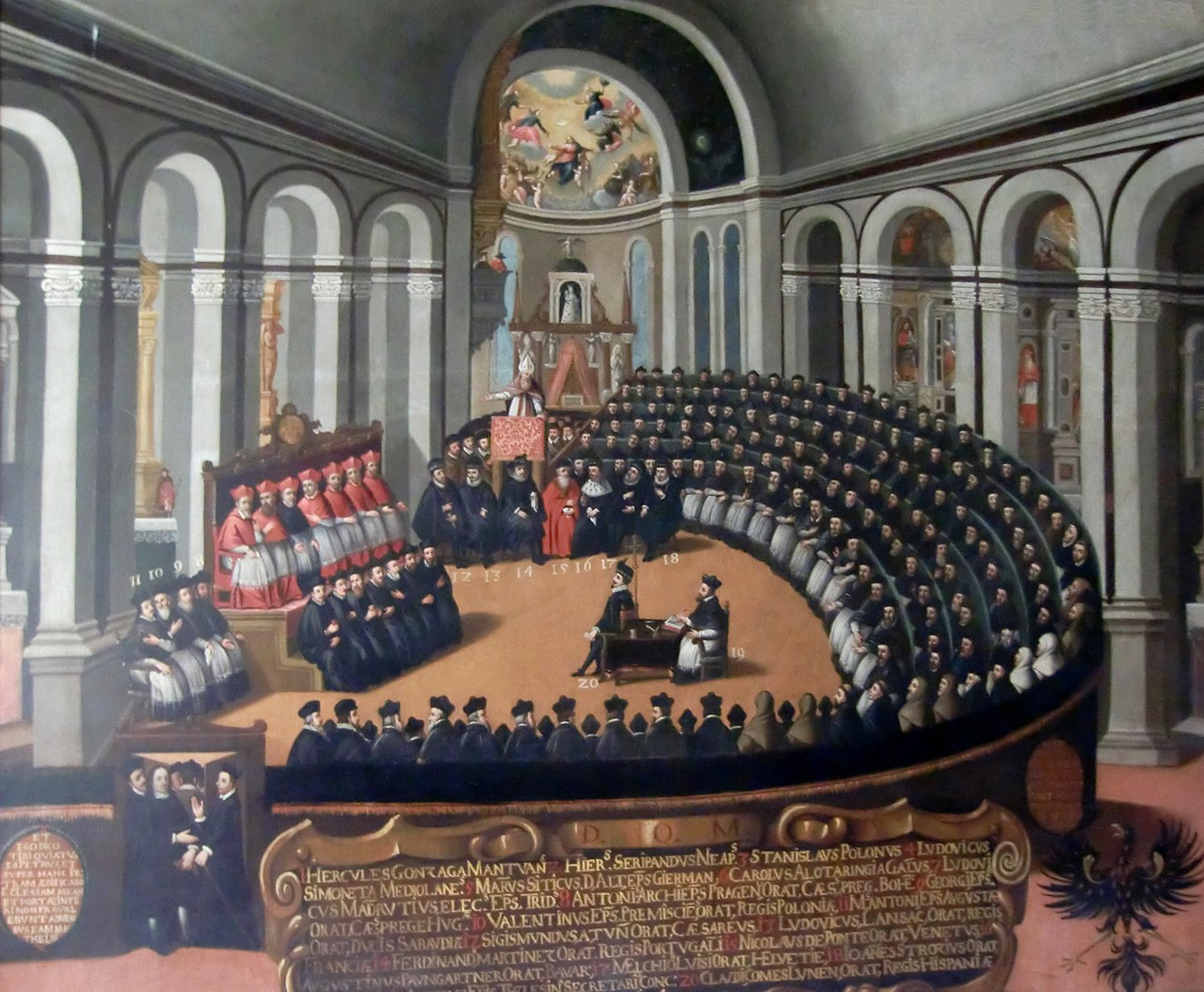
The Council of Trent, held between 1545 and 1563 in Trent, in northern Italy, was the 19th ecumenical council of the Roman Catholic Church. Prompted by the Protestant Reformation at the time, it has been described as the 'most impressive embodiment of the ideals of the Counter-Reformation'. It was the last time a Catholic ecumenical council was organized outside the city of Rome, and the second time a council was convened in the territory of the Holy Roman Empire. The Council of Trent was a response to the growing influence of Protestantism in Europe, and it played a significant role in shaping the Catholic Church's response to the Reformation. The council's decrees and reforms had a lasting impact on the Church and its relationship with the Protestant Reformation.
🕊️ Background and Context
The Council of Trent was convened in response to the growing threat of Protestantism in Europe. The Protestant Reformation, led by figures such as Martin Luther and John Calvin, had challenged the authority of the Catholic Church and led to a significant decline in its influence. The Council of Trent was an attempt to reform the Church from within and to counter the spread of Protestantism. The council's attendees included high-ranking clergy and theologians from across Europe, who came together to discuss and debate the key issues facing the Church. The council's proceedings were influenced by the Counter-Reformation, a movement within the Church that sought to reform and revitalize Catholicism in response to the Protestant Reformation.
📜 The Council's Objectives and Outcomes
The Council of Trent had several key objectives, including the clarification of Catholic doctrine, the reform of Church practices, and the promotion of Catholic unity. The council's attendees engaged in intense debates and discussions, and they ultimately produced a number of significant decrees and reforms. These included the affirmation of the importance of Sacred Tradition and the authority of the Magisterium, as well as the establishment of the Index Librorum Prohibitorum, a list of prohibited books. The council also led to the establishment of the Seminaries, institutions dedicated to the training of Catholic priests. The Council of Trent's outcomes had a significant impact on the Catholic Church and its relationship with the Protestant Reformation.
👥 Key Players and Attendees
The Council of Trent was attended by a number of key players, including high-ranking clergy and theologians from across Europe. The council's attendees included Pope Paul III, who convened the council, as well as other prominent figures such as Gian Pietro Carafa and Reginald Pole. The council's proceedings were also influenced by the Jesuits, a Catholic order that played a significant role in the Counter-Reformation. The Jesuits were founded by Ignatius of Loyola, who was a key figure in the Counter-Reformation. The council's attendees engaged in intense debates and discussions, and they ultimately produced a number of significant decrees and reforms. The council's outcomes had a lasting impact on the Catholic Church and its relationship with the Protestant Reformation.
📝 Theological Debates and Resolutions
The Council of Trent was marked by intense theological debates and discussions. The council's attendees engaged in disputes over issues such as the nature of Justification, the role of Sacraments in salvation, and the authority of the Magisterium. The council ultimately produced a number of significant decrees and reforms, including the affirmation of the importance of Sacred Tradition and the authority of the Magisterium. The council also led to the establishment of the Index Librorum Prohibitorum, a list of prohibited books. The council's outcomes had a significant impact on the Catholic Church and its relationship with the Protestant Reformation. The council's decrees and reforms were influenced by the Counter-Reformation, a movement within the Church that sought to reform and revitalize Catholicism in response to the Protestant Reformation.
🔥 The Impact of the Council on the Protestant Reformation
The Council of Trent had a significant impact on the Protestant Reformation. The council's decrees and reforms were seen as a challenge to the authority of Protestant leaders such as Martin Luther and John Calvin. The council's affirmation of the importance of Sacred Tradition and the authority of the Magisterium was seen as a rejection of Protestant claims that the Bible was the sole source of authority. The council's establishment of the Index Librorum Prohibitorum was also seen as an attempt to suppress Protestant writings and ideas. The Council of Trent's outcomes had a lasting impact on the relationship between the Catholic Church and the Protestant Reformation.
🕊️ The Legacy of the Council of Trent
The Council of Trent has had a lasting legacy in the Catholic Church and beyond. The council's decrees and reforms have shaped Catholic doctrine and practice, and they continue to influence Catholicism today. The council's emphasis on the importance of Sacred Tradition and the authority of the Magisterium has had a lasting impact on Catholic theology. The council's establishment of the Seminaries has also had a lasting impact on the training of Catholic priests. The Council of Trent's legacy can be seen in the Counter-Reformation, a movement within the Church that sought to reform and revitalize Catholicism in response to the Protestant Reformation. The council's outcomes have also had a significant impact on the relationship between the Catholic Church and the Protestant Reformation.
📚 Historical Significance and Lasting Effects
The Council of Trent has significant historical significance and lasting effects. The council's decrees and reforms have shaped Catholic doctrine and practice, and they continue to influence Catholicism today. The council's emphasis on the importance of Sacred Tradition and the authority of the Magisterium has had a lasting impact on Catholic theology. The council's establishment of the Seminaries has also had a lasting impact on the training of Catholic priests. The Council of Trent's outcomes have also had a significant impact on the relationship between the Catholic Church and the Protestant Reformation. The council's legacy can be seen in the Counter-Reformation, a movement within the Church that sought to reform and revitalize Catholicism in response to the Protestant Reformation. The council's historical significance is also reflected in its influence on the development of Western Christianity.
👑 The Role of the Holy Roman Empire
The Council of Trent was convened in the territory of the Holy Roman Empire, which played a significant role in the council's proceedings. The Empire's ruler, Charles V, was a key figure in the council's organization and proceedings. The council's attendees included high-ranking clergy and theologians from across Europe, who came together to discuss and debate the key issues facing the Church. The council's outcomes had a significant impact on the Catholic Church and its relationship with the Protestant Reformation. The council's legacy can be seen in the Counter-Reformation, a movement within the Church that sought to reform and revitalize Catholicism in response to the Protestant Reformation. The council's historical significance is also reflected in its influence on the development of Western Christianity.
🏛️ The Council's Organization and Proceedings
The Council of Trent was organized and convened by Pope Paul III, who played a significant role in the council's proceedings. The council's attendees included high-ranking clergy and theologians from across Europe, who came together to discuss and debate the key issues facing the Church. The council's proceedings were influenced by the Counter-Reformation, a movement within the Church that sought to reform and revitalize Catholicism in response to the Protestant Reformation. The council's outcomes had a significant impact on the Catholic Church and its relationship with the Protestant Reformation. The council's legacy can be seen in the Counter-Reformation, a movement within the Church that sought to reform and revitalize Catholicism in response to the Protestant Reformation. The council's historical significance is also reflected in its influence on the development of Western Christianity.
📊 The Council's Decrees and Reforms
The Council of Trent produced a number of significant decrees and reforms, including the affirmation of the importance of Sacred Tradition and the authority of the Magisterium. The council also led to the establishment of the Index Librorum Prohibitorum, a list of prohibited books. The council's outcomes had a significant impact on the Catholic Church and its relationship with the Protestant Reformation. The council's legacy can be seen in the Counter-Reformation, a movement within the Church that sought to reform and revitalize Catholicism in response to the Protestant Reformation. The council's historical significance is also reflected in its influence on the development of Western Christianity. The council's decrees and reforms continue to influence Catholicism today, and they remain an important part of Catholic doctrine and practice.
🔜 The Aftermath and Future of the Catholic Church
The Council of Trent's aftermath and future of the Catholic Church are complex and multifaceted. The council's outcomes had a significant impact on the Catholic Church and its relationship with the Protestant Reformation. The council's legacy can be seen in the Counter-Reformation, a movement within the Church that sought to reform and revitalize Catholicism in response to the Protestant Reformation. The council's historical significance is also reflected in its influence on the development of Western Christianity. The council's decrees and reforms continue to influence Catholicism today, and they remain an important part of Catholic doctrine and practice. As the Catholic Church continues to evolve and respond to the challenges of the modern world, the legacy of the Council of Trent remains an important part of its history and identity.
Key Facts
- Year
- 1545
- Origin
- Trent, Italy
- Category
- History, Religion
- Type
- Historical Event
Frequently Asked Questions
What was the main purpose of the Council of Trent?
The main purpose of the Council of Trent was to reform the Catholic Church from within and to counter the spread of Protestantism. The council's attendees engaged in intense debates and discussions, and they ultimately produced a number of significant decrees and reforms. The council's outcomes had a significant impact on the Catholic Church and its relationship with the Protestant Reformation. The council's legacy can be seen in the Counter-Reformation, a movement within the Church that sought to reform and revitalize Catholicism in response to the Protestant Reformation.
Who attended the Council of Trent?
The Council of Trent was attended by a number of key players, including high-ranking clergy and theologians from across Europe. The council's attendees included Pope Paul III, who convened the council, as well as other prominent figures such as Gian Pietro Carafa and Reginald Pole. The council's proceedings were also influenced by the Jesuits, a Catholic order that played a significant role in the Counter-Reformation.
What were the main outcomes of the Council of Trent?
The Council of Trent produced a number of significant decrees and reforms, including the affirmation of the importance of Sacred Tradition and the authority of the Magisterium. The council also led to the establishment of the Index Librorum Prohibitorum, a list of prohibited books. The council's outcomes had a significant impact on the Catholic Church and its relationship with the Protestant Reformation.
How did the Council of Trent impact the Protestant Reformation?
The Council of Trent had a significant impact on the Protestant Reformation. The council's decrees and reforms were seen as a challenge to the authority of Protestant leaders such as Martin Luther and John Calvin. The council's affirmation of the importance of Sacred Tradition and the authority of the Magisterium was seen as a rejection of Protestant claims that the Bible was the sole source of authority.
What is the legacy of the Council of Trent?
The Council of Trent has had a lasting legacy in the Catholic Church and beyond. The council's decrees and reforms have shaped Catholic doctrine and practice, and they continue to influence Catholicism today. The council's emphasis on the importance of Sacred Tradition and the authority of the Magisterium has had a lasting impact on Catholic theology. The council's legacy can be seen in the Counter-Reformation, a movement within the Church that sought to reform and revitalize Catholicism in response to the Protestant Reformation.