
Contents
- 📡 Introduction to Radio Telemetry
- 🔍 History of Telemetry: From Greek Roots to Modern Applications
- 📊 How Radio Telemetry Works: A Technical Overview
- 📈 Applications of Radio Telemetry: From Healthcare to Aerospace
- 🔒 Security Concerns in Radio Telemetry: Encryption and Authentication
- 📊 Benefits of Radio Telemetry: Real-Time Monitoring and Data Analysis
- 🌐 Global Standards for Radio Telemetry: Regulatory Frameworks
- 📈 Future of Radio Telemetry: Emerging Trends and Technologies
- 🤝 Telecommand: The Counterpart of Telemetry
- 📊 Case Studies: Successful Implementations of Radio Telemetry
- 📝 Conclusion: The Pulse of Remote Monitoring
- Frequently Asked Questions
- Related Topics
Overview
Radio telemetry is a crucial aspect of remote monitoring, enabling the collection of data from distant locations and its transmission to receiving equipment for analysis. The term Telemetry is derived from the Greek roots tele, 'far off', and metron, 'measure', and has been used in various fields, including Healthcare, Aerospace, and Industrial Automation. The use of radio telemetry has revolutionized the way we monitor and control systems, allowing for real-time data collection and analysis. For instance, NASA uses radio telemetry to monitor the performance of its spacecraft and Satellites. Additionally, Medical Devices such as pacemakers and insulin pumps rely on radio telemetry to transmit vital signs and other health data to healthcare professionals.
🔍 History of Telemetry: From Greek Roots to Modern Applications
The history of telemetry dates back to the 19th century, when the first telegraph systems were developed. However, it wasn't until the mid-20th century that telemetry began to be used in various fields, including Space Exploration and Medicine. The development of radio telemetry was a significant milestone, enabling the transmission of data over long distances without the need for physical connections. Today, radio telemetry is used in a wide range of applications, from Weather Forecasting to Traffic Management. The use of Radio Frequency Identification (RFID) technology has also become increasingly popular in recent years, with companies such as Wal-Mart using it to track inventory and supply chain management.
📊 How Radio Telemetry Works: A Technical Overview
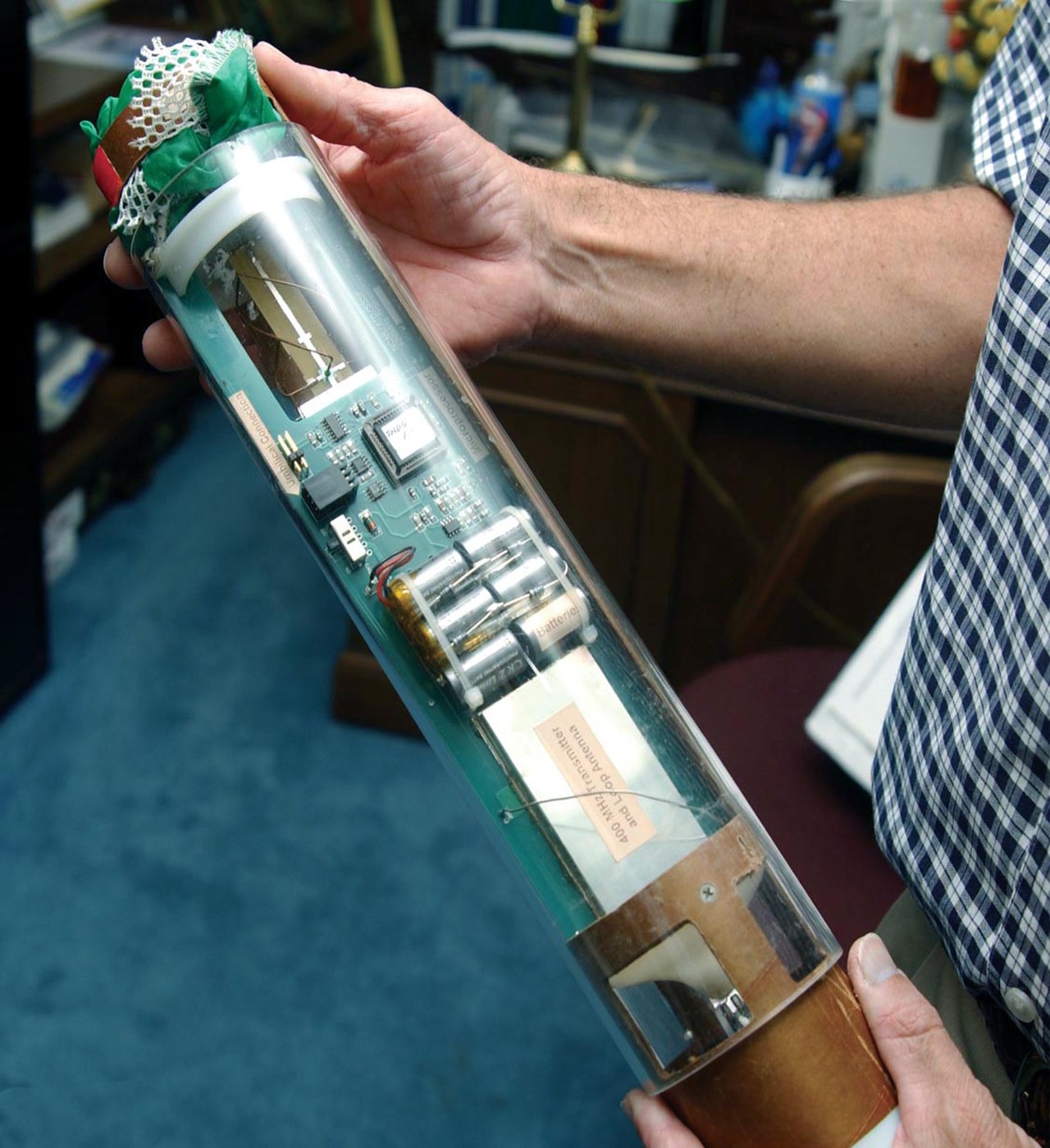
Radio telemetry works by using radio waves to transmit data from a remote location to a receiving station. The process involves the use of Transceivers, which are devices that can both transmit and receive data. The data is typically collected by Sensors and then transmitted to the receiving station, where it is analyzed and stored. The use of Spread Spectrum technology has improved the reliability and security of radio telemetry systems, allowing for more efficient use of bandwidth and reduced interference. Furthermore, Wireless Sensor Networks (WSNs) have become increasingly popular in recent years, with applications in fields such as Environmental Monitoring and Industrial Automation.
📈 Applications of Radio Telemetry: From Healthcare to Aerospace
Radio telemetry has a wide range of applications, from healthcare to aerospace. In healthcare, radio telemetry is used to monitor patients' vital signs and other health data, allowing for real-time analysis and intervention. In aerospace, radio telemetry is used to monitor the performance of spacecraft and satellites, as well as to transmit data back to Earth. Other applications of radio telemetry include Traffic Management, Weather Forecasting, and Industrial Automation. The use of Artificial Intelligence (AI) and Machine Learning (ML) has also become increasingly popular in recent years, with companies such as Google using it to analyze data from radio telemetry systems.
🔒 Security Concerns in Radio Telemetry: Encryption and Authentication
Security is a major concern in radio telemetry, as the transmission of data over radio waves can be vulnerable to interception and interference. To address these concerns, radio telemetry systems use Encryption and Authentication protocols to ensure the secure transmission of data. The use of Secure Communication Protocols such as SSL and TLS has become increasingly popular in recent years, with companies such as Amazon using it to secure data transmission. Additionally, Intrusion Detection Systems (IDS) and Intrusion Prevention Systems (IPS) are used to detect and prevent unauthorized access to radio telemetry systems.
📊 Benefits of Radio Telemetry: Real-Time Monitoring and Data Analysis
The benefits of radio telemetry are numerous, including real-time monitoring and data analysis. Radio telemetry allows for the collection of data from remote locations, enabling real-time analysis and intervention. This can be particularly useful in applications such as healthcare, where timely intervention can be critical. The use of Data Analytics has also become increasingly popular in recent years, with companies such as IBM using it to analyze data from radio telemetry systems. Additionally, Cloud Computing has become increasingly popular in recent years, with companies such as Microsoft using it to store and analyze data from radio telemetry systems.
🌐 Global Standards for Radio Telemetry: Regulatory Frameworks
Global standards for radio telemetry are established by regulatory bodies such as the Federal Communications Commission (FCC) and the European Telecommunications Standards Institute (ETSI). These standards ensure that radio telemetry systems operate within designated frequency bands and do not interfere with other wireless systems. The use of Radio Frequency (RF) technology has become increasingly popular in recent years, with companies such as Qualcomm using it to develop radio telemetry systems. Additionally, Wireless Communication Protocols such as Bluetooth and Wi-Fi have become increasingly popular in recent years, with companies such as Apple using it to develop radio telemetry systems.
📈 Future of Radio Telemetry: Emerging Trends and Technologies
The future of radio telemetry is exciting, with emerging trends and technologies such as Internet of Things (IoT) and 5G networks. These technologies will enable the development of more efficient and reliable radio telemetry systems, with greater capacity for data transmission and analysis. The use of Edge Computing has also become increasingly popular in recent years, with companies such as Cisco using it to develop radio telemetry systems. Additionally, Artificial Intelligence (AI) and Machine Learning (ML) will play a major role in the future of radio telemetry, with applications in fields such as Predictive Maintenance and Quality Control.
🤝 Telecommand: The Counterpart of Telemetry
Telecommand is the counterpart of telemetry, involving the transmission of instructions and data to a remote system. Telecommand is used in applications such as Space Exploration, where spacecraft are controlled remotely using telecommand systems. The use of Teleoperation has become increasingly popular in recent years, with companies such as NASA using it to control robots and other systems. Additionally, Human-Machine Interface (HMI) has become increasingly popular in recent years, with companies such as Siemens using it to develop telecommand systems.
📊 Case Studies: Successful Implementations of Radio Telemetry
Case studies of successful implementations of radio telemetry include the use of radio telemetry in Healthcare to monitor patients' vital signs and other health data. Another example is the use of radio telemetry in Aerospace to monitor the performance of spacecraft and satellites. The use of Radio Telemetry has also become increasingly popular in recent years, with companies such as General Electric using it to monitor the performance of industrial equipment. Additionally, Condition-Based Maintenance (CBM) has become increasingly popular in recent years, with companies such as Rolls-Royce using it to monitor the performance of aircraft engines.
📝 Conclusion: The Pulse of Remote Monitoring
In conclusion, radio telemetry is a crucial aspect of remote monitoring, enabling the collection of data from distant locations and its transmission to receiving equipment for analysis. The use of radio telemetry has revolutionized the way we monitor and control systems, allowing for real-time data collection and analysis. As technology continues to evolve, we can expect to see even more innovative applications of radio telemetry in the future. The use of Emerging Technologies such as Blockchain and Quantum Computing will also play a major role in the future of radio telemetry, with applications in fields such as Cybersecurity and Data Analytics.
Key Facts
- Year
- 1950
- Origin
- United States
- Category
- Technology
- Type
- Technology Concept
Frequently Asked Questions
What is radio telemetry?
Radio telemetry is the use of radio waves to transmit data from a remote location to a receiving station. It is commonly used in applications such as healthcare, aerospace, and industrial automation. The use of Radio Telemetry has become increasingly popular in recent years, with companies such as General Electric using it to monitor the performance of industrial equipment. Additionally, Condition-Based Maintenance (CBM) has become increasingly popular in recent years, with companies such as Rolls-Royce using it to monitor the performance of aircraft engines.
How does radio telemetry work?
Radio telemetry works by using radio waves to transmit data from a remote location to a receiving station. The process involves the use of Transceivers, which are devices that can both transmit and receive data. The data is typically collected by Sensors and then transmitted to the receiving station, where it is analyzed and stored. The use of Spread Spectrum technology has improved the reliability and security of radio telemetry systems, allowing for more efficient use of bandwidth and reduced interference.
What are the benefits of radio telemetry?
The benefits of radio telemetry include real-time monitoring and data analysis, enabling timely intervention and decision-making. It also allows for the collection of data from remote locations, reducing the need for physical connections and improving the efficiency of data collection. The use of Data Analytics has also become increasingly popular in recent years, with companies such as IBM using it to analyze data from radio telemetry systems. Additionally, Cloud Computing has become increasingly popular in recent years, with companies such as Microsoft using it to store and analyze data from radio telemetry systems.
What are the security concerns in radio telemetry?
Security is a major concern in radio telemetry, as the transmission of data over radio waves can be vulnerable to interception and interference. To address these concerns, radio telemetry systems use Encryption and Authentication protocols to ensure the secure transmission of data. The use of Secure Communication Protocols such as SSL and TLS has become increasingly popular in recent years, with companies such as Amazon using it to secure data transmission.
What is the future of radio telemetry?
The future of radio telemetry is exciting, with emerging trends and technologies such as Internet of Things (IoT) and 5G networks. These technologies will enable the development of more efficient and reliable radio telemetry systems, with greater capacity for data transmission and analysis. The use of Edge Computing has also become increasingly popular in recent years, with companies such as Cisco using it to develop radio telemetry systems. Additionally, Artificial Intelligence (AI) and Machine Learning (ML) will play a major role in the future of radio telemetry, with applications in fields such as Predictive Maintenance and Quality Control.
What is telecommand?
Telecommand is the counterpart of telemetry, involving the transmission of instructions and data to a remote system. Telecommand is used in applications such as Space Exploration, where spacecraft are controlled remotely using telecommand systems. The use of Teleoperation has become increasingly popular in recent years, with companies such as NASA using it to control robots and other systems. Additionally, Human-Machine Interface (HMI) has become increasingly popular in recent years, with companies such as Siemens using it to develop telecommand systems.
What are some examples of successful implementations of radio telemetry?
Case studies of successful implementations of radio telemetry include the use of radio telemetry in Healthcare to monitor patients' vital signs and other health data. Another example is the use of radio telemetry in Aerospace to monitor the performance of spacecraft and satellites. The use of Radio Telemetry has also become increasingly popular in recent years, with companies such as General Electric using it to monitor the performance of industrial equipment. Additionally, Condition-Based Maintenance (CBM) has become increasingly popular in recent years, with companies such as Rolls-Royce using it to monitor the performance of aircraft engines.