
Contents
- 🔌 Introduction to Quantum Electronics
- 💡 Quantum Optics: The Study of Photon Behavior
- 🔍 Exploring the Particle-Like Properties of Photons
- 📈 Quantum Information Processing: A New Frontier
- 🔗 Entanglement and Teleportation: Counter-Intuitive Predictions
- 🤔 The Role of Atoms and Molecules in Quantum Optics
- 📊 Quantum Chemistry: A Key Component of Quantum Electronics
- 🔋 The Future of Circuitry: Quantum Electronics and Beyond
- 📈 Applications of Quantum Electronics: A Growing Field
- 🔍 Challenges and Limitations: Overcoming the Hurdles
- 🌐 The Global Impact of Quantum Electronics: A New Era
- Frequently Asked Questions
- Related Topics
Overview
Quantum electronics is a rapidly evolving field that seeks to apply the principles of quantum mechanics to the design and development of electronic devices. By exploiting the unique properties of quantum systems, such as superposition and entanglement, researchers aim to create devices that are faster, more efficient, and more secure than their classical counterparts. One of the key challenges in quantum electronics is the development of reliable and scalable quantum computing architectures, with companies like Google and IBM investing heavily in this area. According to a report by McKinsey, the global quantum computing market is expected to reach $1.3 billion by 2025, with potential applications in fields like cryptography, optimization, and materials science. However, the development of quantum electronics also raises important questions about the potential risks and unintended consequences of this technology, such as the potential for quantum computers to break certain types of encryption. As researchers like Dr. Michelle Simmons, Director of the Centre for Quantum Computation and Communication Technology, continue to push the boundaries of what is possible with quantum electronics, we can expect to see significant advancements in the coming years, with potential breakthroughs in areas like quantum simulation and quantum communication.
🔌 Introduction to Quantum Electronics
Quantum electronics is a rapidly evolving field that combines the principles of quantum mechanics and electronics to create innovative technologies. At its foundation lies Quantum Mechanics, a branch of physics that studies the behavior of matter and energy at the smallest scales. The study of Photons and their interaction with atoms and molecules is a crucial aspect of Quantum Optics, a branch of Atomic, Molecular, and Optical Physics. As researchers continue to explore the properties of photons, they are uncovering new ways to harness their power for Quantum Information Processing.
💡 Quantum Optics: The Study of Photon Behavior
Quantum optics is a fascinating field that delves into the behavior of photons and their interaction with matter. By studying the Particle-Like Properties of Photons, scientists can gain a deeper understanding of the fundamental principles of Quantum Mechanics. The use of photons to test counter-intuitive predictions, such as Entanglement and Teleportation, has far-reaching implications for the development of Quantum Computing. As researchers continue to push the boundaries of Quantum Optics, they are discovering new ways to manipulate photons and harness their power for Quantum Information Processing.
🔍 Exploring the Particle-Like Properties of Photons
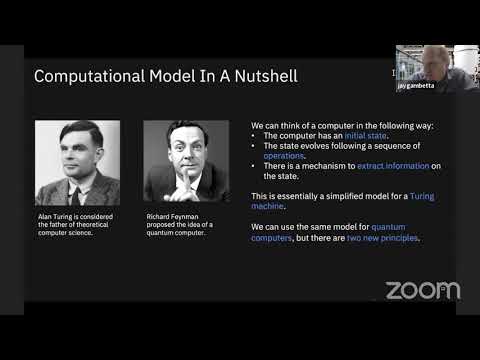
The particle-like properties of photons are a key area of study in Quantum Optics. By examining the behavior of photons as particles, scientists can gain a deeper understanding of the fundamental principles of Quantum Mechanics. The study of Photon-Photon Interactions and Photon-Matter Interactions is crucial for the development of Quantum Electronics. As researchers continue to explore the properties of photons, they are uncovering new ways to harness their power for Quantum Information Processing and Quantum Computing. The work of pioneers like Richard Feynman has laid the foundation for our current understanding of Quantum Electronics.
📈 Quantum Information Processing: A New Frontier
Quantum information processing is a rapidly evolving field that combines the principles of Quantum Mechanics and Computer Science. The use of Photons as a resource for quantum information processing has far-reaching implications for the development of Quantum Computing. By harnessing the power of photons, scientists can create new technologies that are faster, more secure, and more efficient than their classical counterparts. The study of Quantum Error Correction and Quantum Cryptography is crucial for the development of Quantum Information Processing. As researchers continue to push the boundaries of Quantum Optics, they are discovering new ways to manipulate photons and harness their power for Quantum Information Processing.
🔗 Entanglement and Teleportation: Counter-Intuitive Predictions
Entanglement and teleportation are two of the most counter-intuitive predictions of Quantum Mechanics. The use of Photons to test these predictions has far-reaching implications for the development of Quantum Computing. By studying the behavior of entangled photons, scientists can gain a deeper understanding of the fundamental principles of Quantum Mechanics. The work of pioneers like Albert Einstein and Niels Bohr has laid the foundation for our current understanding of Entanglement and Teleportation. As researchers continue to explore the properties of photons, they are uncovering new ways to harness their power for Quantum Information Processing.
🤔 The Role of Atoms and Molecules in Quantum Optics
The role of atoms and molecules in Quantum Optics is a crucial aspect of the field. By studying the interaction between photons and atoms and molecules, scientists can gain a deeper understanding of the fundamental principles of Quantum Mechanics. The use of Atoms and Molecules as a resource for quantum information processing has far-reaching implications for the development of Quantum Computing. The study of Atom-Photon Interactions and Molecule-Photon Interactions is crucial for the development of Quantum Electronics. As researchers continue to push the boundaries of Quantum Optics, they are discovering new ways to manipulate photons and harness their power for Quantum Information Processing.
📊 Quantum Chemistry: A Key Component of Quantum Electronics
Quantum chemistry is a key component of Quantum Electronics. The study of the behavior of atoms and molecules at the quantum level is crucial for the development of Quantum Computing. By harnessing the power of Quantum Chemistry, scientists can create new technologies that are faster, more secure, and more efficient than their classical counterparts. The work of pioneers like Linus Pauling has laid the foundation for our current understanding of Quantum Chemistry. As researchers continue to explore the properties of atoms and molecules, they are uncovering new ways to harness their power for Quantum Information Processing.
🔋 The Future of Circuitry: Quantum Electronics and Beyond
The future of circuitry is rapidly evolving, with Quantum Electronics at the forefront. The use of Photons as a resource for quantum information processing has far-reaching implications for the development of Quantum Computing. By harnessing the power of photons, scientists can create new technologies that are faster, more secure, and more efficient than their classical counterparts. The study of Quantum Error Correction and Quantum Cryptography is crucial for the development of Quantum Information Processing. As researchers continue to push the boundaries of Quantum Optics, they are discovering new ways to manipulate photons and harness their power for Quantum Information Processing.
📈 Applications of Quantum Electronics: A Growing Field
The applications of Quantum Electronics are vast and varied. From Quantum Computing to Quantum Cryptography, the use of photons as a resource for quantum information processing has far-reaching implications. The study of Quantum Optics and Quantum Chemistry is crucial for the development of Quantum Electronics. As researchers continue to explore the properties of photons, they are uncovering new ways to harness their power for Quantum Information Processing. The work of companies like Google and IBM is driving the development of Quantum Electronics.
🔍 Challenges and Limitations: Overcoming the Hurdles
Despite the rapid progress in Quantum Electronics, there are still many challenges to overcome. The study of Quantum Error Correction and Quantum Cryptography is crucial for the development of Quantum Information Processing. The use of Photons as a resource for quantum information processing has far-reaching implications for the development of Quantum Computing. As researchers continue to push the boundaries of Quantum Optics, they are discovering new ways to manipulate photons and harness their power for Quantum Information Processing. However, the development of Quantum Electronics is not without its challenges, and researchers must overcome the hurdles of Quantum Noise and Quantum Decoherence.
🌐 The Global Impact of Quantum Electronics: A New Era
The global impact of Quantum Electronics will be profound. The use of Photons as a resource for quantum information processing has far-reaching implications for the development of Quantum Computing. The study of Quantum Optics and Quantum Chemistry is crucial for the development of Quantum Electronics. As researchers continue to explore the properties of photons, they are uncovering new ways to harness their power for Quantum Information Processing. The work of organizations like IEEE and APS is driving the development of Quantum Electronics. The future of Quantum Electronics is bright, and its impact will be felt across the globe.
Key Facts
- Year
- 2023
- Origin
- Research institutions and tech companies around the world, including the University of Cambridge, MIT, and Google
- Category
- Physics and Technology
- Type
- Field of Study
Frequently Asked Questions
What is Quantum Electronics?
Quantum electronics is a rapidly evolving field that combines the principles of quantum mechanics and electronics to create innovative technologies. It involves the study of the behavior of photons and their interaction with matter, and has far-reaching implications for the development of quantum computing and quantum information processing. The use of photons as a resource for quantum information processing has the potential to create new technologies that are faster, more secure, and more efficient than their classical counterparts. As researchers continue to explore the properties of photons, they are uncovering new ways to harness their power for quantum information processing. The study of quantum optics and quantum chemistry is crucial for the development of quantum electronics.
What is Quantum Optics?
Quantum optics is a branch of atomic, molecular, and optical physics that studies the behavior of photons and their interaction with matter. It involves the study of the particle-like properties of photons and their interaction with atoms and molecules. Quantum optics has far-reaching implications for the development of quantum computing and quantum information processing. The use of photons to test counter-intuitive predictions, such as entanglement and teleportation, has the potential to create new technologies that are faster, more secure, and more efficient than their classical counterparts. As researchers continue to push the boundaries of quantum optics, they are discovering new ways to manipulate photons and harness their power for quantum information processing.
What is Quantum Information Processing?
Quantum information processing is a rapidly evolving field that combines the principles of quantum mechanics and computer science to create innovative technologies. It involves the use of photons as a resource for quantum information processing, and has far-reaching implications for the development of quantum computing. The study of quantum error correction and quantum cryptography is crucial for the development of quantum information processing. As researchers continue to explore the properties of photons, they are uncovering new ways to harness their power for quantum information processing. The work of companies like Google and IBM is driving the development of quantum information processing.
What are the applications of Quantum Electronics?
The applications of quantum electronics are vast and varied. From quantum computing to quantum cryptography, the use of photons as a resource for quantum information processing has far-reaching implications. The study of quantum optics and quantum chemistry is crucial for the development of quantum electronics. As researchers continue to explore the properties of photons, they are uncovering new ways to harness their power for quantum information processing. The work of companies like Google and IBM is driving the development of quantum electronics. The applications of quantum electronics include quantum computing, quantum cryptography, and quantum simulation.
What are the challenges of Quantum Electronics?
Despite the rapid progress in quantum electronics, there are still many challenges to overcome. The study of quantum error correction and quantum cryptography is crucial for the development of quantum information processing. The use of photons as a resource for quantum information processing has far-reaching implications for the development of quantum computing. However, the development of quantum electronics is not without its challenges, and researchers must overcome the hurdles of quantum noise and quantum decoherence. The work of researchers and companies is driving the development of quantum electronics, and the future of quantum electronics is bright.