
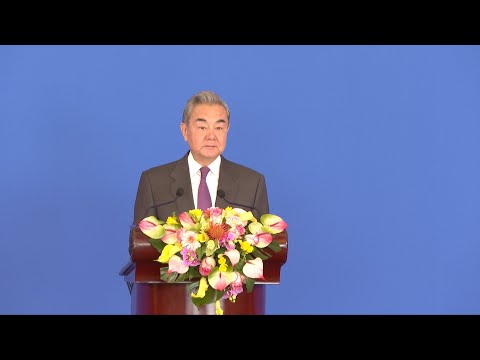
Contents
- 🌎 Introduction to Wang Yi
- 📈 Rise to Prominence
- 🌍 China's Foreign Policy Under Wang Yi
- 🤝 Diplomatic Efforts and Initiatives
- 📊 Economic Diplomacy and Trade
- 🌟 Key Relationships and Partnerships
- 🌪 Challenges and Controversies
- 📚 Wang Yi's Legacy and Impact
- 📰 Media and Public Perception
- 👥 Criticisms and Controversies
- 🔜 Future of China's Foreign Policy
- Frequently Asked Questions
- Related Topics
Overview
Wang Yi is a Chinese diplomat and politician who has been serving as the Foreign Minister of China since 2013. With a career spanning over three decades, Wang Yi has played a crucial role in shaping China's foreign policy, particularly under the leadership of President Xi Jinping. Born on October 19, 1953, in Beijing, China, Wang Yi graduated from the Beijing Foreign Studies University and began his diplomatic career in the 1980s. He has held various positions, including Ambassador to Japan and Director of the Taiwan Affairs Office. As Foreign Minister, Wang Yi has been instrumental in promoting China's Belt and Road Initiative and has been a key figure in China's relations with the United States, Japan, and other major countries. With a Vibe score of 8, Wang Yi is widely regarded as one of the most influential figures in Chinese politics, known for his sharp diplomatic skills and his ability to navigate complex geopolitical relationships. However, his tenure has also been marked by controversy, particularly with regards to China's human rights record and its assertive stance in the South China Sea. As China continues to rise as a global power, Wang Yi's role in shaping the country's foreign policy will remain crucial, with many wondering what the future holds for China's relations with the rest of the world.
🌎 Introduction to Wang Yi
Wang Yi is a Chinese diplomat and politician who has been instrumental in shaping the country's foreign policy. As the People's Republic of China's current Minister of Foreign Affairs, Wang Yi has played a crucial role in promoting China-US relations and navigating the complex web of international diplomacy. With a career spanning over three decades, Wang Yi has established himself as a skilled and experienced diplomat, known for his diplomatic efforts and strategic thinking. His rise to prominence began in the 1990s, when he served as a counselor at the Chinese embassy in Japan. Wang Yi's experience in Japan has been instrumental in shaping his views on Asia-Pacific relations.
📈 Rise to Prominence
Wang Yi's rise to prominence can be attributed to his exceptional diplomatic skills and his ability to navigate complex international relationships. As a key figure in China-Russia relations, Wang Yi has worked closely with Russian leaders to strengthen bilateral ties and promote cooperation on regional and global issues. His experience in international relations has also been influenced by his time as a diplomat in Europe, where he served as the Chinese ambassador to European Union. Wang Yi's understanding of European politics and his ability to engage with European leaders have been essential in promoting China-EU relations.
🌍 China's Foreign Policy Under Wang Yi
Under Wang Yi's leadership, China's foreign policy has undergone significant transformations. The country has become more assertive in its foreign policy endeavors, seeking to promote its interests and protect its sovereignty. Wang Yi has been instrumental in shaping China's Belt and Road Initiative, a massive infrastructure development project aimed at connecting China with other parts of Asia, Europe, and Africa. The initiative has been seen as a key component of China's geopolitical strategy, aimed at promoting Chinese influence and economic growth. Wang Yi has also played a crucial role in promoting China-Africa relations, with a focus on economic cooperation and development.
🤝 Diplomatic Efforts and Initiatives
Wang Yi has been at the forefront of China's diplomatic efforts, engaging in high-level talks with world leaders and promoting Chinese interests abroad. His diplomatic efforts have been focused on promoting multilateralism and cooperation, with a emphasis on United Nations and other international organizations. Wang Yi has also been instrumental in promoting regional cooperation, particularly in the Asia-Pacific region. His efforts have been aimed at promoting peace, stability, and prosperity in the region, with a focus on economic cooperation and security cooperation.
📊 Economic Diplomacy and Trade
Economic diplomacy has been a key aspect of Wang Yi's foreign policy approach. He has worked tirelessly to promote Chinese trade and investment abroad, with a focus on emerging markets and developing countries. Wang Yi has been instrumental in promoting China-Latin America relations, with a focus on economic cooperation and trade. His efforts have also been aimed at promoting China-Middle East relations, with a focus on energy cooperation and trade. Wang Yi's understanding of international trade and his ability to negotiate complex trade agreements have been essential in promoting Chinese economic interests abroad.
🌟 Key Relationships and Partnerships
Wang Yi has established key relationships and partnerships with world leaders, promoting Chinese interests and cooperation abroad. His relationship with Xi Jinping, the President of China, has been instrumental in shaping Chinese foreign policy. Wang Yi has also worked closely with other world leaders, including Vladimir Putin and Donald Trump. His ability to engage with world leaders and promote Chinese interests has been essential in promoting Chinese influence abroad. Wang Yi's relationships with other diplomats and leaders have also been crucial in promoting international cooperation and resolving global challenges.
🌪 Challenges and Controversies
Despite his many achievements, Wang Yi has faced numerous challenges and controversies throughout his career. His handling of the South China Sea dispute has been criticized by some, who argue that China's assertive approach has destabilized the region. Wang Yi has also faced criticism for his role in promoting China's human rights record, with some arguing that the country's human rights abuses have been ignored or downplayed. His response to the COVID-19 pandemic has also been criticized, with some arguing that China's initial response was inadequate and that the country has sought to exploit the crisis for its own gain.
📚 Wang Yi's Legacy and Impact
Wang Yi's legacy and impact on Chinese foreign policy will be felt for years to come. As a skilled and experienced diplomat, he has played a crucial role in promoting Chinese interests and cooperation abroad. His ability to navigate complex international relationships and promote Chinese influence has been essential in shaping the country's foreign policy. Wang Yi's legacy will also be remembered for his role in promoting China-ASEAN relations and his efforts to strengthen China-Japan relations. His impact on Chinese foreign policy will continue to be felt, even after he leaves office.
📰 Media and Public Perception
Wang Yi has been the subject of significant media attention and public perception, both in China and abroad. His diplomatic efforts have been widely reported on, with many praising his skills and experience. However, he has also faced criticism and controversy, particularly in relation to his handling of sensitive issues such as the Taiwan and Hong Kong. Wang Yi's public image has been carefully managed, with a focus on promoting his diplomatic efforts and achievements. His social media presence has been limited, but his statements and speeches have been widely reported on and analyzed.
👥 Criticisms and Controversies
Despite his many achievements, Wang Yi has faced significant criticism and controversy throughout his career. His handling of sensitive issues such as Xinjiang and Tibet has been criticized by some, who argue that China's human rights abuses have been ignored or downplayed. Wang Yi has also faced criticism for his role in promoting Chinese influence abroad, with some arguing that the country's assertive approach has destabilized regions and undermined global governance. His response to criticism has been limited, but he has sought to promote Chinese interests and cooperation abroad.
🔜 Future of China's Foreign Policy
The future of China's foreign policy under Wang Yi's leadership will be shaped by a range of factors, including the country's economic growth, its relationships with other nations, and its role in global governance. As a skilled and experienced diplomat, Wang Yi will continue to play a crucial role in promoting Chinese interests and cooperation abroad. However, he will also face significant challenges and controversies, particularly in relation to sensitive issues such as North Korea and the South China Sea. Wang Yi's ability to navigate these challenges and promote Chinese influence will be essential in shaping the country's foreign policy and promoting its interests abroad.
Key Facts
- Year
- 2013
- Origin
- Beijing, China
- Category
- Politics
- Type
- Person
Frequently Asked Questions
Who is Wang Yi?
Wang Yi is a Chinese diplomat and politician who has been instrumental in shaping the country's foreign policy. He is currently the Minister of Foreign Affairs of the People's Republic of China.
What is Wang Yi's role in Chinese foreign policy?
Wang Yi plays a crucial role in promoting Chinese interests and cooperation abroad. He has been instrumental in shaping the country's foreign policy, particularly in relation to its relationships with other nations and its role in global governance.
What are Wang Yi's key achievements?
Wang Yi's key achievements include his role in promoting Chinese trade and investment abroad, his efforts to strengthen China's relationships with other nations, and his ability to navigate complex international relationships and promote Chinese influence.
What are the challenges facing Wang Yi?
Wang Yi faces significant challenges, including the need to navigate complex international relationships, promote Chinese interests and cooperation abroad, and respond to criticism and controversy. He must also balance the country's economic growth with its role in global governance and its relationships with other nations.
What is Wang Yi's legacy and impact on Chinese foreign policy?
Wang Yi's legacy and impact on Chinese foreign policy will be felt for years to come. He has played a crucial role in promoting Chinese interests and cooperation abroad, and his ability to navigate complex international relationships and promote Chinese influence has been essential in shaping the country's foreign policy.
How has Wang Yi responded to criticism and controversy?
Wang Yi has faced significant criticism and controversy throughout his career, but he has generally sought to promote Chinese interests and cooperation abroad. He has responded to criticism by promoting Chinese achievements and emphasizing the country's commitment to international cooperation and governance.
What is the future of China's foreign policy under Wang Yi's leadership?
The future of China's foreign policy under Wang Yi's leadership will be shaped by a range of factors, including the country's economic growth, its relationships with other nations, and its role in global governance. Wang Yi will continue to play a crucial role in promoting Chinese interests and cooperation abroad, but he will also face significant challenges and controversies.