
Contents
- 🏙️ Introduction to Leon Krier
- 📐 Early Life and Education
- 🏛️ Architectural Career and Influences
- 🌆 Traditional Urbanism and New Urbanism
- 📚 Publications and Writings
- 🏗️ Notable Projects and Designs
- 🌎 International Recognition and Awards
- 🤝 Collaborations and Criticisms
- 🌐 Influence on Contemporary Urban Planning
- 📊 Controversies and Debates
- 🔮 Legacy and Future Directions
- Frequently Asked Questions
- Related Topics
Overview
Leon Krier, a Luxembourgish architect and urban planner, has been a prominent figure in the critique of modernist urban planning since the 1960s. With a vibe score of 8, Krier's work has inspired a generation of architects and urban designers to rethink the way cities are built. His ideas on traditional urbanism, which emphasize the importance of human-scale, mixed-use development and traditional architectural styles, have been influential in shaping the New Urbanism movement. Krier's collaborations with architects such as Robert A.M. Stern and Andrés Duany have resulted in the design of numerous successful urban projects, including the town of Seaside, Florida. Despite controversy surrounding his views on modernist architecture, Krier remains a respected voice in the field, with his work continuing to shape the debate on urban planning and design. As the urban planning landscape continues to evolve, Krier's ideas will likely remain a key point of reference for architects and urban designers seeking to create more livable and sustainable cities.
🏙️ Introduction to Leon Krier
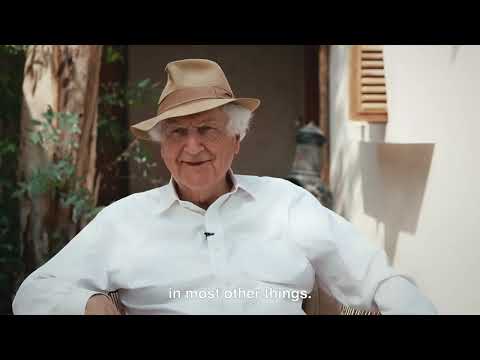
Leon Krier is a renowned architect, urban planner, and theorist, known for his advocacy of Traditional Urbanism and New Urbanism. Born on April 7, 1946, in Luxembourg, Krier's work has had a significant impact on the way we think about urban design and planning. His ideas have been influenced by the works of Jane Jacobs and Andres Duany, among others. Krier's approach to urban planning emphasizes the importance of human-scale design, mixed-use development, and community engagement. He has written extensively on these topics, including in his book The Architecture of Community. As a leading figure in the field of urban planning, Krier's work continues to inspire and influence architects, planners, and policymakers around the world, including those involved in the Congress for the New Urbanism.
📐 Early Life and Education
Krier's early life and education played a significant role in shaping his architectural career. He studied architecture at the University of Stuttgart, where he was exposed to the works of Le Corbusier and other modernist architects. However, Krier's interests soon shifted towards traditional urbanism, and he began to explore the works of Christopher Alexander and other theorists. Krier's education and early career experiences have been documented in various publications, including his own writings on Urban Planning and Architecture. His work has also been influenced by the ideas of James Howard Kunstler, a prominent critic of modern urban planning. Krier's unique perspective on urban design has been shaped by his experiences working with Prince Charles on the Poundbury project, a model village in England.
🏛️ Architectural Career and Influences
Krier's architectural career has been marked by a series of notable projects and collaborations. He has worked with architects such as Robert A.M. Stern and Quinlan Terry, and has been involved in the design of several high-profile projects, including the Poundbury development in England. Krier's work has been influenced by a range of architectural styles, from Classical Architecture to Art Nouveau. His designs often incorporate elements of traditional urbanism, such as narrow streets, mixed-use development, and human-scale design. Krier has written about the importance of Sustainable Urbanism and Green Architecture in his book The Architecture of Community. He has also been involved in the development of the Charter of the New Urbanism, a document that outlines the principles of new urbanism.
🌆 Traditional Urbanism and New Urbanism
Krier is perhaps best known for his advocacy of traditional urbanism and new urbanism. He has written extensively on these topics, and has been involved in the development of several model projects, including Poundbury and Seaside. Krier's approach to urban planning emphasizes the importance of human-scale design, mixed-use development, and community engagement. He has been critical of modernist urban planning, which he sees as prioritizing the needs of cars over those of people. Krier's ideas have been influential in shaping the New Urbanism movement, which emphasizes the importance of walkable, mixed-use communities. He has worked with organizations such as the Congress for the New Urbanism to promote these ideas. Krier's work has also been influenced by the ideas of Andres Duany and Elizabeth Plater-Zyberk, among others.
📚 Publications and Writings
Krier has published several books on architecture and urban planning, including The Architecture of Community and Houses, Palaces, Cities. His writings have been widely praised for their insight and clarity, and have been influential in shaping the debate about urban planning and design. Krier has also been a vocal critic of modernist architecture, and has written about the importance of Traditional Architecture and Classical Architecture. His work has been influenced by the ideas of Nikos Salingaros and Christopher Alexander, among others. Krier has been involved in the development of the Charter of the New Urbanism, a document that outlines the principles of new urbanism. He has also worked with organizations such as the Institute of Classical Architecture and Art to promote traditional architecture and urbanism.
🏗️ Notable Projects and Designs
Krier has been involved in the design of several notable projects, including the Poundbury development in England and the Seaside community in Florida. His designs often incorporate elements of traditional urbanism, such as narrow streets, mixed-use development, and human-scale design. Krier has worked with architects such as Robert A.M. Stern and Quinlan Terry, and has been involved in the development of several high-profile projects. His work has been influenced by a range of architectural styles, from Classical Architecture to Art Nouveau. Krier has written about the importance of Sustainable Urbanism and Green Architecture in his book The Architecture of Community. He has also been involved in the development of the Charter of the New Urbanism, a document that outlines the principles of new urbanism.
🌎 International Recognition and Awards
Krier has received international recognition for his work, including the Vincent Scully Prize and the Prince Charles Award. He has been praised for his contributions to the field of urban planning and design, and has been recognized as one of the leading architects and urban planners of his generation. Krier's work has been influential in shaping the debate about urban planning and design, and has been widely praised for its insight and clarity. He has worked with organizations such as the Congress for the New Urbanism to promote the principles of new urbanism. Krier has also been involved in the development of the Institute of Classical Architecture and Art, an organization dedicated to promoting traditional architecture and urbanism.
🤝 Collaborations and Criticisms
Krier has collaborated with a range of architects, urban planners, and theorists, including Andres Duany and Elizabeth Plater-Zyberk. He has been involved in the development of several model projects, including Poundbury and Seaside. Krier's work has been influenced by a range of architectural styles, from Classical Architecture to Art Nouveau. He has written about the importance of Sustainable Urbanism and Green Architecture in his book The Architecture of Community. Krier has also been involved in the development of the Charter of the New Urbanism, a document that outlines the principles of new urbanism. He has worked with organizations such as the Institute of Classical Architecture and Art to promote traditional architecture and urbanism.
🌐 Influence on Contemporary Urban Planning
Krier's ideas have had a significant influence on contemporary urban planning and design. His emphasis on human-scale design, mixed-use development, and community engagement has helped to shape the debate about urban planning and design. Krier's work has been widely praised for its insight and clarity, and has been influential in shaping the New Urbanism movement. He has worked with organizations such as the Congress for the New Urbanism to promote the principles of new urbanism. Krier has also been involved in the development of the Institute of Classical Architecture and Art, an organization dedicated to promoting traditional architecture and urbanism. His work has been influenced by the ideas of Nikos Salingaros and Christopher Alexander, among others.
📊 Controversies and Debates
Krier's work has not been without controversy, and he has been criticized by some for his rejection of modernist architecture and urban planning. Some have argued that his emphasis on traditional urbanism is nostalgic and unrealistic, and that it fails to account for the complexities of modern urban life. Krier has responded to these criticisms by arguing that his approach to urban planning is not about recreating the past, but about creating a more sustainable and humane future. He has written about the importance of Sustainable Urbanism and Green Architecture in his book The Architecture of Community. Krier has also been involved in the development of the Charter of the New Urbanism, a document that outlines the principles of new urbanism.
🔮 Legacy and Future Directions
Krier's legacy continues to shape the debate about urban planning and design. His emphasis on human-scale design, mixed-use development, and community engagement has helped to create a more sustainable and humane approach to urban planning. Krier's work has been widely praised for its insight and clarity, and has been influential in shaping the New Urbanism movement. He has worked with organizations such as the Congress for the New Urbanism to promote the principles of new urbanism. Krier has also been involved in the development of the Institute of Classical Architecture and Art, an organization dedicated to promoting traditional architecture and urbanism. As the field of urban planning and design continues to evolve, Krier's ideas and legacy will remain an important part of the conversation.
Key Facts
- Year
- 1946
- Origin
- Luxembourg
- Category
- Architecture and Urban Planning
- Type
- Person
Frequently Asked Questions
What is Leon Krier's approach to urban planning?
Leon Krier's approach to urban planning emphasizes the importance of human-scale design, mixed-use development, and community engagement. He advocates for traditional urbanism and new urbanism, and has written extensively on these topics. Krier's work has been influential in shaping the debate about urban planning and design, and has been widely praised for its insight and clarity. He has worked with organizations such as the Congress for the New Urbanism to promote the principles of new urbanism. Krier's approach to urban planning is centered on the idea of creating sustainable and humane communities, and he has written about the importance of Sustainable Urbanism and Green Architecture in his book The Architecture of Community.
What are some of Leon Krier's notable projects?
Leon Krier has been involved in the design of several notable projects, including the Poundbury development in England and the Seaside community in Florida. His designs often incorporate elements of traditional urbanism, such as narrow streets, mixed-use development, and human-scale design. Krier has worked with architects such as Robert A.M. Stern and Quinlan Terry, and has been involved in the development of several high-profile projects. His work has been influenced by a range of architectural styles, from Classical Architecture to Art Nouveau.
What is the significance of Leon Krier's work?
Leon Krier's work has had a significant influence on the field of urban planning and design. His emphasis on human-scale design, mixed-use development, and community engagement has helped to shape the debate about urban planning and design. Krier's work has been widely praised for its insight and clarity, and has been influential in shaping the New Urbanism movement. He has worked with organizations such as the Congress for the New Urbanism to promote the principles of new urbanism. Krier's work has also been recognized with several awards, including the Vincent Scully Prize and the Prince Charles Award.
What are some of the criticisms of Leon Krier's work?
Leon Krier's work has not been without controversy, and he has been criticized by some for his rejection of modernist architecture and urban planning. Some have argued that his emphasis on traditional urbanism is nostalgic and unrealistic, and that it fails to account for the complexities of modern urban life. Krier has responded to these criticisms by arguing that his approach to urban planning is not about recreating the past, but about creating a more sustainable and humane future. He has written about the importance of Sustainable Urbanism and Green Architecture in his book The Architecture of Community.
What is Leon Krier's legacy?
Leon Krier's legacy continues to shape the debate about urban planning and design. His emphasis on human-scale design, mixed-use development, and community engagement has helped to create a more sustainable and humane approach to urban planning. Krier's work has been widely praised for its insight and clarity, and has been influential in shaping the New Urbanism movement. He has worked with organizations such as the Congress for the New Urbanism to promote the principles of new urbanism. Krier's legacy will continue to be felt in the field of urban planning and design for years to come.