
Contents
- 📚 Introduction to Karl Popper
- 🔬 The Falsification Criterion
- 📝 Critical Rationalism
- 👥 Influence and Legacy
- 🤔 Opposition to Justificationism
- 📊 The Problem of Induction
- 📚 Popper's Academic Career
- 🌎 Global Impact
- 📝 Key Works and Publications
- 👨🏫 Founding the Department of Philosophy
- 🌐 Contemporary Relevance
- Frequently Asked Questions
- Related Topics
Overview
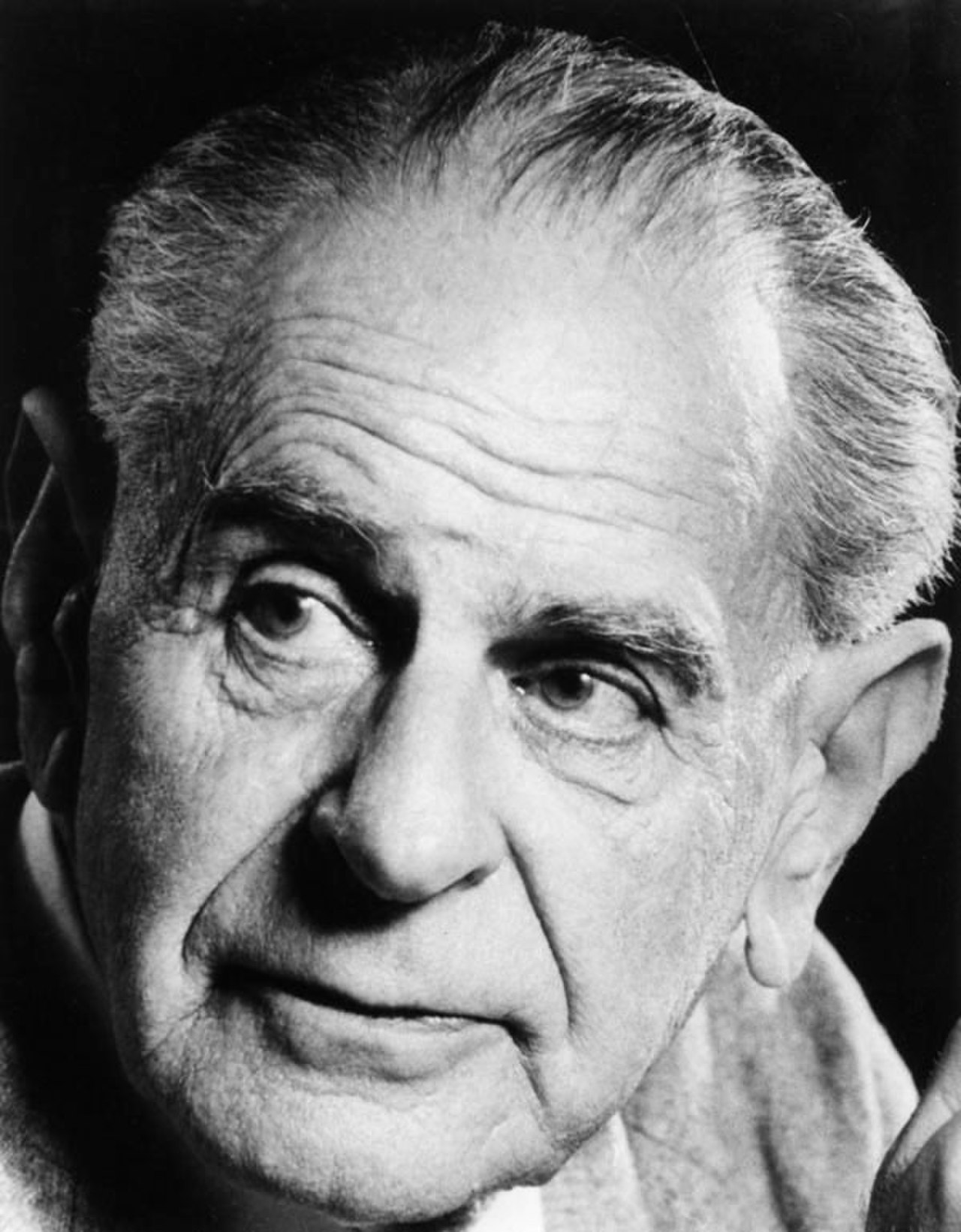
Karl Popper, an Austrian-British philosopher, is best known for his concept of falsification, which asserts that a scientific theory can never be proven, only disproven. Born on July 28, 1902, in Vienna, Austria, Popper's work has had a significant impact on the philosophy of science, influencing thinkers such as Thomas Kuhn and Imre Lakatos. His most famous work, 'The Logic of Scientific Discovery', published in 1934, laid the foundation for his falsification theory. Popper's ideas have been widely debated, with some critics arguing that his approach is too narrow, while others see it as a necessary correction to the excesses of inductivism. With a Vibe score of 8, Popper's philosophy continues to resonate with scholars and scientists, sparking discussions about the nature of knowledge and the scientific method. As we move forward, it's essential to consider how Popper's ideas will shape the future of scientific inquiry and critical thinking.
📚 Introduction to Karl Popper
Karl Popper was a renowned Austrian–British philosopher, academic, and social commentator, best known for his work on the philosophy of science. He is widely regarded as one of the most influential philosophers of the 20th century, and his ideas have had a significant impact on the development of Science and Philosophy. Popper's rejection of classical inductivist views on the scientific method in favour of empirical falsification has been particularly influential, and his falsifiability criterion has become a cornerstone of modern scientific inquiry. As a key figure in the development of Critical Rationalism, Popper's work has been widely discussed and debated in academic circles, with many scholars drawing on his ideas to inform their own research in fields such as Epistemology and Philosophy of Science.
🔬 The Falsification Criterion
The falsification criterion, which states that a theory can never be proven but can be falsified, is a central concept in Popper's philosophy. According to Popper, a theory in the empirical sciences can be tested and potentially falsified through decisive experiments, but it can never be proven with absolute certainty. This approach to scientific inquiry has been highly influential, and has led to significant advances in our understanding of the natural world. As Popper himself noted, the process of Falsification is essential to the development of scientific knowledge, and is a key component of the Scientific Method. The implications of this approach are far-reaching, and have been explored in detail by scholars such as Thomas Kuhn and Imre Lakatos.
📝 Critical Rationalism
Critical Rationalism, which Popper developed as an alternative to the classical justificationist account of knowledge, is a key aspect of his philosophical framework. According to Popper, knowledge is not a matter of justification, but rather a matter of criticism and revision. This approach emphasizes the importance of testing and falsifying theories, rather than attempting to prove them. As Popper noted, the critical rationalist approach is based on the idea that knowledge is always provisional and subject to revision, and that the best way to advance knowledge is through the process of Criticism and Revision. This approach has been highly influential in the development of modern Philosophy, and has been applied in a wide range of fields, including Science, Politics, and Economics.
👥 Influence and Legacy
Popper's influence and legacy extend far beyond the academic community, and his ideas have had a significant impact on the development of modern science and philosophy. His work on the philosophy of science has been particularly influential, and has led to significant advances in our understanding of the natural world. As a key figure in the development of Critical Rationalism, Popper's work has been widely discussed and debated in academic circles, with many scholars drawing on his ideas to inform their own research in fields such as Epistemology and Philosophy of Science. Popper's ideas have also been applied in a wide range of fields, including Politics and Economics, and have been influential in shaping public policy and decision-making. The implications of Popper's ideas are far-reaching, and continue to be explored and debated by scholars today.
🤔 Opposition to Justificationism
Popper was strongly opposed to the classical justificationist account of knowledge, which he saw as flawed and inadequate. According to Popper, the justificationist approach to knowledge is based on the idea that knowledge can be proven and justified, but this approach is fundamentally flawed. As Popper noted, the justificationist approach is based on a mistaken view of the nature of knowledge, and fails to account for the provisional and revisable nature of human knowledge. In contrast, Popper's critical rationalist approach emphasizes the importance of testing and falsifying theories, rather than attempting to prove them. This approach has been highly influential in the development of modern Philosophy, and has been applied in a wide range of fields, including Science, Politics, and Economics. The implications of this approach are far-reaching, and have been explored in detail by scholars such as Friedrich Hayek and John Hicks.
📊 The Problem of Induction
The problem of induction, which is the question of how we can justify inductive reasoning, was a central concern for Popper. According to Popper, inductive reasoning is not justifiable, and we can never be certain that our conclusions are correct. As Popper noted, the problem of induction is a fundamental challenge to the justificationist approach to knowledge, and highlights the need for a more critical and rational approach to scientific inquiry. Popper's solution to this problem was to emphasize the importance of testing and falsifying theories, rather than attempting to prove them. This approach has been highly influential in the development of modern Science, and has led to significant advances in our understanding of the natural world. The implications of this approach are far-reaching, and continue to be explored and debated by scholars today, including Kurt Gödel and Alan Turing.
📚 Popper's Academic Career
Popper's academic career was marked by a series of significant appointments and achievements. He was a professor of logic and scientific method at the London School of Economics and founded the Department of Philosophy at the same institution. As a key figure in the development of Critical Rationalism, Popper's work has been widely discussed and debated in academic circles, with many scholars drawing on his ideas to inform their own research in fields such as Epistemology and Philosophy of Science. Popper's academic career was also marked by a series of significant publications, including The Logic of Scientific Discovery and The Poverty of Historicism. These works have had a lasting impact on the development of modern Philosophy and Science.
🌎 Global Impact
Popper's ideas have had a significant impact on the global community, and his work continues to be widely read and studied today. As a key figure in the development of Critical Rationalism, Popper's work has been influential in shaping public policy and decision-making, and has been applied in a wide range of fields, including Politics and Economics. Popper's emphasis on the importance of testing and falsifying theories has been particularly influential, and has led to significant advances in our understanding of the natural world. The implications of Popper's ideas are far-reaching, and continue to be explored and debated by scholars today, including Noam Chomsky and Daniel Dennett.
📝 Key Works and Publications
Popper's key works and publications include The Logic of Scientific Discovery and The Poverty of Historicism. These works have had a lasting impact on the development of modern Philosophy and Science, and continue to be widely read and studied today. As a key figure in the development of Critical Rationalism, Popper's work has been influential in shaping public policy and decision-making, and has been applied in a wide range of fields, including Politics and Economics. Popper's emphasis on the importance of testing and falsifying theories has been particularly influential, and has led to significant advances in our understanding of the natural world. The implications of Popper's ideas are far-reaching, and continue to be explored and debated by scholars today.
👨🏫 Founding the Department of Philosophy
Popper founded the Department of Philosophy at the London School of Economics, and was a professor of logic and scientific method at the same institution. As a key figure in the development of Critical Rationalism, Popper's work has been widely discussed and debated in academic circles, with many scholars drawing on his ideas to inform their own research in fields such as Epistemology and Philosophy of Science. Popper's academic career was marked by a series of significant appointments and achievements, and his work continues to be widely read and studied today. The implications of Popper's ideas are far-reaching, and continue to be explored and debated by scholars today, including Richard Dawkins and Stephen Hawking.
🌐 Contemporary Relevance
Popper's ideas continue to be relevant today, and his work remains a key part of the philosophical canon. As a key figure in the development of Critical Rationalism, Popper's work has been influential in shaping public policy and decision-making, and has been applied in a wide range of fields, including Politics and Economics. Popper's emphasis on the importance of testing and falsifying theories has been particularly influential, and has led to significant advances in our understanding of the natural world. The implications of Popper's ideas are far-reaching, and continue to be explored and debated by scholars today. As we look to the future, it is clear that Popper's work will remain a key part of the ongoing conversation about the nature of knowledge and reality.
Key Facts
- Year
- 1902
- Origin
- Austria
- Category
- Philosophy
- Type
- Person
Frequently Asked Questions
What is Karl Popper's most famous contribution to philosophy?
Karl Popper's most famous contribution to philosophy is his development of the concept of falsification, which states that a theory can never be proven but can be falsified. This idea has had a significant impact on the development of modern science and philosophy, and has led to significant advances in our understanding of the natural world. As Popper noted, the process of falsification is essential to the development of scientific knowledge, and is a key component of the Scientific Method. The implications of this approach are far-reaching, and have been explored in detail by scholars such as Thomas Kuhn and Imre Lakatos.
What is critical rationalism?
Critical rationalism is a philosophical framework developed by Karl Popper, which emphasizes the importance of testing and falsifying theories, rather than attempting to prove them. This approach is based on the idea that knowledge is always provisional and subject to revision, and that the best way to advance knowledge is through the process of Criticism and Revision. As Popper noted, critical rationalism is a non-justificational philosophy of criticism, which emphasizes the importance of critical thinking and intellectual honesty. The implications of this approach are far-reaching, and have been explored in detail by scholars such as Friedrich Hayek and John Hicks.
What is the problem of induction?
The problem of induction is the question of how we can justify inductive reasoning, which is the process of making generalizations based on specific observations. According to Popper, inductive reasoning is not justifiable, and we can never be certain that our conclusions are correct. As Popper noted, the problem of induction is a fundamental challenge to the justificationist approach to knowledge, and highlights the need for a more critical and rational approach to scientific inquiry. The implications of this approach are far-reaching, and have been explored in detail by scholars such as Kurt Gödel and Alan Turing.
What is the significance of Popper's work in the context of modern science?
Popper's work has had a significant impact on the development of modern science, and his ideas continue to be widely read and studied today. As a key figure in the development of Critical Rationalism, Popper's work has been influential in shaping public policy and decision-making, and has been applied in a wide range of fields, including Politics and Economics. Popper's emphasis on the importance of testing and falsifying theories has been particularly influential, and has led to significant advances in our understanding of the natural world. The implications of Popper's ideas are far-reaching, and continue to be explored and debated by scholars today, including Noam Chomsky and Daniel Dennett.
How does Popper's philosophy relate to other philosophical frameworks?
Popper's philosophy is closely related to other philosophical frameworks, such as Positivism and Pragmatism. However, Popper's critical rationalism is distinct from these frameworks, and emphasizes the importance of testing and falsifying theories, rather than attempting to prove them. As Popper noted, critical rationalism is a non-justificational philosophy of criticism, which emphasizes the importance of critical thinking and intellectual honesty. The implications of this approach are far-reaching, and have been explored in detail by scholars such as Richard Dawkins and Stephen Hawking.